

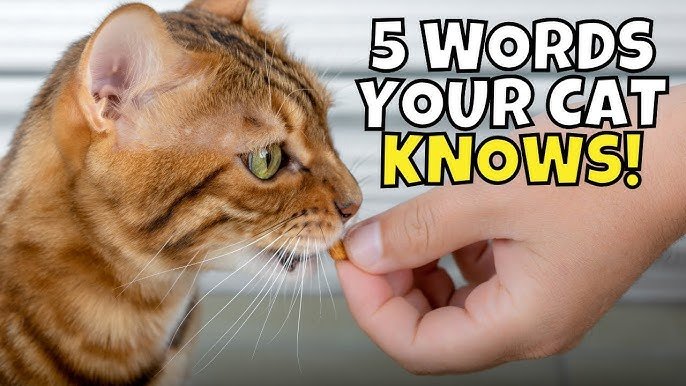
Have you ever wondered if your cat truly understands the words you say? You might think they just respond to your tone or body language, but what if there’s more to it?
Imagine being able to communicate with your furry friend in a way that goes beyond simple meows and purrs. You’ll discover surprising facts about how cats process words and what it means for your relationship with them. Keep reading to unlock the secrets behind your cat’s mysterious behavior and learn how to connect with them on a deeper level.
Cat Communication Basics
Cats do not understand words like humans do, but they recognize tones and sounds. They respond better to familiar voices and repeated phrases. Body language and context also help cats grasp what you mean.
Cats are mysterious creatures, often leaving us wondering what they truly understand. While dogs may respond eagerly to verbal cues, cats have their own unique way of communicating. Understanding these feline signals can deepen your bond and improve interactions with your furry friend.How Cats Use Sounds
Cats use a variety of sounds to express themselves. The meow is the most common, and it’s often directed at humans rather than other cats. A purr might indicate contentment, but it can also be a sign of distress. Every cat has its own sound vocabulary. Some might chirp or trill when they see a bird outside, while others use a specific meow when they’re hungry. Pay attention to these sounds—they’re your cat’s way of talking to you.Body Language Signals
Cats communicate significantly through body language. A cat’s tail is a great indicator of its mood. A high, upright tail signals happiness and confidence, whereas a puffed-up tail shows fear or agitation. Ears and eyes also play a role. Forward-facing ears mean curiosity or contentment, while flattened ears can indicate anger or fear. Slow blinking is a sign of trust and affection—try slow blinking at your cat and see if they return the gesture.Vocalization And Meaning
Not all cat vocalizations mean the same thing. A short, soft meow might be a greeting, while a loud, drawn-out meow could mean your cat is demanding attention. Hissing and growling are clear signs of discomfort or threat. To better understand these vocalizations, observe your cat in different situations. Notice how their sounds change when they’re hungry, scared, or playful. This awareness can help you respond appropriately to their needs. Understanding these basics of cat communication can transform your interactions. What sounds or signals does your cat use most often? Recognizing and interpreting these cues can open new levels of understanding between you and your feline companion.
Credit: www.youtube.com
Word Recognition In Cats
Cats might not hold conversations like humans, but they do pick up on words more than you might think. Understanding how cats recognize words can change how you communicate with your furry friend. It’s not just about the sounds; it’s about what those sounds mean to them.
Can Cats Recognize Their Names?
Many cat owners notice their pets react when called by name. But do cats truly understand their names, or is it just a sound they associate with attention?
Research shows cats can distinguish their names from other words. They respond because they’ve learned that their name often leads to something positive, like food or petting. Try calling your cat’s name softly and see if their ears perk up or they look your way—that’s recognition in action.
Response To Common Commands
Cats can learn to respond to commands like “sit” or “come,” but it takes patience. Unlike dogs, cats aren’t as eager to please, so their response depends on motivation.
Use treats or affection to reward your cat when it follows a command. Over time, your cat will associate certain words with actions and rewards. Ask yourself: how consistent are you in using the same words for commands?
Learning Through Repetition
Repetition is key to helping cats recognize words. Just like you remember things better when you hear them often, cats need frequent exposure to connect sounds with meaning.
Try repeating your cat’s name or commands during daily routines. Notice how your cat gradually starts responding more reliably. This shows that patience and regular practice can improve word recognition in cats significantly.
Cats And Human Speech
Cats do not understand human language like people do. Yet, they react to sounds and words they hear often. Cats pay attention to how you say things more than what you say. Their ears catch different tones and pitches in your voice. This helps them figure out your mood and intentions.
Do Cats Understand Tone?
Cats notice changes in tone better than words. A soft, calm voice makes cats feel safe. A loud or sharp tone can scare them. Cats use tone to decide if you are friendly or upset. They may come closer or hide based on your tone.
Effects Of Voice Pitch
High-pitched voices usually attract cats. It sounds like a friendly call to them. Low-pitched voices may seem threatening or serious. Cats respond more to voice pitch than the meaning of words. This helps them know when you want to play or warn them.
Emotional Connection Through Speech
Talking to cats builds trust and comfort. Cats learn to recognize their owner’s voice. They feel connected when you speak softly and kindly. Speech helps cats feel part of the family. It strengthens the bond without needing full word understanding.

Credit: www.youtube.com
Scientific Studies On Cat Cognition
Scientific studies on cat cognition reveal fascinating insights into how cats perceive and respond to human language. Researchers have been curious about whether cats truly understand words or simply react to tone and body language. These studies offer clues that can help you communicate more effectively with your feline friend.
Key Research Findings
Scientists have discovered that cats can recognize their names and certain words related to rewards or actions. Unlike dogs, cats show less consistent responses, but they still exhibit clear recognition patterns.
- Cats react differently to their names compared to other words, indicating some level of word differentiation.
- They tend to respond more when words are linked to positive experiences, like feeding or playtime.
- Brain imaging studies show activity in areas related to sound recognition, suggesting cats process spoken language.
Have you noticed your cat coming when you call them or responding to specific commands? This aligns well with the idea that cats do pick up on certain words over time.
Experiments With Word Recognition
Researchers often conduct controlled experiments to test if cats can distinguish words. One popular method involves playing recordings of different words and observing the cat’s reactions.
- In one experiment, cats showed more attention to their names than to random words.
- When words were paired with treats, cats learned to associate the sound with a positive outcome.
- Some studies tested cats’ ability to follow simple verbal commands, with mixed but promising results.
Imagine calling your cat with a specific word consistently linked to play. Would they come running because they understand the word or just because of your tone? These experiments try to answer exactly that.
Limitations Of Current Studies
Despite interesting results, current research has its limits. Sample sizes are often small, and cats’ responses can vary greatly based on individual personality and environment.
- Many studies rely on short-term observations, which might not capture cats’ long-term learning.
- Cats may respond more to cues other than words, such as voice pitch or body language.
- Variability in experimental setups makes it hard to compare results across different studies.
Could your cat be understanding more than researchers give them credit for? Or are they just experts at reading your mood? These questions remind us how complex cat cognition truly is.
Training Cats With Words
Training cats with words is possible and can improve your bond. Cats can learn to recognize certain words and sounds. This helps them respond to commands or cues. Training requires patience and clear communication. Cats react better to consistent words and tones. Using simple words makes it easier for cats to understand your intent.
Effective Training Techniques
- Use short, clear words like “come,” “no,” or “food.”
- Repeat words consistently every time you want a response.
- Pair words with actions, such as pointing or gestures.
- Reward positive behavior with treats or petting immediately.
- Train in short sessions to keep your cat focused.
- Be patient; cats may take longer than dogs to respond.
- Use a calm, friendly tone to keep your cat relaxed.
Common Misconceptions
- Cats do not understand full sentences like humans.
- They respond more to tone and body language than words.
- Ignoring bad behavior without guidance does not help training.
- Cats are not untrainable; they just learn differently.
- Training is not about control but communication and trust.
- Cats respond better to positive reinforcement than punishment.
Tips For Better Communication
- Speak clearly and use the same word for the same command.
- Use a gentle voice to encourage your cat to listen.
- Observe your cat’s body language for signs of understanding.
- Give your cat time to process words and respond.
- Keep distractions low during training to improve focus.
- Be consistent with your commands every day.
- Celebrate small successes to motivate your cat.
Surprising Facts About Cat Intelligence
Cats often surprise us with their intelligence, showing skills that go beyond simple instincts. Understanding their mental abilities can change how you interact with your feline friend. Let’s look at some surprising facts about cat intelligence that might make you see your pet in a new light.
Memory And Learning Skills
Cats have impressive memory, especially when it comes to places and people. They remember where food is hidden and recognize familiar voices even after long periods. This skill helps them learn routines quickly and adapt to new environments.
Have you noticed how your cat knows exactly when it’s mealtime without a clock? That’s memory at work. You can strengthen this skill by consistently using the same words or sounds to signal activities like feeding or playtime.
Problem-solving Abilities
Cats are natural problem solvers. They figure out how to open doors, reach treats, or escape tricky spots. Watching a cat tackle a puzzle feeder is a clear sign of their sharp thinking.
Try giving your cat new challenges, like hiding toys or treats in different places. This stimulates their mind and prevents boredom. What small puzzles could you create today to engage your cat’s brain?
Emotional Awareness
Cats are sensitive to human emotions and often respond to your mood changes. They might cuddle more when you’re sad or keep a distance when you’re upset. This emotional awareness shows a deep connection between you and your cat.
Next time you feel down, observe how your cat reacts. Their response can teach you a lot about non-verbal communication. How might you adjust your behavior to strengthen this emotional bond?
Credit: www.lemon8-app.com
Frequently Asked Questions
Do Cats Recognize Their Names?
Yes, cats can recognize their names. They learn to associate sounds with positive experiences. This helps them respond when called.
Can Cats Understand Human Emotions?
Cats can sense human emotions through tone and body language. They often react to moods, showing empathy or caution accordingly.
How Do Cats Learn Words?
Cats learn words by repetition and context. Consistent use of commands linked to actions helps them understand specific words.
Are Cats More Responsive To Tone Or Words?
Cats respond better to tone than specific words. A gentle or harsh tone influences their behavior more than vocabulary.
Conclusion
Cats respond to sounds and tones more than specific words. They learn by hearing their names and common commands often. Their understanding depends on training and repetition. Cats focus on how you say things, not just what you say. This shows they connect feelings with sounds.
So, cats do understand some words but mostly through tone and context. Talking clearly and kindly helps your cat listen better. Patience is key to building strong communication with your feline friend.
