

Are you tired of your cat sneaking into places you’d rather they avoid? Maybe you’ve heard that moth balls can keep cats away and wondered if this trick really works.
Before you scatter those little white balls around your home or garden, it’s important to know the truth. You’ll discover whether moth balls are a safe and effective way to keep your feline friend at bay—and what you should consider before using them.
Keep reading to find out what really happens when moth balls meet cats, and learn safer alternatives to protect your space.
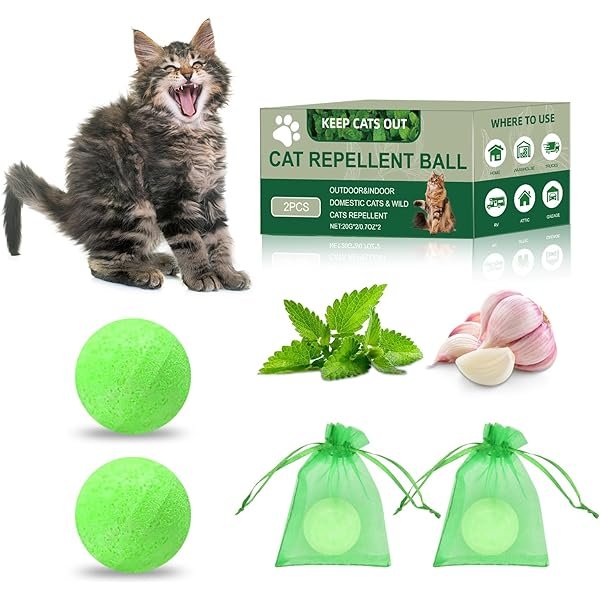
Credit: www.amazon.com
Moth Balls And Their Ingredients
Moth balls contain chemicals like naphthalene or paradichlorobenzene, which smell strong and toxic. These fumes can repel cats but may also harm them if touched or inhaled. Using moth balls to keep cats away is not safe and should be avoided.
Moth balls are small, white balls used for pest control. They release chemicals into the air, deterring insects and pests. Many wonder if they can also keep cats away. Understanding their ingredients can provide insights.Common Chemicals In Moth Balls
Most moth balls contain naphthalene or paradichlorobenzene. These chemicals evaporate into gas, creating a strong odor. This smell is unpleasant to many animals and insects. It’s important to handle these chemicals with care. They can be harmful to humans and pets if ingested or inhaled.How Moth Balls Work
Moth balls work by releasing vapor into the air. This vapor creates a protective barrier around stored items. The strong smell deters pests from getting close. Cats, with their sensitive noses, might find the smell unbearable. This can lead them to avoid areas with moth balls. Still, relying on them for cat control can be risky. They are toxic and not recommended for use around pets. `
Credit: www.aussiepharmadirect.com.au
Cats And Their Sensory Abilities
Cats have very sharp senses that help them understand their world. Their sensory abilities are much stronger than humans’. These skills guide their behavior and reactions daily. Knowing how cats sense things helps explain their responses to different smells and sounds.
Cat Sense Of Smell
Cats have a powerful sense of smell. Their noses have about 200 million scent receptors. Humans have only 5 million. This means cats can detect smells much better than people.
Smells guide cats in many ways, such as finding food or marking territory. They also use their noses to recognize other animals and people. A strong smell can be very noticeable to a cat, even if humans barely notice it.
Behavioral Reactions To Strong Odors
Cats often react strongly to strong odors. Some smells can make them curious, while others cause avoidance. For example, citrus or strong chemical scents may repel cats. They might walk away or avoid an area with these smells.
Sometimes, cats show signs like:
- Sniffing intensely
- Backing away
- Hissing or growling
- Refusing to enter a space
These behaviors help cats stay safe and comfortable. Their reactions depend on the smell’s strength and type. Understanding these reactions helps explain why mothballs might affect cats.
Effectiveness Of Moth Balls In Repelling Cats
Moth balls are often suggested as a quick fix to keep cats away from certain areas. But how well do they actually work? Understanding their effectiveness can help you decide if they are a practical solution for your cat-related problems.
Anecdotal Evidence From Cat Owners
Many cat owners have tried moth balls to deter their feline visitors. Some report success, saying the strong smell keeps cats from entering gardens or yards. Others find that cats quickly get used to the odor and return anyway.
One homeowner shared that moth balls kept neighborhood cats off their porch for about a week. After that, the cats seemed to ignore the smell entirely. This suggests that moth balls may only offer a temporary solution.
Have you noticed your cat reacting to strong smells like moth balls? This personal experience can vary widely depending on the cat’s sensitivity and curiosity.
Scientific Findings On Repellents
Scientific studies on moth balls as cat repellents are limited. Research on animal repellents generally shows that strong odors can deter animals initially but often lose their effectiveness over time.
Most moth balls contain naphthalene or paradichlorobenzene, chemicals that are toxic and can pose health risks to pets and humans. This raises concerns about their safety as a repellent.
Experts suggest safer alternatives, such as citrus scents, vinegar sprays, or commercial cat repellents tested for safety and effectiveness. These options often provide longer-lasting results without the hazards.
Would you prefer a solution that keeps cats away without risking their health or yours? Considering both safety and effectiveness is key when choosing a repellent.

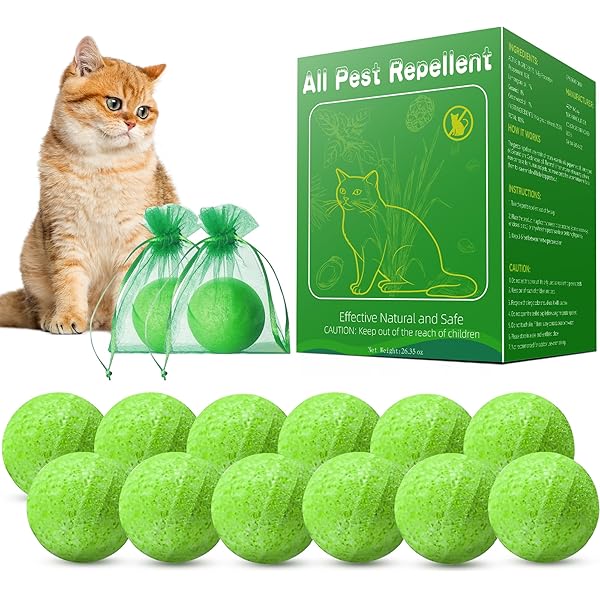
Credit: www.amazon.com
Health Risks Of Moth Balls To Cats
Moth balls might seem like a simple solution to keep your cat away from certain areas. However, their health risks to cats are serious and often overlooked. Understanding these dangers can help you protect your furry friend from unintended harm.
Toxicity Symptoms In Cats
Moth balls contain chemicals like naphthalene or paradichlorobenzene, which are poisonous to cats. If your cat sniffs, licks, or eats moth balls, they may show symptoms such as:
- Vomiting and drooling
- Difficulty breathing or coughing
- Weakness and lethargy
- Loss of appetite
- Seizures in severe cases
Have you noticed your cat acting unusually after being near moth balls? Immediate veterinary care is crucial to prevent serious damage.
Long-term Effects Of Exposure
Even small, repeated exposure to moth ball chemicals can cause lasting harm. These toxins may damage your cat’s liver and kidneys over time, leading to chronic health issues. Behavioral changes like increased anxiety or irritability might also appear.
Think about whether using moth balls is worth risking your cat’s health. Are there safer alternatives you can try instead?
Safer Alternatives To Moth Balls
Moth balls may seem like a quick fix to keep cats away, but they come with serious health risks for your furry friends. Luckily, there are safer options that protect your space without putting your cat in danger. These alternatives focus on natural deterrents and positive behavior changes, helping you create a cat-friendly environment that respects their well-being.
Natural Cat Repellents
Many plants and scents cats dislike can help keep them away safely. Citrus peels, rosemary, lavender, and rue are known to repel cats naturally. You can scatter these around your garden or near entry points to discourage visits without harsh chemicals.
Essential oils like citronella or eucalyptus also work well but use them carefully. A few drops on cotton balls placed strategically can keep cats at bay. Just avoid direct contact with your pets, as some oils can irritate their skin.
Have you tried vinegar spray? A mixture of water and vinegar sprayed around areas cats frequent can be surprisingly effective. It’s cheap, easy to make, and safe for both your pets and the environment.
Behavioral Training Methods
Training your cat to stay away from certain areas is not only safe but also strengthens your bond. Use positive reinforcement by rewarding your cat when it avoids forbidden zones. Treats, praise, or playtime can motivate them to learn quickly.
Another tactic is to make unwanted areas unpleasant without causing harm. Motion-activated devices that emit a harmless puff of air or sound can startle cats and teach them to steer clear. This approach respects their nature while setting clear boundaries.
Consider providing enticing alternatives like scratching posts or cozy beds away from restricted zones. Sometimes, cats explore because they seek comfort or stimulation. Giving them better options reduces the urge to invade your space.
Legal And Safety Considerations
Moth balls are common in many homes, but using them around cats raises legal and safety questions. Understanding these aspects helps protect pets and comply with the law.
Regulations On Moth Ball Use
Moth balls contain chemicals regulated by law. These chemicals can be harmful to humans and animals if misused. Many countries restrict moth ball use to enclosed spaces only. Some laws require clear labeling and warnings on packaging. Selling moth balls for outdoor pest control is illegal in several areas. Ignoring these rules can lead to fines or penalties. Always check local regulations before using moth balls near pets.
Safe Handling Around Pets
Moth balls are toxic to cats and other animals. Ingesting or inhaling moth ball fumes can cause serious health problems. Keep moth balls out of cats’ reach at all times. Store them in sealed containers in well-ventilated areas. Avoid placing moth balls where cats can touch or smell them. If you use moth balls, monitor pets closely for signs of poisoning. Contact a vet immediately if your cat shows unusual behavior or illness.
Frequently Asked Questions
Do Mothballs Effectively Repel Cats?
Mothballs contain chemicals that emit strong odors, which can deter cats. However, they are not a guaranteed or safe cat repellent. Cats may avoid the smell, but mothballs pose health risks to pets and humans, so safer alternatives are recommended.
Are Mothballs Safe To Use Around Cats?
No, mothballs are toxic to cats. Ingesting or inhaling mothball chemicals can cause serious health issues, including poisoning. It is important to avoid using mothballs in areas accessible to cats to prevent accidental exposure or harm.
What Are Safer Alternatives To Mothballs For Cats?
Natural repellents like citrus peels, vinegar, or commercial pet-safe sprays are safer options. Ultrasonic cat repellents or planting cat-repellent herbs also work well. These methods avoid toxic risks while effectively keeping cats away from unwanted areas.
Why Do Cats Dislike The Smell Of Mothballs?
Cats have a highly sensitive sense of smell. The strong, pungent odor of mothballs irritates their noses, causing them to avoid treated areas. However, this smell is harmful and not a humane deterrent method.
Conclusion
Moth balls may keep cats away for a short time. Their strong smell can bother cats, but it is not safe. Cats might get sick if they touch or eat moth balls. There are better ways to keep cats away from places.
Try using safe sprays or natural barriers instead. Always think about your pet’s health first. Protect your home and your cats with safe methods. Stay informed and choose wisely for your furry friends.
