

Have you ever wondered exactly when your cat will stop growing? Whether you’ve just welcomed a kitten into your home or you’re curious about your furry friend’s size, understanding their growth timeline can help you care for them better.
Knowing when your cat reaches full size affects everything from diet to playtime. Keep reading to discover the key signs and stages of your cat’s growth, so you can support their health and happiness every step of the way.
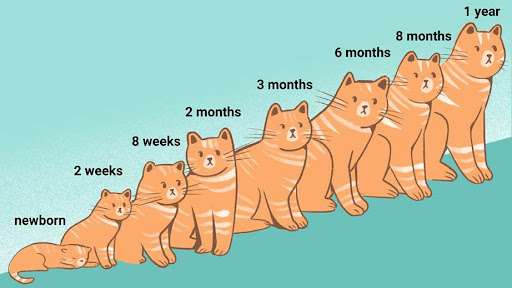
Credit: petsfoodhub.com
Cat Growth Stages
Cats usually stop growing between 9 and 12 months old, but some may grow until they are 18 months. Growth speed varies by breed and diet. Most cats reach full size within their first year.
Understanding the stages of a cat’s growth can provide valuable insights into their development and health. Cats, much like humans, experience several phases of growth, each marked by distinct changes in size, behavior, and needs. By recognizing these stages, you can better cater to your feline friend’s evolving requirements and ensure they thrive at every life stage.Kitten Phase
In the kitten phase, your tiny furball undergoes rapid growth. During the first six months, expect your kitten to double or even triple in size. It’s a period of boundless energy and curiosity. Ensure they have a high-protein diet to support their accelerated growth. Engaging in play with them can also help develop their motor skills.Adolescent Phase
The adolescent phase is akin to the teenage years for humans. This stage typically spans from six months to two years. Cats may still grow in size, albeit at a slower pace. You might notice behavioral changes as they test boundaries and assert independence. It’s crucial to maintain consistent training and socialization during this time.Adult Size
When your cat reaches around two years of age, they’ve likely achieved their adult size. While they might fill out a bit more, significant growth usually halts. This stage marks a more settled demeanor, and their nutritional needs will shift to maintenance rather than growth. Regular veterinary check-ups can help monitor their health and weight. Have you noticed any unexpected quirks or behaviors as your cat grew? Understanding these stages not only helps in managing your cat’s physical health but also strengthens your bond with them.
Credit: www.adoptapet.com
Factors Influencing Growth
Cats grow at different speeds and stop growing at varied ages. Several factors influence how big a cat becomes and when it stops growing. These factors include the breed, the food they eat, and their overall health. Understanding these can help you care better for your cat during its growth period.
Breed Differences
Different cat breeds grow at different rates. Small breeds, like Siamese cats, usually stop growing around 9 to 12 months. Larger breeds, such as Maine Coons, can keep growing up to 3 or 4 years old. Breed size affects bone length and muscle development. Genetics also play a big role in growth speed and final size.
Nutrition Impact
Good nutrition is vital for healthy growth. Cats need a balanced diet rich in proteins, vitamins, and minerals. Poor nutrition can slow growth or cause health problems. Kittens require more calories and nutrients than adult cats. Feeding the right food supports strong bones and muscles. Always provide fresh water and quality food for optimal growth.
Health Conditions
Health problems can affect a cat’s growth. Illnesses or parasites may stunt growth if untreated. Hormonal imbalances like thyroid issues also impact size. Regular vet check-ups help detect problems early. Vaccinations and parasite control keep cats healthy. Healthy cats grow steadily and reach their full size on time.
Physical Changes During Growth
Understanding the physical changes your cat goes through during growth helps you care for them better. These changes aren’t just about size; they affect their health and behavior too. Watching your kitten grow into an adult cat is fascinating, especially when you notice how their body transforms over time.
Weight Gain Patterns
Kittens gain weight rapidly in their first few months. You might see your furry friend double or even triple their birth weight by the time they are 3 months old. After this phase, weight gain slows down but continues steadily until they reach full size, usually around 12 months.
Have you ever noticed how some cats seem to bulk up suddenly? That’s often a sign they’re entering a new growth phase. Monitoring their weight regularly helps you spot any unexpected changes that could signal health issues.
Bone Development
Bone growth is a crucial part of your cat’s physical changes. Their skeleton lengthens and strengthens, especially during the first 6 to 12 months. The growth plates in their bones gradually close as they mature, marking the end of bone growth.
Keeping your cat active supports healthy bone development. Simple activities like gentle play or climbing can make a big difference. Have you checked if your cat’s joints are moving smoothly as they grow?
Muscle Growth
Along with bones, muscles develop to support your cat’s increasing size and activity level. Muscle mass builds up steadily with age and exercise, helping your cat become strong and agile. Without enough movement, muscle growth can lag, affecting overall health.
Encouraging playtime isn’t just fun; it’s essential for muscle development. Think about toys or games that get your cat jumping and stretching. What types of activities does your cat enjoy that help keep their muscles toned?
Signs Growth Is Slowing
Noticing when your cat’s growth is slowing can help you understand their health and development better. Cats don’t just suddenly stop growing overnight. Instead, there are clear signs that indicate their growth phase is winding down.
Behavioral Changes
As your cat’s growth slows, you might see shifts in their energy levels. Kittens tend to be hyperactive, constantly exploring and playing, but older cats usually become calmer and more reserved.
You may notice your cat spending more time resting or grooming instead of chasing toys. This change isn’t just about age; it reflects their body focusing energy elsewhere, like maintaining health instead of rapid growth.
Have you seen your kitten suddenly lose interest in climbing or jumping as much? That’s a good hint growth is tapering off and they’re settling into adult habits.
Appearance Changes
Physical signs are often the easiest to spot. When growth slows, your cat’s body proportions begin to even out. Their legs, tail, and head stop looking oversized compared to their torso.
You might also notice their fur changing texture and thickness. Kittens often have softer, fluffier fur, while adult cats develop a sleeker coat.
Another subtle clue is the settling of their facial features. The round, wide-eyed look of a kitten gradually becomes more defined and mature over time.
Growth Variations In Cats
Growth in cats doesn’t follow a one-size-fits-all pattern. Various factors influence how and when your feline friend reaches full size. Understanding these differences can help you better care for your cat and recognize what’s normal for their specific lifestyle and biology.
Indoor Vs Outdoor Cats
Indoor cats often grow at a steady pace because their environment is controlled and they have consistent access to food. Outdoor cats, however, might experience growth spurts or slowdowns depending on the availability of resources and physical activity.
Your outdoor cat may develop stronger muscles and a leaner body due to more exercise. But they might also face nutritional challenges that could stunt growth temporarily. Have you noticed your indoor cat looking plumper or less muscular than outdoor cats? That’s a common difference linked to activity levels and diet.
Male Vs Female Growth
Male cats generally grow larger and for a longer period than females. They often continue growing until around 18 months to 2 years old, while females usually stop closer to 12-18 months.
This difference isn’t just about size. Male cats tend to develop broader heads and thicker necks, which can be quite noticeable. If you have both a male and female kitten, watch how their growth patterns vary—it’s a natural part of their development.
When To Consult A Vet
Knowing when to consult a vet about your cat’s growth can save you from unexpected health issues. Growth patterns vary, but some changes may signal the need for professional advice. Paying close attention to your cat’s development helps you act before minor issues turn serious.
Delayed Growth Warning Signs
If your cat seems smaller or less active than others their age, it might be a sign of delayed growth. Watch for persistent lethargy, poor appetite, or failure to reach typical size milestones. These signs could indicate nutritional deficiencies, infections, or underlying health problems.
Have you noticed your kitten staying tiny while playmates grow bigger? This could mean a visit to the vet is necessary to check for conditions like parasites or hormonal imbalances. Early detection can prevent long-term complications and help your cat thrive.
Rapid Weight Changes
Sudden weight gain or loss is a red flag that shouldn’t be ignored. Rapid weight loss can point to illnesses such as diabetes or kidney disease, while quick weight gain might indicate thyroid problems or fluid retention. Regularly weighing your cat and noting changes can alert you to these issues.
Think about your cat’s usual weight—is it steady, or does it fluctuate without clear reasons? If your pet’s weight changes drastically within weeks, scheduling a vet appointment is wise. Vets can perform tests to identify the cause and recommend suitable treatment, keeping your cat healthy and comfortable.
Tips For Supporting Healthy Growth
Supporting your cat’s healthy growth is more than just feeding them and watching them play. It’s about making choices that nurture their body and mind during those crucial growing months. How can you give your feline friend the best start in life? Let’s look at some practical tips that make a real difference.
Balanced Diet Choices
Your cat’s diet is the foundation of their growth. Kittens need food rich in proteins, fats, and essential vitamins to build strong muscles and bones. Look for high-quality commercial kitten food labeled complete and balanced by pet nutrition experts.
Don’t guess the portions. Overfeeding can lead to obesity, while underfeeding slows growth. Try feeding smaller meals multiple times a day to keep their energy steady. Have you checked if your cat’s food contains taurine? It’s an essential amino acid that supports heart and eye health.
Regular Vet Checkups
Vet visits aren’t just for vaccinations—they’re vital for tracking your cat’s growth progress. A vet can spot growth issues early, like nutritional deficiencies or parasites, which you might miss at home. I once noticed my kitten gaining weight too quickly; the vet helped adjust his diet to keep him healthy.
Ask your vet about growth milestones and get personalized advice. Regular checkups allow you to address concerns before they become serious. Are you sure your cat’s development is on track? A professional’s insight can give you peace of mind.
Safe Environment
Your cat’s environment affects their growth just as much as food and healthcare. Stress or injury can stunt development. Keep your home safe from hazards like toxic plants, sharp objects, or open windows where they might fall.
Provide plenty of stimulation—climbing trees, toys, and interaction keep them active and strong. Remember, a bored cat might develop unhealthy habits or miss out on essential exercise. What changes can you make today to create a safer, more engaging space for your growing cat?

Credit: medicanimal.com
Frequently Asked Questions
When Do Most Cats Reach Full Size?
Most cats reach their full size between 12 to 18 months. Larger breeds may take up to 2 years. Growth rates vary by breed and nutrition. Understanding this helps in proper care during their development phase.
How Long Do Kittens Keep Growing?
Kittens grow rapidly during their first six months. After six months, growth slows but continues until about 12 to 18 months. Proper diet and health care support healthy growth during this period.
Do Indoor Cats Grow Differently Than Outdoor Cats?
Indoor cats often grow at a steady rate due to regular food and less stress. Outdoor cats may have varied growth due to activity levels and environmental factors. Both need balanced nutrition for healthy development.
Can A Cat’s Breed Affect Growth Duration?
Yes, breed significantly affects growth duration and size. Large breeds like Maine Coons grow for up to 3-4 years. Smaller breeds mature faster, usually by 12 to 18 months. Breed knowledge aids in managing expectations.
Conclusion
Cats usually stop growing between one and two years old. Their size depends on breed and health. Small cats finish growing sooner than big breeds. Growth slows down after six months but continues slowly. Watching your cat’s growth helps spot health issues early.
Give your cat good food and care during growth. Enjoy each stage; every cat grows at its own pace. Understanding growth helps you care better for your furry friend. Keep learning and observing your cat’s changes with love.
