

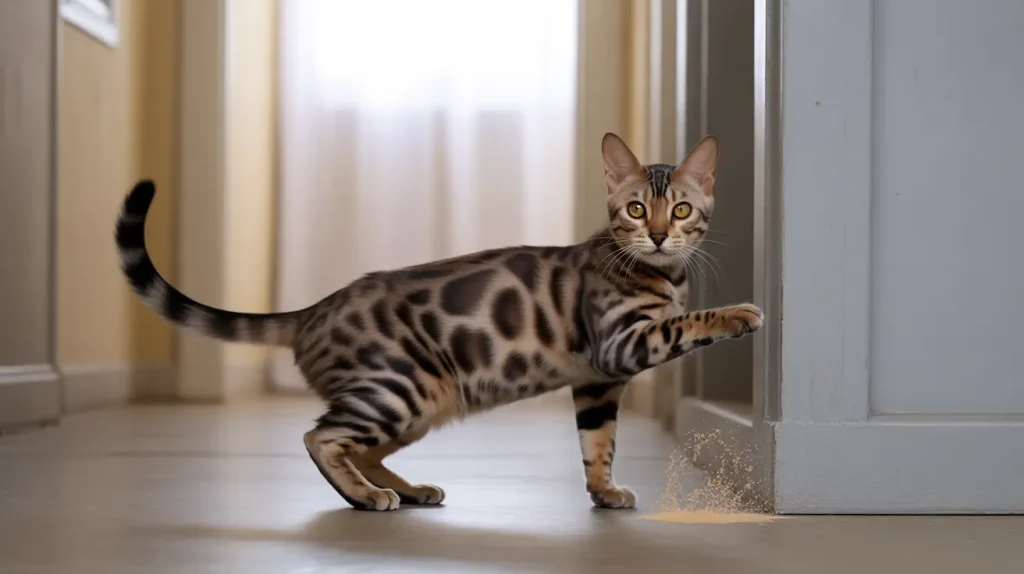
Are you noticing a strange smell or mysterious marks around your home and wondering if your male cat is the cause? Understanding when male cats start spraying can help you tackle this behavior before it becomes a bigger problem.
If you want to keep your home fresh and your furry friend happy, knowing the signs and timing is key. Keep reading to discover exactly when your male cat might begin spraying and what you can do to stop it.

Credit: www.purina.com
Male Cat Spraying Timeline
Understanding the spraying timeline of male cats is crucial for cat owners. Spraying is a natural behavior, yet it can cause issues at home. Recognizing the signs helps in managing this behavior effectively. Let’s explore the timeline of when male cats start spraying.
Age When Spraying Begins
Male cats usually start spraying at six months old. This is the age when they reach sexual maturity. Some cats might begin spraying a bit earlier or later. Monitoring their behavior closely during this time is essential. Early intervention can prevent long-term spraying habits.
Influence Of Neutering
Neutering plays a significant role in reducing spraying behaviors. Neutered male cats are less likely to spray. The procedure lowers hormone levels that trigger spraying. Ideally, neutering should occur before the cat reaches sexual maturity. This timing often leads to the best outcomes in preventing spraying.
Behavioral Triggers
Several factors can trigger spraying in male cats. Stress or changes in their environment can lead to spraying. New pets or family members may cause anxiety, leading to this behavior. Territorial instincts also influence spraying. Cats spray to mark their territory, especially when they feel threatened.
Recognizing Spraying Behavior
Recognizing spraying behavior in male cats helps prevent unwanted messes. Spraying is a natural action linked to communication and territory. Noticing signs early can guide proper care and training. Understanding the difference between spraying and other behaviors is crucial.
Difference Between Spraying And Marking
Spraying is a small amount of urine released on vertical surfaces. It usually happens when a cat feels threatened or wants to mark territory. Marking can include rubbing the face or body on objects. Marking leaves scent from glands, not urine. Spraying is more about territory and stress. Marking is more about comfort and presence.
Common Signs Of Spraying
- Small, concentrated spots of urine on walls or furniture.
- Cat stands with tail raised and quivers while spraying.
- Strong, pungent smell near sprayed areas.
- Spraying often occurs on new or unfamiliar objects.
- Repeated spraying in the same spot over days.
Areas Cats Prefer To Spray
- Door frames and corners of rooms.
- Near windows and outside-facing walls.
- Close to other pets’ belongings or litter boxes.
- On furniture legs or cushions.
- High vertical surfaces, where urine can easily mark territory.
Reasons Behind Spraying
Male cats spray for several important reasons. This behavior is their way to communicate with other cats. Understanding why they spray helps manage and prevent it. Some causes are natural instincts, while others relate to stress or mating urges.
Territorial Instincts
Spraying marks territory. Male cats use strong-smelling urine to claim their space. It warns other cats to stay away. This is common in unneutered males. They feel the need to protect their area from rivals.
Stress And Anxiety
Stress can cause spraying. Changes in environment or routine upset cats. New pets, visitors, or loud noises can trigger anxiety. Spraying helps them feel more secure. It acts as a calming signal in a confusing world.
Mating Behaviors
Unneutered males spray to attract females. The scent tells females they are ready to mate. It also warns other males to keep distance. This behavior peaks during breeding season. Neutering often reduces or stops spraying.

Credit: www.whiskas.com.ph
Preventing And Managing Spraying
Spraying can be a frustrating behavior for cat owners, but understanding how to prevent and manage it makes a big difference. Taking steps early can save you from dealing with persistent odors and marks on your walls or furniture. You hold the key to creating a calm environment where your male cat feels secure and less likely to spray.
Benefits Of Early Neutering
Neutering your male cat before he reaches sexual maturity often reduces or stops spraying altogether. It lowers hormone levels that trigger territorial marking. I’ve seen cats neutered at around 5 months old show almost no interest in spraying, even in multi-cat households.
Besides behavior, neutering can improve your cat’s overall health and reduce the risk of certain diseases. Have you noticed how much calmer a neutered cat tends to be? This calmness also means fewer conflicts and less stress for both you and your pet.
Environmental Adjustments
Creating a comfortable and secure space helps your cat feel less need to mark territory. Try to provide multiple litter boxes in quiet, accessible areas—especially if you have more than one cat. Cleaning up any previous spray spots thoroughly is essential since cats return to familiar scents.
Consider adding vertical spaces like cat trees or shelves, so your cat can observe their territory from a safe height. Sometimes, simple changes such as reducing loud noises or sudden household changes can lower your cat’s anxiety and spraying urges. What small change could you make today to reduce your cat’s stress?
Use Of Deterrents And Pheromones
Deterrents like citrus sprays or aluminum foil patches on problem spots can discourage your cat from spraying there again. These are safe and non-toxic ways to protect your home without causing harm. I’ve found that combining deterrents with pheromone diffusers creates a peaceful environment that supports behavioral change.
Pheromone products mimic natural cat scents that signal safety and calmness. Plug-in diffusers or sprays can reduce anxiety and territorial behavior. Do you think your cat might respond well to these calming signals?
When To Seek Veterinary Help
Male cats start spraying for many reasons. Sometimes, it is normal behavior. Other times, it signals a problem. Knowing when to seek veterinary help keeps your cat healthy. It helps stop unwanted spraying early. Watch your cat’s habits and health closely. Look for changes in behavior or signs of illness. A vet can find the cause and suggest the best treatment.
Health Issues Linked To Spraying
Spraying can signal health problems in male cats. Urinary tract infections cause pain and urgency. Kidney issues may also make cats spray more. Bladder stones can create discomfort and frequent urination. These problems need quick veterinary care. Ignoring symptoms can make health worse. A vet will run tests to find the cause. Early treatment helps your cat feel better fast.
Behavioral Consultations
Sometimes spraying is a behavior issue, not illness. Stress and anxiety often trigger spraying. New pets, moves, or changes can upset cats. A vet or behaviorist can help. They teach ways to reduce stress safely. Behavior consultations offer solutions beyond medicine. Training and environment changes help stop spraying. Professional advice improves your cat’s quality of life.

Credit: pethelpful.com
Frequently Asked Questions
When Do Male Cats Typically Start Spraying?
Male cats usually start spraying around 5 to 6 months old, coinciding with puberty. This behavior marks their territory and is more common in unneutered males.
Why Do Male Cats Spray Urine Indoors?
Male cats spray indoors to mark territory and communicate dominance. Stress, new pets, or changes at home can also trigger spraying behavior.
Can Neutering Stop Male Cats From Spraying?
Yes, neutering significantly reduces or stops spraying in most male cats. It lowers hormone levels responsible for territorial marking behavior.
How Can I Prevent My Male Cat From Spraying?
To prevent spraying, neuter your cat early, keep a clean litter box, reduce stress, and provide plenty of play and attention.
Conclusion
Male cats usually start spraying around 5 to 6 months old. This behavior helps them mark their space and show others they are nearby. Not all male cats spray, especially if neutered early. You can reduce spraying by keeping your cat indoors and cleaning marked areas well.
Understanding why and when spraying starts helps you handle it calmly. Watch your cat’s behavior closely to act fast. Remember, patience and care make a big difference in stopping spraying habits.
