

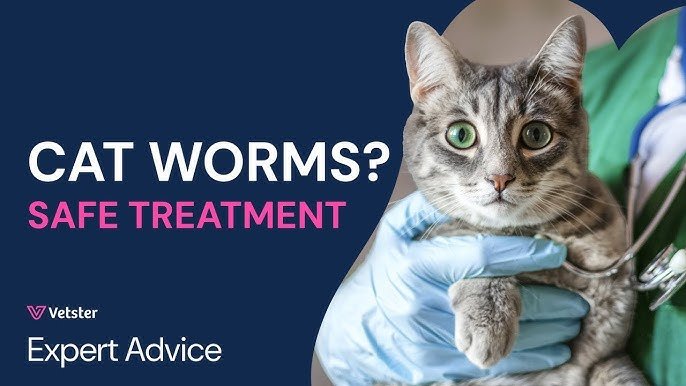
If you’ve just found out that your cat has worms, it’s natural to feel worried and unsure about what to do next. Worms can cause discomfort and health problems for your furry friend, but the good news is that you can take simple steps to help your cat feel better fast.
You’ll discover clear, easy-to-follow advice on how to treat your cat’s worms, keep them from coming back, and protect your whole family. Keep reading—you’re just a few steps away from making your cat healthy and happy again.
Spotting Worms In Cats
Spotting worms in cats requires quick action to protect their health. Visit a vet for proper diagnosis and treatment. Keep your cat’s environment clean to prevent reinfection.
Spotting worms in cats can be a troubling experience for pet owners. Worms are common parasites that affect many cats. Recognizing the signs early is crucial for your cat’s health.Common Signs And Symptoms
Cats with worms often show noticeable symptoms. Look for these signs:- Vomiting or diarrhea
- Weight loss despite a good appetite
- Bloated or swollen stomach
- Weakness or lethargy
- Visible worms or eggs in stool
Types Of Cat Worms
Several worm types can infect cats. Common ones include:- Roundworms:Long, spaghetti-like worms often found in kittens.
- Tapeworms:Flat, segmented worms that may appear like rice grains.
- Hookworms:Small, thin worms that attach to the intestinal wall.
How Cats Get Infected
Cats can get worms in various ways. They often ingest eggs or larvae.- Eating infected rodents or birds
- Fleas carrying tapeworm larvae
- Contact with contaminated soil or feces

Credit: www.outdoorbengal.com
Immediate Actions To Take
Discovering that your cat has worms can be unsettling. Taking immediate action helps prevent the problem from worsening and stops the parasites from spreading. Here are key steps to manage the situation effectively right away.
Isolating Your Cat
Keep your infected cat separated from other pets in your home. This limits the risk of the worms spreading through direct contact or shared litter boxes. Choose a quiet, comfortable room where your cat can rest and recover without stress.
During isolation, monitor your cat closely for any changes in behavior or symptoms. This helps you provide timely updates to your vet and ensures your cat is not suffering unnecessarily. Remember, isolation doesn’t mean neglect—spend quality time with your cat to keep them calm.
Cleaning Your Cat’s Environment
Worm eggs can linger in your cat’s environment, making cleaning crucial. Wash bedding, toys, and any fabrics your cat frequently uses in hot water. Regularly vacuum carpets and floors to remove any eggs or larvae that might be hiding.
Disinfect litter boxes daily and replace litter completely at least once a week during treatment. This reduces the chance of reinfection and protects everyone in your household. Have you noticed how quickly your cat’s surroundings can become a breeding ground for parasites?
Avoiding Spread To Other Pets
If you have multiple pets, take steps to protect them from catching worms. Avoid sharing food bowls, bedding, and toys between your infected cat and others. Wash your hands thoroughly after handling the sick cat or cleaning their litter box.
Consider scheduling health checks for your other pets to catch any early signs of infestation. Protecting your furry family members is essential to stopping a worm outbreak before it starts. Are you prepared to safeguard all your pets with simple daily habits?
Effective Treatment Options
Effective treatment options for worms in cats focus on eliminating the parasites quickly and safely. Choosing the right treatment depends on the type of worm and the cat’s health condition. Treatments aim to remove worms and prevent reinfection. Regular check-ups help monitor progress and keep your cat healthy.
Over-the-counter Remedies
These products can treat common worms like roundworms and tapeworms. They are easy to find in pet stores or online. Always follow the instructions on the package carefully. Some cats may need a second dose after a few weeks. Over-the-counter remedies are usually affordable and convenient.
Prescription Medications
Veterinarians prescribe stronger medicines for severe or resistant worm infections. These medications target specific types of worms with higher effectiveness. Prescription drugs require a vet’s diagnosis and dosage instructions. They may come as tablets, liquids, or injections. Prescription treatments often offer faster relief and longer protection.
Natural Alternatives
Some pet owners prefer natural options to support worm removal. Ingredients like pumpkin seeds, diatomaceous earth, and certain herbs may help. These alternatives should not replace vet-prescribed treatments. Natural methods work best as complementary care. Always check with your vet before trying natural remedies.

Credit: www.perfect-fit.co.uk
When To Visit The Vet
Knowing when to visit the vet is crucial if your cat has worms. Early professional care can prevent complications and ease your cat’s discomfort. Some signs mean immediate veterinary attention is necessary. Others may require a check-up for proper diagnosis and treatment.
Signs Of Severe Infection
- Persistent vomiting or diarrhea
- Visible worms in stool or around the anus
- Weight loss despite normal eating
- Loss of appetite or lethargy
- Bloated or painful abdomen
- Coughing or difficulty breathing
These symptoms suggest a heavy worm load or internal damage. Prompt vet care is essential to avoid serious health risks.
Veterinary Diagnosis Methods
The vet uses stool tests to identify worm types. Blood tests check for anemia or infections. Physical exams assess the cat’s overall health and detect any swelling or pain. In some cases, X-rays or ultrasounds reveal internal damage caused by worms.
Follow-up Care
Follow-up visits confirm worm treatment success. The vet may recommend repeated stool tests after treatment. Monitor your cat’s behavior and health closely. Report any new or worsening symptoms immediately. Proper follow-up ensures your cat fully recovers and stays healthy.
Preventing Future Worm Infections
Stopping worms from returning is just as important as treating your cat when they first appear. You want to protect your furry friend and keep your home safe. Simple actions taken regularly can make a big difference in preventing future worm infections.
Routine Deworming Schedule
Set up a regular deworming plan with your vet. They can recommend the best medication and timing based on your cat’s age, lifestyle, and health. Many cats benefit from deworming every three months, but your vet might suggest a different schedule.
Keep a calendar or reminder on your phone to stay consistent. Missing treatments can leave your cat vulnerable to reinfection. Think about how easy it is to forget a dose—setting reminders helps you stay on top of their health.
Maintaining A Clean Living Space
Worm eggs often lurk in your cat’s environment. Clean your cat’s bedding, litter box, and favorite spots regularly to reduce the risk. Use hot water and pet-safe disinfectants to kill any lingering eggs or larvae.
Don’t overlook outdoor areas your cat visits, especially if they hunt or roam freely. Regularly removing feces from your yard or garden lowers the chance of worms spreading. How often do you clean your cat’s spaces? Making it a weekly habit can protect everyone in the household.
Diet And Hygiene Tips
Feed your cat a balanced, high-quality diet to boost their immune system. Healthy cats are better at fighting off parasites naturally. Avoid raw or undercooked meats that might carry worm larvae.
Encourage good hygiene by washing your hands after handling your cat or cleaning their litter box. This simple step prevents worm eggs from transferring to you or other pets. Have you noticed how handwashing can reduce many health risks in your home?
Protecting Your Family
Protecting your family is the top priority when you find out your cat has worms. These parasites don’t just affect your pet—they can pose risks to everyone in your household. Understanding how worms impact human health and what daily habits to adopt can keep your loved ones safe.
Worms And Human Health Risks
Some types of cat worms, like roundworms and hookworms, can infect humans, especially children. These parasites can cause symptoms ranging from mild stomach upset to more serious conditions like organ damage.
Have you noticed unexplained fatigue or digestive issues in your family? It might be worth discussing with your doctor if you have a cat with worms.
Hygiene Practices For Pet Owners
Simple hygiene steps can dramatically reduce the risk of worm transmission. Always wash your hands thoroughly after handling your cat, their food, or anything in their environment.
Keep your cat’s bedding and play areas clean. Regularly disinfect surfaces where your cat spends time to stop worm eggs from spreading.
Safe Handling Of Cat Waste
Cat feces are a common source of worm eggs. Use gloves when cleaning the litter box and wash your hands immediately afterward.
Dispose of cat waste in sealed bags and place them in outdoor trash bins. Avoid letting your cat defecate in garden areas where children play.
Could changing your litter box routine protect your family’s health more than you thought?

Credit: www.veterinaryemergencygroup.com
Frequently Asked Questions
What Are Common Signs Of Worms In Cats?
Common signs include vomiting, diarrhea, weight loss, and a bloated belly. Cats may also scratch their anus or show changes in appetite. Early detection helps prevent serious health issues, so monitor your cat closely for these symptoms.
How Do Cats Get Worms?
Cats usually get worms by ingesting infected fleas, rodents, or contaminated soil. Kittens can also get worms from their mother’s milk. Regular deworming and flea control are essential to prevent worm infestations in cats.
What Treatments Are Effective For Cat Worms?
Veterinarians typically prescribe deworming medications that target specific worm types. These treatments are safe and effective when used as directed. Always follow your vet’s instructions and complete the full course for best results.
Can Worms In Cats Be Prevented?
Yes, regular flea control, proper hygiene, and routine veterinary check-ups help prevent worms. Avoid letting cats hunt rodents or eat raw meat. Preventive medications also reduce the risk of infestation significantly.
Conclusion
Worms can make your cat feel very sick. Treating them quickly helps your cat stay healthy. Visit the vet to get the right medicine. Keep your cat’s living area clean and safe. Watch for signs like weight loss or a dull coat.
Regular check-ups help catch worms early. Taking care of your cat shows how much you love them. Stay calm and act fast for your cat’s well-being. Prevention is the best way to protect your furry friend.
