

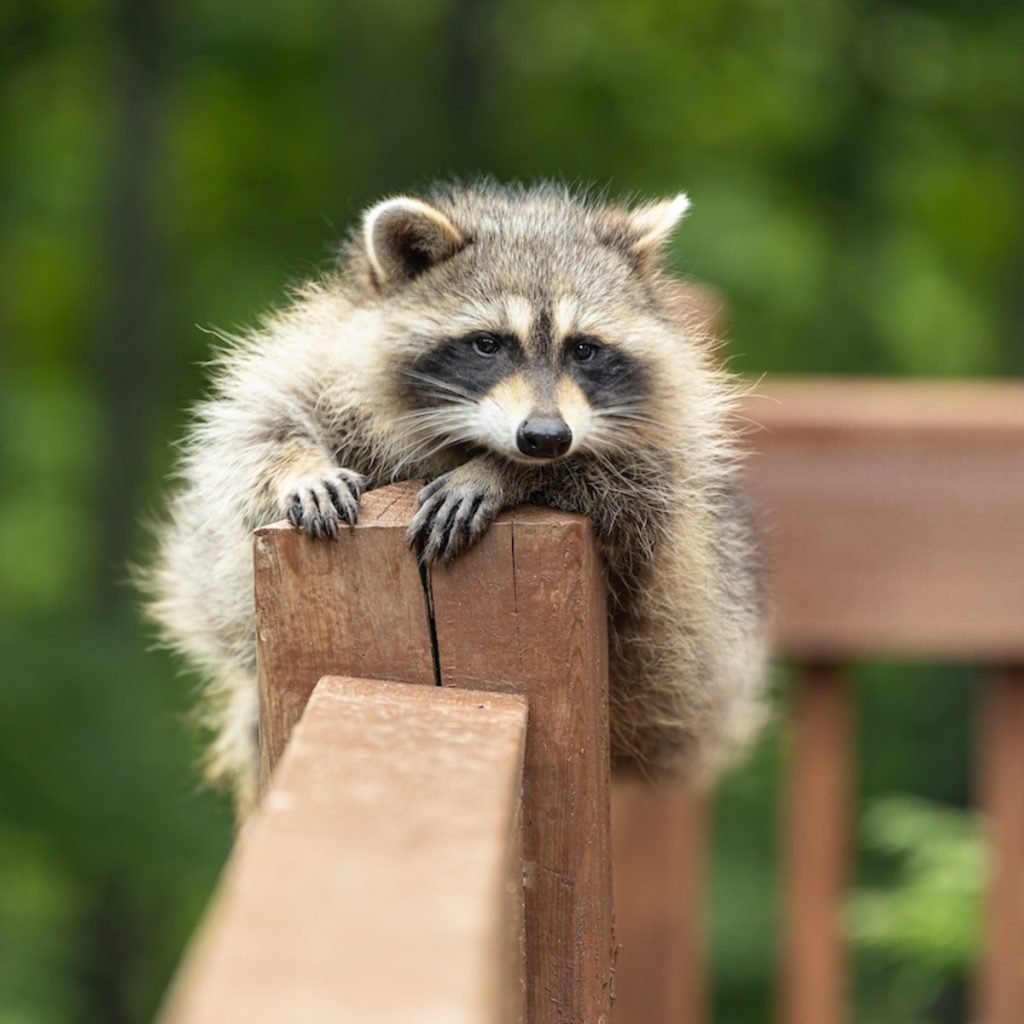
Have you ever wondered if your cat could take on a raccoon? It’s a surprising question, but one that sparks curiosity about what cats really eat and how they behave around wild animals.
You might be asking yourself, “Could my feline friend actually hunt or eat a raccoon? ” Understanding this can help you keep your pet safe and aware of the wildlife around your home. Keep reading to discover the truth behind cats and raccoons—and what you need to know to protect your furry companion.

Credit: www.reddit.com
Cats And Raccoons: Natural Behaviors
Cats rarely hunt raccoons due to size differences and natural instincts. Usually, cats avoid raccoons and keep their distance. Raccoons act mostly at night, while cats prefer different hunting times.
Cats and raccoons, two of nature’s intriguing creatures, often share habitats, leading to fascinating interactions. While they may seem worlds apart, their natural behaviors occasionally intersect in surprising ways. Understanding these behaviors can shed light on whether cats might eat raccoons or if these animals coexist peacefully.Typical Diet Of Domestic Cats
Domestic cats are obligate carnivores, which means they rely heavily on meat for their nutritional needs. Your feline friend at home likely enjoys a diet of commercial cat food supplemented with the occasional hunt of small prey like mice or birds. They are not naturally inclined to hunt animals as large as raccoons, focusing instead on smaller, more manageable creatures.Raccoon Habits And Diet
Raccoons are opportunistic feeders with a diverse diet, including fruits, nuts, insects, and small animals. They are known for their intelligence and adaptability, often rummaging through garbage or foraging for food in urban settings. Unlike cats, raccoons don’t rely solely on meat, which makes their dietary habits quite flexible.Territorial Overlaps
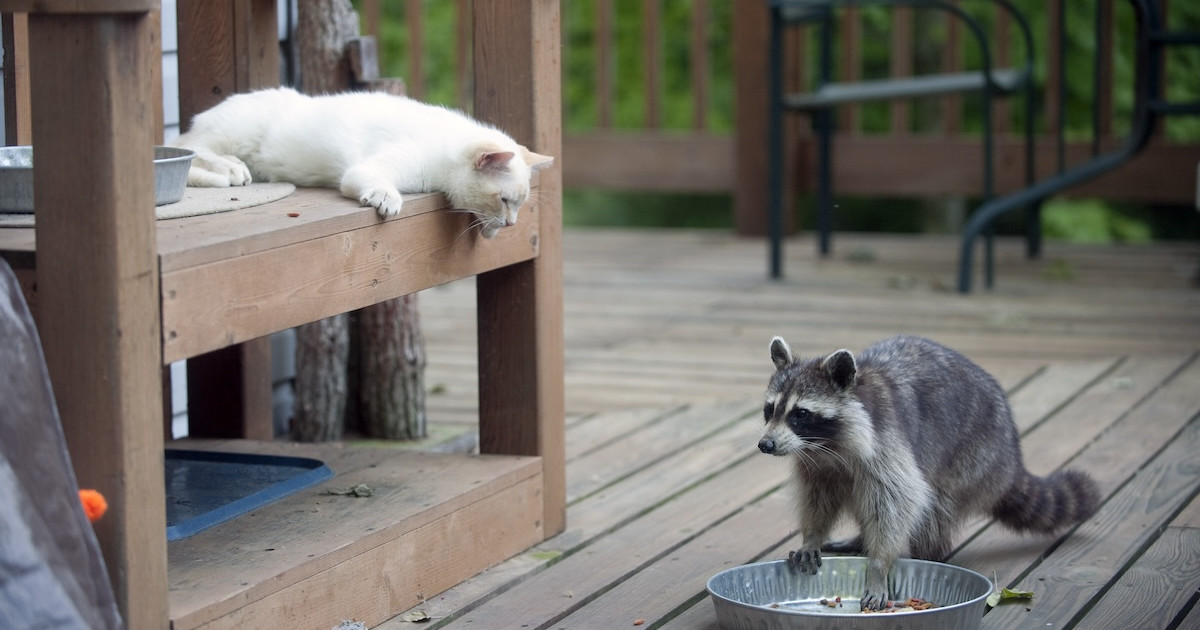
When it comes to territory, both cats and raccoons can be quite territorial. However, their paths often cross, especially in suburban areas where both animals may visit backyards or gardens. This overlap can lead to encounters, but it’s not typically aggressive, as both animals tend to avoid direct confrontations. Have you ever noticed your cat staring intently at a raccoon from a distance? It’s a common behavior, driven by curiosity rather than aggression. While some might worry about conflicts, these creatures often find a way to share their spaces peacefully. Understanding their unique behaviors helps paint a clearer picture of their interactions. What other surprising encounters have you observed between cats and raccoons?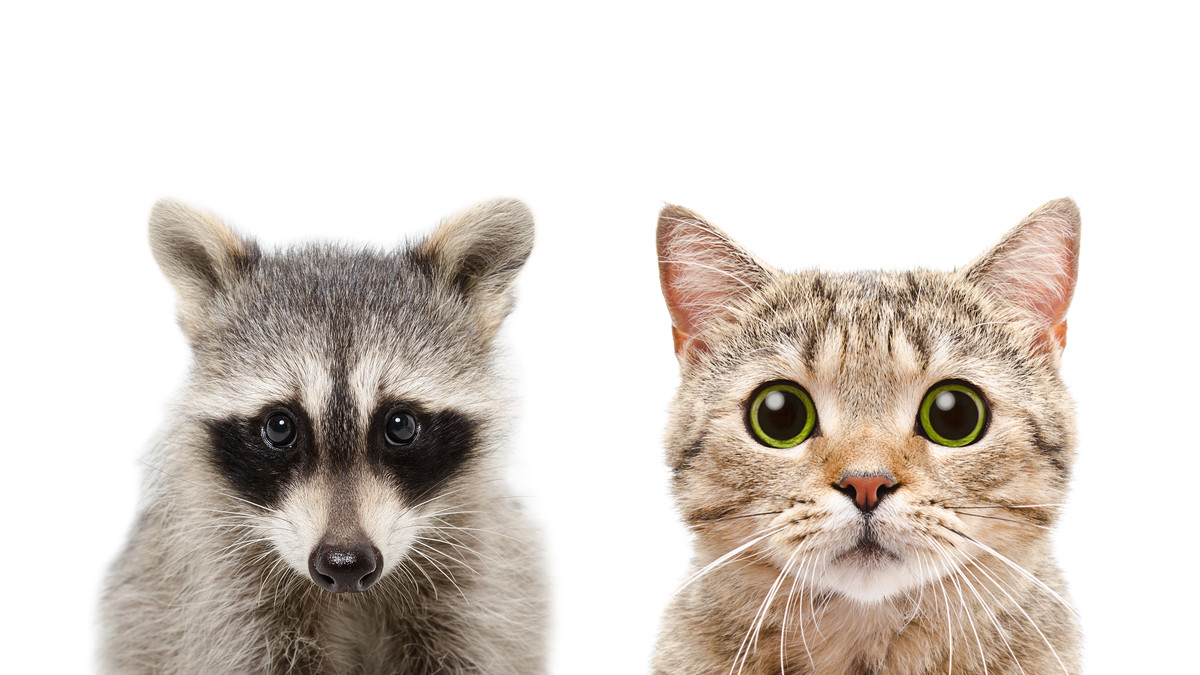
Credit: paradepets.com
Can Cats Hunt Raccoons?
Can cats hunt raccoons? This question might surprise you, but it’s worth exploring given how often these two animals cross paths in urban and rural areas. Understanding the dynamics between cats and raccoons reveals why such encounters are rare and what factors influence their interactions.
Physical Abilities Of Cats
Cats are agile predators with sharp claws and keen senses. Their quick reflexes help them catch small animals like birds and rodents with ease. However, their size and strength limit their ability to take on larger, more formidable opponents.
Your average house cat weighs between 8 to 10 pounds and relies on stealth and speed rather than brute force. Even feral cats, which can be more aggressive and skilled hunters, rarely challenge animals much bigger than themselves.
Raccoon Size And Defense
Raccoons are generally larger and more robust than domestic cats. Adult raccoons can weigh between 15 to 30 pounds, giving them a physical advantage. Their sharp teeth and strong paws make them capable defenders.
Raccoons also have thick fur and a tough hide, which provide some protection against attacks. They are known for their intelligence and can be surprisingly aggressive when threatened, often using their claws and teeth to defend themselves.
Rare Encounters In The Wild
It’s uncommon for cats to engage with raccoons directly. Most encounters end with the cat retreating or the raccoon ignoring the feline altogether. In urban areas, both species tend to avoid conflict and focus on scavenging food rather than fighting.
Have you ever noticed your cat’s behavior when a raccoon appears near your home? Many cats will hiss or arch their backs but rarely pursue the raccoon. This reaction highlights their natural caution around larger animals.
Instances Of Cats Eating Raccoons
Instances of cats eating raccoons are rare but fascinating. While cats are known hunters, raccoons are much larger and more aggressive. Still, there are unusual cases where cats have been observed attacking or consuming parts of raccoons, especially under specific conditions.
Predatory Behavior In Stray Cats
Stray cats often rely on their hunting skills to survive. They typically hunt small animals like birds or rodents, but in scarce environments, their prey choices can expand.
Some stray cats have been reported to attack young or injured raccoons. These cats use stealth and quick strikes to overpower raccoon kits rather than fully grown adults.
Could your neighborhood stray cat be more resourceful than you think when it comes to finding food?
Unusual Cases And Reports
There are documented incidents where cats have consumed raccoon meat. These cases often involve either scavenging on raccoon carcasses or attacking vulnerable young raccoons.
One surprising report described a feral cat defending its territory against a raccoon and managing to inflict fatal injuries. Such stories challenge the idea that cats only hunt small prey.
Have you ever witnessed a cat show unexpected hunting skills that caught you off guard?
Factors Leading To Such Behavior
Several factors can push cats to prey on raccoons. Limited food sources, territorial disputes, and desperation during harsh seasons can all play a role.
Young raccoons are more likely to be targeted due to their smaller size and less experience. Additionally, cats with strong predatory instincts are more prone to take risks.
When food is scarce, would your cat choose to broaden its diet, even to the point of tackling larger animals?
Risks For Cats Around Raccoons
Raccoons and cats often cross paths, especially in neighborhoods where both species roam freely. While raccoons are usually not a target for cats to hunt, interactions can lead to serious risks for your feline friend. Understanding these dangers is key to keeping your cat safe and healthy.
Potential Injuries And Conflicts
Raccoons are strong and can become aggressive if they feel threatened. A cat that tries to chase or corner a raccoon might end up with scratches, bites, or worse. These injuries can be painful and sometimes lead to infections.
Have you noticed your cat returning with new wounds after exploring outside? It could be from a raccoon encounter. Avoiding direct conflicts can prevent painful trips to the vet.
Disease Transmission
Raccoons carry several diseases that can infect cats. Rabies is one of the most dangerous, with fatal consequences if untreated. Additionally, raccoons can transmit parasites like roundworms and bacterial infections such as leptospirosis.
Think about your cat’s outdoor habits. Could your pet be at risk of catching something harmful from raccoon droppings or bites? Being aware helps you act fast if symptoms show.
Preventive Measures
- Keep your cat indoors, especially at night when raccoons are most active.
- Secure garbage bins and remove food sources that attract raccoons near your home.
- Check your yard for raccoon dens and block access to prevent them from settling close by.
- Regularly inspect your cat for injuries and schedule vet checkups to catch infections early.
Are you ready to make your yard safer for your cat? Small changes can keep raccoons at a distance and protect your pet from harm.
Protecting Pets And Wildlife
Protecting both your pets and local wildlife is key to maintaining a safe and balanced environment. Cats roaming freely can sometimes encounter raccoons, leading to conflicts that harm both animals. Understanding how to safeguard your cat while respecting wildlife habitats benefits everyone involved.
Safe Outdoor Practices
Letting your cat outside without supervision can increase risks of encounters with raccoons. To reduce danger, consider creating a secure outdoor space like a catio or fenced garden where your cat can enjoy fresh air safely.
Another useful tip is to remove food sources that attract raccoons near your home. Secure trash bins tightly and avoid leaving pet food outside overnight. These small steps help keep raccoons at bay and prevent unwanted meetings.
Keeping Cats Indoors
Keeping your cat indoors is the most reliable way to protect it from raccoon encounters and other outdoor threats. Indoor cats tend to live longer and face fewer injuries or illnesses caused by wildlife.
If you worry your cat might get bored inside, try adding interactive toys, climbing trees, or window perches. This keeps them mentally and physically stimulated without risking a dangerous outdoor adventure.
Coexistence Strategies
Living near wildlife means finding ways to coexist peacefully. You can install motion-activated lights or sprinklers to discourage raccoons from approaching your yard.
Think about planting dense shrubs or thorny bushes as natural barriers. These plants can deter raccoons without harming them and create a safer zone for your cat.
Have you noticed signs of raccoon activity around your home? Taking action early can prevent conflicts and protect both your pet and local wildlife from harm.
Credit: paradepets.com
Frequently Asked Questions
Do Cats Normally Hunt Raccoons?
Cats rarely hunt raccoons due to size differences. Raccoons are larger and more aggressive. Cats usually avoid confrontations with raccoons.
Can Domestic Cats Eat Raccoon Meat Safely?
Domestic cats can eat raccoon meat, but it’s not common. Raccoons may carry diseases harmful to cats. It’s best to avoid feeding raccoon meat to pets.
Why Would A Cat Attack A Raccoon?
Cats may attack raccoons to defend territory or themselves. Such encounters are usually defensive, not predatory. Cats prefer to avoid larger animals like raccoons.
Are Raccoons Dangerous To Cats?
Yes, raccoons can injure cats. They have sharp claws and teeth. Raccoons may also carry parasites and diseases affecting cats.
Conclusion
Cats rarely eat raccoons. These animals are very different in size and behavior. Cats usually hunt smaller prey like birds or mice. Raccoons can be dangerous for cats. It is better for cats to avoid raccoons. Understanding animal habits helps keep pets safe.
Always watch your cat outdoors. Stay aware of wildlife in your area. Protect your cat by keeping it indoors at night. Safety first, for both cats and raccoons.
