

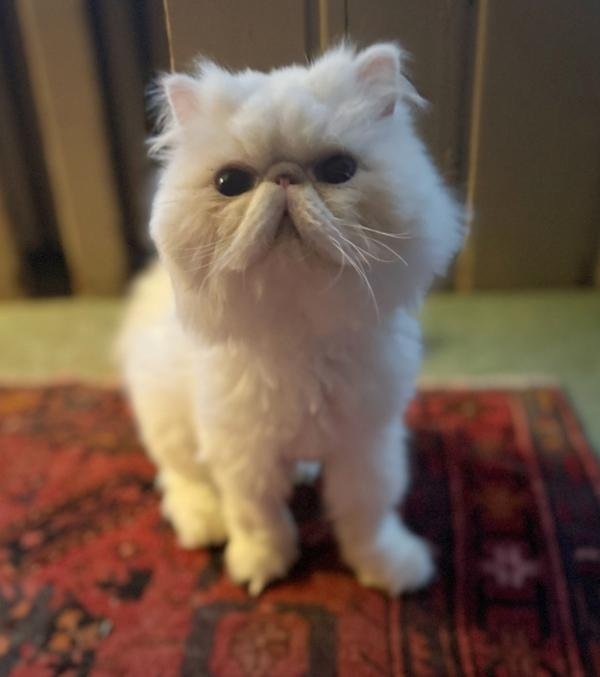
Are you curious about how long your beloved Persian cat might stay by your side? Understanding the lifespan of Persian cats can help you prepare for every precious moment you’ll share together.
Whether you already have a Persian or are thinking about adding one to your family, knowing what influences their health and longevity is key. Keep reading to discover important facts and tips that can help your Persian cat live a long, happy life.
Persian Cat Lifespan Basics
Persian cats are known for their luxurious coats and sweet demeanor. Understanding their lifespan is important for anyone considering this breed. Persian cats can be a delightful addition to any home, providing love and companionship for years.
Average Lifespan Range
Persian cats usually live between 12 to 16 years. This range can vary based on factors like genetics and care. A well-cared-for Persian may enjoy a longer life. Regular vet visits and a balanced diet can improve their lifespan.
Factors Influencing Longevity
Several factors can affect how long a Persian cat lives. Diet plays a crucial role. Providing high-quality food keeps them healthy. Regular vet check-ups can catch health issues early. Genetic factors also influence lifespan. Some Persians may inherit health conditions.
Exercise is essential for maintaining a healthy weight. Interactive toys can keep them active. Avoiding stress is important too. A calm environment helps them thrive. Proper grooming is necessary for their thick coats. Regular brushing prevents matting and skin issues.
Genetics And Breed Characteristics
Understanding the genetics and breed characteristics of Persian cats is key to knowing how long they might live. These cats are known for their distinctive looks and calm nature, but their genetic makeup also plays a major role in their health and lifespan. You’ll find that certain inherited traits can either support a long, healthy life or lead to specific health challenges.
Common Health Issues
Persian cats often face health problems linked directly to their genetics. One common issue is polycystic kidney disease (PKD), which can cause kidney failure over time. Another is respiratory difficulties due to their flat faces, which sometimes make breathing harder.
Eye conditions like excessive tearing and infections are frequent because of their large, round eyes. Dental problems and skin infections can also pop up, especially if grooming isn’t done regularly. Knowing these issues helps you watch for early signs and seek prompt care.
Impact Of Genetic Traits On Lifespan
Genetics influence not just health issues but also how long your Persian cat might live. Cats with fewer inherited diseases tend to have longer lifespans, sometimes reaching up to 15 years or more. On the other hand, those with severe genetic conditions may have shorter lives.
Selective breeding has improved some traits, but it also narrowed the gene pool, increasing risks for certain illnesses. When choosing a Persian cat, ask about the health history of the parents to better understand what genetic traits your pet might inherit. What steps can you take to support your cat’s health despite these genetic factors?
Nutrition And Diet Tips
Nutrition plays a major role in how long your Persian cat lives and how healthy it stays. A balanced diet tailored to their unique needs helps prevent common health issues like obesity, kidney problems, and dental disease. Paying attention to what you feed your cat every day can make a huge difference in its quality of life.
Best Foods For Persian Cats
Persian cats thrive on high-quality protein sources such as chicken, turkey, and fish. These meats provide essential amino acids that support muscle maintenance and overall vitality.
Look for cat foods labeled as “grain-free” or with limited fillers. Persians often have sensitive stomachs, so avoiding excessive grains can reduce digestive issues.
- Wet food helps keep your cat hydrated and supports urinary tract health.
- Dry kibble can assist with dental hygiene by reducing plaque buildup.
- Choose foods with added taurine, an essential amino acid for heart and eye health.
Have you noticed your Persian cat’s coat shining more after a diet change? Foods rich in omega-3 and omega-6 fatty acids promote a soft, glossy coat and reduce skin inflammation.
Supplements That Support Longevity
Sometimes, even the best diet needs a boost. Supplements can fill in nutritional gaps and support your Persian’s long-term health.
Omega-3 fatty acids from fish oil improve joint health and brain function. Adding a small dose daily can help your cat stay active and alert.
- Probiotics aid digestion and strengthen the immune system.
- Glucosamine supports joint health, especially important as your cat ages.
- Antioxidants like vitamins C and E protect cells from damage and support overall vitality.
Before adding supplements, ask yourself: is this improving my cat’s daily energy and mood? If yes, it’s likely a good addition. Always consult your vet to avoid over-supplementing, which can cause harm.

Credit: lifeandcats.com
Exercise And Activity Needs
Exercise and activity are vital for Persian cats’ health and happiness. These cats enjoy gentle play and light movement rather than intense exercise. Keeping them active helps maintain a healthy weight and supports their overall well-being. Regular activity also reduces stress and prevents boredom, which can lead to unwanted behavior.
Keeping Your Persian Active
Persian cats prefer calm, slow-paced play sessions. Use soft toys or feather wands to encourage movement. Short playtimes, several times a day, work best for their energy levels.
- Provide cozy spaces for light climbing and exploring.
- Rotate toys to keep interest high.
- Create safe indoor spaces to encourage gentle roaming.
Persians may not chase laser pointers aggressively but enjoy swatting soft balls or batting at dangling objects. These activities keep their muscles toned and joints flexible.
Mental Stimulation Benefits
Mental exercise is as important as physical activity for Persians. It helps sharpen their minds and prevents boredom. Puzzle feeders and treat-dispensing toys challenge their problem-solving skills.
- Introduce new scents or textures to spark curiosity.
- Teach simple tricks using treats as rewards.
- Spend quiet time interacting to build trust and engagement.
Engaging their brain keeps Persian cats alert and satisfied. It can also help extend their lifespan by promoting a healthy lifestyle.
Regular Veterinary Care
Regular veterinary care plays a vital role in the health and longevity of Persian cats. These cats have unique needs that require close attention from a veterinarian. Staying on top of their health helps catch problems early and keeps them comfortable. Routine visits ensure your cat stays healthy and happy throughout its life.
Routine Checkups
Routine checkups help detect health issues before they become serious. A vet will examine your Persian cat’s eyes, skin, and coat. They will check for breathing problems and dental health, which are common concerns in this breed. These visits often include weight checks and advice on diet. Early detection of illnesses improves treatment success and life expectancy.
Vaccinations And Preventative Treatments
Vaccinations protect Persian cats from deadly diseases. Core vaccines include those for feline distemper, calicivirus, and rabies. Preventative treatments guard against parasites like fleas, ticks, and worms. Regular flea control and deworming keep your cat comfortable and healthy. Staying updated on vaccines and treatments reduces the risk of infections and complications.

Credit: www.adoptapet.com
Grooming For Health
Grooming plays a vital role in keeping Persian cats healthy and happy. Their thick fur and unique features need special care to prevent common health issues. Regular grooming helps spot problems early and keeps your cat comfortable.
Managing Coat And Skin
Persian cats have long, dense fur that can easily tangle. Brushing daily prevents mats and removes loose hair. Use a wide-toothed comb and a soft brush for best results. Bathing once a month keeps the skin clean and reduces oil buildup.
Watch for signs of skin irritation like redness or bumps. These may indicate allergies or infections. Keep the fur dry after grooming to avoid fungal growth. Trimming hair around the eyes helps reduce tear stains and keeps the area clean.
Dental Care Importance
Dental health affects your Persian cat’s overall well-being. Plaque and tartar build-up can cause bad breath and gum disease. Brush your cat’s teeth regularly with a pet-safe toothpaste. Offer dental treats or toys to help reduce plaque naturally.
Regular vet check-ups include dental exams. Early treatment prevents tooth loss and pain. Healthy teeth help your cat eat well and stay active longer.
Common Diseases Affecting Lifespan
Understanding the common diseases that affect a Persian cat’s lifespan is crucial for any owner who wants to provide the best care possible. These health issues can significantly impact your cat’s quality of life and longevity. By recognizing the signs early, you can take action to help your feline friend live a longer, healthier life.
Kidney Disease
Kidney disease is one of the most common health problems in Persian cats. It often develops slowly and may not show clear symptoms until the condition is advanced. You might notice increased thirst, frequent urination, or weight loss in your cat.
Regular vet check-ups with blood and urine tests can catch kidney issues early. Feeding a balanced diet that supports kidney health also makes a big difference. Have you checked your cat’s water intake recently?
Respiratory Problems
Persian cats are prone to respiratory problems due to their flat faces, which can cause breathing difficulties. These issues might include noisy breathing, snoring, or frequent sneezing. It’s important to monitor your cat’s breathing, especially during exercise or warm weather.
Keeping your cat’s living environment clean and free of irritants can reduce respiratory stress. If you notice persistent coughing or labored breathing, seek veterinary advice promptly. How often do you observe your cat’s breathing patterns?
Heart Conditions
Heart conditions, like hypertrophic cardiomyopathy, can also affect Persian cats. This disease thickens the heart muscle, making it harder for the heart to pump blood efficiently. Early signs can be subtle, such as lethargy or reduced activity.
Regular cardiac screenings by your vet can help detect heart problems before they become severe. Maintaining a healthy weight and avoiding stress can support your cat’s heart health. When was the last time your cat had a heart check-up?
Environmental Factors
Environmental factors play a crucial role in the lifespan of Persian cats. The surroundings you create for your feline friend can either boost their health or expose them to risks. Paying close attention to these details helps ensure your Persian lives a long, happy life.
Safe Living Spaces
Your Persian cat needs a safe and secure home to thrive. Keep hazardous items like toxic plants, cleaning chemicals, and small objects out of reach. Persian cats are curious but not very agile, so avoid cluttered areas where they could get stuck or hurt.
Consider setting up cozy, quiet spots where your cat can retreat and relax. Windows with secure screens allow them to watch the outside world safely. Make sure your home has stable furniture and no sharp edges—Persians don’t handle rough terrain well.
Stress Reduction Techniques
Stress can shorten your Persian cat’s life, just like it affects humans. Loud noises, sudden changes, or unfamiliar visitors can cause anxiety. Try to keep a consistent routine with feeding, playtime, and rest.
Interactive toys and gentle grooming sessions can help calm your cat and build trust. Ever noticed how your Persian purrs during petting? That’s a great sign they feel secure. You might want to try calming pheromone diffusers, which many owners find effective in reducing stress.
Are there areas in your home where your cat seems uneasy? Paying attention to these signs and adjusting the environment can make a big difference in their well-being.
Signs Of Aging In Persian Cats
Noticing signs of aging in your Persian cat helps you provide the care they need as they grow older. Aging doesn’t just affect how they look but also how they behave and feel. Paying attention early can improve their quality of life and deepen your bond.
Behavioral Changes
Your Persian may start acting differently as they age. You might see them less active or less interested in playtime. They could sleep more or seek out quiet, cozy spots more often.
Changes in social behavior are common too. Your cat might become more withdrawn or, on the contrary, more clingy and needy. Sometimes, increased vocalization or confusion about familiar places and routines can occur.
Have you noticed your cat avoiding their litter box or eating less? These could be subtle signs of discomfort or health issues linked to aging. Watching these shifts closely helps you catch problems early.
Physical Symptoms
Physical signs of aging in Persian cats are often visible and sometimes surprising. Their fur might lose its shine or become thinner, and grooming habits can slow down. You might find more hairballs or mats in their coat.
Weight changes are also significant. Your cat may lose muscle tone or gain weight due to reduced activity. Joint stiffness or limping can affect their movement and willingness to jump or climb.
Dental health often declines, leading to bad breath, drooling, or difficulty eating. Eye problems like cloudiness or tearing can also develop. Regular vet check-ups become vital to keep these issues under control.
Tips To Extend Persian Cats’ Lifespan
Extending the lifespan of your Persian cat is something every owner hopes for. It’s not just about adding years but also about enhancing the quality of those years. With the right care, you can help your feline friend live a longer, healthier life filled with comfort and happiness.
Healthy Lifestyle Practices
Your Persian cat’s daily routine plays a big role in its longevity. Feeding them a balanced diet rich in essential nutrients keeps their body strong and immune system resilient.
Regular exercise is also crucial. Even indoor cats need activity to avoid obesity, which can lead to serious health issues.
- Choose high-quality cat food designed for Persian cats or long-haired breeds.
- Provide fresh water at all times to keep them hydrated.
- Create playtime routines using toys that stimulate both mind and body.
- Maintain a clean litter box to prevent infections and stress.
I once noticed my Persian became less active and gained weight after a stressful move. Adding interactive toys and adjusting feeding portions made a visible difference in her energy and mood within weeks. Have you thought about how your cat’s environment might be affecting their health?
Early Disease Detection
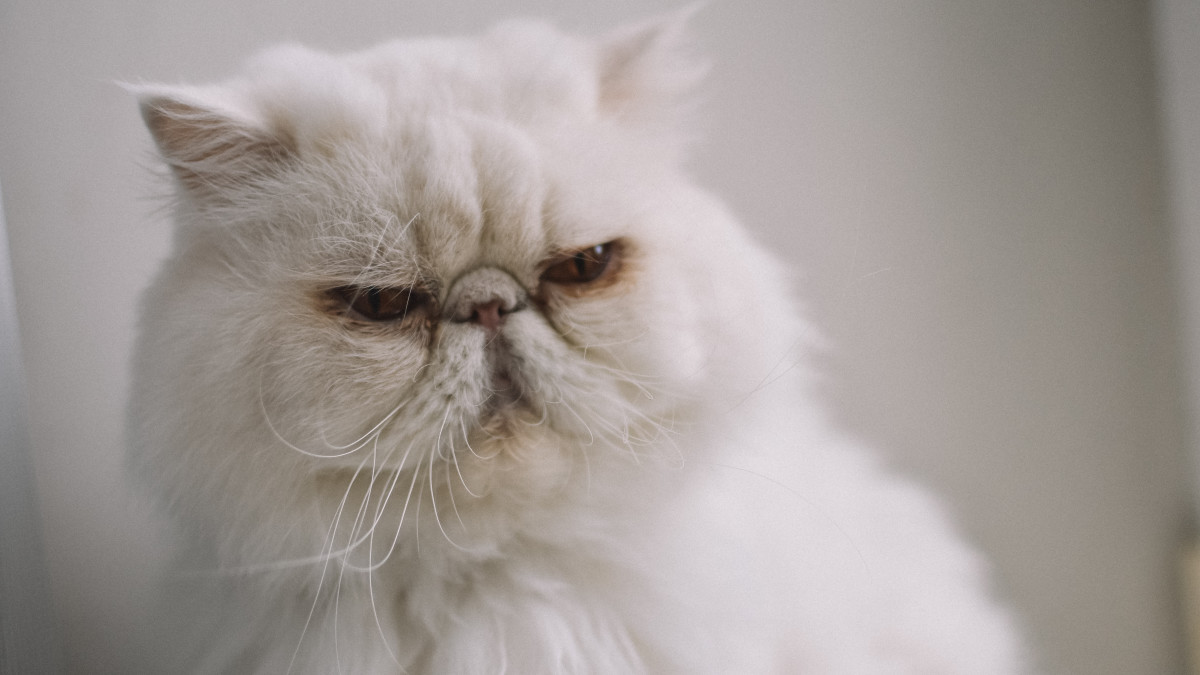
Persian cats are prone to certain health problems like kidney disease and respiratory issues. Detecting these early can dramatically improve outcomes.
Pay close attention to changes in behavior or physical condition. Even subtle signs, like changes in appetite or grooming habits, can indicate a health problem.
- Schedule regular vet check-ups, ideally every six months.
- Ask your vet about screening tests specific to Persian cats.
- Keep a health journal to track any unusual symptoms or behaviors.
When my cat showed mild breathing difficulties, an early vet visit caught a respiratory infection before it worsened. Catching issues early gave her the best chance to recover quickly. How often do you observe your cat closely enough to notice small changes?
Credit: pethelpful.com
Frequently Asked Questions
How Long Do Persian Cats Typically Live?
Persian cats usually live between 12 to 17 years. Proper care, diet, and regular vet visits can extend their lifespan. Genetics and environment also play key roles in their longevity.
What Factors Affect Persian Cats’ Lifespan?
Genetics, diet, health care, and living conditions affect Persian cats’ lifespan. Regular vet checkups and a balanced diet help maintain their health. Avoiding stress and providing a safe environment also contribute to longer life.
Do Persian Cats Have Common Health Issues?
Yes, Persian cats are prone to respiratory and kidney problems. They may also suffer from eye conditions due to their flat faces. Early diagnosis and treatment improve their quality of life and longevity.
Can Diet Improve A Persian Cat’s Lifespan?
A balanced diet rich in protein and nutrients supports a Persian cat’s health. Proper nutrition boosts immunity and prevents obesity. Consult your vet for diet plans tailored to your cat’s needs.
Conclusion
Persian cats can live between 12 and 17 years on average. Their lifespan depends on diet, care, and health. Regular vet visits help catch problems early. Clean living spaces keep them safe and happy. Providing love and attention boosts their well-being.
Knowing their needs helps you give the best life. A healthy Persian cat brings joy for many years. Taking simple steps makes a big difference in their life. Caring for them is rewarding and fulfilling. Enjoy every moment with your Persian cat friend.
