

Have you ever noticed your cat scratching its ears more than usual or shaking its head constantly? These signs might be a clue that your furry friend has ear mites.
But what do cat ear mites actually look like? Understanding their appearance can help you spot the problem early and protect your cat from discomfort and infection. You’ll learn how to identify these tiny pests quickly and what steps to take next.
Keep reading to make sure your cat stays happy and healthy.
Appearance Of Cat Ear Mites
Cat ear mites are tiny parasites that live in a cat’s ears. They cause irritation and discomfort. Understanding their appearance helps in identifying them early. Let’s explore the distinct characteristics of these pests.
Size And Shape
Cat ear mites are microscopic creatures. They measure just 0.3 to 0.5 millimeters. Oval bodies with tiny legs characterize their shape. Due to their size, a microscope is needed to see them clearly.
Color And Texture
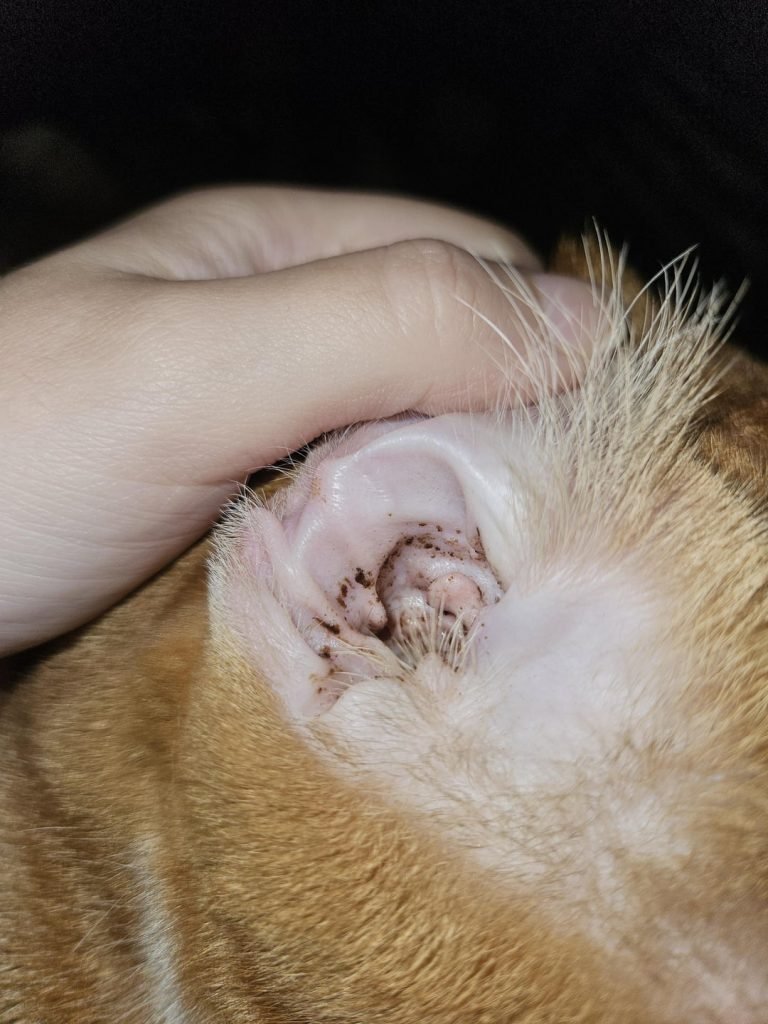
Ear mites appear white or light gray. Their translucent bodies make them hard to spot. Infected ears may have a dark, crumbly substance. This resembles coffee grounds and indicates mite activity.
Movement Patterns
Ear mites move rapidly within the ear canal. They crawl around, causing severe itchiness. Their constant movement leads to scratching and shaking. These behaviors help in suspecting an infestation.

Credit: www.reddit.com
Common Signs In Cats
Recognizing the signs of ear mites in your cat early can save them from discomfort and potential infections. These tiny parasites cause noticeable changes in your cat’s behavior and appearance, especially around their ears. Paying close attention to these common signs helps you take action before the problem worsens.
Ear Scratching And Head Shaking
One of the first things you might notice is your cat scratching its ears more than usual. This constant irritation often leads to vigorous head shaking. If your cat seems restless and keeps pawing at its ears, it’s a red flag you shouldn’t ignore.
Visible Debris In Ears
Look inside your cat’s ears for dark, crumbly debris that looks like coffee grounds. This is a classic sign of ear mites. Unlike regular ear wax, this debris tends to be more granular and persistent, sticking inside the ear canal.
Inflammation And Redness
Check for redness and swelling around the ear area. The skin may appear inflamed, sometimes with a foul odor due to secondary infections. If your cat’s ears look sore or feel warm to the touch, it’s a clear indication that mites could be present.
Symptoms To Watch For
Cat ear mites cause discomfort and can lead to serious ear problems. Recognizing symptoms early helps protect your cat’s health. Watch for signs that suggest an ear mite infestation.
Ear Odor
A strong, unpleasant smell from your cat’s ears is common with mites. This odor comes from debris and wax buildup. It often smells musty or like rotting skin. Clean ears usually have little to no smell.
Hair Loss Around Ears
Scratching and rubbing cause hair loss near the ears. The skin may look red and inflamed. Cats try to relieve itching by scratching, which damages fur. Noticeable bald patches can appear quickly.
Secondary Infections
Ear mites often lead to bacterial or yeast infections. Signs include swelling, redness, and discharge from the ears. Your cat may shake its head often or tilt it. These infections require veterinary treatment to heal properly.
How To Inspect Your Cat’s Ears
Inspecting your cat’s ears regularly can help you spot ear mites early and keep your feline friend comfortable. Knowing how to check your cat’s ears safely and effectively is key. It’s not just about looking inside but doing it in a way that keeps your cat calm and avoids injury.
Safe Handling Techniques
Start by choosing a quiet space where your cat feels secure. Gently hold your cat’s head, supporting the chin with one hand while using the other to examine the ear. If your cat is squirmy, try wrapping them loosely in a towel to prevent sudden movements.
Keep your movements slow and calm. Speak softly to reassure your cat and pause if they seem stressed. Remember, patience can turn an uncomfortable task into a bonding moment.
Tools For Ear Examination
A flashlight or a small penlight helps you see deeper into the ear canal. Use a magnifying glass if you want to get a closer look at any debris or dark spots. Cotton balls or soft gauze are useful for wiping away visible dirt—never use cotton swabs inside the ear canal, as they can cause damage.
Have a pair of disposable gloves handy to keep things hygienic. If you notice a dark, crumbly substance or your cat scratches often, these tools will help you identify if mites might be the culprit.
When To Seek Veterinary Help
If your cat’s ear looks red, swollen, or has a foul smell, it’s time to call the vet. Persistent scratching, head shaking, or signs of pain during inspection are also red flags. Don’t wait—ear infections or mite infestations can worsen quickly without proper treatment.
Veterinarians can provide a thorough examination and prescribe medication to clear up mites safely. Have you ever noticed your cat’s discomfort but weren’t sure if it was serious? Trusting a professional can save your cat from prolonged irritation.
Preventing Ear Mite Infestations
Preventing ear mite infestations is crucial for keeping your cat comfortable and healthy. These tiny parasites can cause intense itching, discomfort, and even infections if left unchecked. Taking proactive steps can save you and your cat from unnecessary vet visits and distress.
Regular Ear Cleaning
Cleaning your cat’s ears regularly helps remove dirt and debris where mites might hide. Use a vet-approved ear cleaner and soft cotton balls—never cotton swabs, as they can damage the ear canal.
Make it a gentle routine; your cat will appreciate the care. Have you noticed how quickly your cat reacts when their ears feel itchy? Consistent cleaning can reduce this irritation dramatically.
Environmental Hygiene
Ear mites can linger in your cat’s bedding and surroundings. Wash their bedding and toys frequently in hot water to kill any lingering parasites.
Vacuum your home regularly, especially areas your cat frequents. This simple habit cuts down on the chance of re-infestation and keeps your whole household healthier.
Routine Vet Checkups
Regular vet visits allow early detection of ear mites before they cause serious problems. Your vet can spot the subtle signs you might miss and recommend effective treatment.
Don’t wait for symptoms to appear; how often have you wished you caught a health issue sooner? Scheduling routine checkups is a small effort with big benefits for your cat’s wellbeing.

Credit: www.reddit.com

Credit: www.holistapet.com
Frequently Asked Questions
What Are The Visible Signs Of Cat Ear Mites?
Cat ear mites appear as tiny white or brown specks inside the ear. They cause dark, crumbly debris resembling coffee grounds. You may also notice redness, swelling, and excessive scratching or shaking of the head.
How Can I Identify Cat Ear Mites Early?
Look for frequent ear scratching, head shaking, and dark discharge in your cat’s ears. Early detection includes redness and irritation inside the ear canal. Regular ear checks help catch mites before severe infection develops.
Can Cat Ear Mites Be Seen Without A Microscope?
Cat ear mites are very small and usually need a microscope to see clearly. However, their dark debris and inflammation are visible signs indicating their presence. A vet can confirm mites through a microscopic ear swab examination.
How Do Cat Ear Mites Affect My Cat’s Behavior?
Ear mites cause intense itching, making cats scratch and shake their heads often. This discomfort can make your cat restless and irritable. Untreated mites may lead to ear infections and hearing problems.
Conclusion
Cat ear mites are tiny and hard to see with the naked eye. They cause dark, crusty debris inside your cat’s ears. Scratching, shaking the head, and redness are common signs. Early detection helps prevent discomfort and infection. Regular ear checks keep your cat healthy and happy.
Treating mites quickly avoids bigger problems later. Watch your cat’s ears often for any changes. Taking care of your pet’s ears is simple but important. Stay alert and act fast to keep your cat safe.
