

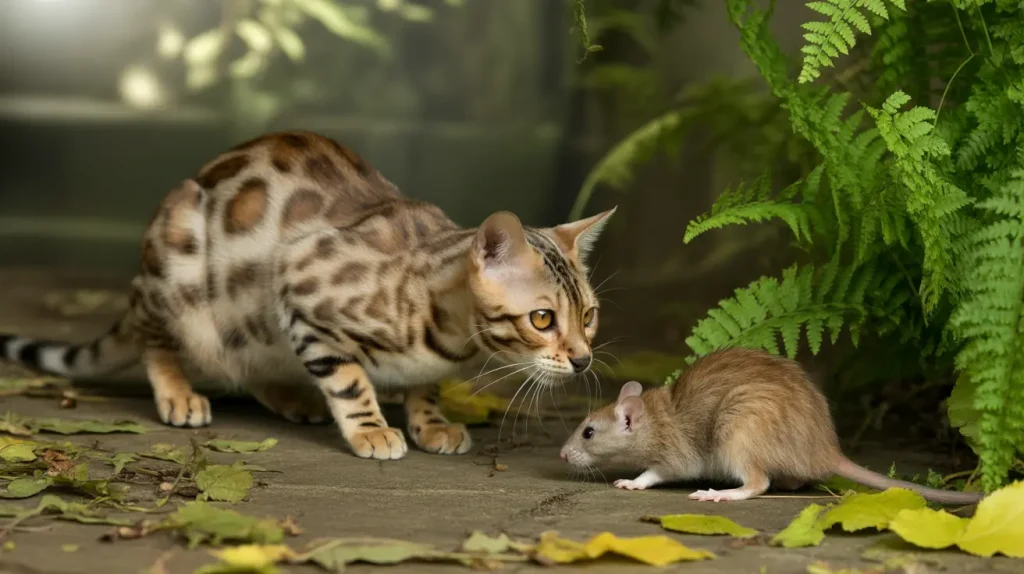
Are you tired of rats invading your home or garden? You might have heard that cats are natural rat killers, but is that really true?
If you’ve ever wondered whether your feline friend can keep those pesky rodents away, this article is for you. You’ll discover what makes cats good hunters, when they actually go after rats, and how effective they are at controlling these unwanted guests.
Keep reading to find out if your cat could be the secret weapon against rats in your space.

Credit: www.biotechtermiteandpest.com
Cats As Natural Hunters
Cats have strong hunting skills and often catch rats. Their natural instincts make them effective at controlling rat populations. Many cats enjoy chasing and killing small rodents like rats.
Cats are known for their remarkable hunting skills. They have a natural ability to chase and catch prey. This makes them valuable in controlling rodent populations. Their instincts and agility allow them to hunt effectively. Cats use their keen senses to track and pounce on rats, demonstrating nature’s efficiency.Instincts Behind Hunting
Cats possess a strong hunting instinct. This instinct is inherited from their wild ancestors. Even well-fed domestic cats enjoy hunting. They are drawn to the chase and capture of prey. Their sharp eyesight and acute hearing aid in spotting movement. Cats also use their whiskers to sense changes in their environment. This helps them hunt even in low-light conditions. Their stealthy approach makes them successful hunters.Breed Differences In Hunting Skills
Not all cats hunt with the same skill. Some breeds are better hunters than others. For example, the Siamese and Maine Coon are known for strong hunting abilities. These breeds often have a high prey drive. On the other hand, some breeds like the Persian are less inclined to hunt. Their breeding focuses more on companionship. Yet, every cat has the potential to hunt, driven by their natural instincts.How Effective Are Cats At Killing Rats?
Cats have a reputation for being natural hunters, but how effective are they really at killing rats? Their success varies widely based on several conditions. Understanding these can help you decide if a cat is the right solution for your rat problem.
Success Rates In Different Environments
Cats tend to be more successful at hunting rats in rural or semi-rural areas. These environments provide more hiding spots and natural hunting grounds for cats to stalk their prey.
In urban settings, cats often face challenges like limited space and distractions, which can reduce their hunting success. A cat’s ability to catch rats here might drop significantly compared to countryside cats.
Indoor cats usually have the lowest success rates because they rarely encounter rats often enough to develop effective hunting skills. However, barn cats or those kept in warehouses usually have higher success rates due to frequent exposure.
Factors Affecting Hunting Efficiency
- Cat’s Age and Experience:Older cats or those with prior hunting experience generally perform better at catching rats.
- Rat Size and Behavior:Larger rats or those that are cautious and quick can evade even the most skilled cats.
- Environment Complexity:Cluttered spaces make it easier for rats to hide, lowering the cat’s chances of success.
- Hunger Level:A hungry cat is more motivated to hunt, while well-fed cats might ignore rats completely.
Have you noticed your cat’s hunting behavior change when it’s hungry or bored? This simple observation can clue you into how motivated your cat is to deal with rat problems.
When Cats Don’t Hunt Rats
Sometimes, cats don’t chase or kill rats. You might expect every cat to be a natural hunter, but that’s not always true. Understanding why cats skip hunting rats can help you manage your expectations and find better pest control solutions.
Domestic Cats Vs. Feral Cats
Domestic cats often lack the strong hunting drive seen in feral cats. They may enjoy playing with toys but lose interest in real rodents. This happens because domestic cats usually have food provided regularly, so they don’t need to hunt for survival.
Feral cats, on the other hand, rely on hunting to eat. Their survival depends on catching prey, so they are more likely to hunt rats aggressively. If your cat is mostly indoors or pampered, don’t expect it to act like a feral cat outside.
Impact Of Feeding And Care
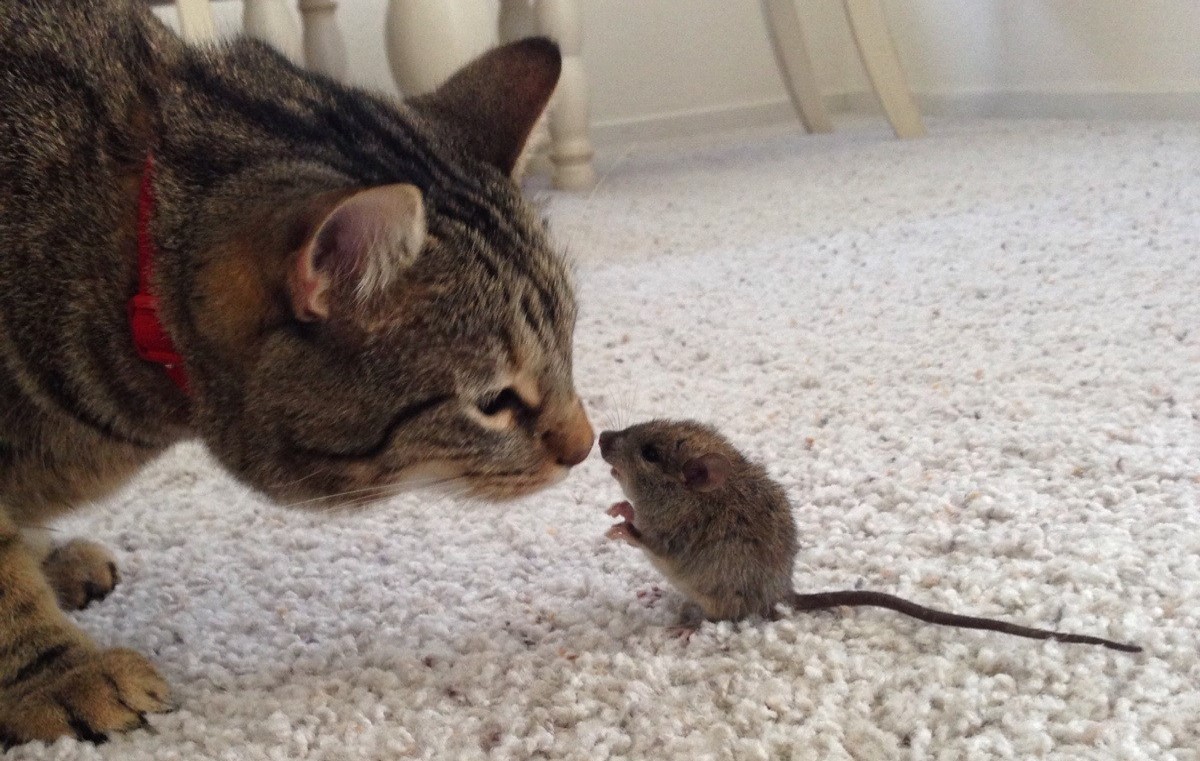
If your cat is well-fed, it might not feel the need to hunt rats. Full stomachs reduce the motivation to chase after prey. You might notice your cat watching a rat but choosing to ignore it because it’s already satisfied.
On the flip side, cats that are hungry or underfed tend to hunt more. However, this can raise ethical concerns about letting your cat go hungry just to catch pests. Instead, consider balancing feeding schedules with play sessions that stimulate their hunting instincts.
Have you noticed your cat ignoring a mouse or rat despite plenty of opportunities? This could be a sign that your cat is comfortable and well-fed, not necessarily uninterested. Adjusting their environment and playtime can sometimes reignite that natural hunting spark.

Credit: www.discovermagazine.com
Risks Of Using Cats For Pest Control
Using cats to control rats might seem natural and simple. Cats do hunt rodents, but there are risks in relying on them for pest control. These risks affect both the cats’ health and the effectiveness of rat control. Understanding these dangers helps in making smart decisions about pest management.
Health Risks To Cats
Cats face many dangers when hunting rats. Rats can carry diseases like leptospirosis and toxoplasmosis. These illnesses can transfer to cats through bites or scratches. Rats also carry fleas and ticks, which harm cats.
Poisoned rats pose a serious threat. Cats that eat poisoned rats can suffer poisoning too. Injuries from fights with aggressive rats can cause infections or wounds. These health risks mean cats are not always safe pest controllers.
Limitations In Controlling Rat Populations
Cats cannot always control rat numbers effectively. Rats are clever and often avoid cats. In some areas, rats live underground or in hard-to-reach places. Cats cannot access these hiding spots.
Not all cats are good hunters. Domestic cats may lack hunting skills or interest. Even skilled hunters may not reduce large rat populations alone. Relying on cats may give a false sense of control.
Alternative Rat Control Methods
Relying solely on cats to control rat populations might not always be enough. Rats are clever and often avoid predators, making it necessary to consider other ways to keep them in check. Alternative rat control methods offer practical solutions that can work alongside or instead of feline hunters.
Traps And Baits
Traps come in various forms, from snap traps to humane catch-and-release options. They let you target rats directly and see immediate results. Baits, especially when used with poison, can be effective but require careful handling to keep pets and children safe.
Have you ever tried a trap that didn’t work? Placement matters a lot—rats follow predictable paths along walls and corners. Setting traps where you’ve seen rat droppings or gnaw marks increases your chances of success.
- Snap traps: Quick and lethal, but you need to check them often.
- Glue boards: Trap rats without killing, but can be cruel and messy.
- Poison baits: Effective but risky; avoid if you have other pets around.
- Live traps: Catch rats for release far from your home.
Professional Pest Services
Sometimes, the rat problem is bigger than what DIY methods can handle. Pest control professionals bring expertise and tools that make a difference. They can assess your home’s weak spots and create a tailored plan to eliminate rats effectively.
Think about the last time you had a pest issue—did you solve it yourself or call an expert? Professionals not only remove rats but also advise on preventing future infestations. Their inspections often reveal hidden entry points you might overlook.
Hiring a service can save you time and reduce frustration, especially if you’ve tried traps and baits without success. Wouldn’t you want peace of mind knowing the problem is in capable hands?
Credit: www.skedaddlewildlife.com
Balancing Cats And Pest Management
Cats can help reduce rat populations, but they are not a complete solution. Balancing cats with other pest control methods ensures better results. It also creates a safer environment for both pets and humans.
Combining Cats With Other Methods
Using cats alone may not eliminate all rats. Combine cats with traps and bait stations for best effect. Seal entry points to stop rats from entering buildings. Keep garbage in secure bins to remove food sources. Clean up clutter where rats can hide or nest.
Maintaining A Safe Environment
Make sure cats live in a healthy, safe space. Keep their food and water separate from rodent areas. Watch for signs of illness or injury from fights with rats. Use safe pest control products that do not harm cats. Regular vet checkups protect cats and keep them strong hunters.
Frequently Asked Questions
Do Cats Naturally Hunt And Kill Rats?
Yes, cats have natural hunting instincts that drive them to catch and kill rats. Their sharp senses and agility make them effective rat predators. However, not all cats hunt rats actively, especially well-fed domestic cats.
Can Cats Control Rat Populations Effectively?
Cats can help reduce rat populations in small areas. They are more effective as a deterrent than complete exterminators. For large infestations, professional pest control is recommended alongside cats.
Are All Cats Good At Killing Rats?
No, not all cats are equally skilled at killing rats. Factors like age, experience, and breed affect hunting ability. Some cats may show little interest in hunting rats at all.
Is It Safe For Cats To Kill Rats?
Killing rats can expose cats to diseases and parasites. Owners should monitor cats’ health and ensure vaccinations are up to date. Preventive measures can reduce health risks for hunting cats.
Conclusion
Cats do catch and kill rats, but not all cats do it well. Some cats enjoy hunting, while others prefer to stay indoors. Rats can be a problem, and cats sometimes help control their numbers. Still, relying only on cats is not enough to stop rats.
Using traps and keeping areas clean works best. Cats can add help but are not a full solution. Keep your home safe with many methods working together. Cats and humans can team up against rats.
