

Have you ever noticed your cat making a strange chattering sound when watching birds outside the window? It’s a curious behavior that can leave you wondering what’s going on in your furry friend’s mind.
Why does your cat chatter at birds instead of simply chasing them? Understanding this quirky habit will not only deepen your connection with your pet but also reveal surprising facts about their instincts and emotions. Keep reading, and you’ll discover the fascinating reasons behind this unique cat behavior.
Credit: artyourcat.com
Cat Chattering Behavior
Cats chatter at birds as a mix of excitement and frustration. This sound often happens when they spot prey but can’t reach it. It shows their hunting instincts and eagerness to catch the bird.
Cat owners often find themselves puzzled by the peculiar sounds their feline friends make, especially when they spot birds outside the window. This intriguing behavior, known as “cat chattering,” is both fascinating and mysterious. If you’ve ever caught your cat making these rapid, clicking noises, you’re not alone. Understanding why cats engage in such behavior can offer insights into their instincts and desires.What Is Chattering?
Chattering is a series of rapid, repetitive sounds that cats make, often accompanied by a distinct jaw movement. It’s a unique vocalization distinct from the typical meow or purr. Some experts believe that chattering mimics the sound of a bird’s chirp, possibly an evolutionary tactic for hunting. Cats may also chatter when they’re excited or frustrated by the sight of prey they can’t reach. Consider the last time your cat chattered at a bird or squirrel—was it perched safely outside the window? This behavior is a testament to their deep-seated hunting instincts.Common Situations For Chattering
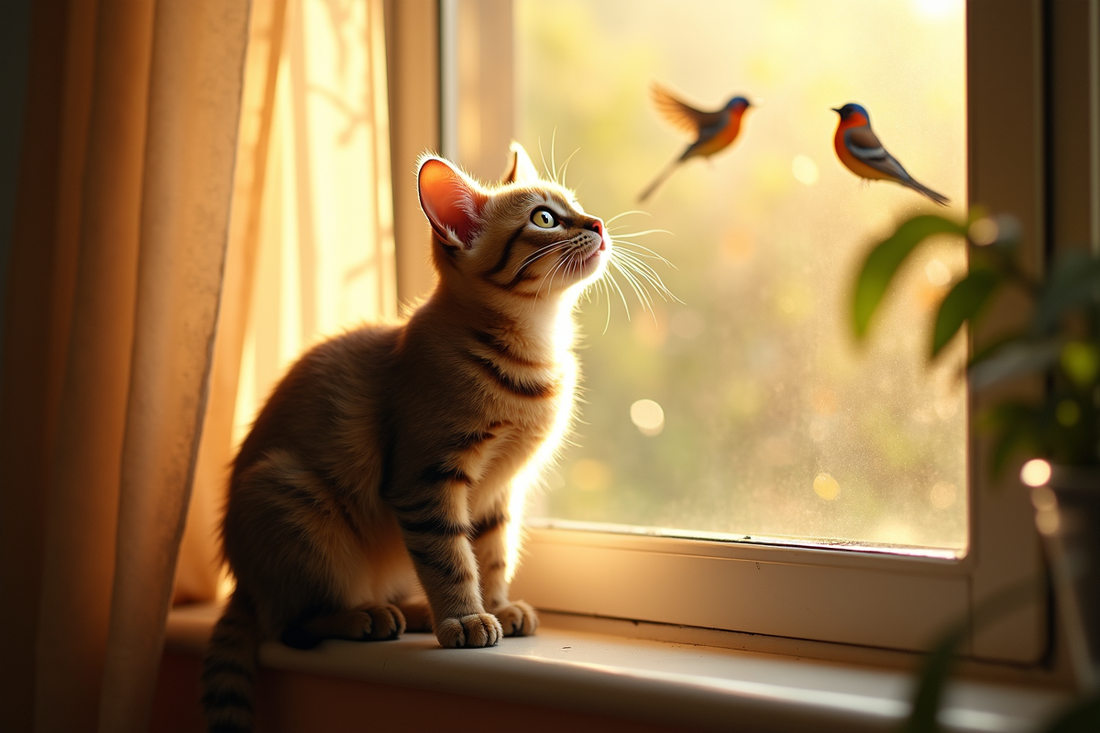
Cats often chatter when they see birds or small animals outside. The sight of fluttering wings or twitching tails can trigger this instinctual response. This behavior isn’t just limited to the outdoors; some cats chatter at toys or even during playtime. You might have noticed your cat chattering when they’re perched on a windowsill, eyes locked on a bird. The anticipation and excitement can be overwhelming for them. Have you ever wondered if your cat is imagining the hunt? Understanding these common scenarios can help you better interpret your cat’s needs and feelings. Next time your cat chatters, consider what might be capturing their attention. Could there be more to this behavior than meets the eye?Instincts Behind Chattering
Cats chattering at birds is a curious behavior that puzzles many pet owners. This unique sound is deeply rooted in their natural instincts. Understanding these instincts helps you see your cat’s world from their perspective and strengthens your bond.
Hunting Reflexes
Chattering is closely tied to a cat’s hunting reflexes. When your cat spots a bird, their eyes lock onto the target, triggering a heightened state of focus. This intense concentration mimics the moments just before a hunt.
You might notice your cat’s body tenses, ears tilt forward, and tail flicks—signs that their predatory instincts are kicking in. The chattering sound is thought to be a way of preparing the jaw muscles for a bite or expressing frustration that they can’t reach the prey. Have you ever seen your cat make this noise and wondered if it means they’re about to pounce?
Predatory Excitement
Besides preparing for the hunt, chattering also reflects predatory excitement. It’s like your cat’s way of vocalizing their eagerness and anticipation. This excitement often comes with rapid jaw movements, creating that distinct chattering noise.
Think about the last time you watched a nature documentary where a predator stalked its prey. Your cat experiences a similar surge of adrenaline and focus, even if the bird is safely out of reach. This excitement can be so intense that it manifests as chattering, showing just how deeply your cat’s wild instincts remain alive.
Next time your cat chatters at a bird, watch closely. You’ll see a mix of readiness, excitement, and maybe a little frustration—all wrapped up in a natural behavior shaped by millions of years of evolution.
Communication Purposes
Cats chattering at birds isn’t just a random noise; it serves important communication purposes. This unique sound helps cats express their feelings and interact with their environment and other cats. Understanding these reasons can help you better interpret your cat’s behavior and respond appropriately.
Expressing Frustration
When your cat chatters at a bird, it’s often a sign of frustration. They see prey nearby but can’t reach it, which builds up tension.
That chattering sound is like a release valve for their excitement and impatience. Have you noticed your cat making this noise when staring out the window? It’s their way of coping with the inability to hunt.
Signaling To Other Cats
Chattering can also serve as a signal to other cats. It’s a way to communicate interest in prey or alert others to potential hunting opportunities.
In multi-cat households, you might see one cat chatter and others respond by joining the watch. This shared communication helps them coordinate or establish territory without direct confrontation.
Physical Aspects Of Chattering
Cats make a unique chattering sound when they see birds. This behavior involves specific physical actions. Understanding these actions helps explain why cats chatter. The physical aspects include jaw movements and vocal sounds. Each part plays a role in how cats express their excitement or frustration.
Jaw Movements
The cat’s jaw moves quickly up and down during chattering. This movement looks like a rapid snapping or clicking. It is different from a typical bite or growl. The jaw motion may prepare the cat for hunting or catching prey. Some experts think it mimics the action of biting birds.
Vocal Sounds
Along with jaw movements, cats produce sharp, stuttering vocal sounds. These sounds are short and repetitive. They often mix with a soft purring or chirping noise. The vocalizations express excitement and focus. They may also signal frustration because the cat cannot reach the bird.
Chattering And Bird Watching
Cats often make a unique chattering sound when they watch birds outside. This curious behavior links deeply to their natural instincts and interaction with their environment. Understanding why cats chatter helps reveal their inner thoughts and feelings during these moments.
Attraction To Birds
Cats are naturally drawn to birds due to their movement and sounds. Birds flutter and chirp, catching a cat’s sharp attention. This attraction triggers the cat’s hunting instincts. Watching birds closely provides mental stimulation and entertainment for cats.
Stimulus Response
The chattering sound is a reaction to the excitement and frustration of not catching the bird. Cats mimic the quick jaw movements used to kill prey. This behavior might also express their eagerness and anticipation. The noise reflects their focus and desire to hunt, even if only through a window.
:strip_icc()/GettyImages-540568739-56a112b03df78cafdaa92729.jpg)
Credit: www.thesprucepets.com
Variations Among Cats
Cats show different ways of chattering at birds. Their behavior varies widely. Some cats chatter softly, while others make loud, rapid sounds. These differences depend on many factors. Each cat’s breed and personality play a big role. Understanding these variations helps explain why cats chatter in unique ways.
Breed Differences
Different cat breeds have distinct hunting styles and vocal habits. Some breeds are more vocal and expressive. For example, Siamese cats often chatter loudly and frequently. Maine Coons may chatter softly but persistently. Breeds bred for hunting tend to show more chattering. Others with calm temperaments chatter less or not at all.
Individual Personality
Every cat has a unique personality that affects its chattering. Some cats are curious and excited by birds. These cats chatter more and with energy. Others are shy or indifferent and chatter less. Playful cats use chattering as part of their game. Older or less active cats may rarely chatter. Personality shapes how cats react to birds and their chattering style.
Scientific Theories
Cats often make a chattering sound when they see birds. This curious behavior has puzzled many pet owners and scientists. Several scientific theories try to explain why cats chatter at birds. These theories explore what happens inside a cat’s brain and how their natural instincts guide their actions.
Neurological Insights
Neurologists study the cat’s brain to understand chattering. This sound may come from a mix of excitement and frustration. The brain signals muscles to move rapidly, creating the chattering noise. It might also be linked to the cat’s hunting instinct. Seeing a bird triggers intense focus and energy in the brain. This reaction helps prepare the cat to catch prey, even if it cannot reach the bird.
Behavioral Studies
Behavior experts observe cats to learn why they chatter. The sound may mimic a quick bite or killing motion. Cats could be practicing their hunting skills silently. Some believe chattering is a way to express frustration. The cat sees prey but cannot get close. This tension leads to the unique chattering noise. Other studies suggest it helps cats stay alert and ready to pounce. The behavior shows a mix of natural hunting and emotional response.

Credit: m.youtube.com
What Chattering Tells Owners
Cats often chatter at birds with quick, sharp sounds. This behavior tells owners about their cat’s feelings and instincts. Understanding this helps owners connect better with their pets. It shows excitement, frustration, or natural hunting drive. Knowing what chattering means guides owners in caring and responding well.
Reading Cat Emotions
Chattering shows mixed emotions in cats. Sometimes it means excitement. Cats get thrilled seeing birds outside the window. Other times, it shows frustration. Cats want to hunt but cannot reach the bird. The sound may also show curiosity. Cats are focused and alert. Watching their body language helps interpret feelings. Look for tail flicks, ear position, and eye focus. These signs add meaning to the chattering.
Responding Appropriately
Respond with calm and care. Speak softly to soothe your cat. Avoid sudden moves that cause stress. Provide toys to mimic hunting. This helps release their energy. Keep windows secure to avoid accidents. Use bird feeders placed safely outside. This keeps birds safe and cats entertained. Understanding chattering guides good care choices. It helps keep cats happy and safe indoors.
Frequently Asked Questions
Why Do Cats Chatter At Birds Outside?
Cats chatter at birds as a hunting instinct. The sound mimics a killing bite. It shows excitement and frustration.
Is Cat Chattering A Sign Of Hunting Behavior?
Yes, chattering reflects a cat’s predatory urge. It indicates focus and readiness to catch prey like birds.
Do All Cats Chatter At Birds?
Not all cats chatter, but many do. It depends on their personality and hunting instincts.
Can Cat Chattering Harm Birds?
No, chattering itself doesn’t harm birds. It’s a vocal reaction, not an attack or threat.
Conclusion
Cats chatter at birds because they feel excited and curious. This sound shows their natural hunting instinct. It also helps them focus on the birds outside. Understanding this behavior brings us closer to our pets. Next time your cat chatters, remember it’s part of their wild nature.
Watching this can be fun and interesting. Cats express themselves in many unique ways. Chattering is just one of them. Enjoy these moments—they reveal how smart and alert cats really are.
