


Have you ever wondered why your dog suddenly seems aggressive toward your cat, even when there’s no clear reason? It’s confusing and worrying to see your furry friends clash without warning.
Understanding why dogs attack cats without an obvious cause can help you keep both pets safe and peaceful. You’ll discover the surprising reasons behind this behavior and learn what you can do to prevent it. Keep reading to protect your pets and bring harmony back to your home.
Instinctual Behavior
Dogs may attack cats due to instinctive hunting drives or territorial behavior. Sudden movements from cats can trigger a dog’s chase reflex. Understanding these natural urges helps explain why dogs sometimes act aggressively toward cats.
Understanding why dogs might attack cats seemingly without reason often boils down to instinctual behavior. Dogs, by nature, are creatures driven by instincts that have been honed over thousands of years. While our furry friends are now domesticated, some of these primal behaviors remain deeply embedded. Recognizing these instincts can help you better manage your pet’s interactions and ensure a peaceful coexistence between your dog and cat.Predatory Drive In Dogs
Dogs have a natural predatory drive. Even small pups can show this behavior, chasing after anything that moves quickly. This instinct can be traced back to their ancestors, who relied on hunting for survival. Your dog might see a cat’s sudden movement as an invitation to chase. It’s not out of malice; it’s simply a game to them. Being aware of this can help you anticipate situations where your dog might feel the urge to give chase.Territorial Nature
Dogs are territorial animals. They often see their home as their kingdom, and any unfamiliar creature can be perceived as a threat. This can include your neighbor’s cat or even your own, if the relationship hasn’t been properly established. When a dog sees a cat encroaching on what it perceives as its territory, it might react defensively. Ensuring your pets have their own space can help mitigate these territorial disputes.Pack Mentality Influence
Dogs are social animals that thrive in a pack setting. They rely on pack hierarchy to maintain order and safety. Sometimes, a dog may view a cat as an outsider that disrupts this balance. Have you noticed how dogs tend to follow a leader? This behavior often extends to how they interact with other animals. If your dog sees a cat as a challenge to the established order, it might respond aggressively to assert dominance. By understanding these instinctual behaviors, you can take steps to encourage harmony between your pets. Creating a structured environment and properly socializing your dog can make a world of difference. How do you manage the dynamic between your dog and cat? Your insights might just help another pet owner facing similar challenges.Communication Barriers
Dogs and cats have very different ways of communicating. When these signals get mixed up, it can lead to misunderstandings that feel like unprovoked attacks. Recognizing the communication barriers between them helps you prevent conflicts and build peace in your home.
Body Language Misinterpretation
Dogs rely heavily on body language to understand intentions. A wagging tail usually means happiness for dogs, but for cats, it might signal irritation or readiness to strike. If your dog approaches a cat with excited movements, the cat may see it as a threat and react defensively.
Have you noticed your dog’s playful bow or rapid tail wagging making your cat hiss or swat? These mixed signals can cause tension without either pet intending harm. Learning each other’s body language can reduce these false alarms.
Lack Of Socialization
Dogs that haven’t been exposed to cats during their early development may not know how to behave around them. This lack of experience can cause confusion and fear, leading dogs to act aggressively out of uncertainty. Socialization helps dogs learn that cats aren’t enemies but part of their environment.
If your dog didn’t grow up around cats, try gradual introductions in a controlled space. Use calm, positive reinforcement to encourage gentle interactions. Over time, your dog can learn to see cats as friends instead of targets.
Fear And Anxiety Triggers
Fear often drives dogs to attack, especially if they feel cornered or startled by a cat’s sudden movement. Anxiety around unfamiliar animals can push a dog into defensive behavior that looks like aggression. Understanding what triggers your dog’s fear allows you to manage situations better.
Have you observed your dog’s reactions when a cat suddenly darts past? Notice if certain noises or environments increase your dog’s stress. Reducing these triggers with patience and training can prevent many unnecessary confrontations.
Environmental Factors
Environmental factors play a big role in why dogs sometimes attack cats without clear reasons. Dogs react to their surroundings, and changes can trigger aggressive behavior. Understanding these factors helps explain sudden attacks and prevent them.
Stressful Surroundings
Dogs feel stress from loud noises, crowded spaces, or chaos at home. Stress makes dogs anxious and more likely to lash out. A stressed dog might see a cat as a threat or target. Calm environments help dogs stay relaxed and safe around cats.
Unfamiliar Territory
Dogs become protective in new or strange places. They may see cats as intruders in these areas. This feeling causes dogs to act aggressively to defend their space. Letting dogs explore new areas slowly reduces attacks on cats.
Resource Guarding
Dogs guard food, toys, or resting spots from others, including cats. This behavior comes from a natural need to keep resources safe. A dog may attack a cat to protect what it values most. Clear boundaries and separate resources lower these conflicts.

Credit: www.freepressjournal.in
Breed-specific Tendencies
Dogs and cats have a long history of interaction, but not all dogs react the same way toward cats. Understanding breed-specific tendencies can shed light on why some dogs might attack cats seemingly without reason. These tendencies are rooted deeply in genetics and the original purposes for which certain breeds were developed.
High Prey Drive Breeds
Some dog breeds have a natural instinct to chase and capture smaller animals. This is often called a high prey drive, and it can make dogs react aggressively toward cats.
Breeds like Greyhounds, Terriers, and Huskies were bred to hunt or chase prey. If your dog belongs to one of these breeds, their chase instincts might trigger attacks on cats, even if the cat did nothing to provoke them.
Have you noticed your dog’s eyes fixate on small moving creatures? That intense focus is a sign of prey drive at work, and it can be hard to control without proper training.
Protective Breeds
Some dogs are naturally protective of their territory or family members. These breeds might see a cat as an intruder and react aggressively to defend what they consider theirs.
Breeds like German Shepherds, Rottweilers, and Dobermans often have strong protective instincts. If your dog belongs to one of these breeds, they might attack cats to protect their home or you.
Think about how your dog behaves when a new cat enters your yard. Are they barking, growling, or trying to block the cat’s path? These behaviors come from a deep sense of guarding and ownership.
Historical Roles
The original jobs dogs were bred for influence their behavior today. Herding dogs, for example, have instincts to control the movement of other animals.
Breeds like Border Collies or Australian Shepherds may nip or chase cats as part of their herding behavior. This isn’t aggression but an instinctual way to manage animals.
On the other hand, some breeds were developed to live alongside farm animals and cats, showing more tolerance. Knowing your dog’s history can help you understand their behavior toward cats better.
Preventive Measures
Preventing aggressive behavior between dogs and cats requires intentional effort and patience. Understanding how to manage their interactions can protect both pets from stress and harm. You can create a peaceful home by applying thoughtful preventive measures that encourage harmony.
Proper Introduction Techniques
Introducing your dog and cat gradually reduces tension and helps them get used to each other’s presence. Start by keeping them in separate rooms and swapping their scents using blankets or toys.
Allow short, supervised meetings where both animals can observe each other calmly. Watch closely for signs of stress or aggression, and separate them if needed.
Have you noticed how a slow introduction can change your pets’ behavior? Taking it step-by-step helps build trust and reduces the chance of sudden attacks.
Training And Obedience
Teaching your dog basic commands like “sit,” “stay,” and “leave it” gives you control during tense moments. Consistent training helps your dog understand what behavior is acceptable around your cat.
Positive reinforcement, such as treats and praise, encourages your dog to respond well to commands. Avoid punishment, as it may increase anxiety or aggression.
Consider enrolling your dog in obedience classes if you struggle with training at home. A well-trained dog is less likely to act impulsively around your cat.
Safe Spaces For Pets
Both your dog and cat need their own safe zones where they can retreat and relax without fear. Cats especially appreciate high perches or quiet rooms inaccessible to dogs.
Providing separate feeding areas prevents competition and reduces stress. Use baby gates or pet barriers to create boundaries that keep your pets comfortable.
Have you created a sanctuary for each pet in your home? Offering safe spaces allows them to coexist peacefully without feeling threatened.

Credit: www.bbc.co.uk
When To Seek Help
Knowing when to seek help is key to stopping dogs from attacking cats. Aggression can be subtle or sudden. Early action helps keep pets safe and calm. Watch your dog closely for signs that trouble may arise. Support from experts can guide you through this challenge.
Recognizing Aggression Signs
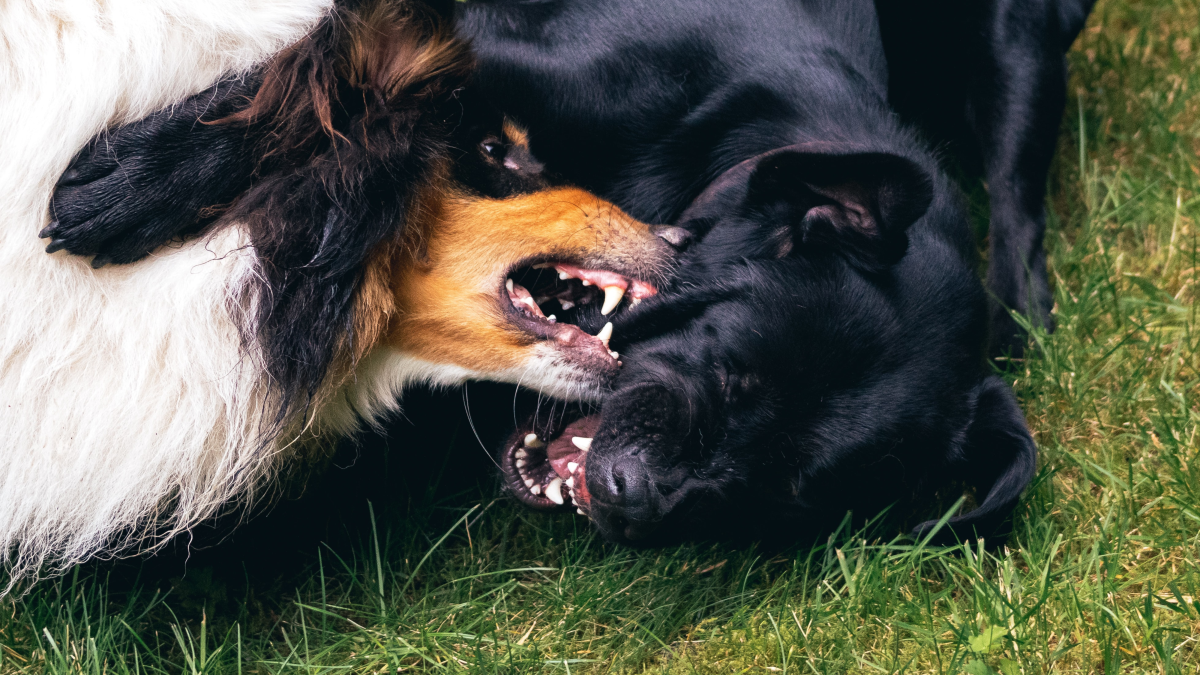
Dogs show aggression in many ways. Look for growling, snarling, or stiff body posture. Raised hackles and fixed staring also warn of aggression. Sudden lunges or snapping at cats need attention. Notice changes in behavior around cats. Early detection reduces risk of attacks.
Professional Training Options
Trainers specialize in managing dog aggression. They use positive methods to change behavior. Training sessions teach dogs to stay calm near cats. Experts create plans suited to your dog’s needs. Consistent training improves safety for all pets. Trainers also guide owners on handling triggers.
Veterinary Behavior Consultation
Veterinarians can check for medical causes of aggression. Pain or illness may make dogs irritable. Behaviorists help identify underlying issues. They suggest treatments or behavior modification plans. Medication might be needed in some cases. Professional advice ensures your dog gets the right care.
Credit: pethelpful.com
Frequently Asked Questions
Why Do Dogs Suddenly Attack Cats At Home?
Dogs may attack cats due to territorial instincts or fear. Sudden movements or unfamiliar scents can trigger their chase response. Proper training and supervision help reduce this behavior.
Can Lack Of Socialization Cause Dog Aggression Toward Cats?
Yes, dogs not socialized with cats often see them as threats. Early exposure and positive interactions promote peaceful coexistence and reduce attacks.
Do Certain Dog Breeds Attack Cats More Often?
Some breeds with strong prey drives may attack cats more frequently. However, individual temperament and training play a bigger role than breed alone.
How Can I Prevent My Dog From Attacking My Cat?
Consistent training, supervision, and positive reinforcement can prevent attacks. Introducing them gradually in a controlled environment helps build trust.
Conclusion
Dogs may attack cats due to instinct, fear, or confusion. Understanding their behavior helps prevent conflicts. Training and socializing dogs early can reduce aggression. Always supervise pets when introducing them to each other. Patience and care create a peaceful home for both.
Remember, not all dogs will attack cats without reason. Each animal has its own personality and limits. Observing signs of stress can avoid many problems. Safe and calm environments keep pets happy and secure. Keep learning about your pets’ needs and behaviors.
