


Are you curious about how long Bengal cats grow and what to expect from your stunning feline friend? Understanding your Bengal cat’s size can help you prepare the perfect space and care routine for them.
Whether you’re thinking of bringing a Bengal into your home or already have one, knowing their growth patterns can make a big difference. Keep reading to discover everything you need to know about how long Bengal cats get and how it affects their health and happiness.
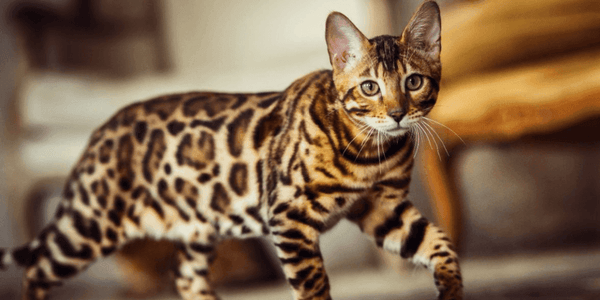
Credit: www.tippaws.com
Bengal Cat Growth Stages
Bengal cats grow rapidly during their first year and reach full size around 12 to 18 months. Adult Bengals typically weigh between 8 to 15 pounds. Their growth stages include kittenhood, adolescence, and maturity, each with distinct changes in size and appearance.
Understanding the growth stages of Bengal cats is crucial for any owner eager to see how their feline friend will develop over time. Bengal cats are known for their striking appearance and playful nature, but like all cats, they go through distinct growth phases. Each stage brings its own charm and challenges, making the journey of raising a Bengal both exciting and rewarding.Kitten Phase
During the kitten phase, which lasts from birth to around six months, Bengal kittens grow rapidly. You’ll notice a quick change in their size and energy levels. Their playful antics and curiosity know no bounds, which is great for bonding. It’s essential to provide them with the right nutrition to support their fast-paced growth. High-quality kitten food packed with proteins and essential nutrients is a must. Socialization is key during this stage. Introducing them to various environments and people can help shape a well-adjusted adult cat.Adolescent Growth
The adolescent stage occurs between six months to around two years. During this time, Bengal cats undergo significant physical and behavioral changes. You’ll observe a growth spurt where their limbs might appear disproportionately long before their bodies catch up. This is completely normal and part of their unique growth pattern. Behaviorally, you might notice a surge in independence and energy. This is the perfect time to engage them with interactive toys and activities to channel their energy positively.Adult Size Reached
Bengals typically reach their adult size by the age of two. However, their final size can vary greatly depending on genetics and diet. Adult Bengals generally weigh between 8 to 15 pounds, with males often being larger than females. Their muscular build and sleek coat give them an athletic appearance. Maintaining a healthy diet and regular exercise is crucial to keep your Bengal cat in top shape. Are you ready to see your Bengal grow into a majestic adult? Share your experiences and any tips you have for other Bengal cat owners!Average Bengal Cat Size
Bengal cats are known for their sleek and muscular build. Their size can vary but they generally maintain a strong and athletic appearance. Understanding the average size helps set realistic expectations for owners and enthusiasts alike.
Typical Weight Range
Bengal cats usually weigh between 8 and 15 pounds. Male Bengals often weigh more than females. This weight supports their active and playful nature. Maintaining a healthy weight is important for their well-being.
Common Length Measurements
The average Bengal cat length ranges from 18 to 22 inches. This measurement includes the head to the base of the tail. Their long bodies add to their graceful and agile movements. Tail length can add an additional 10 to 15 inches.
Height Expectations
Bengal cats stand about 10 to 12 inches tall at the shoulder. Their height complements their muscular frame. This size helps them jump and climb with ease. Bengals appear larger due to their strong bone structure and muscle mass.
Factors Influencing Size
The size of Bengal cats varies widely. Several key factors shape how big these cats grow. Understanding these can help predict a Bengal cat’s adult size. Genetics, diet, and health all play vital roles.
Genetics And Lineage
Genes passed from parent cats largely decide Bengal size. Some Bengal lines are bred for larger frames. Others focus on sleek, athletic builds. The mix of wild Asian leopard cat genes also impacts size. Breeders select traits to maintain breed standards. This genetic makeup sets the foundation for growth.
Diet And Nutrition
Proper nutrition fuels healthy size and growth. Bengal kittens need protein-rich diets for muscle development. Balanced vitamins and minerals support bone strength. Poor diet can stunt growth or cause health issues. Feeding high-quality cat food ensures optimal size potential. Regular meals with the right nutrients make a big difference.
Health And Environment
Good health supports steady growth rates. Illness or parasites may slow development. Stressful or unsafe environments affect physical well-being. Bengal cats need clean, comfortable spaces to thrive. Regular vet checkups prevent hidden health problems. A healthy Bengal is more likely to reach its full size.
Male Vs Female Bengal Cats
Understanding the differences between male and female Bengal cats can help you set realistic expectations about their size and growth. These differences can affect not only their appearance but also their care and living space needs. Are you curious about how your Bengal’s gender influences its size and growth speed? Let’s break it down.
Size Differences
Male Bengal cats generally grow larger than females. On average, males weigh between 10 to 15 pounds, while females usually weigh around 8 to 12 pounds. This difference is noticeable when you see them side by side, especially in their muscular build.
In my experience with Bengals, the males tend to have broader chests and bigger paws. This can make a male Bengal feel more substantial even if the height difference isn’t extreme. If you’re looking for a cat that stands out physically, knowing this size gap is key.
Growth Rate Variations
Male Bengals usually take a bit longer to reach their full size, growing steadily until about 18 months to 2 years. Females, on the other hand, tend to mature faster, often reaching their adult size by 12 to 15 months. This means your female Bengal may look fully grown while the male is still filling out.
This growth pattern can influence how much food and playtime your Bengal needs. Have you noticed your male Bengal still acting like a playful kitten even when he’s nearly two years old? That’s partly because they are still growing and developing muscle.
Growth Timeline Milestones
Tracking your Bengal cat’s growth is exciting and helps you understand what to expect at each stage. These milestones show how quickly Bengals develop, both physically and behaviorally. Knowing this timeline lets you provide the right care and enjoy every moment of their transformation.
First 3 Months
The first three months are a rapid growth phase for Bengal kittens. They usually double their birth weight within the first two weeks and continue to gain strength and coordination. During this time, you’ll notice their playful nature emerging as they start exploring their surroundings.
At this stage, their muscles develop quickly, and their spots and rosettes become more defined. You might find your kitten climbing or pouncing unexpectedly, showing early signs of the energetic Bengal personality. Feeding them a high-quality kitten food helps fuel this intense growth.
Six Month Mark
By six months, your Bengal cat is about half their adult size but already looks sleek and muscular. Their energy levels remain high, and you may see bursts of zoomies as they test their agility. Social behaviors also deepen—they start to bond more with you and may even learn tricks or commands.
Physically, their coat pattern sharpens, and their eyes often brighten to a striking shade. This is a good time to schedule a vet check-up to ensure their growth is on track. Have you noticed your Bengal’s personality becoming more distinct around this age?
One Year And Beyond
At one year, many Bengals reach their full height but continue filling out in muscle and weight until about two years old. Their adult coat is fully developed, displaying the unique patterns Bengals are known for. Their behavior matures, balancing playful bursts with calmer moments.
Some Bengals may still grow slightly after one year, especially males. This stage is perfect for establishing consistent training and play routines to keep them happy and healthy. How will you keep your adult Bengal engaged as they settle into their personality?

Credit: www.petco.com
Tips For Supporting Healthy Growth
Supporting a Bengal cat’s healthy growth requires attention to several key areas. These help ensure your Bengal grows strong and happy. Proper care during their development stages sets a solid foundation for their adult life.
Focus on a balanced diet, regular veterinary visits, and enough exercise. These factors work together to support overall health and growth. Small changes in daily care can make a big difference.
Balanced Diet Plans
A balanced diet fuels your Bengal’s growth and energy. Choose high-quality cat food rich in protein and essential nutrients. Avoid fillers like corn or soy that offer little nutritional value.
- Include wet and dry food for variety and hydration.
- Ensure meals have taurine, vitamins, and minerals.
- Feed age-appropriate portions to prevent obesity or malnutrition.
Fresh water should always be available. Monitor eating habits and adjust diet as needed for healthy weight gain.
Regular Vet Checkups
Schedule vet visits to track your Bengal’s growth progress. Early detection of health issues helps avoid serious problems. Vaccinations and parasite control keep your cat protected.
- Discuss growth milestones with your vet.
- Ask about supplements if growth seems slow.
- Check teeth, joints, and overall body condition regularly.
Routine exams provide peace of mind and keep your Bengal in top shape.
Proper Exercise And Play
Exercise supports muscle development and mental stimulation. Bengals need active play to stay fit and avoid boredom. Use toys that encourage jumping, climbing, and chasing.
- Interactive play sessions daily build strength.
- Provide scratching posts and climbing trees.
- Rotate toys to maintain interest.
Physical activity also helps maintain a healthy weight and prevents behavior problems.
Common Growth Issues
Watching your Bengal cat grow can be exciting, but growth isn’t always smooth or predictable. Various issues might slow down or affect their development, leaving you wondering if something is wrong. Understanding common growth problems helps you spot concerns early and act to keep your Bengal healthy.
Stunted Growth Signs
Has your Bengal stopped growing, or looks smaller than other cats of the same age? Stunted growth may show as a noticeably smaller frame, thinner limbs, or delayed muscle development. If your Bengal seems less active or has a dull coat alongside small size, these signs could indicate underlying issues.
Watch for:
- Low energy levels compared to siblings or other Bengals
- Failure to gain weight steadily over weeks
- Visible bone structure due to lack of muscle or fat
Noticing these early helps you consult your vet before the problem worsens.
Overfeeding Concerns
It’s tempting to spoil your Bengal with extra treats or large meals, but overfeeding can create growth problems too. Excess calories might cause your cat to gain unhealthy weight, leading to joint stress and slow mobility. This can confuse owners, who mistake a chunky build for healthy growth.
Keep an eye on:
- Rapid weight gain without muscle increase
- Difficulty jumping or playing actively
- Breathing issues during mild exercise
Feeding the right amount for your Bengal’s age and activity level is crucial. Have you checked if your cat’s food portions match the vet’s recommendations?
Health Conditions Affecting Size
Several health problems can stunt your Bengal’s growth or alter its size. Parasites, hormonal imbalances, or chronic illnesses like kidney disease can interfere with nutrient absorption and development. Sometimes, these conditions sneak up quietly without obvious early symptoms.
Key health issues to watch for include:
| Condition | Effect on Growth | Warning Signs |
|---|---|---|
| Parasites | Limit nutrient uptake, causing weight loss | Diarrhea, vomiting, lethargy |
| Hypothyroidism | Slow metabolism, delayed growth | Hair thinning, low energy |
| Kidney Disease | Reduced appetite, poor nutrient use | Increased thirst, weight loss |
Regular vet checkups and prompt attention to unusual signs can make a big difference. Have you scheduled your Bengal’s health screenings this year?
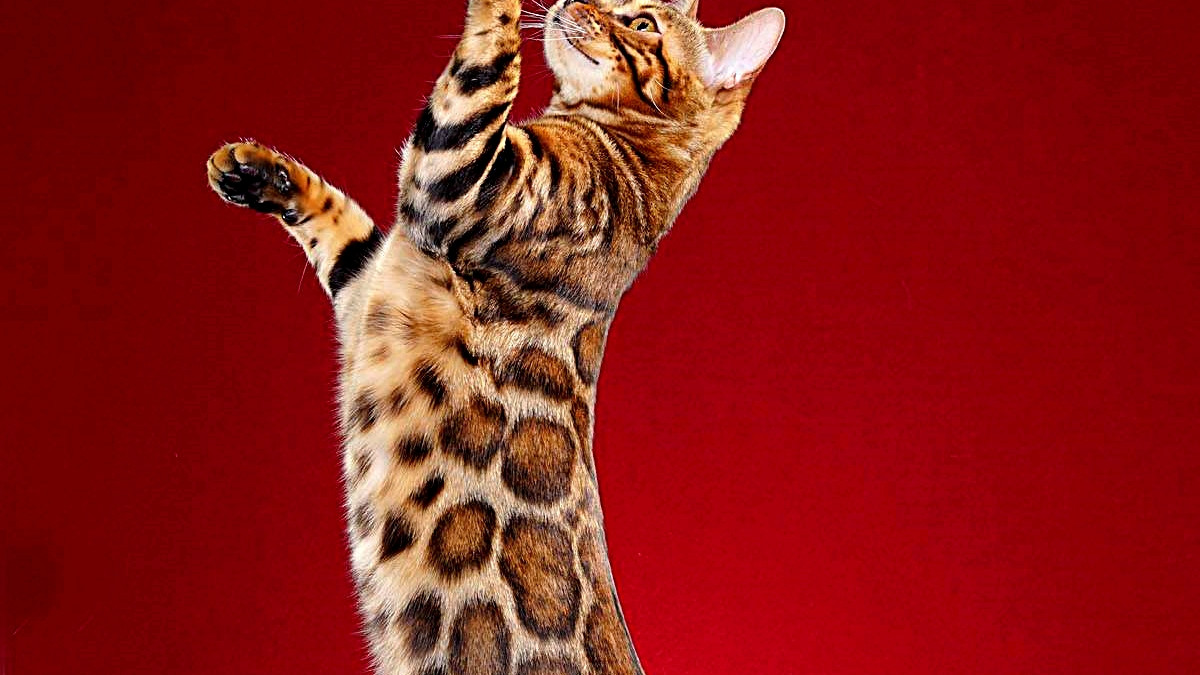
Credit: pethelpful.com
Comparing Bengal Cats To Other Breeds
Bengal cats have a unique size and growth pattern that sets them apart. Comparing Bengals to other breeds helps understand their physical traits better. It also shows why Bengal cats may require different care and attention. This section explores how Bengal cats differ in size and growth speed from other popular cat breeds.
Size Differences
Bengal cats are generally larger than many common breeds. They have muscular bodies and long legs. For example, Bengals often weigh between 8 to 15 pounds. This is heavier than breeds like the Siamese or the Persian, which usually weigh less.
Here is a quick size comparison:
| Breed | Average Weight | Body Type |
|---|---|---|
| Bengal | 8-15 lbs | Muscular and long-legged |
| Siamese | 6-10 lbs | Slender and elegant |
| Persian | 7-12 lbs | Stocky and round |
| Maine Coon | 10-25 lbs | Large and sturdy |
Bengals fall between medium and large sizes. They are not as big as Maine Coons but bigger than many other breeds.
Growth Speed Comparisons
Bengal cats grow faster than some breeds. They reach near full size by 12 to 18 months. In contrast, Maine Coons can take up to 3 or 4 years to fully mature.
Smaller breeds like the Siamese grow quickly and mature by 12 months. Bengals share this faster growth pattern but gain more muscle mass.
- Bengals grow rapidly in the first year.
- Muscle development continues into the second year.
- Smaller breeds finish growth earlier but stay lighter.
- Larger breeds grow slower but end up heavier.
Understanding these differences helps set the right expectations for Bengal cat owners. It explains why Bengals may seem bigger and more active compared to other cats of similar age.
Frequently Asked Questions
How Long Do Bengal Cats Typically Grow?
Bengal cats usually reach their full size between 12 to 18 months. Males tend to be larger than females. Adult Bengals weigh between 8 to 15 pounds, with a muscular build and sleek appearance.
What Is The Average Height Of Bengal Cats?
Bengal cats stand about 10 to 12 inches tall at the shoulder. Their height varies depending on genetics and diet. They have a medium to large frame compared to other domestic cats.
When Do Bengal Cats Stop Growing?
Bengal cats generally stop growing after 18 months. Growth slows significantly after their first year. Proper nutrition and care during this period support healthy development.
Do Bengal Cats Grow Longer Than Other Breeds?
Yes, Bengals often grow longer due to their wild ancestry. They have a lean, athletic body with a longer torso and legs. This gives them a more elongated and agile appearance.
Conclusion
Bengal cats usually grow to about 16 to 22 inches long. Males tend to be larger than females. Their size depends on genetics and diet. Knowing their typical length helps with care and space planning. Bengal cats stay active and need room to play.
Watching their growth helps you understand their health. Enjoy your Bengal cat’s unique size and energy. They make lively and loving pets for many homes.
