

Is your cat acting differently and you wonder if she’s about to have kittens? Knowing when your cat is in labour can feel confusing, especially if it’s your first time.
But spotting the signs early helps you prepare and keep your cat calm and safe. You’ll learn clear, simple ways to tell if your cat is in labour, so you won’t miss a thing. Keep reading to make sure you’re ready to support your furry friend every step of the way.
Signs Before Labour
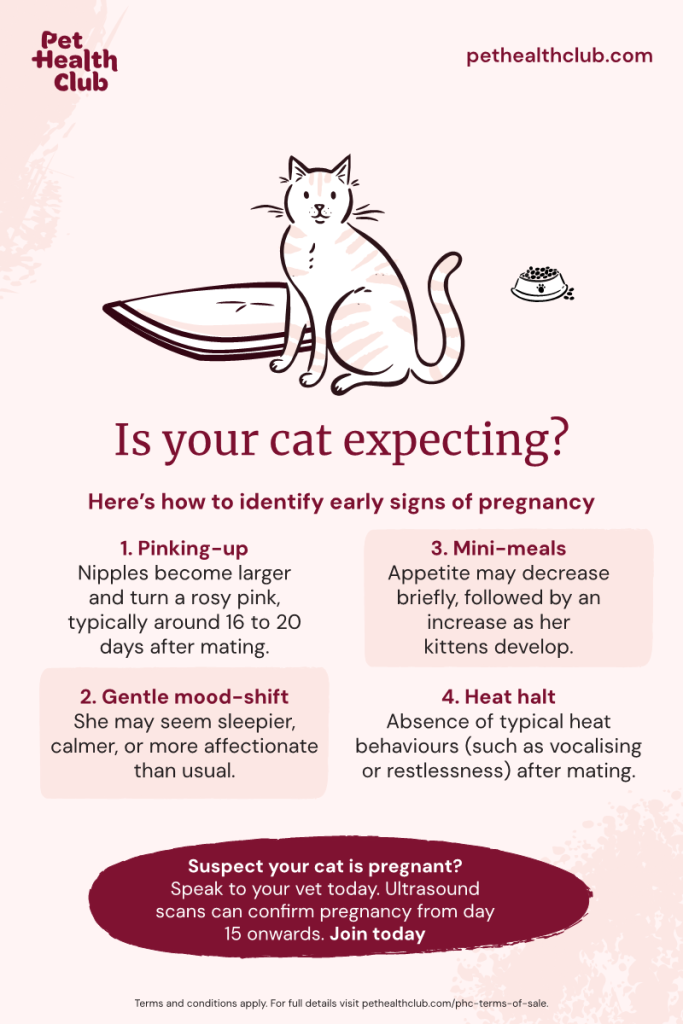
Cats often hide and become restless before labour begins. Watch for nesting behavior, loss of appetite, and frequent licking of the genital area. These signs mean kittens will arrive soon.
Understanding the signs before your cat goes into labor is crucial for ensuring her comfort and safety. Cats, like many animals, exhibit specific behaviors and physical changes as they prepare to give birth. By recognizing these signs early, you can provide the right support and be ready for the arrival of the kittens. Let’s explore some of the key signs that indicate labor is approaching.Changes In Appetite
Cats often experience a shift in their eating habits as labor nears. You might notice your cat eating less or skipping meals altogether. This change can be due to the pressure on her stomach from the growing kittens. Keep an eye on this pattern, and ensure she has access to fresh water and food at all times.Nesting Behavior
Your cat might start displaying nesting behavior, an instinctual preparation for the birth of her kittens. She may begin searching for a quiet, comfortable spot to give birth. You might find her gathering soft items like towels or blankets to create a cozy space. Providing a designated nesting area can help her feel secure and reduce stress.Restlessness And Pacing
Restlessness is a common sign that labor is approaching. Your cat may start pacing around the house, unable to settle down comfortably. This behavior indicates that she is feeling the onset of labor and is trying to find a suitable place to give birth. Observe her closely and ensure she has a safe, quiet environment.Temperature Drop
A noticeable drop in body temperature is one of the most reliable indicators that labor is imminent. A cat’s normal body temperature typically ranges between 100.5°F and 102.5°F. As labor approaches, her temperature may drop to about 99°F or lower. Regularly checking her temperature can give you a clearer idea of when labor will begin. By staying alert to these signs, you can ensure your cat receives the care she needs during this critical time. Are you prepared for the arrival of those tiny paws?
Credit: m.youtube.com
Physical Changes
Recognizing the physical changes your cat goes through during labour can help you prepare and provide the right care at the right time. These signs are often subtle at first but become more obvious as delivery approaches. Paying close attention to these changes can make the experience smoother for both you and your feline friend.
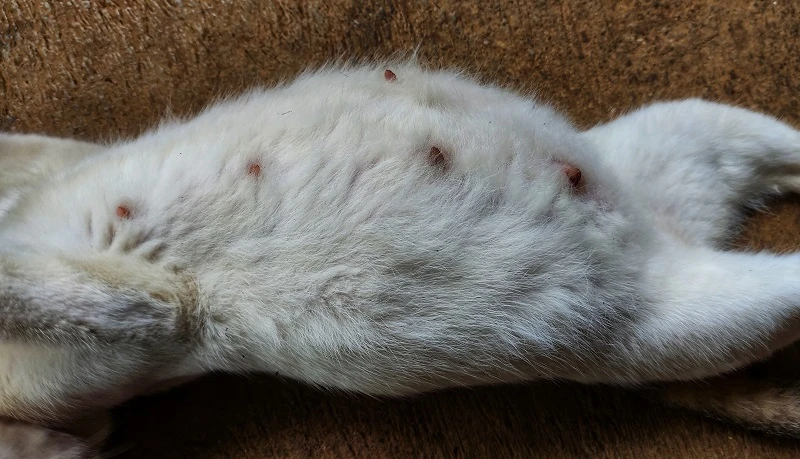
Swollen Nipples
One of the earliest signs that your cat is getting ready to give birth is swollen, pink nipples. This happens because her body is preparing to feed the kittens. You might notice her nipples becoming larger and more prominent than usual, often feeling warm to the touch.
If you see this change, it usually means labour is approaching within a few days. Have you checked your cat’s nipples recently? It’s a simple way to gauge her progress without causing stress.
Vulva Changes
The vulva will change noticeably as labour nears. It often becomes swollen and redder, showing that her body is getting ready for delivery. This swelling is a natural sign that the birth canal is opening up.
These changes might seem small, but they are important indicators. If you observe her vulva looking different, it might be time to prepare a quiet, comfortable space for her to give birth.
Mucus Discharge
Mucus discharge from the vulva is a clear sign that labour could start soon. This discharge is usually clear or slightly pink and indicates that the cervix is dilating. It’s a good idea to monitor the amount and color closely.
Noticing mucus discharge often means kittens will arrive within 24 hours. Have you prepared a nesting box for your cat? This is the moment to make sure everything is ready for her comfort and safety.
Behavioral Shifts
Behavioral shifts in cats often signal the start of labor. These changes can help you recognize when your cat is about to give birth. Watching closely for these signs can prepare you for the arrival of kittens.
Increased Affection
Your cat may suddenly want more attention. She might follow you around or rub against you more often. This behavior shows she feels vulnerable and seeks comfort. Petting and gentle talking can soothe her during this time.
Withdrawal And Hiding
Some cats become quiet and distant before labor. They look for a safe, hidden place to nest. This is a natural instinct to protect her kittens. Provide a cozy, quiet spot for her to retreat to easily.
Vocalizations
Notice changes in your cat’s sounds. She might meow more or make unusual noises. These vocalizations express discomfort or anxiety. Listening carefully helps you understand her needs better.
Credit: www.pethealthclub.com
Labor Stages In Cats
Understanding the labor stages in cats is essential for any cat owner expecting a litter. Each stage has distinct signs that signal your cat’s body is preparing for the arrival of her kittens. Recognizing these stages helps you provide the right support and know when to call a vet.
Early Contractions
Early contractions are often subtle and can last for several hours. You might notice your cat becoming restless or pacing more than usual. She may also groom herself excessively and seek out a quiet, secluded spot to nest.
Watch for mild abdominal tightening that comes and goes. Unlike strong contractions, these early ones won’t cause her to strain or push yet. Have you noticed your cat acting differently, such as hiding or vocalizing softly? That’s a key sign she’s entering this phase.
Active Labor
Active labor is more intense and signals that kittens will arrive soon. Your cat will have stronger, more frequent contractions and may pant or pace anxiously. She might also refuse food and exhibit signs of discomfort.
During this phase, her body is working hard to move the kittens into position. You might hear her meow or yowl, which can be distressing but is normal. Keep the environment calm and quiet—your cat needs your reassurance now more than ever.
Delivery Of Kittens
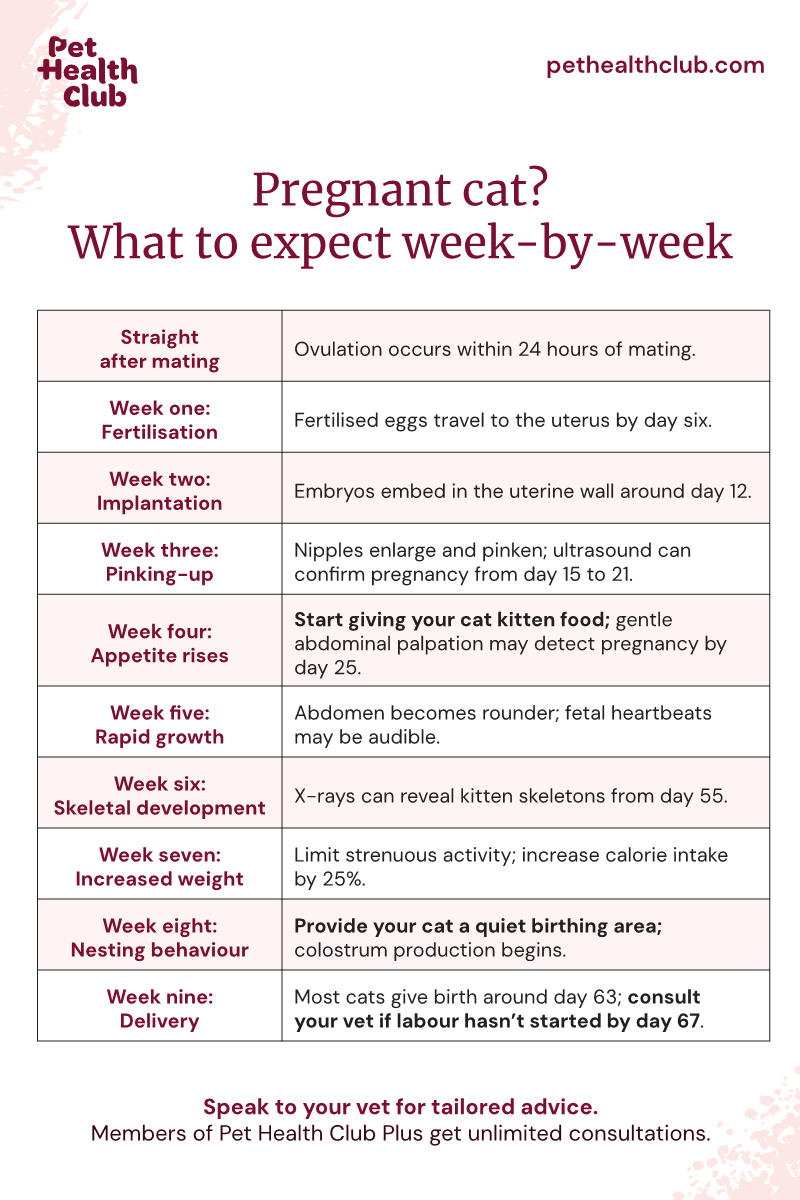
Delivery begins when your cat starts pushing during contractions. You’ll see the amniotic sac or a kitten emerge, usually head or feet first. Each kitten typically takes about 10 to 60 minutes to be born.
After each kitten, the mother will often clean it and chew off the umbilical cord. She may rest briefly before the next one arrives. Are you prepared to assist if a kitten gets stuck or if delivery takes too long? Having a vet’s number handy is crucial at this stage.
When To Contact A Vet
Knowing when to contact a vet during your cat’s labor is crucial. Some signs mean your cat needs immediate help. Acting fast can save both the mother and her kittens.
Watch your cat closely. Labor can be stressful and sometimes dangerous. Understanding warning signs helps you make the right choice.
Prolonged Labor
Labor usually lasts a few hours. If it goes beyond 24 hours, call a vet. Long labor can drain your cat’s energy. It may also signal a problem with the kittens.
Signs Of Distress
Distress signs include heavy panting and loud crying. If your cat seems weak or confused, seek help. Uncontrolled bleeding or vomiting also needs urgent attention. These symptoms show your cat is in trouble.
No Kitten After Contractions
Strong contractions should lead to kittens soon. If there are no kittens after 30 minutes of hard contractions, contact a vet. Delays can mean a stuck kitten. This is dangerous for both mother and babies.
Credit: www.pethealthclub.com
Frequently Asked Questions
What Are The First Signs My Cat Is In Labour?
Your cat may show nesting behavior, restlessness, and panting. She might also groom herself excessively and refuse food.
How Long Does Cat Labour Usually Last?
Cat labour typically lasts between 6 to 12 hours. However, the entire birthing process can take up to 24 hours.
When Should I Call A Vet During Cat Labour?
Contact a vet if labour exceeds 24 hours, or if your cat shows distress, heavy bleeding, or no kitten delivery after active contractions.
How Can I Prepare A Safe Space For My Labouring Cat?
Prepare a quiet, warm, and comfortable area with clean towels or blankets. Ensure it’s free from noise and disturbances for her comfort.
Conclusion
Watching your cat closely helps you know when labor starts. Signs like restlessness, nesting, and frequent licking show she is ready. Keep a calm space and prepare for the kittens’ arrival. Stay near but do not disturb her too much.
If you notice unusual pain or long delays, call a vet right away. Knowing these signs keeps your cat safe and comfortable. You will feel ready to help your cat welcome her new kittens. Simple care and attention make a big difference.
