

Is your cat acting different lately? You might be wondering, “How do I tell if my cat is in heat?”
Understanding your cat’s behavior during this time can be confusing and even stressful. But knowing the signs will help you care for her better and keep your home calm. You’ll discover clear, easy ways to recognize when your cat is in heat—and what you can do about it.
Keep reading to learn the simple clues that tell you exactly what’s going on with your furry friend.
Behavioral Changes
Cats in heat often show clear changes in behavior. They may become more vocal, restless, and affectionate. Noticeable signs include rubbing against objects and frequent rolling on the floor.
Understanding the behavioral changes in your cat can be both fascinating and crucial, especially when she is in heat. Noticing these signs early can help you provide the comfort and care she needs. Cats exhibit a range of behaviors that signal they are in heat, and being attuned to these can make all the difference for her well-being.Increased Vocalization
You may find your usually quiet feline friend suddenly very chatty. Cats in heat often increase their vocalizations, sometimes to an extent that might keep you up at night. These calls are their way of attracting a mate, and the sounds can range from soft meows to loud yowls. It’s their natural way of communicating a need, and while it might be surprising at first, it’s entirely normal.Restlessness And Agitation
Has your cat been pacing around more than usual? Cats in heat may exhibit signs of restlessness and agitation. They might seem unable to settle and could frequently change spots around the house. This restlessness is often coupled with a desire to escape outdoors, where they instinctively feel they might find a mate.Affectionate Behavior
You might notice your cat being unusually affectionate during this period. She may rub against you more often or demand more petting and attention. This increase in affectionate behavior is another way cats signal they are in heat. While it’s a lovely opportunity to bond, be aware that this behavior is driven by her natural instincts. Recognizing these changes not only helps you understand your pet better but also ensures that she is safe and comfortable during this time. Are you prepared to handle these behavioral changes? Understanding these signs can help you manage your cat’s needs more effectively during her heat cycle.Physical Signs
Recognizing physical signs helps identify if a cat is in heat. These signs show changes in her body and behavior. Paying attention to these can guide you in caring for her properly.
Swollen Genital Area
The genital area of a cat in heat often looks swollen. It may appear redder than usual. This swelling happens because of hormonal changes. You might notice some discharge, but it is usually clear and not smelly.
Frequent Licking
A cat in heat may lick her genital area more than normal. This licking helps her stay clean and soothe any discomfort. It is a natural response to the swelling and irritation she feels.
Posture Changes
Posture changes are common in cats during heat. She may raise her hindquarters and move her tail to the side. This position signals she is ready to mate. She might also rub against furniture or people more often.
Timing And Frequency
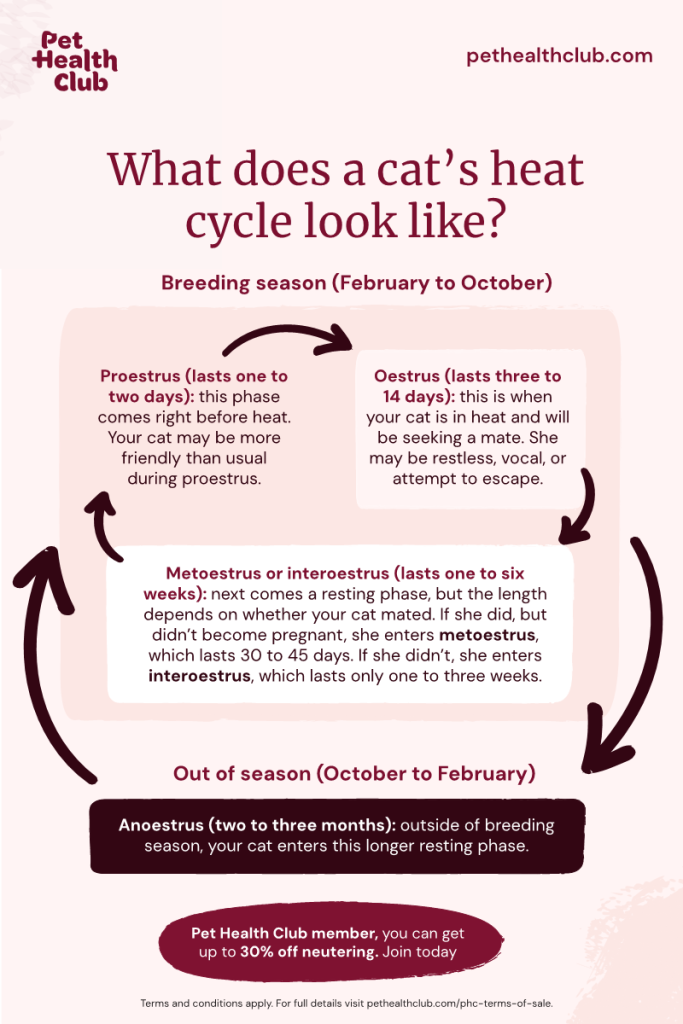
Understanding the timing and frequency of a cat’s heat cycle helps in recognizing when she is in heat. Cats usually follow a specific pattern that repeats over several weeks. Knowing this pattern makes it easier to spot heat signs early.
Heat Cycle Duration
A cat’s heat cycle lasts about 4 to 7 days. During this time, she shows clear signs of being in heat. Some cats might have shorter or longer cycles. This phase is when she is most fertile and seeks attention.
After this period, the cat might stop showing heat signs for a few weeks. If she does not mate, the heat cycle will start again soon.
Recurring Patterns
Heat cycles often happen every 2 to 3 weeks. This regular pattern continues for several months, especially in spring and summer. The frequency can vary based on the cat’s age and breed.
Unspayed cats can go into heat many times a year. Recognizing these recurring patterns helps owners prepare and manage their cat’s behavior better.

Credit: www.youtube.com
Distinguishing Heat From Other Conditions
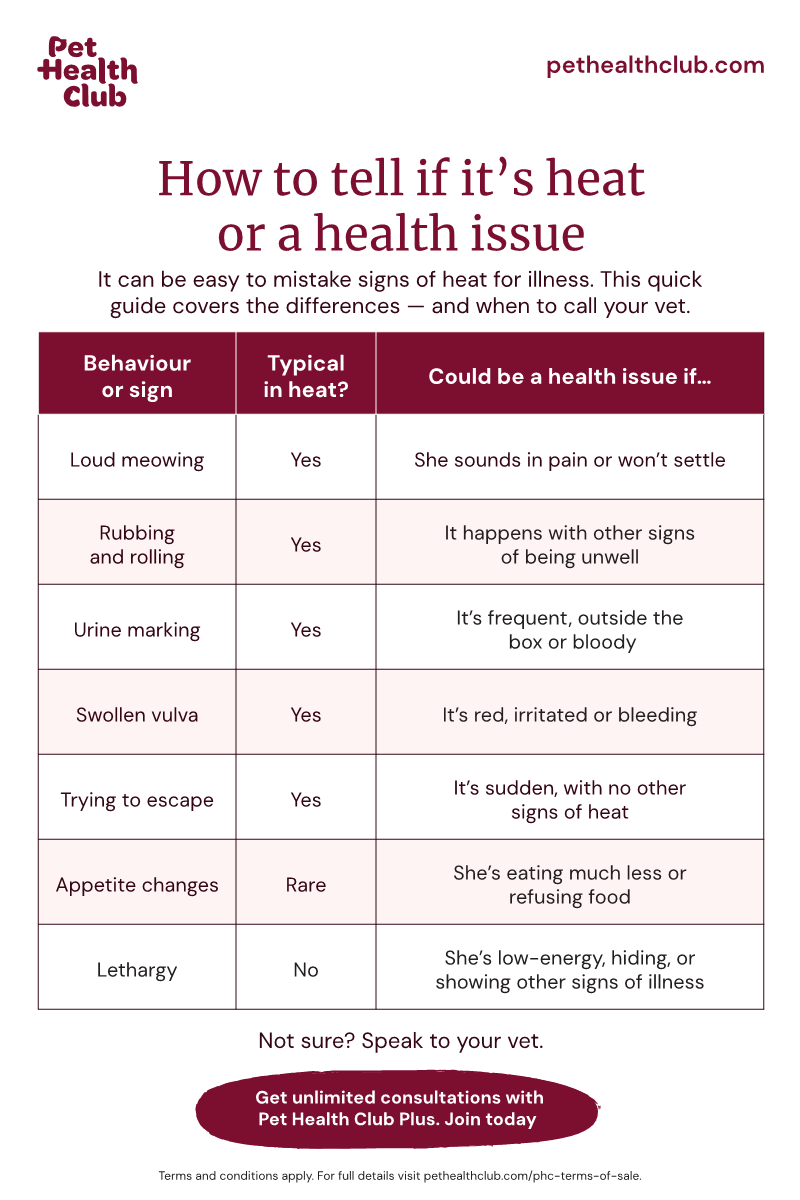
Recognizing whether your cat is in heat or dealing with another health issue can be tricky. Many symptoms overlap, making it important to carefully observe your cat’s behavior and physical signs. Understanding these differences helps you provide the right care and avoid unnecessary worry.
Behavior Vs Illness
Heat behavior often includes loud vocalizing, restlessness, and frequent rubbing against objects. These actions are usually periodic and linked to your cat’s reproductive cycle.
Illness, on the other hand, might cause lethargy, loss of appetite, or unusual hiding. If your cat is in pain or discomfort, she won’t be as active or affectionate as she normally is during heat.
Have you noticed sudden changes in your cat’s grooming habits or posture? These can signal health problems rather than heat. For example, urinary tract infections can cause frequent licking and discomfort, which might be confused with heat signs.
When To Consult A Vet
If your cat’s behavior doesn’t match typical heat patterns or if symptoms last longer than usual, it’s time to get a professional opinion. Persistent yowling combined with signs like vomiting, diarrhea, or swelling could indicate illness.
Don’t hesitate to bring up unusual behaviors with your vet, especially if your cat hasn’t been spayed. Your vet can perform tests to rule out infections, hormonal imbalances, or other conditions.
What’s your cat’s usual behavior during heat, and how does it compare to what you’re seeing now? Keeping a daily log of her actions can help your vet make a quicker and more accurate diagnosis.
Managing A Cat In Heat
Managing a cat in heat can be challenging, but understanding how to care for her during this time makes a big difference. Your cat’s behavior might change, and she may become more vocal or restless. Providing the right environment and taking precautions helps both you and your cat stay calm and safe.
Keeping Her Comfortable
Comfort is key when your cat is in heat. Create a cozy, quiet space where she can relax without too much noise or disturbance.
Try using soft blankets or her favorite bed to make the area inviting. Cats often seek extra attention, so gentle petting or talking softly can soothe her.
Consider playing calming music or using a pheromone diffuser designed for cats. These can reduce stress and help your cat feel more secure during this time.
Preventing Unwanted Pregnancies
One important step is preventing your cat from becoming pregnant if you’re not planning to breed her. Keep her indoors at all times to avoid contact with male cats.
Make sure all windows and doors are securely closed or screened. Male cats can be persistent, and even a small opening might be enough for them to get in.
Spaying your cat is the most effective way to prevent future heat cycles and unwanted litters. Have you talked to your vet about the best time for this procedure? It’s worth discussing to protect your cat’s health and reduce stress for both of you.

Credit: www.youtube.com
Credit: www.pethealthclub.com
Frequently Asked Questions
How Can I Recognize If My Cat Is In Heat?
Signs include loud vocalizing, restlessness, and affectionate behavior. Cats may also assume a mating position and spray urine. These behaviors indicate your cat is ready to mate and needs extra care.
How Long Does A Cat Stay In Heat Typically?
A cat’s heat cycle usually lasts 7 to 10 days. If she doesn’t mate, the cycle repeats every two to three weeks until she is pregnant or spayed.
Can Indoor Cats Go Into Heat Too?
Yes, indoor cats experience heat cycles just like outdoor cats. Heat cycles are driven by hormonal changes, not by outdoor exposure or seasons.
Is My Cat’s Behavior Normal During Heat?
Yes, increased vocalization and rubbing against objects are typical. These behaviors help attract mates and signal her readiness to breed.
Conclusion
Cats in heat show clear signs you can notice daily. Watch for loud meowing, restlessness, and rubbing against objects. These behaviors mean she is ready to mate. Knowing these signs helps you care for her better. Stay patient and gentle during this time.
Keep her safe and comfortable until the heat passes. Understanding your cat’s needs builds a stronger bond. This knowledge makes pet care easier and less stressful. Remember, attention and love are what she needs most now.
