


Are you wondering if cats and rabbits can live peacefully together? You’re not alone.
Many pet owners ask this question because both animals have unique personalities and needs. Imagine your furry friends sharing the same space without stress or fights. Sounds great, right? You’ll discover the surprising truth about how cats and rabbits interact.
You’ll learn what to watch for and how to help them build a happy relationship. Keep reading to find out if your cat and rabbit can become the best of friends.
Cat And Rabbit Behavior
Cats and rabbits can live together peacefully with careful introduction and supervision. Both animals have different behaviors but can learn to share space. Patience and gentle handling help build trust between them.
Cats and rabbits can share a home, but their behaviors differ greatly. Understanding these differences helps in fostering a peaceful coexistence.Natural Instincts
Cats are natural hunters. Their instincts drive them to chase and pounce. Rabbits are prey animals. They are cautious and quick to flee. These instincts can cause tension. Cats might see rabbits as prey. Rabbits may view cats as threats.Social Tendencies
Cats can be solitary. They enjoy independence and alone time. Rabbits, on the other hand, are social creatures. They thrive in groups and love companionship. This contrast in social tendencies may affect their interactions. Understanding these traits helps in managing their relationship.Communication Styles
Cats communicate with body language and vocal sounds. They purr, hiss, and meow to express feelings. Rabbits are quieter. They use subtle cues like thumping and nudging. These differences can lead to misunderstandings. Observing these styles helps in understanding their moods and needs.
Credit: www.allthingsrabbits.com
Introducing Cats To Rabbits
Introducing cats to rabbits requires care and patience. Cats have natural hunting instincts. Rabbits are prey animals and may feel scared. A slow, controlled introduction helps build trust. It reduces stress for both pets. Preparing a calm environment is key. Each animal needs its own safe space first.
Safe Initial Meetings
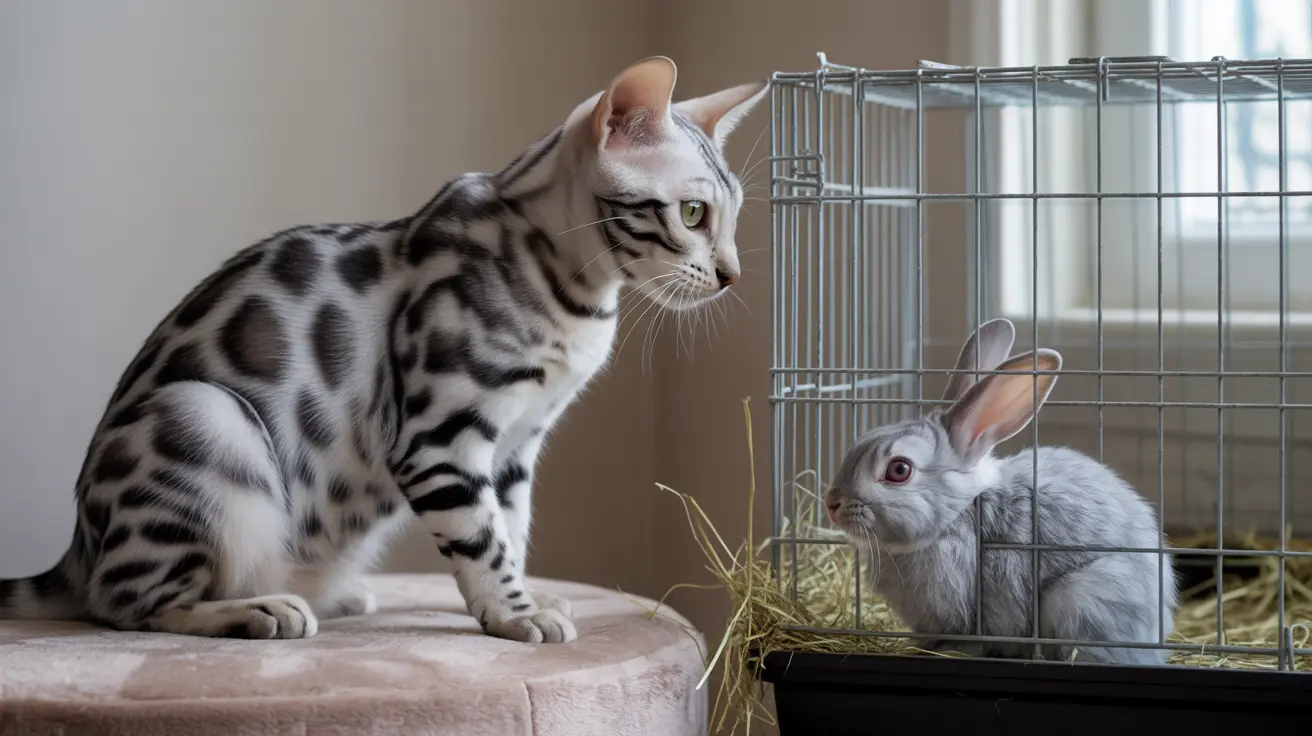
Start introductions in a quiet room. Keep the rabbit in a secure enclosure. Let the cat observe without touching. Use a baby gate or playpen for separation. Allow both animals to see and smell each other safely. Keep meetings short, about 5 to 10 minutes. Gradually increase time as they get comfortable.
Monitoring Interactions
Watch body language closely during meetings. Look for relaxed postures and calm behavior. The cat should not stalk or pounce. The rabbit should not freeze or thump loudly. Stay nearby to intervene if needed. Never leave them alone together until fully confident. Consistent supervision helps prevent accidents.
Signs Of Stress Or Aggression
Recognize signs of stress in both pets. Rabbits may hide, thump, or flatten ears. Cats may hiss, growl, or swipe paws. Tail flicking or raised fur shows tension. Stop interactions immediately if signs appear. Allow time for pets to calm down. Gradual positive experiences help reduce fear and aggression.
Factors Influencing Compatibility
Several factors affect how well cats and rabbits can live together. Understanding these helps create a peaceful home for both. Compatibility depends on their nature, surroundings, and past experiences.
Age And Temperament
Young animals often adapt better to new friends. Older pets might resist changes more. Calm and gentle personalities usually get along well. Aggressive or fearful pets may cause stress. Matching temperaments is key to harmony.
Environment Setup
Space matters a lot for safety and comfort. Separate areas let pets feel secure. Quiet spots reduce stress and avoid conflicts. Proper hiding places help rabbits feel safe. Cats need vertical spaces to observe without pressure.
Previous Experiences
Pets with positive past interactions adapt faster. Animals used to other species are more accepting. Bad experiences can cause fear or aggression. Patience and gradual introductions build trust. Knowing history helps prevent problems early.
Credit: www.petscare.com
Benefits Of Cat And Rabbit Friendship
Friendships between cats and rabbits offer many benefits for both pets. These bonds create a positive environment and improve their overall well-being. Cats and rabbits can enjoy each other’s company, boosting their happiness and health.
Companionship
Pets often feel happier with friends around. Cats and rabbits provide each other with company. They share space and activities, reducing boredom. This companionship helps them feel safe and loved.
Mental Stimulation
Interacting with a different species keeps minds sharp. Cats watch rabbits move, and rabbits notice cats’ actions. This curiosity encourages playful behavior. Mental exercise helps prevent stress and destructive habits.
Reduced Loneliness
Being alone can cause sadness in pets. A cat and rabbit friendship reduces loneliness for both. They offer comfort and warmth, especially when humans are away. This emotional support improves their mood and health.
Challenges And Risks
Bringing cats and rabbits together can seem like a charming idea, but it’s important to understand the challenges and risks involved. Both animals have different instincts and needs that may lead to tension or even harm. Before you decide to let them interact freely, consider the possible issues that could arise and how to handle them safely.
Predatory Behavior
Cats are natural hunters, and rabbits can easily trigger their predatory instincts. Even if your cat seems gentle, sudden movements from a rabbit might cause a chase. This can stress the rabbit and lead to injuries.
Think about your cat’s breed and personality. Some breeds have a stronger prey drive than others. Have you noticed your cat stalking toys or small animals? That might be a warning sign.
Health Concerns
Rabbits and cats carry different germs and parasites that can affect each other’s health. For example, cat fleas can irritate rabbits, and some diseases might pass between species. This makes regular vet checks essential.
Also, rabbits have delicate digestive systems sensitive to stress. A stressful encounter with a cat could lead to serious health problems like gastrointestinal stasis. How often do you monitor your rabbit’s behavior after interactions with your cat?
Supervision Needs
You should never leave cats and rabbits alone together without supervision. Even the friendliest animals can act unpredictably. Close supervision helps you spot warning signs early and intervene.
Start with short, controlled introductions in neutral spaces. Use barriers like pet gates to separate them while allowing sight and scent exposure. This careful approach reduces risks and builds trust over time.
Tips For Harmonious Living
Creating a peaceful home for both cats and rabbits takes careful planning and patience. These two animals have very different instincts and communication styles, so it’s important to set the stage for positive interactions. Your goal is to build trust and respect between them, which leads to a happier living environment for everyone.
Separate Spaces
Start by giving your cat and rabbit their own safe zones. Each pet needs a space where they can retreat and feel secure without interference.
Use baby gates or pet pens to create clear boundaries. This prevents sudden encounters that might stress either animal.
Have separate feeding areas to avoid food guarding or competition. This simple step helps reduce tension early on.
Gradual Bonding
Introducing your cat and rabbit too quickly can cause fear or aggression. Instead, allow them to get used to each other’s scent first.
Swap bedding or toys between their spaces. This helps them become familiar with one another without direct contact.
Next, arrange short, supervised meetings in a neutral area. Watch closely for any signs of stress or curiosity, and keep sessions brief at first.
Positive Reinforcement
Reward calm and friendly behavior with treats or gentle praise. This encourages your pets to associate each other with good experiences.
Be consistent with rewards so they learn what behavior you expect. Avoid punishing either animal, as this can increase anxiety and set back progress.
Have you noticed your cat watching your rabbit with curiosity rather than aggression? Use that moment to offer a treat and say a calm word. Small actions like these build a bridge between their worlds.
Real-life Stories
Many pet owners wonder about the relationship between cats and rabbits. Stories from real pet homes show a wide range of experiences. Some cats and rabbits live peacefully together. Others need careful introduction and supervision. These stories help us understand what works best.
Successful Pairings
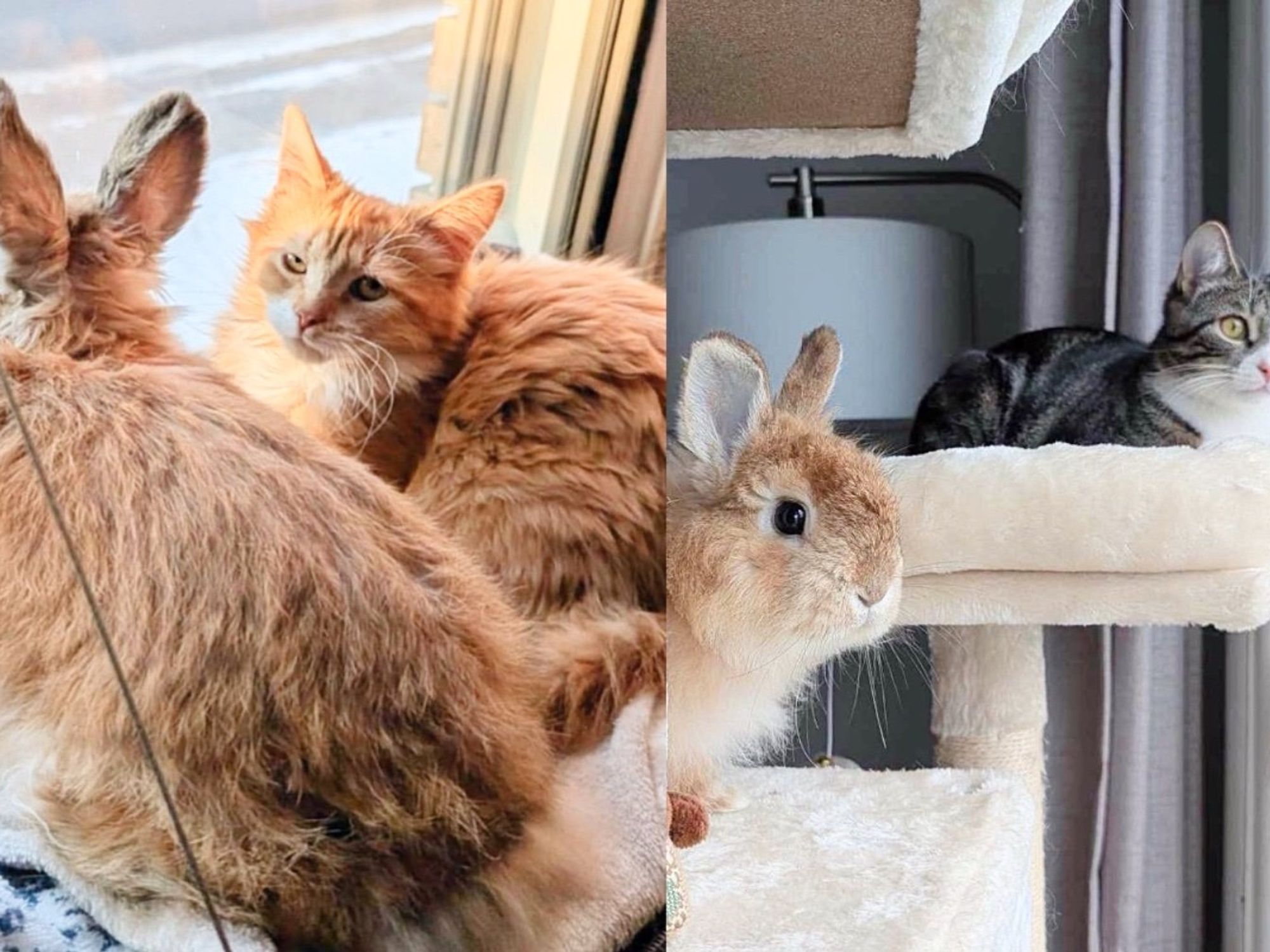
Some cats and rabbits become close friends. They share spaces without fights or fear. Owners report calm cats who gently sniff their rabbit pals. Rabbits often feel safe and curious around these cats. Quiet, patient cats tend to do well with rabbits. Rabbits with calm personalities also adjust better.
Lessons Learned
Not every cat and rabbit get along right away. Many owners learn to introduce them slowly. Separate spaces at first help both pets feel safe. Watching body language is key. Signs of stress or aggression need attention. Some cats chase or paw at rabbits. This behavior requires quick intervention to avoid harm. Patience and time often improve relations.
Expert Advice
- Introduce pets in a controlled, quiet space.
- Use barriers like baby gates for safe meetings.
- Never leave them alone without supervision.
- Observe their behavior closely during introductions.
- Reward calm and gentle interactions with treats.
- Give each pet its own food and resting areas.
Experts stress that each animal has unique needs. A slow, steady approach works best to build trust. Understanding animal signals prevents problems. With care, cats and rabbits can become good companions.
Credit: www.lovemeow.com
Frequently Asked Questions
Can Cats And Rabbits Live Together Peacefully?
Yes, cats and rabbits can live together peacefully with proper introduction. Supervised meetings and gradual acclimation help them build trust. Monitoring their interactions is crucial to prevent stress or aggression. Each pet’s personality affects their compatibility significantly.
How To Introduce A Cat To A Rabbit Safely?
Introduce cats and rabbits slowly in a controlled environment. Use barriers like a pet gate for initial meetings. Observe body language and separate them if either shows stress. Reward calm behavior with treats to encourage positive associations.
Are Cats A Danger To Rabbits?
Cats can pose a danger to rabbits due to predatory instincts. Rabbits are prey animals and may feel threatened by cats. Always supervise interactions and never leave them alone until trust is established. Safe spaces for rabbits are essential.
What Signs Show Cats And Rabbits Get Along?
Signs include relaxed body language, gentle sniffing, and playful behavior. Both animals will remain calm and show curiosity without aggression. Rabbits may approach cats without fear, and cats won’t chase or pounce.
Conclusion
Cats and rabbits can live together peacefully with care. Each animal has its own nature and habits. Patience and slow introductions help build trust. Always watch their first meetings closely. Never leave them alone until sure they get along. Respect each pet’s space and needs.
A calm home makes friendship easier. Many owners see cats and rabbits enjoy each other’s company. It takes effort but can be very rewarding. Your pets can become good friends over time.
