

Are you wondering if your indoor cat really needs a rabies shot? It’s a question many cat owners ask but don’t always get a clear answer to.
You want to keep your furry friend safe, but is the vaccine necessary if your cat never goes outside? Understanding the risks and benefits can help you make the best choice for your pet’s health. Keep reading to discover why rabies shots might still be important for your indoor cat and what you need to know to protect both your cat and your family.

Credit: millsanimalhospital.com
Rabies And Cats
Rabies is a serious viral disease affecting mammals, including cats. It’s often linked to wild animals like raccoons and bats. But domestic pets can also be at risk. Even indoor cats aren’t completely safe from the threat of rabies. Understanding how rabies spreads and the risk factors for indoor cats is crucial.
How Rabies Spreads
Rabies spreads through the saliva of infected animals. Bites are the most common transmission method. But scratches or open wounds can also be entry points. Wild animals such as bats, skunks, and raccoons are common carriers. In urban areas, stray dogs and cats might carry the virus. Even a brief encounter with an infected animal can pose a risk.
Risk Factors For Indoor Cats
Many believe indoor cats are safe from rabies. This isn’t entirely true. Indoor cats may still face exposure risks. A bat can accidentally enter a home, posing a threat. An open window or door can provide access to wild animals. Indoor cats might escape outside, increasing their risk. Contact with other pets or animals during vet visits can also be a factor. Regular rabies vaccinations help protect indoor cats from these risks.

Credit: weareallaboutcats.com
Vaccination Laws
Vaccination laws for cats vary widely depending on the area. These laws set the rules for rabies shots and other vaccines. They aim to protect both pets and people from disease outbreaks. Understanding these laws helps cat owners keep their pets safe and legal.
Legal Requirements By Region
Many places require rabies shots for all cats, even indoor ones. Some regions only require vaccination if the cat goes outside. Laws differ by country, state, and city. Always check local rules to know what applies.
- In the United States, most states mandate rabies vaccines for cats.
- European countries have varying rules based on local health concerns.
- Some Asian countries may have less strict regulations for indoor cats.
Veterinarians can provide guidance on legal vaccination needs in your area.
Consequences Of Non-compliance
Failing to follow vaccination laws can lead to serious penalties. These include fines and legal trouble for pet owners. Unvaccinated cats may be quarantined or removed by authorities. In worst cases, pets could face euthanasia to prevent disease spread.
Ignoring vaccination rules also puts your cat’s health at risk. Rabies is deadly and can spread to humans and other animals. Staying compliant protects your cat and your community.
Health Benefits Of Rabies Shots
Rabies shots offer more than just a vaccine—they bring vital health benefits for your indoor cat and everyone around them. Even if your cat rarely leaves the house, the risk of rabies exposure exists through unexpected encounters. Understanding these benefits helps you make informed choices about your pet’s health care.
Protection For Your Cat
Rabies vaccination shields your cat from a deadly virus that affects the nervous system. The virus can enter through bites or scratches from infected wildlife, even if your cat never goes outside.
Consider a story from a cat owner who thought their indoor-only pet was safe—until a bat got inside the house. The cat was exposed, but because it was vaccinated, the outcome was not fatal.
Vaccinating your cat means you are actively preventing a fatal disease, giving your pet a better chance at a long, healthy life.
Safety For Your Family
Your cat’s health directly impacts your family’s safety. Rabies is transmissible to humans, often through bites or scratches from an infected animal.
By vaccinating your cat, you create a barrier protecting your loved ones from potential exposure. Think about the peace of mind knowing your family is safer from this serious illness.
Would you risk your family’s health over a preventable disease? Rabies shots reduce that risk significantly and help keep everyone safe under one roof.
Vaccination Schedule
Understanding the vaccination schedule for your indoor cat is crucial to keep them protected against rabies. Even if your feline friend rarely steps outside, a proper schedule ensures their immunity stays strong. Let’s dive into the timing and frequency of these important shots.
When To Vaccinate
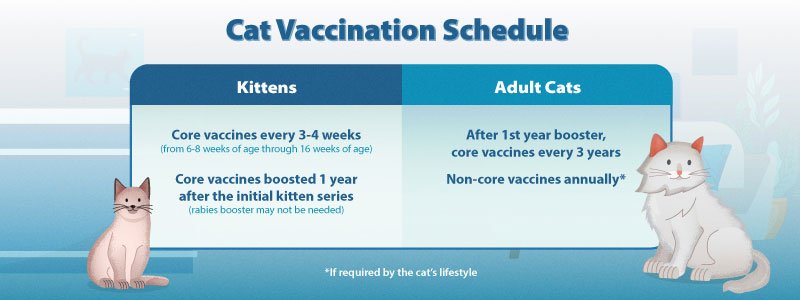
Kittens typically receive their first rabies vaccine at around 12 to 16 weeks old. This timing is important because their immune systems are ready to respond effectively by then. If you adopt an older cat with an unknown vaccination history, your vet will recommend a shot as soon as possible.
Some areas have specific laws requiring rabies vaccination by a certain age—are you aware of your local rules? It’s worth checking to avoid any surprises and ensure your cat’s protection aligns with legal requirements.
Booster Shots And Frequency
After the initial vaccine, your cat will need booster shots to maintain immunity. Most vets recommend a booster one year after the first vaccine.
Following that, boosters are usually given every one to three years, depending on the vaccine type and local regulations. Your vet will help you decide the best schedule based on your cat’s lifestyle and risk factors.
Have you tracked your cat’s vaccination dates carefully? Keeping a simple calendar or reminder can prevent missed boosters, which are vital to your pet’s health and your peace of mind.
Possible Side Effects
Giving your indoor cat a rabies shot can raise concerns about side effects. Understanding what to expect helps you stay calm and ready to act if needed. Most cats tolerate the vaccine well, but knowing the possible reactions can ease your mind.
Common Reactions
Many cats show mild signs after their rabies vaccination. These can include:
- Swelling or tenderness at the injection site
- Mild fever
- Decreased appetite
- Lethargy or sleepiness
- Sneezing or mild coughing (rarely)
These reactions usually fade within 24 to 48 hours. I once noticed my cat was a bit quiet and cuddly the day after his vaccine, but he bounced back quickly without any fuss.
When To Seek Veterinary Help
Not all side effects are harmless. Watch your cat closely for signs that need immediate attention, such as:
- Severe swelling or lumps that worsen
- Difficulty breathing or wheezing
- Vomiting or diarrhea lasting more than a day
- Collapse or extreme weakness
- Continuous scratching or biting at the injection area
If any of these occur, contact your vet right away. Quick action can prevent serious complications. Would you feel confident spotting these signs in your own cat?
Alternatives And Precautions
Alternatives and precautions can help protect indoor cats from rabies risks without relying solely on vaccination. Careful management of their environment and habits reduces chances of exposure to the rabies virus.
Keeping Indoor Cats Safe
Keep your cat indoors at all times. This prevents contact with wild animals that might carry rabies. Ensure windows and doors have secure screens to block small animals from entering.
Clean the home regularly to avoid attracting pests like bats or raccoons. Remove any food or trash outside that might lure wildlife near your house. Provide plenty of toys and activities to keep your cat entertained indoors.
Managing Outdoor Exposure
Limit your cat’s outdoor time to supervised periods only. Use a leash or a secure outdoor enclosure to control their movement. Avoid letting your cat roam freely in areas known for wildlife activity.
Keep your yard free of dense brush or woodpiles where wild animals could hide. Install motion-activated lights or noise devices to discourage nocturnal animals from approaching. Always check your cat for scratches or bites after any outdoor time and consult a vet promptly if you notice wounds.
Making The Decision
Deciding whether indoor cats need rabies shots requires careful thought. This choice impacts your cat’s health and safety. It also involves legal rules that vary by place.
Understanding all factors helps you make the best call for your pet. Consider the risks, benefits, and expert advice before deciding.
Consulting Your Veterinarian
Your veterinarian knows your cat’s health and local laws well. They can explain rabies risks in your area. They also describe vaccine benefits and possible side effects.
Veterinarians provide personalized advice based on your cat’s lifestyle. Indoor cats with no outdoor access may have lower risk. Yet, vets often recommend vaccines for extra protection.
Discuss your concerns openly. Ask about vaccine schedules and what to expect after shots. A vet’s guidance ensures your cat stays safe and healthy.
Balancing Risks And Benefits
Rabies is a deadly disease for cats and humans. Vaccination helps prevent this risk. Even indoor cats can face exposure through unexpected contact with wildlife or other animals.
On the other side, vaccines might cause mild side effects. These usually last a short time and are less harmful than rabies.
Think about these points:
- Local rabies cases reported.
- Cat’s access to outdoors or other animals.
- Legal vaccine requirements in your area.
- Health risks from vaccination versus risk of rabies.
Weighing these factors helps protect your cat without unnecessary treatments.
Credit: triangleanimalclinic.com
Frequently Asked Questions
Do Indoor Cats Really Need Rabies Shots?
Yes, indoor cats need rabies shots to prevent disease. Rabies can spread through unexpected animal bites. Vaccination protects your cat and complies with local laws.
How Often Should Indoor Cats Get Rabies Vaccines?
Indoor cats should get rabies vaccines every 1 to 3 years. Follow your vet’s recommendation and local regulations for timing. Regular boosters ensure continued protection.
Can Indoor Cats Catch Rabies Without Outdoor Access?
Yes, indoor cats can catch rabies through accidental exposure. Wildlife like bats may enter homes, risking transmission. Vaccination is the best preventive measure.
What Are The Risks Of Skipping Rabies Shots For Indoor Cats?
Skipping rabies shots risks your cat’s health and legal issues. Rabies is fatal and can spread to humans. Vaccination is essential for safety and compliance.
Conclusion
Indoor cats can still face risks of rabies from unexpected exposure. Vaccinating your cat keeps them safe and protects your family too. Many places require rabies shots by law, even for indoor pets. Talk with your vet to decide the best plan for your cat.
Staying informed helps you make smart choices. Protect your furry friend with proper care and vaccinations. Peace of mind comes from knowing your cat is safe inside and out.
