

Have you ever wondered when your female cat will go into heat? Understanding this important phase can help you care for her better and avoid surprises.
Knowing the signs and timing can make a big difference in how you handle her behavior and health. You’ll discover exactly when female cats go into heat and what you can expect during this time. Keep reading to learn everything you need to know to keep your furry friend comfortable and happy.
Credit: www.pethealthclub.com
Heat Cycle Basics
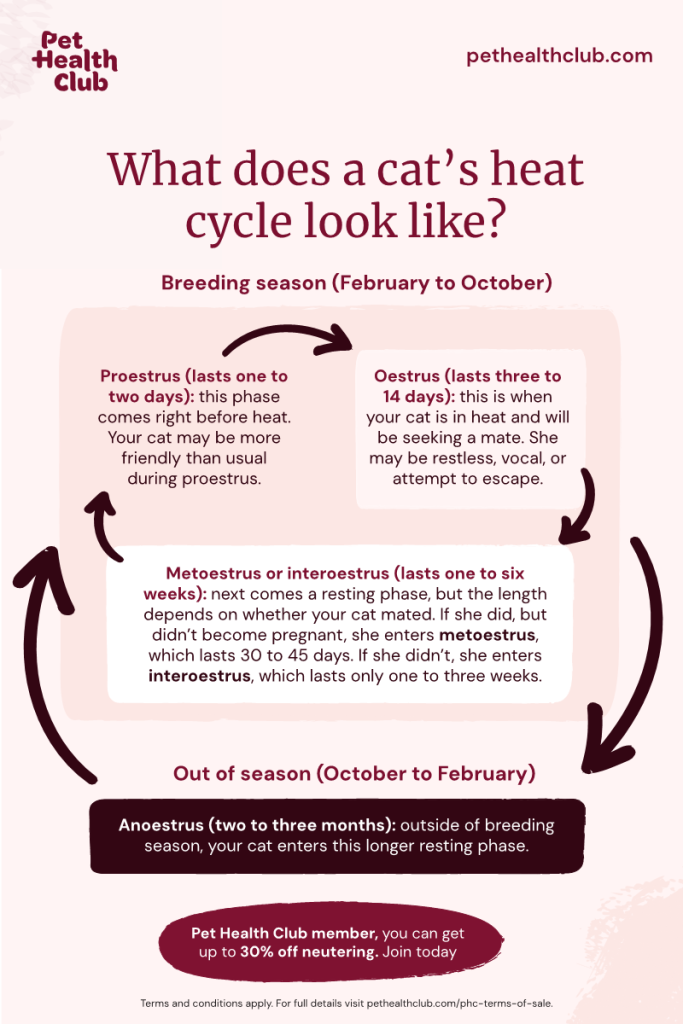
The heat cycle in female cats is a fascinating process. Understanding its basics helps in managing your pet’s needs effectively. A cat’s heat cycle, known as estrus, is a natural part of their reproductive life.
What Triggers Heat
The heat cycle is triggered by daylight length and temperature changes. Longer days and warmer temperatures signal the body to enter estrus. This cycle is common in the spring and summer months.
Age Of First Heat
Female cats typically experience their first heat at about six months. This age can vary depending on the cat’s breed and health. Some breeds may start earlier or later.
Frequency Of Cycles
Once a cat enters heat, the cycle can repeat every two to three weeks. This frequency continues until mating occurs or environmental changes happen. Understanding this helps in planning for your cat’s needs.

Credit: www.youtube.com
Signs Of Heat In Female Cats
Female cats show clear signs when they go into heat. Recognizing these signs helps owners understand their pet’s needs. Cats in heat act differently and may show changes in their body. Knowing these signs makes it easier to care for them during this period.
Behavioral Changes
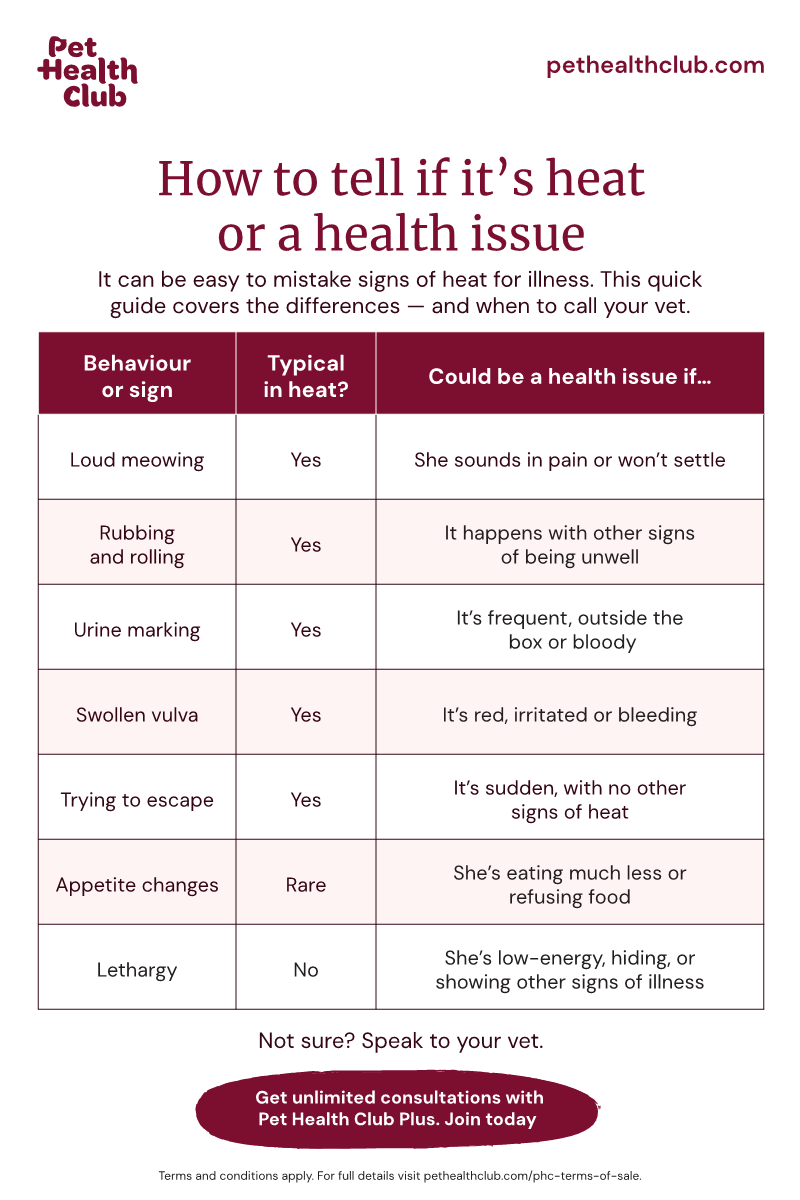
Cats in heat behave in ways that catch attention. They often become more vocal, making loud meows or yowls. This noise can last for hours or even days. They may rub their face and body against furniture or people more often. Some cats try to escape outdoors to find a mate. Increased restlessness and pacing are common. They might also show unusual affection, wanting more petting and attention.
Physical Symptoms
Physical signs also appear when a female cat is in heat. Her tail may be held to the side, a position called “flagging.” Swelling of the vulva is visible, though mild in some cats. Some cats lick their genital area frequently. There is usually no bleeding like in dogs. The cat’s body temperature and appetite may change slightly. These physical cues help identify the heat cycle stage clearly.
Heat Duration And Stages
Understanding the heat duration and stages of female cats helps you recognize their behavior and care for them properly. Heat, or estrus, isn’t a single moment but a process with distinct phases. Knowing what happens during these stages can make a big difference in managing your cat’s needs.
Proestrus And Estrus Phases
The heat cycle begins with the proestrusphase. During this time, your cat may show slight changes like increased affection and restlessness, but she usually won’t allow mating yet. This phase is a buildup, preparing her body for the next stage.
Next comes the estrusphase, the actual heat period. Your cat becomes highly vocal, affectionate, and may adopt mating postures. This phase is when she’s fertile and receptive to a male cat. It’s the most noticeable part of the heat cycle.
Length Of Each Stage
Proestrus usually lasts about 1 to 2 days. It’s short but important because it signals the start of your cat’s readiness.
Estrus can last anywhere from 4 to 7 days, sometimes longer if your cat doesn’t mate. This length varies based on factors like age, breed, and environment.
| Stage | Duration | Key Signs |
|---|---|---|
| Proestrus | 1-2 days | Restlessness, increased affection, no mating acceptance |
| Estrus | 4-7 days (or longer) | Vocalizing, rolling, mating postures, receptive to males |
Have you noticed how your cat’s behavior shifts suddenly during these days? Paying attention to these signs helps you predict when the next heat cycle might start and prepare accordingly.

Credit: www.purina.com
Factors Influencing Heat
Understanding the factors that influence when your female cat goes into heat helps you anticipate her behavior better. Several elements beyond just age affect the timing and frequency of her heat cycles. Knowing these can help you manage her needs and avoid surprises.
Breed Differences
Different cat breeds can have varying heat cycle patterns. Some breeds, like Siamese or Burmese, tend to go into heat more frequently and earlier than others. Meanwhile, larger breeds such as Maine Coons may have less frequent or later heat cycles.
Your cat’s breed influences not just timing but also the intensity of her heat behaviors. For example, Siamese cats are often more vocal and restless during heat, which can be challenging if you’re not prepared. Recognizing this can help you plan for extra attention or calming measures.
Environmental Effects
Light exposure plays a major role in triggering heat cycles. Female cats usually come into heat when daylight increases, typically in spring and summer. If your cat lives indoors with artificial lighting, her cycles might not follow the natural seasons as closely.
Stress and changes in environment can also delay or disrupt heat cycles. Moving to a new home, loud noises, or changes in routine might cause your cat to skip or postpone heat. Have you noticed your cat’s behavior change after a big move? That could be why.
Temperature can also influence cycles, with warmer climates encouraging more frequent heats. If you live in a cooler area, your cat’s heat cycles might be less regular. Keeping an eye on these factors helps you understand her unique pattern.
Managing A Cat In Heat
Managing a cat in heat can be challenging, but understanding how to care for her during this time makes a big difference. Your cat’s behavior might change noticeably, and she will need extra attention to stay calm and comfortable. Knowing what to expect helps you support her and keep your home peaceful.
Comfort And Care Tips
During heat cycles, your cat may become restless, vocal, and affectionate. Create a quiet, cozy space where she feels safe and can relax away from loud noises and other pets.
Try these simple comfort measures:
- Provide soft blankets or a warm bed to soothe her.
- Spend extra time petting or gently brushing her, if she enjoys it.
- Use calming pheromone diffusers to reduce anxiety.
Have you noticed how your cat’s mood shifts during heat? Paying attention to her unique signs will help you respond better. Sometimes, playing with interactive toys can distract her and reduce stress.
Preventing Unwanted Litters
Unplanned litters can quickly become overwhelming, so prevention is key. The most effective way to avoid this is spaying your cat before her first heat or as soon as possible afterward.
If spaying isn’t an immediate option, keep your cat indoors at all times. Make sure windows and doors are securely closed to prevent escape during her heat cycle.
- Consider supervised playtime outside if your cat needs fresh air.
- Block access to male cats in your neighborhood, as their presence can increase your cat’s stress and likelihood to try escaping.
Have you thought about how your cat’s environment influences her behavior? Taking steps to control her surroundings during heat can save you from unexpected litters and the stress that comes with them.
Spaying And Heat Prevention
Understanding spaying and its role in heat prevention is key if you want to manage your female cat’s health and behavior effectively. Heat cycles can be challenging, both for your cat and for you, but spaying offers a clear solution. It’s not just about stopping the heat; it’s about improving your cat’s quality of life and preventing future health issues.
Benefits Of Spaying
Spaying your female cat eliminates the heat cycles completely. This means no more yowling, restlessness, or attempts to escape to find a mate.
Beyond behavior, spaying greatly reduces the risk of uterine infections and breast tumors, which are malignant or cancerous in about 90% of cats. It also prevents unwanted litters, helping control the pet population.
Many cat owners notice their pets become calmer and more affectionate after spaying. Have you observed a difference in your cat’s mood after surgery? It can be surprising how much calmer she becomes.
Best Timing For Surgery
The ideal time to spay your cat is before her first heat cycle, usually around 5 to 6 months old. Spaying before the first heat offers the best health benefits and lowers surgical risks.
If your cat is already going through heat, it’s still safe to spay her, but the surgery may be slightly more complicated due to increased blood flow. Your veterinarian can advise you on the best timing based on your cat’s specific condition.
Waiting too long can increase the risk of unwanted pregnancies and health problems. Don’t hesitate to discuss with your vet the best schedule for your cat’s spaying surgery to avoid these complications.
Frequently Asked Questions
When Do Female Cats Usually Go Into Heat?
Female cats typically go into heat for the first time between 5 to 9 months old. This timing can vary based on breed, environment, and health. Most cats experience heat cycles during spring and summer, but indoor cats may cycle year-round due to artificial lighting.
How Long Does A Female Cat’s Heat Cycle Last?
A female cat’s heat cycle usually lasts about 7 to 10 days. If she does not mate, she may go back into heat every 2 to 3 weeks. This cycle continues until she becomes pregnant or the breeding season ends.
What Signs Indicate A Cat Is In Heat?
Common signs include loud vocalization, restlessness, affectionate behavior, and frequent rubbing against objects. Female cats may also assume a mating position and spray urine to attract males. These behaviors help signal readiness to mate.
Can Indoor Cats Go Into Heat Year-round?
Yes, indoor cats can go into heat year-round. Artificial lighting and controlled temperatures trick their bodies into thinking it’s breeding season. Unlike outdoor cats, indoor cats don’t rely on natural daylight changes to regulate their cycles.
Conclusion
Female cats usually go into heat between six and twelve months old. Their cycles repeat every few weeks during breeding season. Owners should watch for signs like loud meowing and restlessness. Knowing this helps care for your cat better. It also prevents unexpected litters.
Understanding heat cycles keeps both cats and owners calm. Stay patient and attentive to your pet’s needs. This knowledge makes a big difference in cat care.
