

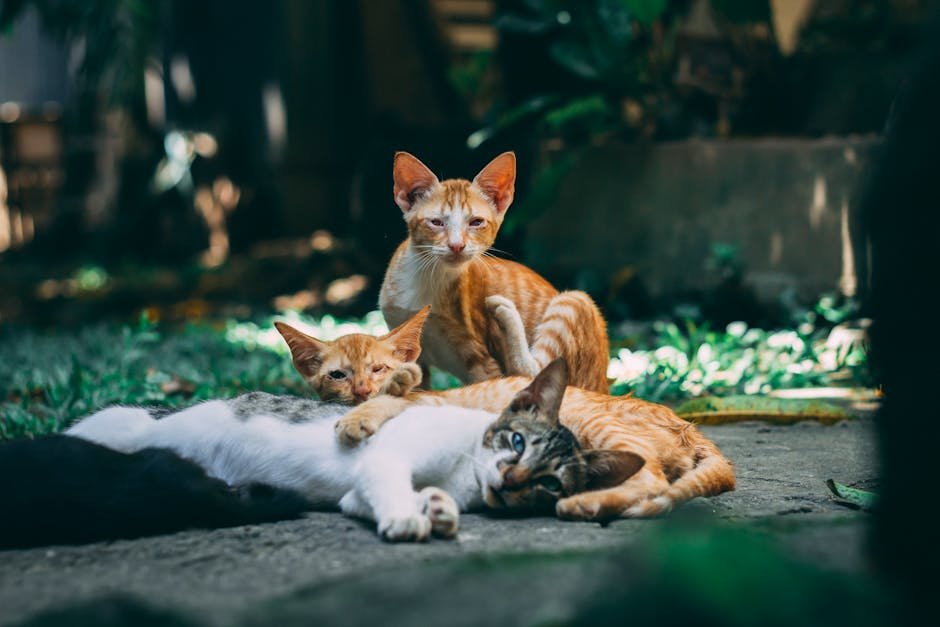
Have you ever noticed your cat lying down with its tail gently wagging? It might seem puzzling—why would a cat move its tail like that when it’s resting?
Understanding this simple behavior can reveal a lot about what your furry friend is feeling and thinking. If you want to connect more deeply with your cat and decode its secret signals, keep reading. You’ll soon discover the surprising reasons behind that tail wag and how it helps you better care for your companion.
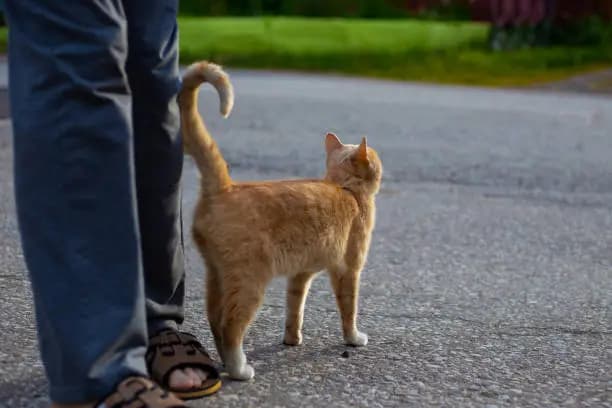
Credit: www.cheetahpets.com
Tail Wagging Behavior In Cats
Cats wag their tails while lying down to show their mood or feelings. Gentle tail movements often mean they feel relaxed or curious. Sudden twitches can signal mild irritation or alertness.
Cats are mysterious creatures, often leaving us puzzled with their unique behaviors. One such behavior is tail wagging, especially when they’re lying down. While many of us associate tail wagging with dogs, cats do it too, but for different reasons. Understanding this behavior can enhance your bond with your feline friend and help you better respond to their needs.Common Tail Movements
Cats express themselves through various tail movements. A gentle sway might indicate contentment, much like a cat lounging in a sunbeam. A quick, flicking motion could suggest irritation or annoyance, especially if you’re trying to pet a cat that wants to be left alone. When a cat’s tail thumps against the ground, it might be focused on something intriguing, like a toy or even a bird outside the window. Observing these cues can give you insight into what your cat is feeling or thinking at that moment. Just like people, each cat has its unique way of expressing emotions, so it’s crucial to get to know your individual cat’s signals.Differences From Dog Tail Wagging
Unlike dogs, who often wag their tails to show happiness, a cat’s tail wagging can be more complex. Dogs typically wag their tails as a friendly gesture, but for cats, it can mean anything from excitement to frustration. A cat’s tail held high with a slight curve may indicate confidence or curiosity. However, if your cat’s tail is puffed up and wagging, it might be feeling threatened or scared. Understanding these differences is key to interpreting your pet’s mood and ensuring a harmonious relationship. Next time you see your cat wagging its tail while lying down, take a moment to observe and decode the message. Is your cat relaxed, curious, or a bit annoyed? Knowing the answer could enhance your interactions and create a more peaceful environment for both you and your feline companion.Emotions Behind Tail Wagging
Cats use their tails to express many feelings, even while lying down. Tail wagging is a secret language to show their emotions. Understanding these movements helps us connect better with our feline friends.
Signs Of Contentment
A slow, gentle wag means a cat feels relaxed and happy. Their tail might twitch softly at the tip. This shows they are calm and enjoying their rest. Sometimes, a slightly raised tail signals comfort and trust.
Indicators Of Irritation
Rapid, sharp tail movements often mean annoyance or anger. A flicking tail can warn that the cat wants to be left alone. Tense muscles and a twitching tail base show frustration. Watch for these signs to avoid upsetting your cat.
Expressions Of Curiosity
A cat’s tail may move in small, rhythmic waves when curious. The tip might twitch while they focus on something new. This shows interest without stress. Curiosity often leads to exploring or playing shortly after.
Tail Wagging While Lying Down
Watching a cat lying down with its tail wagging can be puzzling. Unlike dogs, whose wagging tails often mean excitement, a cat’s tail movements while resting tell a more complex story. Understanding these subtle cues helps you connect better with your feline friend and respond to their needs.
Relaxed Yet Alert
When your cat lies down and gently wags its tail, it’s often a sign of being relaxed but still aware of its surroundings. This slight movement shows they are comfortable, yet ready to react if something catches their attention. You might notice this when your cat lounges by a window, watching birds but not feeling threatened.
Subtle Communication
Tail wagging while lying down is a form of silent communication your cat uses to express feelings. It can indicate mild annoyance, curiosity, or even contentment depending on the speed and pattern of the wag. Pay attention to other body signals like ear position and eye movement to understand what your cat is trying to tell you.
Self-soothing Mechanism
Just like people tap their fingers when thinking, cats sometimes wag their tails to calm themselves. This repetitive motion can help reduce stress or frustration, especially in unfamiliar situations. Next time you see your cat’s tail flicking while resting, consider if they might be soothing themselves and offer a gentle pet or quiet space.
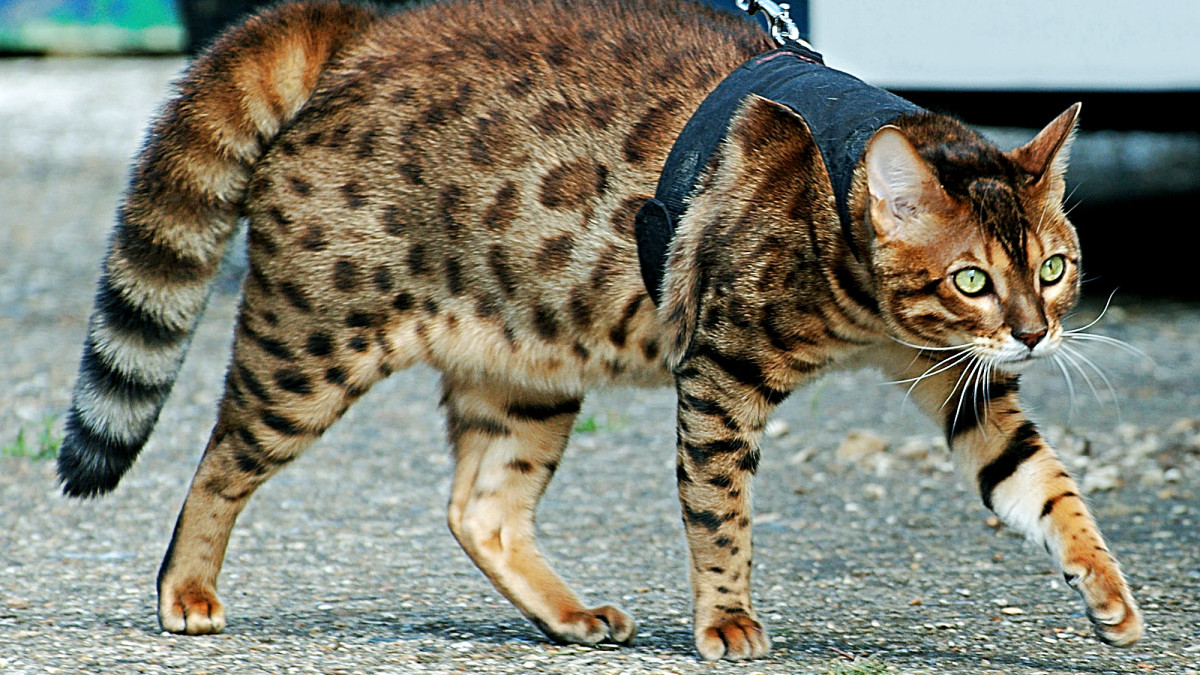
Credit: paradepets.com
Environmental Triggers
Cats often wag their tails while lying down as a direct reaction to their surroundings. These subtle tail movements serve as a window into how your cat is processing the environment around them. Understanding these triggers can help you better interpret your pet’s mood and needs.
Response To Sounds
Have you noticed your cat’s tail twitch when a sudden noise occurs? Cats are highly sensitive to sounds like doorbells, footsteps, or even distant sirens. This tail wagging is often a sign they are alert and trying to figure out if the noise signals danger or something interesting.
Next time your cat’s tail flicks after a sound, observe their other body language. Are their ears perked or eyes focused? This can tell you whether they feel curious or cautious about what they heard.
Reaction To Movement
Movement in the environment can also trigger tail wagging while your cat is resting. Whether it’s a bird outside the window or a family member walking by, your cat’s tail may twitch as they track the motion.
This is a natural hunting instinct kicking in, even when they appear relaxed. Have you seen how their eyes narrow and body tenses slightly along with the tail flick? That’s your cat preparing to engage, mentally or physically.
Interaction With Humans
Your own actions can prompt tail wagging while your cat lies down. Gentle petting, talking, or even your presence nearby might cause their tail to sway slowly.
This often shows contentment or mild excitement but can sometimes signal overstimulation. Pay attention to how fast or erratic the tail movement is—are you making your cat comfortable or unintentionally annoying them?
Next time you see your cat wagging their tail while resting, consider what’s happening around them. What sounds, movements, or interactions might be influencing their behavior right now?
Health And Tail Wagging
Cats use their tails to express many feelings and health conditions. Tail wagging while lying down can signal more than just mood. It may reveal pain, discomfort, or even neurological issues. Understanding these signs helps in caring for your cat better.
Pain Or Discomfort Signals
A cat wagging its tail slowly while resting might feel pain. Tail movement can show irritation or discomfort in the body. Watch for other signs like:
- Restlessness or frequent position changes
- Reduced grooming habits
- Hiding or avoiding touch
- Vocalizing more than usual
These behaviors combined with tail wagging may indicate pain. It helps to check your cat for injuries or soreness.
Neurological Factors
Neurological problems can also cause unusual tail wagging. Conditions affecting nerves or brain may lead to involuntary movements. Cats with such issues might show:
- Twitching or trembling tail
- Loss of tail control
- Balance or coordination problems
These signs suggest the need for medical attention. Early detection can improve treatment outcomes.
When To Consult A Vet
Seek veterinary help if tail wagging is frequent and odd. Notice changes in behavior, appetite, or mobility. Persistent tail movement with other symptoms calls for a professional exam.
Timely vet visits can diagnose pain, infections, or neurological issues. Proper care ensures your cat’s comfort and health.
Reading Your Cat’s Tail Signals
Reading your cat’s tail signals gives you a window into their emotions and thoughts. Cats don’t just wag their tails randomly; each movement carries meaning. Paying attention to these subtle cues helps you understand your feline friend on a deeper level and respond in ways that strengthen your bond.
Combining Body Language Cues
A wagging tail while lying down isn’t the whole story. Look at your cat’s ears, eyes, and overall posture too. For instance, a slow tail wag paired with relaxed ears and half-closed eyes often means contentment.
But if the tail wag is fast and the ears are flattened, your cat might be annoyed or overstimulated. Notice how the entire body reacts—tail signals rarely stand alone.
Context Matters
Where your cat is and what’s happening around them changes the meaning of tail wagging. A tail twitch while napping in a sunny spot is different from a tail flick during playtime.
Think about your cat’s usual behavior in that moment. Are they winding down or gearing up to pounce? Context helps you avoid misreading their signals and keeps your interactions positive.
Tips For Better Understanding
- Observe Regularly:Spend time watching your cat’s tail movements during different activities.
- Take Notes:Jot down what you see and what happens next to identify patterns.
- Respond Appropriately:If the tail wag signals irritation, give space; if it’s curiosity, engage gently.
- Ask Yourself:What else is my cat communicating beyond the tail? How can I respect their mood right now?
Reading your cat’s tail signals is a skill you can improve with patience and attention. The more you tune in, the clearer their messages become.

Credit: catcuddlezone.com
Frequently Asked Questions
Why Do Cats Wag Tails While Lying Down?
Cats wag their tails while lying down to express emotions. Tail movements indicate curiosity, irritation, or contentment. This behavior helps communicate their mood to humans and other animals.
What Does Tail Wagging Mean In Relaxed Cats?
In relaxed cats, tail wagging often signals mild interest or slight annoyance. It is a subtle way to show focus or alertness without full agitation.
Can Tail Wagging Indicate Cat’s Mood?
Yes, tail wagging is a strong indicator of a cat’s mood. Different wag patterns reveal emotions like happiness, frustration, or alertness, helping owners understand their pet better.
Is Tail Wagging While Resting Normal For Cats?
Yes, tail wagging during rest is normal. It reflects the cat’s inner feelings and reactions to the environment, even when they appear calm.
Conclusion
Cats wag their tails while lying down to show how they feel. Tail movements can mean they are happy, curious, or sometimes annoyed. Watching their tails helps you understand their mood better. It also strengthens the bond between you and your cat.
Remember, each cat is different, so pay attention to their unique signals. Tail wagging is just one way cats talk without words. Next time you see your cat’s tail move, you’ll know it’s their way of sharing feelings. Simple, quiet, and full of meaning.
