

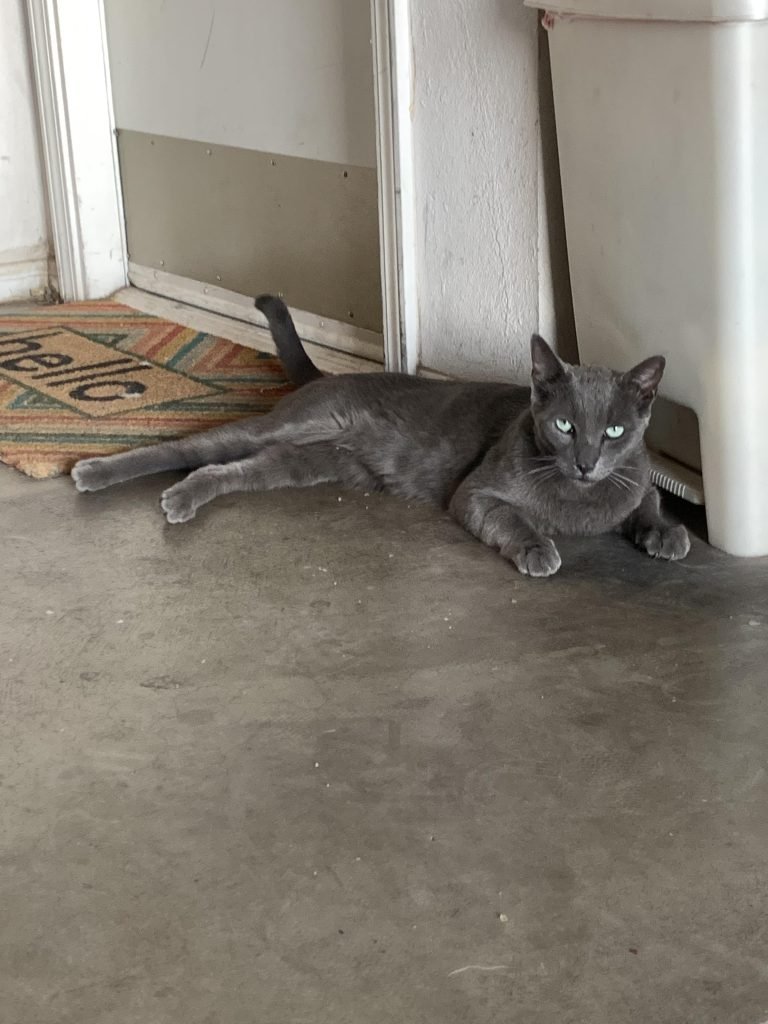
You’ve probably seen stray cats wandering your neighborhood, and maybe you wonder what you should do next. Should you feed them, try to catch them, or just leave them alone?
Stray cats can be tricky—they need help, but handling them the wrong way can cause more problems. If you care about these animals and want to make a positive difference, this guide is made for you. Keep reading to discover simple, effective steps you can take right now to help stray cats safely and responsibly.
Your actions could change their lives—and maybe even your community—for the better.

Credit: www.newsweek.com
Identifying Stray Cats
Identifying stray cats is the first step to helping them safely. Many cats live outdoors, but not all need rescue. Some have homes and wander occasionally. Others are lost or abandoned. Knowing who needs help prevents stress for both cats and people.
Observation is key. Watch their behavior and appearance carefully. This helps decide the best way to assist these animals. Understanding their condition guides your actions and ensures safe handling.
Signs Of Stray Vs Feral Cats
- Stray catsoften approach humans or show curiosity.
- They may be calm and allow gentle touch.
- Strays usually appear cleaner and less scared.
- Feral catsavoid human contact and hide often.
- Feral cats are more defensive and may hiss or growl.
- They tend to live in colonies and stay away from homes.
Assessing Health And Behavior
- Check for visible wounds, limping, or signs of illness.
- Look for signs of malnutrition like thin bodies or dull coats.
- Observe how the cat reacts to your presence.
- Calm cats may be stray or lost pets.
- Fearful cats might be feral or stressed.
- Note any coughing, sneezing, or eye discharge.
- Healthy cats often show alertness and clean fur.
Approaching Stray Cats Safely
Approaching stray cats safely is important for both you and the cat. Stray cats may feel scared or threatened around people. Moving slowly and gently helps prevent sudden reactions. Patience is key when trying to get close to a stray cat. Understanding cat behavior can make the process easier and safer.
Building Trust Gradually
Start by observing the cat from a distance. Avoid direct eye contact, which can seem threatening. Sit or crouch down to appear less intimidating. Speak softly or stay silent to keep the cat calm. Allow the cat to come closer on its own time. Avoid sudden movements or loud noises. Use slow hand gestures to offer comfort. Trust grows slowly through repeated gentle interactions.
Using Food And Shelter
Food is a strong motivator for stray cats. Place food and water in a quiet, safe spot. Feed the cat at the same time daily to build routine. A small shelter near feeding areas provides warmth and safety. Use a box or pet house with soft bedding. Shelter helps the cat feel secure and more willing to approach. Consistent care shows the cat it can trust you.
Providing Basic Care
Offer food and fresh water to stray cats to help them stay healthy. Provide a safe, quiet place where they can rest and feel secure. Regular care helps build trust and keeps them comfortable.
Providing basic care for stray cats can make a big difference. These cats often live tough lives. Simple acts of kindness can help them thrive. Let’s explore how you can provide essential care.Feeding Guidelines
Stray cats need regular meals to stay healthy. Offer them nutritious cat food. Wet food is easier to digest and provides hydration. If you only have dry food, it’s still a good choice. Feed them at the same time each day to create a routine. Avoid feeding them human food. It can upset their stomachs and cause harm.Water And Shelter Needs
Clean water is vital for stray cats. Make sure they have fresh water every day. Use a heavy bowl to avoid spills. In cold weather, check to prevent freezing. Offer them a safe shelter. A simple box with a blanket can provide warmth. Place the shelter away from harsh weather and predators.Health Check Basics
Stray cats may have health issues. Observe them for signs of illness. Look for sneezing, coughing, or limping. If possible, take them to a vet for a check-up. Vaccinations and treatments can prevent diseases. Consider reaching out to local animal shelters for advice. They may offer low-cost vet services or assistance.When To Contact Animal Services
Knowing when to reach out to animal services can make a big difference in how stray cats are cared for and protected. Not every stray cat situation requires professional help, but certain signs clearly indicate it’s time to get experts involved. Your timely action can help save a life or prevent further harm.
Local Shelters And Rescue Groups
Local shelters and rescue groups are often the best first point of contact. They have the resources and experience to handle stray cats safely and humanely. If you find a stray cat that seems lost, scared, or is hanging around busy streets, contacting these organizations can ensure the cat gets shelter and proper care.
Many communities have dedicated rescue groups that specialize in trap-neuter-return (TNR) programs or foster care. These groups can also advise you on how to care for the cat while waiting for help. Have you checked if your area has such support? It’s worth a quick search online or a call to your local animal control.
Reporting Injuries Or Illness
If a stray cat is visibly injured or appears sick, don’t hesitate to contact animal services immediately. Signs like limping, open wounds, bleeding, or severe lethargy mean the cat needs professional medical attention. Delaying can worsen their condition or even be fatal.
Sometimes, illness is less obvious but still serious. If you notice a cat with persistent coughing, sneezing, discharge from eyes or nose, or extreme thinness, animal services can help evaluate and treat the cat. Your quick decision to report can prevent suffering and stop the spread of contagious diseases to other animals.
Trap-neuter-return (tnr) Programs
Trap-Neuter-Return (TNR) programs are a humane way to manage stray cat populations. The process involves trapping feral cats, having them spayed or neutered, and then returning them to their original outdoor location. This method helps control the number of stray cats without harming them.
TNR programs also provide vaccinations and basic health checks during the neutering process. Volunteers and animal welfare groups often lead these efforts. TNR has become a popular approach because it balances care for the cats with community concerns.
Benefits Of Tnr
- Reduces stray cat population over time.
- Prevents unwanted litters and kitten suffering.
- Improves the health of feral cats through vaccinations.
- Decreases nuisance behaviors like yowling and fighting.
- Lessens the impact on local wildlife.
- Offers a peaceful solution for communities and cats alike.
How To Participate
Find local animal shelters or rescue groups that offer TNR services. Many communities have volunteer organizations ready to help. You can also learn to safely trap cats using humane traps.
After trapping, cats are taken to a vet for surgery and vaccinations. Once healed, they return to their outdoor homes. Providing food and shelter for the cats after return helps them stay healthy.
Spread awareness about TNR programs. Encourage neighbors and friends to support or join the efforts. Collective action can make a big difference in managing stray cats kindly and effectively.

Credit: khpet.com
Adoption And Rehoming Options
Adopting or rehoming stray cats offers a fresh start and safe shelter. It helps reduce the number of homeless cats. This section guides on how to prepare cats for new homes and find the right families.
Preparing Cats For Adoption
Start with a health check from a vet. Vaccinate the cat and treat for fleas or worms. Spaying or neutering is important to control the population. Socialize the cat by spending time and playing. This builds trust and reduces fear of humans. Provide a clean and quiet space for the cat to feel safe. Gather basic supplies like food, litter, and bedding. Clear photos and a brief personality description help attract adopters.
Finding Suitable Homes
Reach out to local shelters or rescue groups for help. Use social media or community boards to share the cat’s story. Ask potential adopters about their experience and home environment. Ensure they understand the needs of a stray cat. Arrange meetings in a calm setting for both cat and adopter. Offer advice on care and behavior to support a smooth transition. Follow up after adoption to check the cat’s well-being.
Preventing Future Stray Issues
Preventing future stray cat issues requires community effort and responsible pet care. Stray cats often come from unplanned litters or abandoned pets. Reducing their numbers stops many problems. It also helps protect local wildlife and keeps neighborhoods safe and clean.
Community Involvement
Communities can work together to manage and reduce stray cat populations. Organizing local groups helps spread awareness. These groups can:
- Educate people about caring for outdoor cats.
- Support trap-neuter-return (TNR) programs.
- Create safe feeding stations for community cats.
- Encourage reporting and helping stray cats humanely.
Active community participation makes a big difference. It builds respect for animals and improves public health.
Spaying And Neutering Pets
Spaying and neutering pets is the most effective way to prevent more strays. It stops unwanted litters before they start. Pets that are fixed usually behave better and live longer.
Veterinary clinics and shelters often offer low-cost spay/neuter services. Pet owners should schedule these surgeries early. This simple step reduces the number of cats that end up homeless.

Credit: www.youtube.com
Frequently Asked Questions
How Can I Safely Approach A Stray Cat?
Approach slowly and calmly to avoid scaring the cat. Use soft voices and avoid sudden movements. Offer food or treats to build trust gradually. Always watch for signs of aggression or fear before trying to pet or pick up the cat.
What Should I Do If I Find A Stray Cat?
Check if the cat has an ID tag or collar. Provide food, water, and shelter temporarily. Contact local animal shelters or rescue groups for assistance. Consider posting found cat notices in your neighborhood and online.
How Can I Help Stray Cats Without Adopting?
Support local trap-neuter-return (TNR) programs to control the population humanely. Provide food and water in safe, quiet areas. Offer shelter options such as cat houses. Educate others about the importance of humane treatment.
When Is It Necessary To Take A Stray Cat To A Vet?
If the cat appears injured, sick, or lethargic, seek veterinary care immediately. Also, take the cat to a vet for vaccinations and spaying/neutering before adoption or release. Early medical attention helps prevent disease spread.
Conclusion
Stray cats need our care and thoughtful action. Help by providing food, water, and shelter safely. Contact local shelters or rescue groups for support. Spaying or neutering helps control their numbers kindly. Small acts can make a big difference for these cats.
Protecting them benefits both animals and the community. Every effort counts in giving stray cats a better life.
