

Are you wondering if your furry friend really needs vaccines? You might think indoor cats are safe, but skipping vaccinations can put your pet at risk.
Protecting your cat’s health is easier than you think, and understanding why vaccines matter can save you from costly vet visits later. Keep reading to discover the simple steps to keep your cat happy and healthy for years to come.
Why Vaccinations Matter
Vaccinations protect house cats from serious diseases and keep them healthy. They help stop the spread of infections to other pets and people. Regular shots ensure your cat lives a longer, safer life.
Vaccinations play a crucial role in safeguarding the health of your beloved feline friend. They are not just a formality but a fundamental component of your cat’s well-being. By ensuring your cat is vaccinated, you protect them from a host of diseases that could significantly impact their quality of life.Common Diseases In Cats
Cats, like any other living beings, are susceptible to various diseases. Some common ones include Feline Leukemia Virus (FeLV), Feline Immunodeficiency Virus (FIV), and Rabies. These diseases can be severe, leading to chronic health issues or even being life-threatening. FeLV can cause anemia and cancers, while FIV affects a cat’s immune system, making them more susceptible to other infections. Rabies, although rare, is a fatal disease that can also pose a risk to humans. Understanding these threats can highlight the importance of protecting your cat with vaccinations.How Vaccines Protect Your Cat
Vaccines work by stimulating your cat’s immune system to recognize and fight off specific pathogens. They prepare your cat’s body to defend itself if exposed to these diseases in the future. For instance, the rabies vaccine not only protects your cat but also serves as a barrier to prevent the disease from spreading to humans and other animals. This creates a safer environment for your household and community. Have you ever thought about the peace of mind that comes with knowing your cat is protected? It’s a small step that makes a big difference. Vaccinations are a proactive measure, safeguarding your cat’s health and ensuring they enjoy a long, happy life with you.Core Vaccines For Cats
Core vaccines protect your cat against the most dangerous and common diseases. These vaccines form the foundation of your cat’s health care. Understanding each vaccine helps you make informed decisions for your furry friend’s well-being.
Feline Viral Rhinotracheitis
Feline Viral Rhinotracheitis (FVR) is caused by the feline herpesvirus. It mainly affects your cat’s respiratory system, causing sneezing, eye discharge, and nasal congestion.
Without vaccination, this virus can lead to chronic issues and discomfort for your cat. Have you noticed your cat sneezing or having watery eyes frequently? Vaccination can prevent these recurring problems.
Calicivirus
Calicivirus is another respiratory infection that often appears alongside FVR. It can cause ulcers in the mouth, difficulty eating, and sometimes even joint pain.
This virus spreads easily among cats, especially in multi-cat households. Vaccinating your cat helps stop the spread and keeps your cat comfortable and healthy.
Panleukopenia
Panleukopenia, also known as feline distemper, is a highly contagious and often fatal disease. It attacks your cat’s immune system, causing severe vomiting, diarrhea, and dehydration.
Many cat owners underestimate how quickly this disease can become deadly. Vaccination is the best defense and significantly increases your cat’s chances of survival if exposed.
Optional Vaccines
Not every vaccine is a must for your house cat, but some optional vaccines can offer extra protection depending on your cat’s lifestyle and environment. These vaccines target diseases that your cat might not face daily but could encounter under certain conditions. Understanding these options helps you make informed decisions that suit your cat’s specific needs.
Rabies Vaccine
Rabies is a deadly disease that can affect both cats and humans. While laws on rabies vaccination vary by location, many areas require it by law, especially if your cat goes outdoors.
If your cat rarely leaves the house, you might wonder if this vaccine is necessary. However, even indoor cats can be at risk if bats or other wildlife enter your home.
Discuss with your vet about local regulations and whether the rabies vaccine fits your cat’s lifestyle.
Feline Leukemia Virus
The feline leukemia virus (FeLV) is contagious and can cause serious illness. This vaccine is mainly recommended for cats that spend time outdoors or live with other cats who might be infected.
I had a friend who skipped the FeLV vaccine for her indoor cat, only to discover the cat was exposed to an infected stray that sneaked inside. It was a tough lesson on why this vaccine can be crucial, even for some indoor cats.
Consider your cat’s exposure risk before deciding on this vaccine, and keep in mind your vet’s advice.
Other Considerations
- Bordetella Vaccine:Useful if your cat goes to boarding facilities or grooming salons frequently.
- Chlamydia Vaccine:Recommended in multi-cat households or shelters where the infection risk is higher.
- Feline Infectious Peritonitis (FIP) Vaccine:Controversial and not widely used, so consult your vet thoroughly.
Vaccination decisions are not one-size-fits-all. Think about your cat’s daily routine, where they spend time, and any known risks in your area. What steps will you take to protect your furry friend beyond the basics?
Credit: www.catcarehospital.com
Vaccination Schedule
Keeping your cat healthy means following a proper vaccination schedule. Vaccines protect cats from serious diseases. They help build strong immunity early and maintain it throughout life. A clear vaccination timeline guides pet owners and vets to plan shots safely and effectively. Understanding the schedule ensures timely protection for your furry friend.
Kitten Vaccination Timelines
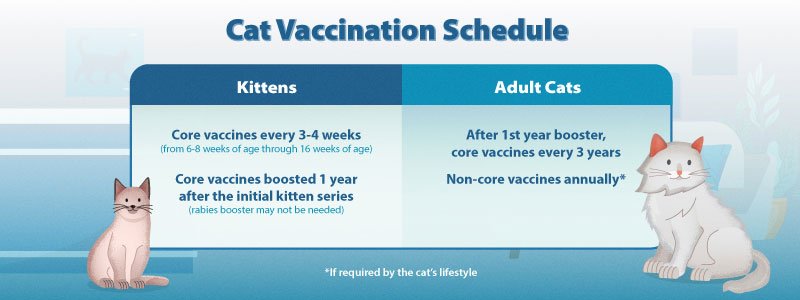
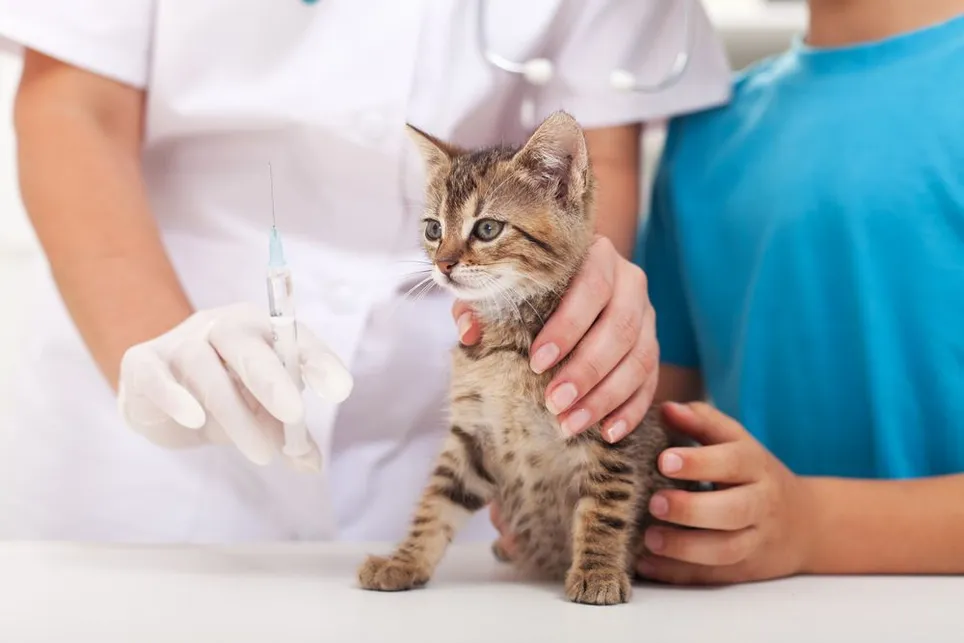
Kittens need vaccines starting at about six to eight weeks old. The first shots protect against common illnesses like feline distemper and respiratory infections. Vaccines repeat every three to four weeks until the kitten is about sixteen weeks old. This series builds strong immunity early in life. A typical timeline looks like this:
- 6-8 weeks: First vaccine dose
- 10-12 weeks: Second dose
- 14-16 weeks: Third dose
After this, kittens get a rabies vaccine around sixteen weeks. This protects them from the deadly virus.
Adult Cat Boosters
Adult cats need booster shots to keep immunity strong. These boosters refresh protection against diseases. Cats who go outside or meet other animals need boosters more often. Indoor cats may have a longer gap between shots. Your vet will advise the right booster plan based on lifestyle and health.
- Boosters usually start one year after kitten vaccines
- Then, boosters occur every one to three years
- Rabies booster timing depends on local laws
Frequency And Timing
The frequency of vaccines depends on the cat’s age and health. Kittens need vaccines more often than adults. Boosters keep immunity high for years. Some vaccines last longer than others. Your vet sets the schedule to balance protection and safety. Regular check-ups help adjust timing if needed.
Risks And Side Effects
Vaccinating house cats involves some risks and side effects. Most cats tolerate vaccines well. Still, pet owners should know what to expect after vaccination. Understanding risks helps keep cats safe and healthy.
Common Reactions
Some cats may show mild reactions after vaccination. These reactions usually go away within a day or two. Common signs include:
- Swelling or soreness at the injection site
- Lethargy or tiredness
- Loss of appetite
- Mild fever
- Sneezing or nasal discharge (for nasal vaccines)
These symptoms are usually not serious. They show the cat’s immune system is responding to the vaccine.
When To See A Vet
Seek veterinary care if your cat shows severe or lasting symptoms. Watch for:
- Difficulty breathing
- Swelling that worsens or spreads
- Vomiting or diarrhea lasting more than 24 hours
- Seizures or collapse
- High fever or extreme lethargy
These signs may indicate a serious allergic reaction or other issues. Early treatment improves outcomes. Always report any unusual symptoms after vaccination to your vet.
Credit: triangleanimalclinic.com
Special Cases
Vaccination needs for cats can vary based on specific situations. Some cats require special attention due to their lifestyle, age, or health condition. Understanding these special cases helps pet owners make informed decisions about vaccinations.
Indoor Vs Outdoor Cats
Outdoor cats face more risks from diseases. They meet other animals and encounter germs more often. Vaccinations are crucial to protect them from infections like rabies and feline leukemia. Indoor cats have less exposure to these risks but can still catch diseases brought in on shoes or other pets. Vaccinations remain important for indoor cats to keep them safe.
Senior Cats And Vaccination
Older cats may have weaker immune systems. Their bodies may not respond to vaccines as strongly. Vaccination schedules might need adjustment based on their health and age. Consulting a vet is essential to decide which vaccines are necessary and safe for senior cats.
Cats With Health Issues
Cats with illnesses or weakened immune systems need careful vaccination planning. Some vaccines might be risky or cause side effects. A vet can recommend the best approach, balancing protection and safety. Special care ensures these cats receive the right vaccines without harm.
Cost And Accessibility
Understanding the cost and accessibility of vaccinations is key to keeping your house cat healthy without breaking the bank. Vaccines protect your feline friend from serious diseases, but you might wonder how much they will cost and where to find affordable options. Let’s take a closer look at the expenses involved, ways to reduce them, and how insurance might help.
Vaccination Expenses
Vaccination costs can vary depending on your location and the type of vaccine your cat needs. Basic vaccines like rabies and feline distemper usually range from $20 to $50 each. Keep in mind, some cats require a series of shots, which adds up over time.
Think about this: skipping vaccines to save money might lead to expensive vet bills later if your cat gets sick. Investing in vaccinations early can prevent costly treatments down the road.
Low-cost Clinics
You don’t have to pay full price for vaccines. Many communities offer low-cost clinics that provide vaccinations at reduced rates. These clinics often partner with animal shelters or nonprofit organizations to make vaccines more accessible.
Check local animal shelters or humane societies for upcoming vaccine clinics. You might find options that charge as little as $10 to $20 per vaccine, which is a huge saving compared to private vet prices.
Insurance Coverage
Pet insurance can help cover vaccination costs, but not all plans include preventive care. When choosing a policy, look for one that offers reimbursement for routine vaccines.
Some insurers provide wellness plans that cover annual shots and check-ups. This can make budgeting easier and encourage you to keep your cat’s vaccinations up to date.
Would you consider pet insurance if it made vaccinations more affordable? It might be worth exploring for peace of mind and healthier cats.
Veterinarian Recommendations
Veterinarian recommendations play a crucial role in deciding whether your house cat needs vaccinations. Vets assess factors like your cat’s health, lifestyle, and exposure risks before suggesting a vaccine plan. This personalized advice ensures your pet gets the right protection without unnecessary shots.
Tailoring Vaccines To Your Cat
Not all cats need the same vaccines. Indoor-only cats might require fewer vaccines compared to those who roam outside. Your veterinarian will consider your cat’s age, breed, and medical history to create a vaccine schedule that fits perfectly.
For example, a young kitten may need a series of vaccines for diseases like feline distemper and calicivirus. On the other hand, an older cat with a calm indoor lifestyle might only need annual boosters. This tailored approach avoids over-vaccination and focuses on what truly benefits your cat’s health.
Questions To Ask Your Vet
- Which vaccines are essential for my cat’s lifestyle?
- Are there any risks or side effects associated with these vaccines?
- How often should my cat receive booster shots?
- Can my cat’s age or medical history affect vaccine choices?
- What signs should I watch for after vaccination?
Asking these questions helps you understand the reasons behind each vaccine. It also opens a dialogue about your cat’s unique needs. Have you ever wondered if your vet considered your cat’s daily environment before recommending vaccines? Now is the time to find out.

Credit: millsanimalhospital.com
Frequently Asked Questions
Do All House Cats Need Vaccinations?
Yes, vaccinations protect all house cats from serious diseases. Indoor cats face risks from germs brought in on clothes or other pets. Vaccines help maintain their health and prevent costly treatments later.
What Vaccines Are Essential For House Cats?
Core vaccines include rabies, feline distemper, and calicivirus. These protect against deadly and contagious illnesses common in cats. Your vet will recommend the right schedule based on your cat’s age and lifestyle.
How Often Should House Cats Get Vaccinated?
Typically, cats need vaccinations annually or every three years. Kittens require a series of shots early on. Regular boosters keep immunity strong and ensure ongoing protection against infections.
Are Vaccinations Safe For Indoor Cats?
Yes, vaccines are safe when given by a vet. Side effects are rare and usually mild, like temporary soreness or tiredness. The benefits of vaccination far outweigh the minimal risks for indoor cats.
Conclusion
Vaccinating house cats protects them from serious diseases. It keeps your pet healthy and safe. Regular vaccines help prevent illness and costly vet visits. Talk to your vet about the right shots for your cat. Staying up to date with vaccines shows you care.
Healthy cats live longer and feel better every day. Simple steps like vaccination make a big difference. Protect your furry friend with proper vaccines. It’s a small effort for great peace of mind.
