

Are you noticing your cat scratching its ears more than usual or shaking its head constantly? These signs could mean your furry friend has ear mites, a common but irritating problem for cats.
If left untreated, ear mites can cause discomfort and even infections. You might be wondering how to get rid of them safely and quickly. You’ll discover simple, effective ways to treat ear mites in your cat, so you can bring relief and comfort back to your beloved pet.
Keep reading to learn exactly what you need to do to help your cat feel better fast.
Symptoms Of Ear Mites In Cats
Recognizing the symptoms of ear mites in cats can make a world of difference for your furry friend’s comfort and well-being. These tiny parasites can cause significant discomfort and health issues if left untreated. By knowing what signs to look for, you can act quickly and get your cat the help it needs.
Common Signs To Watch For
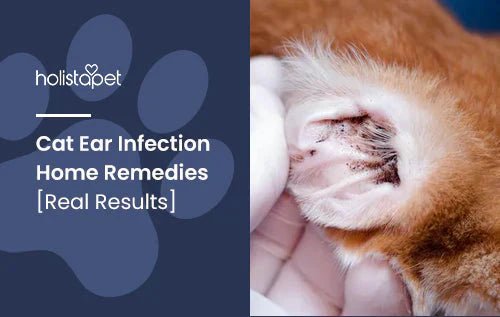
One of the first signs you might notice is excessive scratching around the ears. Your cat might use its paws or rub its head against furniture to relieve the itchiness. You may also observe a dark, crumbly discharge in the ear, resembling coffee grounds.
Another common indicator is redness or inflammation in the ear canal. This redness can be accompanied by an unpleasant odor, which is often a telltale sign of infection. If you’re cleaning your cat’s ears and notice these symptoms, it’s time to consult your vet.
Behavioral Changes
Ear mites can significantly affect your cat’s behavior. Have you noticed your usually calm cat becoming irritable or restless? This can be a direct result of the discomfort caused by ear mites.
Your cat may also tilt its head to one side frequently. This head tilt is often an attempt to alleviate the discomfort or dislodge the mites. Pay close attention to these subtle yet significant behavioral changes as they can be your first clue that something is amiss.
Have you ever seen your cat shake its head vigorously? This behavior might seem harmless but could indicate your cat is trying to rid itself of the itchy invaders. Observing these changes can help you intervene early, ensuring your cat receives timely care.

Credit: www.happypet.care
Causes Of Ear Mite Infestations
Ear mite infestations in cats can be frustrating and uncomfortable for both you and your furry friend. Understanding the causes behind these infestations helps you take better care of your pet and prevent future issues. Let’s explore how these tiny parasites find their way into your cat’s ears and what puts your cat at risk.
How Cats Contract Ear Mites
Ear mites are contagious parasites that easily spread from one animal to another. Your cat can get ear mites through close contact with an infected animal, especially in places like shelters, catteries, or multi-pet households.
Even a brief head-to-head encounter with a cat carrying mites can lead to infestation. These mites thrive in the warm, dark environment of a cat’s ear canal, where they feed on ear wax and oils.
Have you noticed your cat scratching its ears more than usual? That could be the first sign that these unwelcome guests have moved in.
Risk Factors
Some cats are more likely to suffer from ear mite infestations than others. Kittens and young cats are especially vulnerable because their immune systems are still developing.
Cats that spend time outdoors or interact with stray animals face a higher risk of picking up mites. Additionally, cats with weakened immune systems or underlying health conditions may struggle to fight off infestations.
- Living in crowded or unsanitary environments
- Poor grooming habits or neglect
- Close contact with infected animals
- Frequent visits to places with many cats, like shelters
Knowing these risk factors can help you make smarter choices about your cat’s environment and care. What changes can you make today to protect your cat from ear mites?
Home Remedies For Ear Mites
Dealing with ear mites in cats can be stressful, but you might find relief right at home. Home remedies for ear mites focus on gentle cleaning and natural treatments that help soothe your cat’s ears and reduce irritation. These approaches can support your cat’s recovery while you consult your vet for further care.
Cleaning The Ears Safely
Cleaning your cat’s ears carefully is the first step in managing ear mites at home. Use a soft cloth or cotton ball dampened with warm water or a vet-approved ear cleaner. Avoid inserting anything deep into the ear canal; focus only on the visible part.
Gently wipe away any dark debris or wax buildup you see. This helps remove mites and their eggs while preventing further irritation. Have you noticed how your cat reacts when you clean their ears? If they become very uncomfortable, stop and seek professional advice.
Natural Treatments
Several natural remedies can complement ear cleaning to ease your cat’s discomfort. Olive oil is a simple option; a few drops can smother mites and soften ear wax. Warm the oil slightly before use, and apply it with a dropper or cotton ball.
Another option is diluted apple cider vinegar. Mix equal parts water and vinegar, then apply a small amount to the outer ear. This solution creates an environment mites dislike, but be cautious—never use it if the ear is raw or bleeding.
- Coconut oil:Known for its antifungal and antibacterial properties, it can help soothe irritated skin.
- Aloe vera gel:Provides cooling relief and reduces inflammation.
Remember, natural doesn’t always mean risk-free. Monitor your cat closely for any signs of worsening symptoms, and stop any treatment that causes discomfort. Have you tried any natural remedies with your cat? Sharing your experience can help others navigate this tricky issue.
Veterinary Treatments
Veterinary treatments are essential for effectively removing ear mites in cats. These treatments target the mites directly and help relieve discomfort. A vet’s care ensures the right approach and dosage for your cat’s health. Prompt treatment stops the mites from spreading or causing infections.
Medications And Drops
Veterinarians prescribe special ear drops or ointments to kill ear mites. These medications contain ingredients that eliminate mites quickly. Some drops also reduce itching and inflammation. The vet will show how to apply the drops safely. It’s important to follow the full treatment course, even if symptoms improve.
Professional Cleaning
Cleaning the cat’s ears is often necessary to remove debris and wax. A vet uses gentle tools to clear out dirt and mites. This cleaning helps the medication work better by reaching mites hiding under wax. It also prevents infections caused by buildup. Professional cleaning is safe and painless for your cat.
Preventing Ear Mite Recurrence
Preventing ear mite recurrence is key to keeping your cat healthy and comfortable. Ear mites can return if not fully cleared or if the environment remains contaminated. Taking simple steps helps reduce the chances of reinfestation. Consistent care and attention protect your cat’s ears and overall well-being.
Regular Ear Checks
Check your cat’s ears regularly for signs of mites or irritation. Look for redness, dark debris, or excessive scratching. Early detection allows quick treatment and stops the problem from growing. Use a soft cloth or cotton ball to gently clean the ears. Avoid using sharp objects or cotton swabs inside the ear canal. Consistent checks help catch issues before they become severe.
Environmental Hygiene
Keep your cat’s environment clean to prevent ear mites from returning. Wash bedding, toys, and blankets often in hot water. Vacuum carpets and furniture to remove mite eggs and larvae. Clean your cat’s living area regularly to reduce contamination. Isolate infected pets during treatment to avoid spreading mites. A clean environment supports long-term ear health and comfort for your cat.

Credit: petarmor.com
When To See A Vet
Ear mites in cats can often be treated at home, but some cases need professional care. Knowing when to see a vet is important for your cat’s health. If symptoms worsen or do not improve, it is time to get expert help. Early vet visits can prevent serious problems and ease your cat’s pain quickly.
Signs Of Severe Infection
- Constant scratching or head shaking
- Swelling or redness around the ear
- Foul odor coming from the ear
- Dark, crusty discharge
- Visible wounds or scabs near the ear
- Loss of balance or unusual behavior
These signs show the infection may be more serious. A vet can examine your cat and recommend strong treatments. Delaying care can cause more pain and damage.
Complications To Watch For
- Spread of infection to other ear parts
- Permanent ear damage or hearing loss
- Secondary bacterial or yeast infections
- Chronic inflammation or thickened ear canal
- Extreme discomfort or distress
Complications need quick medical attention. Vets can provide medicine and cleaning to stop problems. Keeping close watch helps protect your cat’s ears and overall health.

Credit: www.happypet.care
Frequently Asked Questions
What Are Common Symptoms Of Ear Mites In Cats?
Ear mites cause intense itching, dark discharge, and redness in cats’ ears. You may notice your cat scratching or shaking its head frequently. These signs indicate a possible ear mite infestation that needs prompt treatment.
How Do Veterinarians Treat Ear Mites In Cats?
Veterinarians use medicated ear drops or topical treatments to kill ear mites. They may clean the ears to remove debris and recommend follow-up care. Early treatment prevents complications and relieves your cat’s discomfort quickly.
Can I Treat My Cat’s Ear Mites At Home?
Home treatments like over-the-counter ear drops exist but may not be effective. It is best to consult a vet for a proper diagnosis and treatment plan. Incorrect treatment can worsen the problem or cause ear damage.
How Long Does Ear Mite Treatment Take To Work?
Treatment usually takes 1 to 3 weeks to clear ear mites completely. Consistent application of medication and follow-up vet visits ensure full recovery. Early detection speeds up healing and reduces discomfort for your cat.
Conclusion
Treating ear mites in cats needs care and patience. Clean your cat’s ears gently before applying medicine. Use vet-recommended treatments to kill the mites safely. Watch your cat closely for signs of improvement or irritation. Regular check-ups help keep your cat healthy and mite-free.
Acting quickly prevents ear infections and discomfort. Healthy ears mean a happy cat. Don’t wait if symptoms return—seek veterinary advice right away. Simple steps protect your pet’s well-being every day.
