

Are you wondering if your cat really needs shots? You might think vaccines are just for dogs or maybe they’re optional for cats.
But the truth is, vaccinations play a key role in keeping your furry friend healthy and happy. Missing out on important shots can put your cat at risk of serious illnesses. You’ll discover why these vaccines matter, what shots your cat needs, and how they protect your pet from dangerous diseases.
Keep reading to learn how you can give your cat the best defense against health threats.
Why Vaccines Matter
Vaccines play a crucial role in keeping your cat healthy and safe. They are not just a one-time event but a lifelong commitment to your pet’s health. As a responsible pet owner, understanding why vaccines matter can help you make informed decisions about your cat’s well-being.
Common Cat Diseases
Cats, like humans, are susceptible to a variety of diseases. Some of the most common include feline distemper, feline leukemia, and rabies. These diseases can be severe, leading to chronic health issues or even being life-threatening.
Feline distemper, also known as panleukopenia, is highly contagious and can spread rapidly among cats. Feline leukemia weakens the immune system, making your cat vulnerable to other infections. Rabies is not only dangerous to your cat but can also pose a risk to humans and other animals.
How Vaccines Protect Cats
Vaccines work by preparing your cat’s immune system to fight off specific diseases. When your cat is vaccinated, its body learns to recognize and combat the viruses or bacteria responsible for the illness. This means that if your cat is exposed to the actual disease, its immune system can respond more effectively.
Think of vaccines as a safety net, catching potential diseases before they have a chance to impact your cat’s health. Regular vaccinations can reduce the risk of your cat contracting these diseases, saving you from costly vet bills and heartache. Have you ever wondered how much stress and worry you could avoid by keeping up with your cat’s vaccinations?
By ensuring your cat receives the necessary shots, you are not only protecting your pet but also contributing to the overall health of the feline community. This proactive approach helps prevent outbreaks of diseases that can affect many cats in your area. So, when was the last time you checked your cat’s vaccination schedule?
Core Vaccines For Cats
Core vaccines protect cats from serious diseases. These vaccines keep cats healthy and safe. Most veterinarians recommend these shots for all cats. They help prevent infections that can be deadly or cause long-term health problems.
Feline Panleukopenia
Feline panleukopenia is a severe viral disease. It causes fever, vomiting, and diarrhea. This virus attacks the cat’s immune system and gut. Vaccination helps protect cats from this dangerous illness. Without the vaccine, the disease can be fatal, especially in kittens.
Feline Herpesvirus
This virus causes respiratory problems and eye infections. Symptoms include sneezing, runny nose, and watery eyes. The vaccine reduces the severity of these symptoms. It also lowers the chance of spreading the virus to other cats. Vaccinated cats recover faster and suffer less.
Feline Calicivirus
Calicivirus affects the mouth, nose, and respiratory system. It causes ulcers, sneezing, and coughing. Some cats may develop severe pneumonia. The vaccine helps prevent infection or reduces symptoms. It is important for cats living with others or outdoors.
Rabies Vaccine
Rabies is a deadly disease that affects the brain. It spreads through bites from infected animals. Rabies is a risk to cats and humans. Vaccinating cats against rabies is often required by law. The vaccine protects cats and keeps families safe.
Non-core Vaccines
Not all vaccines your cat might need are part of the routine shots. Non-core vaccines are given based on your cat’s lifestyle, environment, and risk of exposure to specific diseases. Deciding whether your cat needs these shots depends on factors like where you live and how much time your cat spends outdoors.
Feline Leukemia Virus
The Feline Leukemia Virus (FeLV) vaccine is recommended for cats that go outside or live with other cats whose health status is unknown. FeLV can cause serious illness and weaken your cat’s immune system. If your cat stays indoors and has limited contact with other cats, this vaccine might not be necessary.
Think about your cat’s daily routine—does it explore the neighborhood or visit places where other cats gather? If yes, getting the FeLV shot could protect your furry friend from a potentially deadly virus.
Chlamydia And Bordetella
These vaccines protect against respiratory infections that can spread quickly in multi-cat environments. Chlamydia can cause eye infections and sneezing, while Bordetella is known to cause kennel cough in dogs but can also affect cats. If your cat frequents boarding facilities or shelters, these shots might be wise.
Have you ever noticed your cat sneezing or having watery eyes after a stay at a pet hotel? That could be a sign these vaccines are worth considering.
Other Optional Vaccines
There are several other vaccines that may be suggested based on your cat’s specific situation. These include vaccines for diseases like Feline Infectious Peritonitis (FIP) and Rabies, depending on local laws and risks. Discuss with your vet what makes sense for your cat’s health and your peace of mind.
What’s your cat’s daily environment like? Answering this will help you and your vet make the best decisions on these optional shots.
Vaccination Schedule
Vaccinations are a key part of keeping your cat healthy. Following the right vaccination schedule helps protect your feline friend from serious diseases. Understanding when and which shots your cat needs allows you to plan vet visits better and keep their immunity strong.
Kittens’ Vaccination Timeline
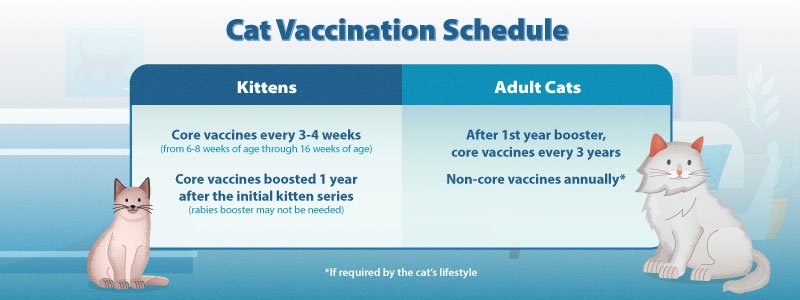
Kittens need a series of vaccines starting at about six to eight weeks old. These initial shots help them build protection while their mother’s antibodies fade away.
- 6-8 weeks:First round includes vaccines for feline distemper and respiratory viruses.
- 10-12 weeks:Second round boosts initial protection and adds vaccines like feline leukemia.
- 14-16 weeks:Final kitten vaccines complete the core immunity before they reach adulthood.
Missing these early vaccines can leave kittens vulnerable. Are you tracking your kitten’s appointments carefully? It’s easier to stay on top of shots when you mark them on a calendar or set reminders.
Adult Cat Booster Shots
After your cat finishes the kitten series, booster shots keep their immunity strong through adulthood. Most vets recommend boosters every one to three years, depending on the vaccine and your cat’s lifestyle.
- Core vaccines often require boosters every 3 years.
- Vaccines for outdoor cats or high-risk environments might need annual boosters.
- Talk to your vet about which boosters fit your cat’s specific needs.
Have you noticed how some cats seem to skip vet visits as they age? Consistent boosters can prevent many common illnesses. Keeping a vaccination record helps you avoid missing these important shots and keeps your cat protected for life.
Risks And Side Effects
Vaccinating your cat is essential, but it’s natural to worry about possible risks and side effects. Understanding what reactions might occur helps you stay calm and prepared. Knowing when to act can protect your cat from complications.
Common Reactions
Most cats handle shots well, experiencing only mild side effects. You might notice slight swelling or tenderness at the injection site. This usually goes away within a day or two.
Some cats become a bit sleepy or lose their appetite for 24 hours. These mild symptoms are normal and show your cat’s immune system is responding. In rare cases, cats may sneeze or have a mild fever.
Have you ever seen your cat hide after a vet visit? It’s often because they feel a bit off from the vaccine. Just keep an eye on them and provide a cozy spot to rest.
When To Contact A Vet
Not all reactions are harmless. If your cat shows trouble breathing, persistent vomiting, or swelling beyond the injection site, call your vet immediately. These signs might indicate a serious allergic reaction.
Other warning signals include:
- Severe lethargy lasting more than a day
- Repeated vomiting or diarrhea
- Sudden collapse or seizures
Trust your instincts. If your cat’s behavior changes dramatically after shots, it’s better to be safe and get professional advice. Have your vet’s number handy before vaccination day—it can save precious time.
Credit: spallandharveyanimalhospital.ca
Vaccines And Outdoor Cats
Outdoor cats face different health challenges compared to indoor cats. Their environment exposes them to various diseases that vaccines can help prevent. Understanding the role of vaccines for outdoor cats is essential to keep your feline friend safe and healthy.
Higher Exposure Risks
Outdoor cats come into contact with other animals, wild or domestic, increasing their risk of catching contagious diseases. They may encounter fleas, ticks, and viruses more often than indoor cats. These risks make vaccinations crucial to protect them from illnesses like rabies, feline leukemia, and respiratory infections.
Have you noticed your cat exploring areas where other animals roam? That simple curiosity can expose them to serious health threats. Vaccines act as a shield, reducing the chance that your cat will bring home dangerous infections.
Tailored Vaccine Plans
Not all outdoor cats need the same vaccines. Your cat’s lifestyle, health status, and local disease risks influence which shots are necessary. A tailored vaccine plan from your veterinarian ensures your cat receives the right protection without unnecessary shots.
For example, if your cat frequently hunts or interacts with neighborhood cats, your vet might recommend additional vaccines. Discuss your cat’s habits openly to create a vaccine schedule that fits their unique outdoor life. This personalized approach keeps your cat protected and avoids over-vaccination.
Travel And Boarding Requirements
Traveling or boarding your cat requires careful attention to their health and vaccination status. Many destinations and boarding facilities have strict rules about which shots your cat must have before acceptance. Meeting these requirements not only protects your cat but also other animals they come into contact with.
Vaccines Needed For Travel
Different countries and airlines set specific vaccine requirements for cats before travel. Core vaccines like rabies are almost always mandatory, especially for international trips. Some places also require proof of feline distemper and calicivirus vaccinations.
Always check with your veterinarian and the travel authority well in advance. You might need a health certificate issued within a certain time frame before departure. Missing these could delay or cancel your trip, so plan ahead.
Vaccinations For Boarding Facilities
Boarding facilities usually ask for up-to-date vaccinations to protect all animals under their care. These commonly include:
- Rabies
- Feline viral rhinotracheitis, calicivirus, and panleukopenia (FVRCP)
- Feline leukemia virus (FeLV), especially if your cat will be around other cats
Some kennels might also require a recent negative test for parasites or respiratory infections. If your cat has never been boarded before, ask the facility about their specific vaccine rules. This helps you avoid last-minute surprises and keeps your cat safe and happy during their stay.

Credit: millsanimalhospital.com
Myths About Cat Vaccines
Many cat owners worry about vaccines. Some believe vaccines can cause illness or are not necessary for indoor cats. These ideas create confusion and fear. Understanding facts helps protect your cat’s health. Let’s clear up myths about cat vaccines to keep your pet safe.
Debunking Common Misconceptions
- Cats do not get sick from vaccines. Vaccines use weakened or inactive germs.
- Indoor cats still need vaccines. Diseases can enter through windows or other pets.
- Vaccines do not cause long-term health problems. Most side effects are mild and short.
- Vaccinating every year is not always needed. Your vet advises the right schedule.
- Natural immunity is not enough. Vaccines prepare your cat’s body to fight diseases.
Facts About Vaccine Safety
Cat vaccines go through strict testing before use. They are safe and effective for most cats.
Side effects are rare. Some cats might have mild fever or soreness for a day.
Serious reactions are very uncommon. Vets monitor cats closely after vaccination.
Vaccines help prevent deadly illnesses like rabies and feline leukemia.
Regular shots protect your cat and other pets from outbreaks.
Working With Your Veterinarian
Working with your veterinarian ensures your cat receives the best care. Vaccinations protect cats from many serious diseases. A vet’s guidance helps create a safe, effective vaccination schedule. Regular check-ups allow early detection of health issues. Building a strong relationship with your vet supports your cat’s long-term health.
Creating A Vaccination Plan
Your veterinarian will design a vaccination plan based on your cat’s age, lifestyle, and risk factors. Core vaccines protect against common, dangerous diseases. Non-core vaccines may be recommended depending on your cat’s environment. The plan includes timing for initial shots and boosters. Your vet explains the benefits and possible side effects clearly. This plan keeps vaccinations organized and up to date.
Monitoring Your Cat’s Health
After vaccinations, your veterinarian monitors your cat’s health closely. Regular visits help track any reactions or changes. Your vet examines your cat’s overall condition during these visits. Reporting unusual signs like swelling or lethargy is important. Monitoring ensures vaccines work effectively and your cat stays healthy. This proactive care prevents many health problems before they grow serious.
Credit: triangleanimalclinic.com
Frequently Asked Questions
Do All Cats Need Vaccinations?
Yes, all cats should get vaccinations. Vaccines protect them from serious diseases. They help ensure a long, healthy life.
When Should Kittens Get Their First Shots?
Kittens usually get their first vaccines at 6 to 8 weeks old. Follow-up booster shots are needed every 3-4 weeks.
What Vaccines Are Essential For Cats?
Core vaccines include rabies, feline distemper, and respiratory viruses. These protect cats from common, dangerous diseases.
Are Cat Vaccinations Safe For Pets?
Yes, cat vaccines are safe. Side effects are rare and mild, like slight swelling or tiredness.
Conclusion
Cats need shots to stay healthy and avoid serious diseases. Vaccines protect them from infections that can be dangerous or even fatal. Regular visits to the vet ensure your cat gets the right shots at the right time. Shots also help protect other pets and people in your home.
Keeping up with vaccinations means fewer health problems and less stress. A healthy cat is a happy cat. Don’t skip their shots—your cat’s well-being depends on it. Simple care makes a big difference in your pet’s life.
