

Have you ever wondered if your cat bleeds when she’s in heat? It’s a common question for many cat owners, especially if you notice unusual spots or changes in her behavior.
Understanding what really happens during your cat’s heat cycle can help you care for her better and avoid unnecessary worry. Keep reading to discover the truth about cats in heat—and what signs you should actually watch for.
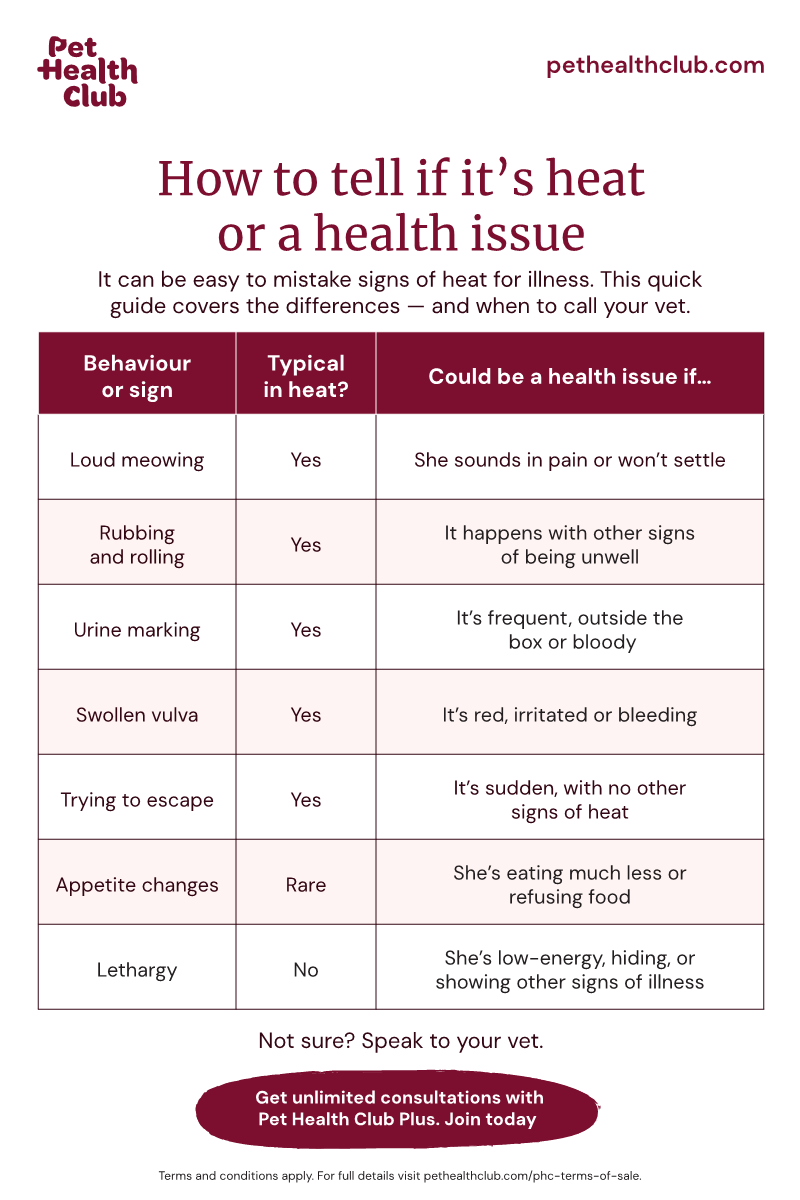
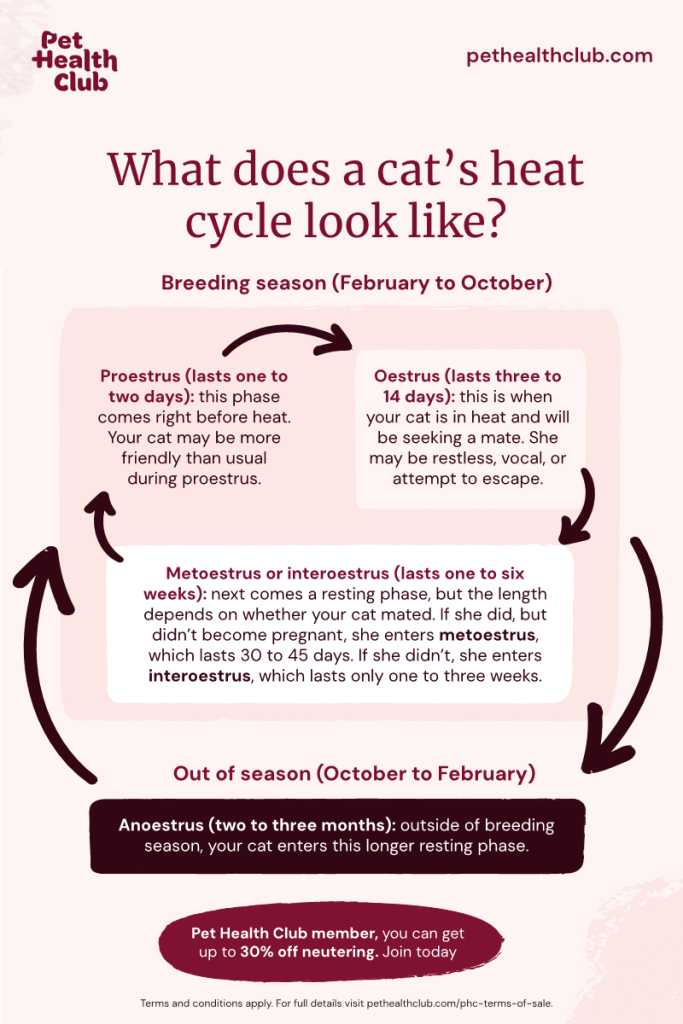
Credit: www.pethealthclub.com
Signs Of A Cat In Heat
Cats in heat often show loud vocalizing, restlessness, and increased affection. Unlike dogs, cats usually do not bleed during their heat cycle. Spotting blood is rare and may indicate other health issues.
Understanding the signs of a cat in heat can be crucial. Female cats, or queens, exhibit specific behaviors and physical changes during this time. Recognizing these signs helps in managing and caring for your feline friend.Behavioral Changes
Cats in heat become more affectionate. They often rub against furniture and people. Their vocalization increases significantly. Expect loud meowing or yowling, especially at night. This is their way of attracting a mate. Cats may also roll on the ground. Some display restlessness, pacing back and forth.Physical Symptoms
Swelling in the genital area is common. Though cats do not bleed like dogs, they may have slight discharge. Increased grooming, especially in the genital area, is noticeable. Appetite might decrease during this period. Cats may also show a lordosis posture. This involves arching their back and raising their hindquarters.Myth Of Bleeding In Cats
Many cat owners worry when their pets go into heat, fearing they might see bleeding similar to what happens with dogs. This is a common misunderstanding. Cats do not bleed during their heat cycles, which often surprises people who expect signs like blood spots or stains.
Comparison To Dogs
Dogs experience a heat cycle called estrus that typically includes noticeable bleeding. This bleeding helps signal their fertility to male dogs and is a clear, visible sign of their reproductive phase.
Cats, on the other hand, have a different reproductive process. Their heat cycle doesn’t involve shedding the uterine lining, so there’s no bleeding. If you’ve seen blood with a cat in heat, it might be from injury or illness, not the heat cycle itself.
Why Cats Don’t Bleed
Cats are induced ovulators, meaning they release eggs only after mating. This biological difference changes how their reproductive cycles work compared to dogs.
During a cat’s heat, the body doesn’t prepare to shed tissue, so no bleeding occurs. Instead, you might notice loud vocalizations, restlessness, or increased affection.
Have you ever seen your cat in heat and wondered why she acts so differently from dogs? Understanding this can help you recognize normal behaviors and spot real health concerns early.
What To Expect During Heat Cycles
Understanding what happens during a cat’s heat cycle helps pet owners care better. Cats in heat show clear signs and behave differently. Observing these changes gives clues about their needs and health.
Duration And Frequency
A typical heat cycle lasts about 7 to 10 days. Some cats may stay in heat for up to two weeks. These cycles often repeat every two to three weeks during breeding season. The cycle frequency depends on the cat’s environment and breed.
Most cats experience heat cycles from spring to fall. Indoor cats may have more frequent cycles. Keeping track helps prepare for the behaviors and care needed.
Typical Cat Reactions
Cats in heat become more vocal. They often yowl loudly to attract mates. You might notice restlessness and pacing around the house. Many cats show increased affection and seek attention.
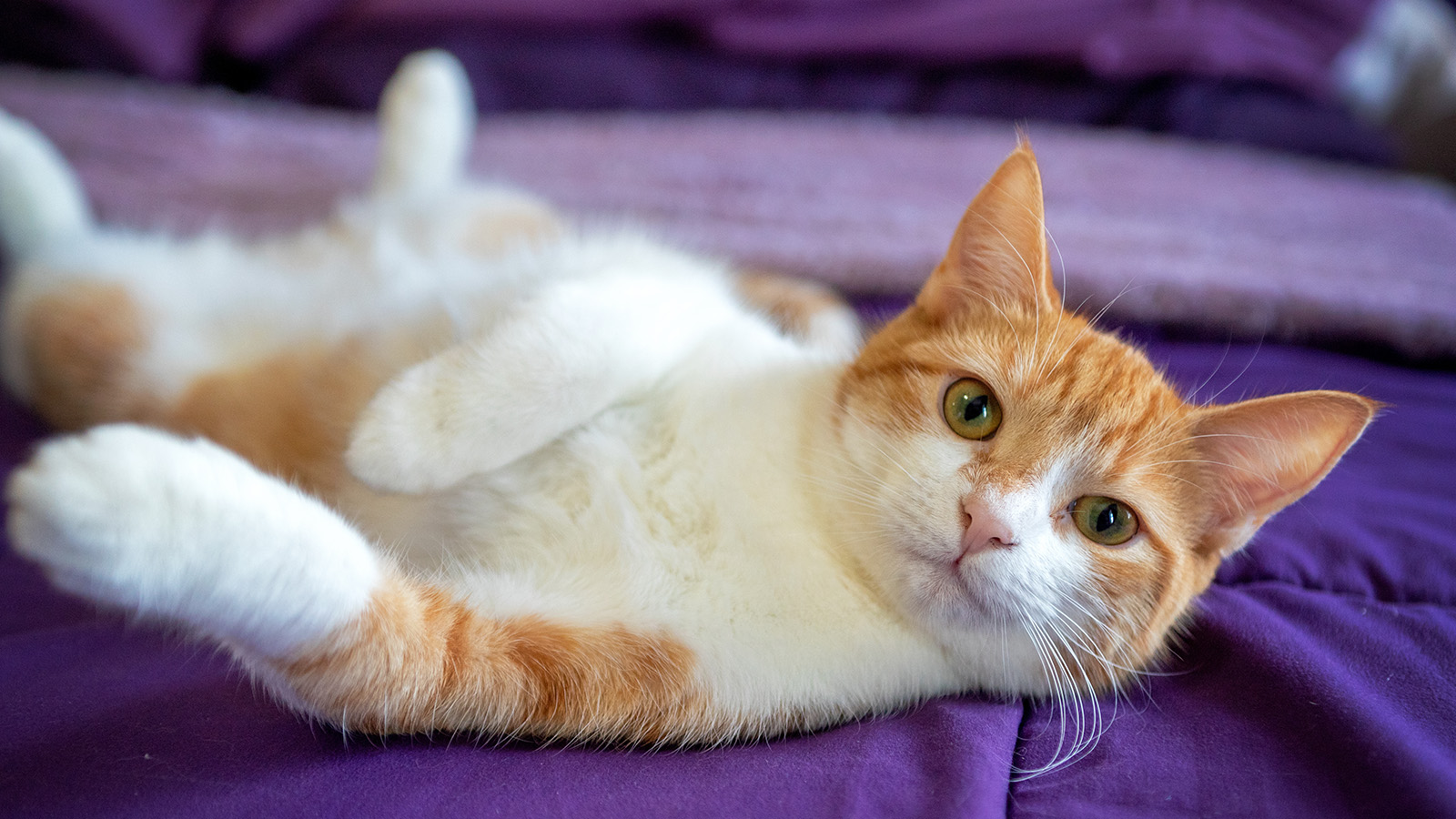
Some cats roll on the floor or rub against objects. Their tail position changes, often held to the side. These behaviors signal their readiness to mate. Understanding these signs reduces worry about unusual actions.
Credit: animals.howstuffworks.com
Managing A Cat In Heat
Managing a cat in heat requires patience and gentle care. Cats may act restless and vocal during this time. Their behavior changes because they feel the urge to mate. Owners need to support their cats to keep them calm and comfortable. Understanding what to do helps both the cat and the owner cope better.
Comfort And Care Tips
- Provide a quiet, safe space for your cat to relax.
- Keep fresh water and food available at all times.
- Play softly with your cat to distract and calm her.
- Use a warm blanket or bed to soothe her body.
- Keep the litter box clean to avoid any stress.
- Offer extra attention but respect her mood changes.
- Close windows and doors to reduce loud noises outside.
When To Consult A Vet
Seek veterinary advice if your cat bleeds or shows unusual signs. Heavy bleeding or wounds need prompt medical care. Watch for changes in appetite or energy levels. If your cat seems in pain or weak, call your vet. Persistent crying or restlessness may also require professional help. Your vet can suggest safe treatments or options for spaying.
Spaying And Heat Cycles
Understanding the relationship between spaying and your cat’s heat cycles can help you make informed decisions about her health and behavior. Heat cycles in cats can be challenging, both for the pet and the owner. Spaying offers a clear solution that affects these cycles in significant ways.
Benefits Of Spaying
Spaying your cat removes her ovaries and uterus, which stops heat cycles completely. This means no more yowling, restlessness, or attempts to escape in search of a mate.
Beyond behavior, spaying helps prevent serious health problems like uterine infections and certain cancers. It also reduces the risk of unwanted litters, which can be overwhelming to manage.
Many cat owners notice a calmer, more affectionate pet after spaying. Have you ever wondered how much a simple procedure could improve your cat’s quality of life?
Effects On Heat Behavior
During heat, cats may exhibit behaviors such as vocalizing loudly and rubbing against furniture. Spaying eliminates these behaviors because the hormonal triggers no longer exist.
Without heat cycles, your cat won’t experience the physical symptoms associated with being in heat, like swelling or discharge. This means you won’t have to worry about questions like “Do cats bleed when in heat?” because spayed cats do not go through these cycles.
Think about the peace of mind that comes with knowing your cat isn’t going to enter heat again. How might this change your daily routine and your cat’s happiness?

Credit: www.youtube.com
Frequently Asked Questions
Do Cats Bleed When They Are In Heat?
No, cats do not bleed during their heat cycle. Unlike dogs, cats show behavioral signs but no bleeding when in heat.
What Are Common Signs Of A Cat In Heat?
Cats in heat may vocalize loudly, become more affectionate, and show restlessness. They often assume mating positions but without bleeding.
How Long Does A Cat’s Heat Cycle Last?
A cat’s heat cycle usually lasts 7 to 10 days. It can repeat every few weeks if the cat is not bred.
Can Heat Bleeding In Cats Indicate Health Issues?
If you notice bleeding from your cat, it could be a medical problem. Heat cycles in cats typically do not cause bleeding.
Conclusion
Cats do not bleed when they are in heat. Instead, they show other signs like loud meowing and restlessness. Understanding these behaviors helps you care for your cat better. If you notice unusual bleeding, visit a vet soon. Knowing your cat’s heat cycle keeps her healthy and happy.
Stay observant and provide comfort during this time. Your cat will appreciate your care and attention.
