


Have you ever noticed tiny white grains near your cat’s rear or in its litter box and wondered what they could be? Those little specks might be more than just dirt—they could be tapeworm segments.
Knowing what tapeworms look like in cats is important because they can affect your furry friend’s health. If you want to keep your cat happy and healthy, understanding how to spot these parasites early can make all the difference. Keep reading to discover what to look for and how to protect your pet from tapeworms.
Tapeworm Appearance
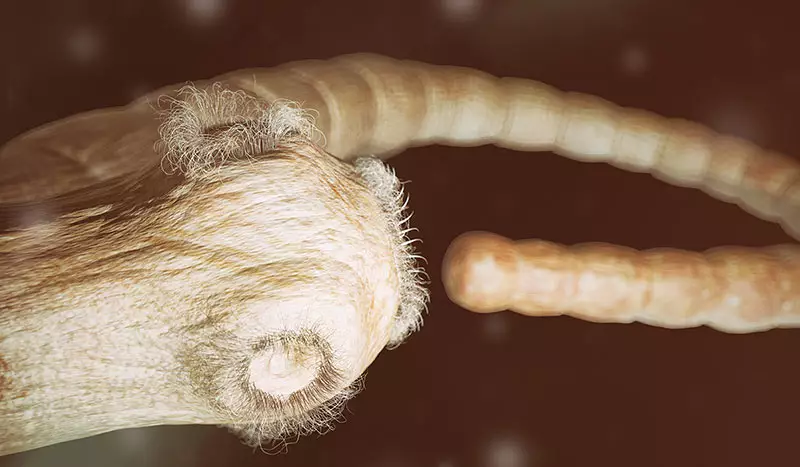
Tapeworms in cats look like small, flat, white segments that resemble grains of rice. These segments may move and are often found near the cat’s anus or in their stool. They can vary in length but usually appear as tiny, flat worms.
Understanding the appearance of tapeworms in cats can be crucial for any pet owner. These parasites, while not always visibly apparent, can cause distress to your furry friend. Identifying them early can lead to quicker treatment and relief for your cat. Let’s dive into the specific features that define the appearance of tapeworms in cats.Size And Shape
Tapeworms are typically flat and segmented, resembling a ribbon or a piece of tape. Each segment, called a proglottid, can detach and appear in your cat’s feces. They can measure anywhere from a fraction of an inch to several inches long.Color And Texture
These parasites often appear white or cream-colored. The texture is usually smooth, but upon closer inspection, each segment can have a grainy appearance due to the eggs inside. Have you ever noticed something resembling a grain of rice around your cat’s tail? That could be a tapeworm segment.Movement Characteristics
Tapeworms are quite distinct in their movement. While still inside the intestine, they remain relatively still. However, once segments are excreted, they can sometimes wriggle, catching your attention with their slight movement. This can be an unsettling sight but is a clear signal to seek treatment for your cat. Have you ever wondered how your cat’s behavior might change if it has tapeworms? Observing these physical traits can provide the answers you need to act swiftly. Keep an eye out for these signs, and ensure your cat remains healthy and happy.
Credit: www.reddit.com
Common Signs In Cats
Spotting tapeworms in your cat early can make a big difference in their health. These parasites don’t always cause obvious problems at first, but your cat’s body will often show clues. Paying attention to these signs helps you act quickly and keep your furry friend comfortable.
Visible Segments In Fur
One of the clearest signs of tapeworms is seeing tiny white or cream-colored segments near your cat’s rear. These segments look like small grains of rice and can sometimes move. You might notice them sticking to your cat’s fur or on their bedding.
Have you ever seen these little segments and wondered if they were just dandruff? If they wiggle, that’s a strong hint they could be tapeworm pieces. Catching this early means you can get treatment before the infestation worsens.
Changes In Appetite
Your cat might start eating more or less than usual when tapeworms are present. Some cats become hungrier because the parasites are stealing nutrients, while others lose their appetite due to discomfort. Watch for sudden shifts in eating habits that don’t seem linked to other causes.
Think about your cat’s usual behavior—are they begging for food more often? Or are they avoiding meals? These subtle changes might be the first signs your cat needs a vet visit.
Weight Loss And Behavior
Despite changes in appetite, weight loss is common with tapeworm infections. Your cat may look thinner or less energetic even if they seem to be eating well. This can be confusing if you only focus on food intake.
Notice if your cat seems more tired or irritable than usual. These behavior changes can indicate discomfort from the parasites. Have you seen your cat acting differently without a clear reason? It might be time to check for tapeworms.
Causes Of Tapeworms
Tapeworms in cats come from several common causes. Understanding these helps protect your feline friend. These parasites need a host to grow and spread. Cats can get tapeworms in different ways, mostly linked to their lifestyle and environment.
Flea Transmission
Fleas are the most common carriers of tapeworm eggs. When a cat grooms itself and swallows an infected flea, the tapeworm larvae enter the cat’s digestive system. The larvae then attach to the intestines and grow into adult tapeworms.
Controlling fleas on your cat and in your home is key to preventing tapeworms. Flea treatments reduce the risk of infection.
Hunting And Eating Prey
Cats who hunt small animals like mice or birds can catch tapeworms. These animals often carry tapeworm larvae in their bodies. When a cat eats infected prey, the larvae move into the cat’s intestines and mature into tapeworms.
Outdoor cats or those with hunting habits face a higher risk of tapeworm infection.
Environmental Factors
The environment plays a role in tapeworm spread. Places with many fleas or wild animals increase exposure risk. Dirty or crowded living areas can also help tapeworm eggs survive longer.
Keeping your cat’s living space clean lowers the chance of tapeworm infection. Regular vacuuming and washing bedding help remove fleas and eggs.

Credit: www.youtube.com
Health Risks For Cats
Tapeworm infections in cats can pose serious health risks that go beyond just visible segments around their rear. Understanding these risks helps you act quickly to protect your feline friend’s well-being. Let’s look at the main ways tapeworms can affect your cat’s health.
Digestive Issues
Tapeworms attach to your cat’s intestines and feed off their nutrients. This can cause stomach discomfort, vomiting, and diarrhea. You might notice your cat straining or licking their rear excessively, which signals irritation caused by the parasites.
Have you observed your cat losing interest in food or suddenly having an upset stomach? These signs often indicate digestive trouble linked to tapeworms. Prompt veterinary care can prevent these symptoms from worsening.
Nutritional Deficiencies
Since tapeworms consume nutrients meant for your cat, your pet may suffer from a lack of vital vitamins and minerals. This can lead to weight loss, dull fur, and low energy levels. Even if your cat seems to eat normally, the parasites are stealing essential nourishment.
Think about how your cat behaves daily—are they less playful or seem weaker? These subtle changes might be due to nutrient loss. Ensuring your cat is parasite-free helps maintain their strength and vitality.
Secondary Infections
The irritation caused by tapeworm segments around the anus can lead to scratching and biting. This behavior often results in open wounds or sores, which can become infected. Such infections may cause additional pain and require antibiotic treatment.
Ignoring these signs can lead to more serious skin problems. Have you noticed your cat grooming excessively or showing redness near the tail? These could be early warnings of secondary infections linked to tapeworms.
Diagnosis Methods
Identifying tapeworms in your cat can be tricky without the right approach. Knowing how professionals diagnose this parasite helps you recognize signs early and get timely treatment. Here are the key ways tapeworms are diagnosed.
Veterinary Examination
A vet’s physical exam is often the first step. They carefully check your cat’s coat, skin, and anus for any visible signs like tiny white segments that look like grains of rice. These segments indicate tapeworms shedding their eggs.
Vets also ask about your cat’s habits and symptoms such as itching or weight loss. This detailed look can reveal clues that you might overlook at home.
Fecal Tests
Fecal testing is a reliable way to confirm tapeworms. Your vet will collect a stool sample to look for tapeworm eggs under a microscope. These eggs are often released intermittently, so sometimes multiple samples are needed.
Though this test is effective, it’s not always foolproof. Tapeworm segments might be missed if they aren’t actively shedding eggs when the sample is taken.
Observation At Home
You play a crucial role in spotting tapeworm signs early. Check your cat’s fur and bedding for small, moving white segments or rice-like grains. Your cat might also drag its rear on the floor or lick the area excessively.
Have you noticed these signs? If yes, collect a sample carefully and visit your vet. Early observation can speed up diagnosis and treatment.
Credit: bowwowinsurance.com.au
Treatment Options
Dealing with tapeworms in your cat can be unsettling, but understanding your treatment options makes the process manageable. Effective treatment not only clears the infection but also helps prevent future infestations. Here’s what you need to know to protect your feline friend and keep your home safe.
Medications
Veterinarians typically prescribe specific deworming medications that target tapeworms directly. These drugs work by dissolving the tapeworms so they can be passed safely through your cat’s digestive system.
Most treatments come as oral tablets or injections. It’s important to follow your vet’s dosage instructions carefully to ensure the infection is fully eliminated. Have you ever noticed small rice-like segments around your cat’s rear? These are tapeworm segments, and medication helps stop this unpleasant symptom quickly.
Flea Control
Fleas are the main carriers of tapeworm larvae, so controlling fleas is a key step in treatment. Without addressing fleas, your cat can easily get reinfected even after medication.
Use veterinarian-recommended flea preventatives consistently. These include topical treatments, flea collars, or oral medications that kill fleas before they can spread tapeworm eggs. Think about your cat’s environment too — regular cleaning of bedding and vacuuming helps reduce flea populations.
Follow-up Care
After treatment, it’s crucial to monitor your cat for signs that the tapeworms have cleared. Keep an eye on your cat’s behavior and check for any new tapeworm segments.
Your vet may schedule a follow-up visit or recommend a stool test to confirm the infection is gone. Keeping communication open with your vet ensures you catch any recurrence early and maintain your cat’s health long-term. How often do you check your cat’s health beyond routine vet visits?
Preventive Measures
Preventing tapeworm infections in cats is essential for their health and comfort. Simple actions at home can keep your cat safe from these parasites. Prevention helps avoid costly treatments and distress for your pet.
Regular Deworming
Give your cat deworming medicine regularly. This kills any tapeworms inside your cat’s body. Follow the schedule your vet suggests. Regular treatment stops tapeworms from growing and spreading. Keep a record of each dose to stay on track.
Flea Prevention
Fleas carry tapeworm eggs and spread them to cats. Use flea control products like sprays, collars, or spot-ons. Check your cat for fleas often, especially in warm months. Clean your cat’s bedding and home to remove fleas and eggs. Flea control reduces tapeworm risk significantly.
Safe Hunting Practices
Wild rodents and birds can carry tapeworm larvae. Keep your cat indoors or supervise outdoor time. Avoid letting your cat hunt or eat wild animals. Provide plenty of toys and playtime to reduce hunting behavior. Safe habits lower the chance of tapeworm infection.
When To See A Vet
Knowing when to see a vet is crucial for your cat’s health. Tapeworms can cause mild to serious problems. Early vet visits help stop infections from getting worse. Watch your cat closely for signs that need professional care.
Persistent Symptoms
If your cat keeps showing signs like itching around the tail or seeing small white segments near the anus, it needs a vet’s check. Symptoms that do not go away after a few days require medical attention. Persistent issues may mean a heavy tapeworm infection.
Severe Weight Loss
Weight loss can happen if tapeworms steal nutrients from your cat. Sudden or ongoing weight loss is a serious sign. The vet can find the cause and offer the right treatment to help your cat regain strength.
Behavioral Changes
Changes in your cat’s behavior can signal discomfort or illness. Watch for lethargy, loss of appetite, or unusual hiding. These changes may mean the tapeworm infection is affecting its well-being. A vet visit is necessary to address these problems.
Frequently Asked Questions
What Do Tapeworm Segments Look Like On Cats?
Tapeworm segments appear as small, white, rice-like grains near the cat’s anus or in its feces. They often move and can be mistaken for flea eggs.
How Long Are Tapeworms Inside Cats?
Adult tapeworms can grow up to 8 inches long inside a cat’s intestines. They live by attaching to the intestinal walls and absorbing nutrients.
Can Tapeworms Cause Visible Symptoms In Cats?
Yes, tapeworms may cause itching, scooting, weight loss, or vomiting in cats. However, some cats show no visible symptoms at all.
How To Identify Tapeworms In Cat’s Feces?
Look for small, white, flat segments or rice-like grains in the cat’s stool. These segments might move and break off from the main worm.
Conclusion
Tapeworms in cats look like small, white rice grains. They often appear around the cat’s rear or in their stool. Spotting them early helps protect your pet’s health. Treating tapeworms is important to stop discomfort and prevent spread. Keep your cat clean and check regularly for signs.
Consult a vet if you notice anything unusual. Staying informed helps keep your cat happy and healthy. Simple steps make a big difference in your cat’s well-being.
