

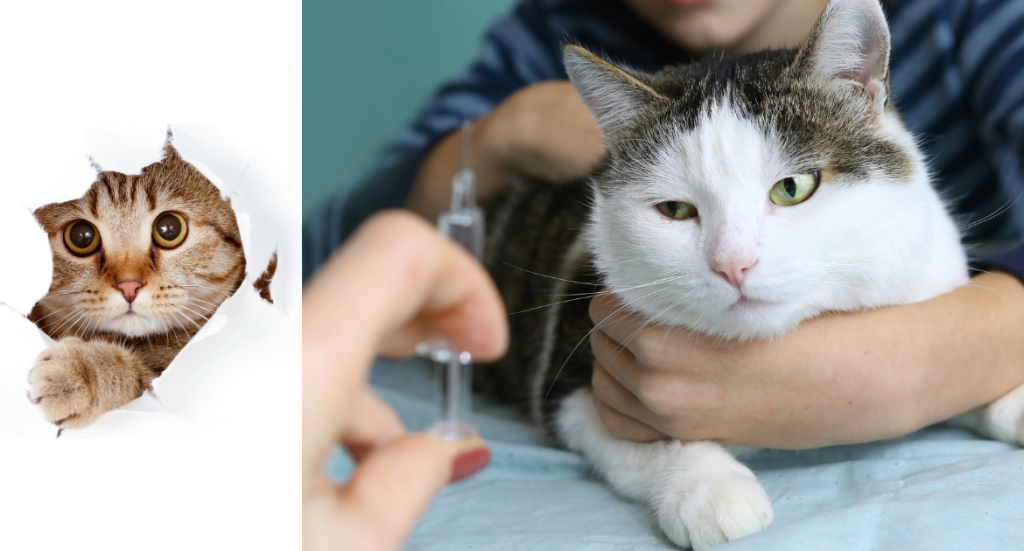
Have you ever wondered how to tell if your cat might have rabies? It’s a scary thought, but knowing the signs can protect both you and your furry friend.
Rabies is a serious disease that can change a cat’s behavior quickly. If you notice unusual actions or symptoms, acting fast could save a life. You’ll learn the clear warning signs and what to do if you suspect your cat has rabies.
Keep reading—you need this knowledge to keep your home safe.

Credit: mccallumcentreanimalhospital.com
Rabies Basics In Cats
Signs of rabies in cats include sudden behavior changes, aggression, and excessive drooling. Difficulty walking or paralysis may also occur. Immediate veterinary care is essential if these symptoms appear.
Rabies is a deadly virus that affects the nervous system. It can infect all warm-blooded animals, including cats. Recognizing rabies in cats is crucial for safety. Knowing the basics can help you understand how it affects your feline friend.How Rabies Spreads
Rabies spreads through saliva. A common way is through bites from infected animals. Cats may contract it while roaming outdoors. Even a small scratch can transmit the virus. The virus travels through the nerves to the brain. Once it reaches the brain, symptoms start to show. Early detection can prevent further spread.Why Cats Are At Risk
Cats are curious creatures. They often explore their surroundings. This puts them at risk of encountering rabid animals. Outdoor cats face higher risks. They can come into contact with wild animals like raccoons and bats. Unvaccinated cats have a higher chance of contracting rabies. Keeping cats indoors reduces their exposure. Regular vaccinations are key in prevention.
Credit: mccallumcentreanimalhospital.com
Early Signs Of Rabies
Recognizing the early signs of rabies in your cat can be crucial for both your pet’s health and your safety. Rabies affects the nervous system, causing noticeable changes before it reaches its final stages. Watching closely for subtle shifts in your cat’s behavior and physical state can help you take timely action.
Behavioral Changes
One of the first signs of rabies in cats is a change in behavior. Your usually friendly cat might suddenly become aggressive or unusually shy. You may notice your cat hiding more often or refusing to eat, which is not typical for many felines.
Sometimes, cats with rabies show restlessness or seem confused, as if they don’t recognize familiar surroundings or people. Have you ever seen your cat act nervous or agitated without a clear reason? This could be an early warning sign.
Physical Symptoms
Physical signs often appear alongside behavioral changes. Look for excessive drooling or foaming at the mouth, as rabies affects the ability to swallow. Your cat might also have difficulty walking or seem paralyzed in parts of its body.
Other symptoms include fever, dilated pupils, and unusual vocalizations like hissing or growling. If you spot any of these signs, it’s important to avoid direct contact and seek veterinary help immediately.
Advanced Symptoms To Watch
Recognizing advanced symptoms of rabies in your cat is crucial. These signs often appear after the initial stages and can indicate a severe progression of the disease. Being alert to these symptoms can help you take immediate action and seek veterinary care without delay.
Aggression And Restlessness
If your usually calm cat suddenly becomes aggressive or overly restless, it could be a warning sign. You might notice your cat growling, hissing, or even trying to bite without clear reason. This change in behavior often signals irritation or confusion caused by rabies affecting the brain.
Have you ever seen a pet act out of character so dramatically? This shift is not just moodiness; it’s a red flag that should prompt a quick response.
Paralysis And Weakness
Rabies often leads to paralysis starting in the hind legs. Your cat may struggle to walk, stumble, or even collapse. Weakness can spread quickly, affecting the ability to swallow or breathe properly.
Watching your cat lose control over its movements is heartbreaking but also a clear sign that urgent help is needed. Don’t ignore sudden loss of coordination or difficulty standing.
Excessive Salivation
One of the most noticeable symptoms is excessive drooling or foaming at the mouth. This happens because rabies affects the nerves controlling swallowing.
Have you noticed your cat drooling more than usual or unable to swallow food? This symptom is often accompanied by a fear of water, making it a critical sign to watch closely.
When To Seek Immediate Help
Recognizing when to seek immediate help if you suspect a cat has rabies can be a lifesaver—for both you and the animal. Rabies is a serious disease that requires quick action to prevent harm. Knowing the right steps to take can make all the difference.
Contacting A Veterinarian
If a cat shows unusual behavior like aggression, excessive drooling, or paralysis, contact a veterinarian without delay. These signs could point to rabies or other serious health problems. A professional can properly assess the situation and recommend the next steps.
Don’t wait for symptoms to worsen. Even if you’re unsure, calling your vet can provide guidance on how to proceed safely. They might advise bringing the cat in or arranging for a specialist to handle the case.
Handling Potential Rabid Cats Safely
Handling a cat that might have rabies is risky. Avoid direct contact to protect yourself from bites or scratches, which can transmit the virus. Use thick gloves and secure the cat in a well-ventilated carrier if you must move it.
Have you ever tried to calm a scared or aggressive animal? It’s tempting to reach out, but restraint and caution are key. If you can’t safely contain the cat, call animal control or a professional animal rescue service to intervene.
Remember, your safety is the priority. Rabies is fatal once symptoms appear, so protecting yourself and others while getting professional help is critical.
Preventing Rabies In Cats
Preventing rabies in cats is vital to keep them safe and healthy. Rabies is a deadly virus that spreads through bites from infected animals. Cats that roam outside or meet wild animals face higher risks. Taking simple steps helps stop rabies before it starts.
Vaccination Importance
Vaccinating cats against rabies is the most effective protection. The vaccine trains the cat’s immune system to fight the virus. Most areas require rabies shots by law. Regular booster shots keep immunity strong over time. Always follow your vet’s advice on vaccination schedules.
Avoiding Exposure Risks
Limit your cat’s contact with wild animals like raccoons, bats, and foxes. Keep cats indoors, especially at night, to reduce encounters. Secure trash cans and remove bird feeders that attract wildlife. Watch for strange animal behavior near your home. Quick action can prevent a dangerous bite or scratch.

Credit: www.reddit.com
What To Do If Bitten
Getting bitten by a cat can be serious, especially if rabies is a concern. Acting fast helps reduce health risks. Knowing what to do right after a bite is very important. This section guides you through the key steps to take immediately and the follow-up care needed.
First Aid Steps
- Clean the wound with soap and warm water for at least five minutes.
- Use clean cloth or gauze to stop the bleeding.
- Avoid squeezing or closing the wound tightly.
- Apply an antiseptic cream or iodine to prevent infection.
- Keep the wound uncovered or loosely covered with a sterile bandage.
- Wash your hands well after treating the bite.
Medical Follow-up
- See a doctor as soon as possible for proper wound care.
- Inform the doctor about the cat’s behavior and vaccination status.
- Get a tetanus shot if your vaccinations are not up to date.
- The doctor may recommend a rabies vaccine series depending on risk.
- Monitor the wound for signs of infection such as redness or swelling.
- Follow all medical advice and complete the full vaccine schedule if given.
Frequently Asked Questions
How Can I Tell If A Cat Has Rabies Symptoms?
Rabies symptoms in cats include unusual aggression, excessive drooling, and difficulty swallowing. They may also show paralysis or staggering. Early signs are subtle but worsen quickly, so immediate veterinary attention is critical if rabies is suspected.
What Behaviors Indicate A Rabid Cat?
A rabid cat may act strangely, showing aggression, restlessness, or fearfulness. It might bite or scratch without provocation. Sudden changes in behavior, such as hiding or excessive vocalization, also suggest rabies infection.
How Long Does It Take For Rabies Symptoms To Appear In Cats?
Rabies symptoms usually appear within 2 to 12 weeks after exposure. The virus incubates silently before causing noticeable signs. Prompt medical evaluation after a potential bite can prevent serious outcomes.
Can A Vaccinated Cat Still Get Rabies?
Vaccinated cats have strong protection against rabies, but no vaccine is 100% effective. Booster shots are essential to maintain immunity. Always consult a vet to ensure your cat’s vaccination is up to date.
Conclusion
Recognizing rabies symptoms in cats helps keep everyone safe. Watch for changes like unusual aggression, drooling, or difficulty walking. Acting fast means getting help from a vet right away. Vaccinate your pets to prevent rabies risks. Stay calm and observe your cat closely.
Protect your family and your furry friend. Knowing the signs can save lives. Don’t ignore strange behavior in cats. Early action makes a big difference. Stay informed, stay prepared.
