

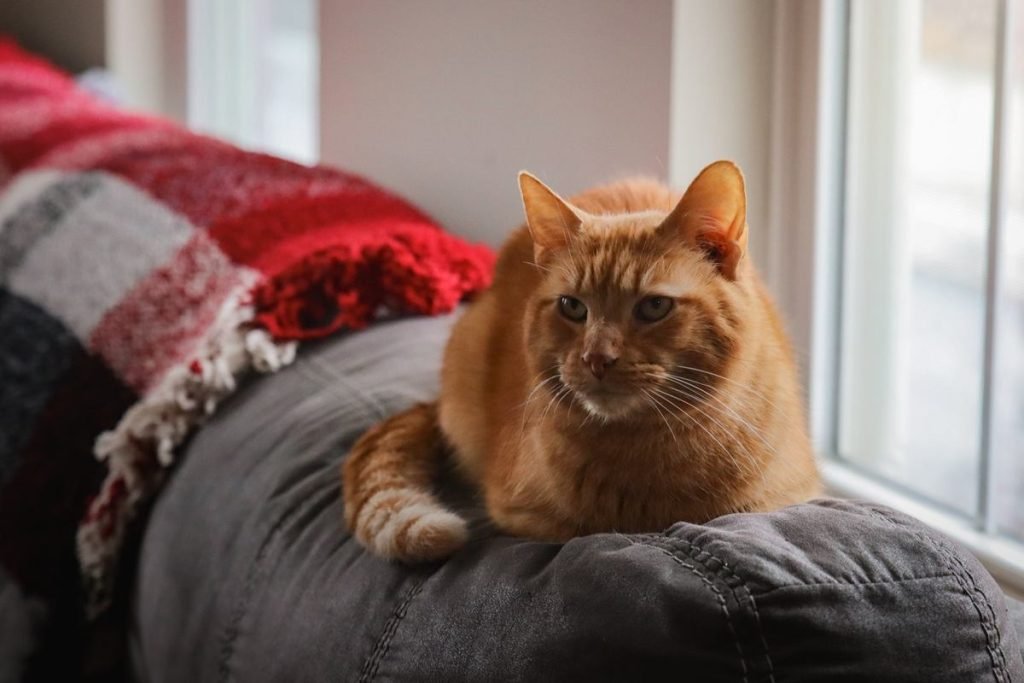
Have you ever wondered how long your orange cat might stay by your side? If you’re curious about the lifespan of these vibrant, charming felines, you’re in the right place.
Knowing how long orange cats live can help you prepare for the years ahead and give your furry friend the best care possible. Stick with me, and you’ll discover important facts that could make a real difference in your cat’s life and happiness.
Let’s dive in!
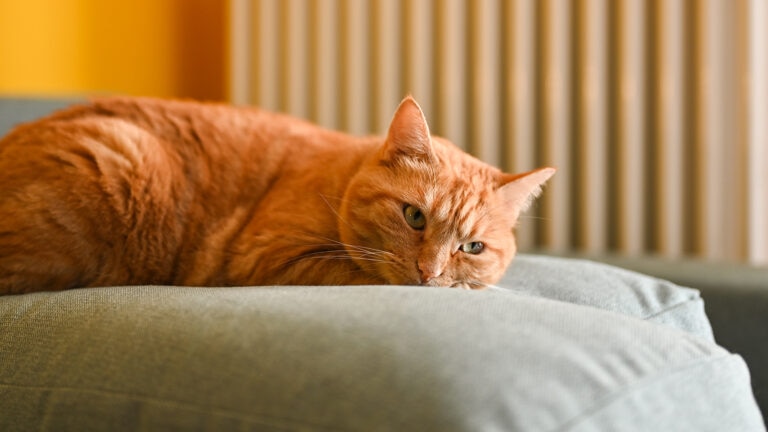
Credit: www.chewy.com
Orange Cat Lifespan Basics
Orange cats, with their vibrant coats and playful personalities, often become cherished members of our families. But how long can you expect your orange feline friend to be with you? Understanding the basics of their lifespan can help you provide the best care and companionship for your orange cat.
Average Lifespan Range
Most orange cats live between 12 to 15 years. Some may even reach their late teens or early twenties with proper care. It’s fascinating to realize that your orange cat could potentially be a long-term companion.
Factors Influencing Longevity
The lifespan of an orange cat is influenced by various factors, including genetics and lifestyle. A healthy diet and regular veterinary check-ups play a significant role in their longevity. Indoor cats tend to live longer than outdoor cats due to fewer risks and hazards.
Have you considered how stress affects your cat’s lifespan? A calm and enriched environment can lead to a healthier, happier cat. Providing toys, scratching posts, and interaction can make a difference in their life span.
Are you aware of the impact of early neutering or spaying? These procedures not only help control the pet population but can also prevent certain health issues, potentially extending your cat’s life.
By understanding these factors, you can make informed decisions to ensure your orange cat leads a long and fulfilling life. What steps will you take today to enhance your cat’s well-being?
Genetics And Breed Impact
Genetics and breed play a crucial role in determining how long orange cats live. Your cat’s genes influence not only their coat color but also their health risks and overall lifespan. Understanding these factors can help you provide better care tailored to your feline friend’s specific needs.
Common Breeds With Orange Coats
Orange coats appear in several popular cat breeds, each with unique traits and lifespans. Some of the most common breeds include:
- Domestic Shorthair:These cats often carry the orange gene and are known for their resilience and varied lifespans, typically ranging from 12 to 16 years.
- American Shorthair:Recognized for their muscular build and orange tabby patterns, they usually live between 15 and 20 years with proper care.
- Maine Coon:Large and friendly, Maine Coons sometimes sport orange coats and tend to live around 12 to 15 years.
- Persian:Less common in orange, but when they have this color, they may live 10 to 15 years, though they require extra grooming and health attention.
Knowing your orange cat’s breed can give you insights into their potential lifespan and health needs. Have you checked your cat’s breed background to anticipate any breed-specific care?
Genetic Traits Affecting Lifespan
Genetics impact more than just appearance. Certain inherited traits can influence how long your orange cat lives. For example, some cats may inherit predispositions to kidney disease, heart problems, or diabetes.
Orange cats are often male due to the genetics behind their coat color. This gender difference sometimes affects lifespan since male cats can be more prone to certain illnesses.
Additionally, genetic diversity within a breed affects longevity. Cats from mixed backgrounds often have fewer inherited diseases and may live longer than purebreds with limited gene pools.
Have you ever considered how your cat’s genetic makeup might affect their health? Genetic testing is becoming more accessible and could offer valuable insights to extend your pet’s life.
Health Concerns In Orange Cats
Orange cats are known for their vibrant color and friendly nature, but like all cats, they face specific health concerns that can affect their lifespan. Understanding these issues can help you provide better care and ensure your furry friend lives a long, happy life. Let’s look closely at the common health problems orange cats might face and what you can do to keep them healthy.
Common Diseases And Conditions
Orange cats, especially males, can be prone to certain health issues. One common problem is obesity, which can lead to diabetes and joint problems. Overfeeding or lack of exercise often causes this, so watching their diet is crucial.
Another concern is dental disease. Many cats develop gum inflammation and tooth decay as they age, which can cause pain and eating difficulties. Regular dental checkups can catch these issues early.
Orange cats may also be susceptible to heart disease, particularly hypertrophic cardiomyopathy (HCM). This condition thickens the heart walls and can lead to heart failure. Early detection through vet screenings can save your cat’s life.
Preventive Care Tips
- Regular Vet Visits:Schedule checkups at least once a year. Your vet can spot early signs of disease and recommend necessary tests.
- Balanced Diet:Feed high-quality cat food appropriate for your cat’s age and health status. Avoid giving too many treats or human food.
- Exercise:Encourage playtime daily to keep your cat active and maintain a healthy weight. Simple toys and interactive play make a big difference.
- Dental Care:Brush your cat’s teeth regularly or provide dental treats. This helps prevent plaque buildup and gum disease.
- Monitor Behavior:Watch for changes like lethargy, loss of appetite, or excessive grooming. These can be signs of underlying health problems.
Have you noticed any subtle changes in your orange cat’s behavior that might hint at health issues? Paying attention and acting early can improve their quality of life and extend their years with you.
Diet And Lifestyle Effects
Diet and lifestyle play a key role in how long orange cats live. Feeding the right food and keeping them active helps their health. A balanced diet supports their body and boosts immunity. Physical and mental activities keep them fit and happy. Both factors together can add years to their life.
Nutrition For Longer Life
Orange cats need food rich in protein and low in fillers. Quality cat food supports strong muscles and healthy skin. Avoid too many treats or table scraps that cause weight gain. Fresh water must always be available to keep them hydrated.
- Choose high-protein dry or wet cat food
- Include essential vitamins and minerals
- Limit carbohydrates and sugars
- Feed measured portions to avoid obesity
- Provide clean, fresh water daily
Proper nutrition helps prevent diseases like diabetes and kidney problems. It also supports a shiny coat and strong immune system.
Exercise And Mental Stimulation
Active orange cats live healthier and longer lives. Playtime helps burn calories and keeps joints flexible. Toys and puzzles challenge their minds and reduce stress. Regular interaction with owners strengthens bonds and boosts mood.
- Use toys like balls, feathers, and laser pointers
- Encourage climbing with cat trees or shelves
- Offer puzzle feeders for mental exercise
- Spend time daily playing and petting
- Create safe outdoor spaces for exploration
Exercise prevents obesity and related health issues. Mental stimulation lowers boredom and destructive behavior. Both improve overall quality of life for orange cats.
Environmental Factors
Environmental factors have a huge impact on how long orange cats live. The surroundings where your cat spends most of its time can either protect it or expose it to risks. Understanding these factors helps you make smarter decisions for your pet’s health and happiness.
Indoor Vs. Outdoor Living
Keeping your orange cat indoors generally increases its lifespan. Inside, cats avoid dangers like traffic, predators, and harsh weather. Many indoor cats live well into their teens or even early twenties.
Outdoor cats face more risks. They can get into fights with other animals, catch diseases, or suffer accidents. But if you want your cat outside, consider supervised or enclosed outdoor spaces to give it fresh air safely.
- Indoor cats usually get regular meals and vet visits.
- Outdoor cats often hunt, which can expose them to parasites.
- Mixing indoor with safe outdoor time can offer the best of both worlds.
Safety And Stress Reduction
Stress shortens a cat’s life, so creating a calm environment is key. Loud noises, sudden changes, or aggressive pets can cause anxiety in your orange cat. You can help by providing quiet spots and consistent routines.
Safety also means removing hazards. Keep toxic plants, chemicals, and small objects out of reach. Secure windows and balconies to prevent falls, especially if your cat is curious or adventurous.
- Use calming pheromone diffusers if your cat seems nervous.
- Regular playtime helps reduce stress and keeps your cat active.
- Watch for signs of stress like hiding or loss of appetite and address them quickly.
Have you noticed how your cat behaves when the environment changes? Small tweaks in your home can make a big difference in how long your orange cat stays healthy and happy.
Myths About Orange Cat Lifespan
Many people have strong beliefs about how long orange cats live. These ideas often come from stories passed down or simple guesses. But are these beliefs true, or just myths that need busting?
Color And Longevity Myths
Some say orange cats live shorter lives because of their color. Others believe that being orange means they’re healthier and live longer. Neither claim has solid scientific proof.
Color alone does not determine a cat’s lifespan. Genetics, diet, environment, and healthcare matter far more. For example, I once knew an orange tabby who lived well into his late teens, outliving many cats of other colors.
You’ve probably heard that orange cats are more prone to certain diseases. While some traits can be linked to genetics, color itself isn’t a direct cause. Don’t let color bias influence how you care for your pet.
Separating Fact From Fiction
It’s easy to confuse myths with facts when it comes to pet health. Reliable information comes from veterinarians and scientific studies, not just stories or assumptions.
- Fact:Orange cats can live as long as any other cat breed with proper care.
- Myth:Orange cats are genetically doomed to shorter lives.
- Fact:Lifespan depends on factors like nutrition, exercise, and regular vet visits.
- Myth:Cat color affects personality or health in a way that changes lifespan significantly.
Ask yourself: Are you focusing on the right things to help your orange cat live a long, happy life? Paying attention to their health needs beats worrying about fur color every time.
Tips To Extend Your Orange Cat’s Life
Extending the life of your orange cat depends on daily care and attention. Small actions can make a big difference in your cat’s health and happiness. Focus on creating routines that support well-being and prevent illness. Here are key tips to help your orange cat live a longer, healthier life.
Regular Vet Visits
Regular check-ups catch health issues early. Your vet can spot problems before they become serious. Vaccinations and dental care protect against diseases. Blood tests and weight checks help monitor your cat’s condition. Schedule visits at least once a year. Older cats may need more frequent exams. Keep records of all vet visits and treatments.
Creating A Safe Home Environment
A safe home reduces risks of injury and stress. Remove toxic plants and chemicals from your cat’s reach. Secure windows and balconies to prevent falls. Provide cozy, quiet spaces for rest. Use toys to encourage exercise and mental stimulation. Avoid sharp objects and small items your cat could swallow. Clean litter boxes regularly to prevent infections. A calm, clean home supports long-term health and happiness.

Credit: www.aol.com
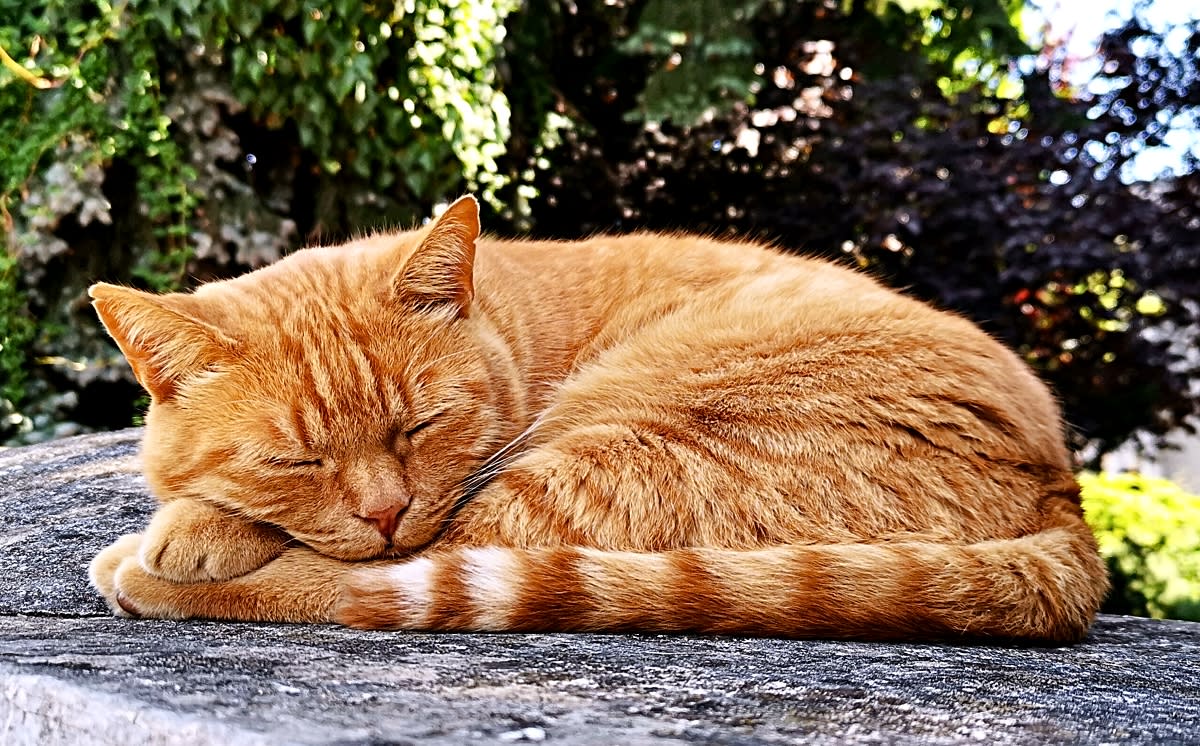
Credit: pethelpful.com
Frequently Asked Questions
How Long Do Orange Cats Usually Live?
Orange cats typically live between 12 to 16 years. Their lifespan depends on genetics, diet, and healthcare quality. Indoor cats often live longer than outdoor ones due to fewer risks and diseases.
Does An Orange Cat’s Color Affect Its Lifespan?
No, an orange cat’s color does not directly affect lifespan. Lifespan depends more on health, environment, and genetics rather than fur color. Orange cats can live just as long as cats of other colors.
What Factors Influence Orange Cats’ Longevity?
Diet, regular vet check-ups, exercise, and living conditions impact orange cats’ longevity. Avoiding outdoor dangers and providing mental stimulation also help extend their life. Proper care is essential for a long, healthy life.
Are Male Orange Cats Healthier Than Females?
Male orange cats are not necessarily healthier than females. Health depends on individual genetics and care rather than gender. Both male and female orange cats require proper nutrition and healthcare for longevity.
Conclusion
Orange cats often live between 12 to 16 years on average. Good care and regular vet visits help them stay healthy. Feeding them balanced food supports their long life. Play and exercise keep orange cats happy and active. Watch for signs of illness and act quickly.
Every cat is different, but love always helps. Enjoy your orange cat’s company for many years. Taking simple steps can make a big difference in lifespan. A healthy orange cat is a happy companion.
