

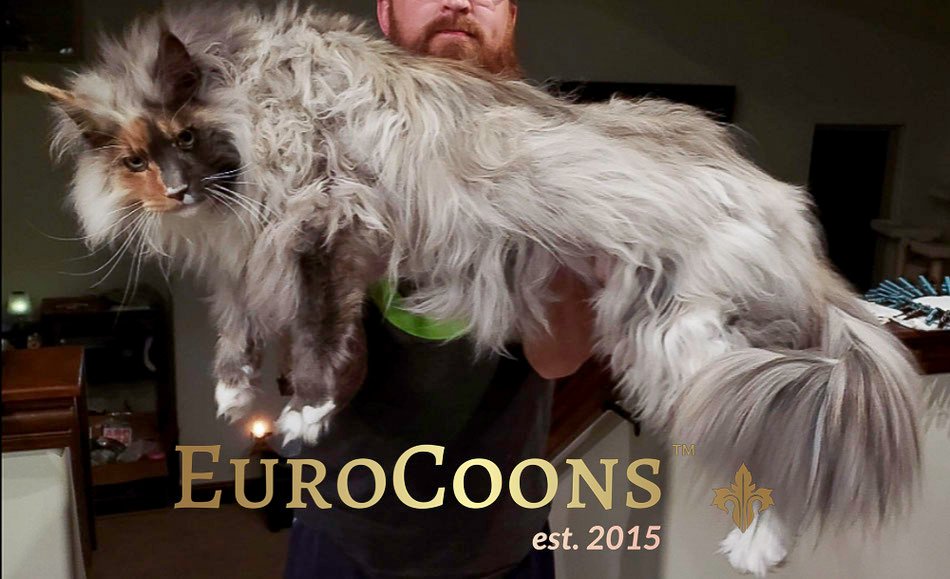
Are you curious about just how big Maine Coon cats can get? If you’ve ever seen one, you know they’re not your average house cat.
Their size alone can surprise you, but there’s so much more to discover. Whether you’re thinking of bringing one home or just love learning about unique pets, understanding their growth can help you prepare for life with these gentle giants.
Keep reading, and you’ll find out everything you need to know about the impressive size of Maine Coon cats—and why it matters to you.

Credit: www.youtube.com
Maine Coon Size Basics
Maine Coon cats are known for their impressive size. These gentle giants have a sturdy build and a long body. Understanding their size basics helps set the right expectations for anyone interested in this breed.
Their size is one of the main reasons they stand out. From weight to length, Maine Coons grow larger than many other domestic cats. This growth happens gradually, often continuing for up to four years.
Average Weight Range
Maine Coons usually weigh between 10 to 25 pounds. Some males can reach the higher end of this range, while females are often lighter. This weight shows their solid bone structure and muscular build.
Typical Length And Height
The length of a Maine Coon can reach up to 40 inches from nose to tail tip. Their height at the shoulder typically ranges from 10 to 16 inches. Their long, bushy tail adds to their impressive overall size.
Size Differences Between Genders
- Males are generally larger and heavier than females.
- Male Maine Coons can weigh 15 to 25 pounds.
- Female Maine Coons usually weigh 10 to 15 pounds.
- Length and height also tend to be greater in males.
Growth Stages
Maine Coon cats grow through distinct stages that shape their impressive size. Understanding these stages helps owners track their cat’s development. Growth is steady but slower than many other breeds. Maine Coons take time to reach full size, making patience key. Each stage has unique changes in weight and length.
Kitten Growth Timeline
Maine Coon kittens grow quickly in the first few months. They gain weight and develop strong muscles. At birth, they weigh about 3 to 5 ounces. By 3 months, they can weigh 2 to 4 pounds. Their playful energy and curiosity increase during this time. Growth is rapid but still not complete.
Adolescent Size Changes
Between 4 and 12 months, Maine Coons enter adolescence. Growth slows but continues steadily. Their bones and muscles become more solid. Cats can weigh 8 to 12 pounds by one year. They start to show the breed’s large frame and long tail. Coat thickness and length develop more fully.
Adult Size Maturity
Maine Coons reach full size between 3 and 5 years old. Males often weigh 13 to 18 pounds. Females are usually smaller, around 8 to 12 pounds. Their body length can be up to 40 inches. Muscle mass and bone density peak during this time. The large, sturdy appearance is now fully formed.
Factors Influencing Size
Maine Coon cats are known for their impressive size and majestic appearance. Their size isn’t just a matter of chance. Several key factors influence how big these cats can grow. Understanding these factors can help ensure your Maine Coon reaches its full potential.
Genetics And Lineage
Genetics play a crucial role in determining the size of a Maine Coon. Each cat inherits traits from its parents. If the lineage includes large ancestors, the cat is likely to grow big. Breeders often focus on maintaining size within the breeding line. This ensures the breed’s characteristic large size. Lineage records can provide insights into potential growth.
Nutrition And Diet
Diet significantly impacts a Maine Coon’s growth. Proper nutrition supports healthy development. High-quality food with balanced nutrients is essential. Protein-rich diets help build strong muscles. Avoiding overfeeding is important to prevent obesity. Consult a vet to choose the best diet plan. Regular meals at consistent times aid digestion and growth.
Health And Environment
Health influences a Maine Coon’s size. Regular vet check-ups can detect growth-related issues early. Vaccinations and parasite control are vital for overall health. A stress-free environment promotes healthy growth. Plenty of space to roam encourages exercise. Mental stimulation through toys and interaction boosts well-being. A healthy lifestyle leads to optimal size.
Comparing Maine Coons To Other Breeds
Understanding how Maine Coon cats compare in size to other breeds helps you appreciate their unique physical presence. Their large size often surprises people who expect cats to be small and delicate. Let’s see how they stack up against everyday domestic cats and some of the biggest breeds out there.
Size Comparison With Domestic Cats
Typical domestic cats weigh between 8 to 10 pounds and measure about 9 to 10 inches tall at the shoulder.
Maine Coons, on the other hand, can weigh anywhere from 10 to 25 pounds and stand up to 16 inches tall.
That means your average Maine Coon can be more than twice the size of a regular house cat.
- Domestic cats: 8-10 lbs, 9-10 inches tall
- Maine Coons: 10-25 lbs, up to 16 inches tall
If you’ve ever picked up a Maine Coon, you know they feel more like a small dog in your arms. Have you noticed how their long, muscular bodies make them look even bigger?
Largest Cat Breeds Vs Maine Coons
Several breeds challenge the Maine Coon’s claim as the largest domestic cat.
| Breed | Average Weight | Height at Shoulder | Notes |
|---|---|---|---|
| Maine Coon | 10-25 lbs | Up to 16 inches | Known for size and tufted ears |
| Savannah Cat | 12-25 lbs | Up to 17 inches | Hybrid with wild serval ancestry |
| Norwegian Forest Cat | 9-22 lbs | Up to 16 inches | Dense coat, strong build |
| Ragdoll | 10-20 lbs | Up to 15 inches | Large but less muscular |
While Savannah cats can match or exceed Maine Coons in height, their body structure is leaner. Maine Coons tend to have a more robust and muscular build, giving them a bulkier appearance.
What size do you prefer in a cat? The muscular Maine Coon or the sleeker Savannah? Your choice might affect how much space and activity you expect from your feline friend.
Measuring Your Maine Coon
Measuring your Maine Coon helps you understand their growth and health. These cats grow big and strong over time. Keeping track of their size helps spot any health issues early. It also shows how much your pet has grown.
Use simple tools at home for accurate results. Regular measuring builds a good record of your Maine Coon’s development. It’s easy and quick with the right steps.
How To Weigh Your Cat
Place a small blanket on a digital scale. Gently put your Maine Coon on the blanket. Note the combined weight. Then weigh the blanket alone. Subtract the blanket’s weight from the total. This gives your cat’s exact weight.
Weigh your cat at the same time each week. Track changes to see growth or health shifts. Use a scale with at least 0.1-pound accuracy.
Measuring Length And Height
Use a soft tape measure for length and height. Measure length from the nose to the base of the tail. For height, measure from the floor to the top of the shoulder blades.
Keep your cat calm and still. Measure gently to avoid stress. Record the numbers in a notebook or app. This data helps track your Maine Coon’s size accurately.
Tracking Growth Progress
Track weight, length, and height regularly. Write down each measurement with the date. Create a simple chart or table for clear comparison.
| Date | Weight (lbs) | Length (inches) | Height (inches) |
|---|---|---|---|
| March 1 | 10 | 30 | 12 |
| April 1 | 12 | 32 | 13 |
Watch for steady growth over months. Sudden drops or no growth may need vet advice. Consistent tracking keeps your Maine Coon healthy and strong.

Credit: www.lovinglynx.com
Tips For Raising A Large Maine Coon
Raising a large Maine Coon requires special care and attention. These cats grow bigger than most other breeds. Their size demands the right approach to keep them healthy and happy. Focus on diet, exercise, and regular vet visits to support their growth and well-being.
Optimal Nutrition Plans
Large Maine Coons need balanced nutrition to support their size. Feed high-quality cat food rich in protein. Avoid fillers like corn or soy that offer little nutrition. Offer meals in measured portions to prevent obesity. Fresh water should always be available. Consider supplements only after consulting a vet.
Exercise And Activity Needs
Exercise helps Maine Coons stay fit and strong. Provide toys that encourage climbing and jumping. Create spaces for them to explore safely. Daily play sessions keep them active and reduce boredom. Interactive toys or wand teasers work well. Physical activity supports muscle growth and joint health.
Regular Health Checkups
Large cats need frequent health monitoring. Schedule vet visits at least twice a year. Watch for signs of joint issues or heart problems. Early detection helps manage health conditions better. Keep vaccinations and parasite control up to date. Maintain dental care to prevent oral diseases.
Credit: bellspurr.com
Frequently Asked Questions
How Large Do Maine Coon Cats Typically Grow?
Maine Coon cats usually weigh between 10 and 25 pounds. Males are larger, often reaching 18 to 25 pounds. Females are smaller, around 10 to 15 pounds. Their length can be up to 40 inches including the tail.
When Do Maine Coon Cats Reach Full Size?
Maine Coons grow slowly and reach full size at 3 to 5 years. This is later than most cat breeds, which mature by one year. Their slow growth allows for their large, muscular build.
What Factors Affect Maine Coon Cat Size?
Genetics, diet, and health influence Maine Coon size. Good nutrition and regular vet care promote optimal growth. Genetics mainly determine their large frame and fluffy coat.
Are Maine Coons The Largest Domestic Cats?
Yes, Maine Coons are among the largest domestic cat breeds. Their substantial size, sturdy build, and long fur make them stand out. They are often called “gentle giants” in the cat world.
Conclusion
Maine Coon cats grow to be very large and strong. They often weigh between 10 to 25 pounds. Their size makes them gentle giants in the cat world. These cats have long bodies and thick fur. Their size can surprise many new owners.
Knowing how big they get helps you prepare your home. It also helps you understand their needs better. Maine Coons need space to move and play. Their size is part of their charm and personality. They are a wonderful pet for those ready for a big cat.
