

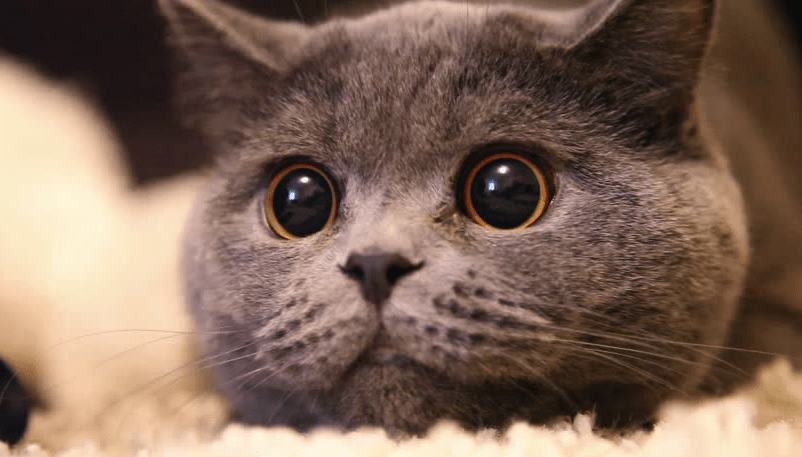
Have you ever looked into your cat’s eyes and noticed their pupils suddenly getting really big? It’s a curious sight that can make you wonder what’s going on inside your furry friend’s mind.
Why do cats’ pupils dilate like that? Understanding this simple but fascinating change can tell you a lot about how your cat feels, what they might be sensing, and even how healthy they are. Keep reading, because unlocking the mystery of your cat’s eyes will help you connect with them on a whole new level.
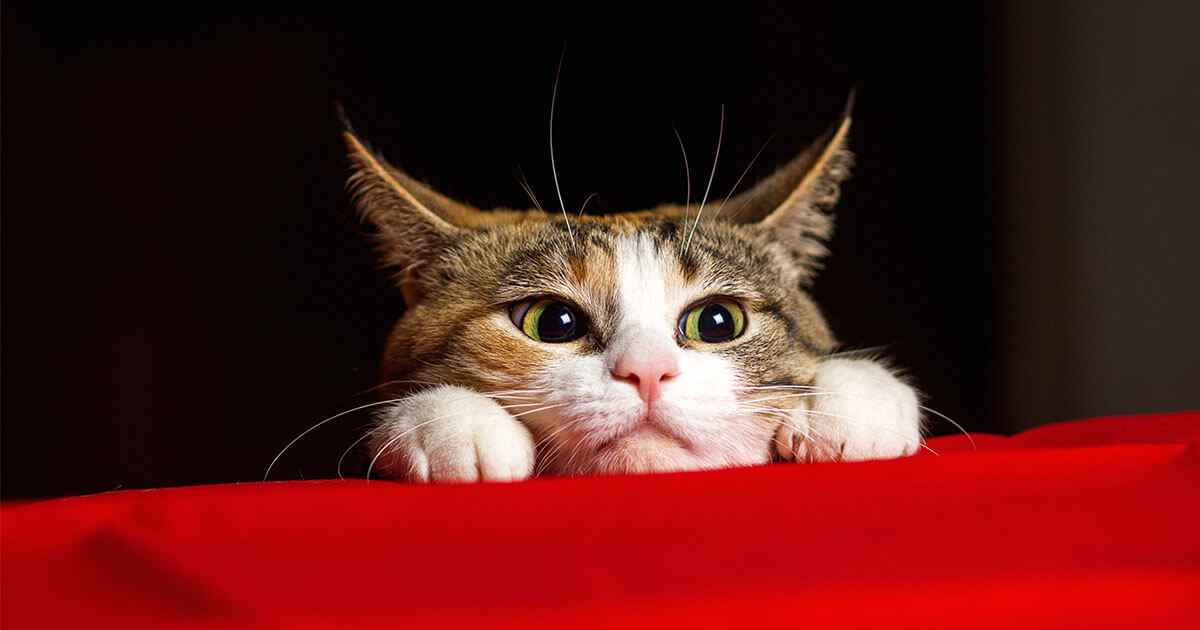
Credit: www.zoetispetcare.com
How Cat Pupils Work
Cats’ pupils change size to control how much light enters their eyes. They dilate in dim light or when cats feel excited or scared. This helps them see better and express their emotions clearly.
Understanding how cat pupils work can be quite fascinating. It’s not just about how they appear, but also about what these changes signify. Knowing what goes on in those enigmatic eyes can enhance your relationship with your feline friend.Anatomy Of Cat Eyes
Cat eyes are uniquely designed to suit their predatory nature. They have a larger cornea and pupil relative to their eye size, allowing more light to enter. This gives them an edge in low-light situations, perfect for their nocturnal lifestyle. The tapetum lucidum, a reflective layer behind the retina, helps them see better in the dark. It reflects light back through the retina, giving cats their iconic night-vision glow. This anatomy supports their hunting instincts, making them efficient night-time predators.Pupil Shape And Function
Cat pupils are vertical slits, which differ significantly from the round pupils found in humans. This shape enables them to adjust rapidly to varying light levels. It also allows for better depth perception and focus, crucial for tracking prey. When your cat’s pupils dilate, it might not just be about light adjustment. Dilation can indicate excitement, fear, or aggression. Have you ever noticed your cat’s eyes widen during playtime or when encountering a new toy? That’s their predatory instincts kicking in, ready to pounce. Considering these details, do you think cat pupils convey more than just physical adaptations? Observing your cat’s eyes can provide insights into their mood and environment. Keep an eye out, and you might just learn something new about your furry friend.
Credit: www.youtube.com
Light And Vision
Cats’ pupils change size to control how much light enters their eyes. This adjustment helps them see clearly whether they are in bright sunlight or deep shadows. Understanding how light affects their vision reveals why their pupils dilate and contract so dramatically.
Adjusting To Darkness
When your cat steps into a dim room, you might notice their pupils suddenly grow wide. This dilation happens because their eyes need to let in more light to see better. It’s like opening a window wider to let in more sunshine.
Have you ever watched your cat move confidently in a dark house? Their eyes adapt quickly, allowing them to spot even the tiniest movements. This ability is crucial for hunting or exploring at night.
Enhancing Night Vision
Cat pupils don’t just get bigger to admit light; they also help sharpen night vision. By expanding, they increase the surface area inside the eye that captures light, making faint shapes and movements clearer.
This feature is a game-changer for cats, giving them an edge in low-light conditions that humans struggle with. Next time you see your cat’s eyes glowing in the dark, remember it’s their pupils working hard to improve vision.
Emotional Triggers
Cats’ pupils change size due to various emotional triggers. These changes help cats respond quickly to their feelings. Pupils widen or narrow to show what a cat feels inside. Understanding these signals helps us better connect with cats.
Excitement And Play
When cats are excited or playful, their pupils often dilate. Big pupils mean they are fully alert and ready to pounce. During play, cats focus intensely on their target. Dilated pupils help them see better in low light. This reaction shows they are having fun and feeling active.
Fear And Stress Responses
Fear or stress causes pupils to expand widely. This reaction helps cats see as much as possible. It prepares them to escape or defend themselves. Wide pupils signal that a cat feels threatened or nervous. Watching for this sign helps owners know when a cat is scared.
Health Signals
Cats use their pupils to send signals about their health. Changes in pupil size can warn of hidden problems. Watching pupil dilation helps spot health issues early. It shows how cats feel inside their body.
Pain Indicators
When cats are in pain, their pupils often get bigger. This happens because pain affects their nervous system. Dilated pupils can mean discomfort or injury. Cats may also show other signs like hiding or restlessness. Noticing pupil size helps understand if a cat is hurting.
Neurological Issues
Neurological problems also cause pupil dilation. Conditions like brain injury or nerve damage affect eye control. Pupils may stay large or react slowly to light. This signals the need for a vet check. Early detection can prevent serious damage and improve recovery chances.
Hunting And Attention
Cats’ pupils change size for many reasons. One key reason is hunting and attention. When cats hunt or focus deeply, their pupils dilate. This helps them see better and react faster. Understanding this can tell us a lot about their behavior.
Focusing On Prey
When a cat spots prey, its pupils get bigger. This lets more light enter the eyes. More light helps cats see small movements clearly. It also sharpens their vision in low light. Dilated pupils allow cats to track fast movements well. This helps them catch their target with precision and speed.
Heightened Awareness
Dilated pupils show the cat is alert. Cats use this to scan their surroundings carefully. Their senses sharpen to detect danger or food. Big pupils help absorb details quickly. This state of alertness improves their chances of survival. It also shows they are ready to act at any moment.

Credit: www.youtube.com
Environmental Factors
Environmental factors play a significant role in why your cat’s pupils dilate. These changes in their surroundings can trigger their eyes to adjust, helping them react quickly and stay safe. Understanding these factors helps you better read your cat’s mood and needs.
Changes In Surroundings
Your cat’s pupils respond instantly to shifts in light and activity around them. When a room gets darker, their pupils widen to let in more light, improving their vision. This reaction also happens if something catches their attention suddenly—like a new noise or movement.
Think about the last time you entered a dim room and noticed your cat’s eyes seemed bigger. That was their natural way of adapting. Have you ever seen your cat’s eyes grow wide when a stranger approaches? This is their way of preparing to react, whether to explore or protect themselves.
Temperature And Pupil Size
Temperature changes can also influence pupil size, though it’s less obvious than light. In colder environments, your cat’s pupils might dilate to increase alertness and focus. Warmer temperatures, on the other hand, sometimes cause pupils to constrict as your cat relaxes.
Imagine a chilly morning when your cat’s eyes seem larger and more alert—this helps them stay sharp. On hot days, you might notice their eyes narrowing as they conserve energy. Have you observed your cat’s pupils changing with the seasons or after moving between indoors and outdoors?
Frequently Asked Questions
Why Do Cats’ Pupils Dilate In The Dark?
Cats’ pupils dilate in low light to let in more light. This improves their night vision and helps them see better.
What Does Dilated Pupils Indicate About Cat’s Mood?
Dilated pupils can show excitement, fear, or stress in cats. It’s a way they express strong emotions or alertness.
Can Cats’ Pupils Dilate Due To Health Issues?
Yes, pupil dilation can signal eye problems or neurological issues. If persistent, consult a vet for a proper diagnosis.
How Do Cats Use Pupil Dilation To Communicate?
Cats use pupil size to communicate mood or intentions. Large pupils may mean curiosity, fear, or readiness to play.
Conclusion
Cats’ pupils change size for many reasons. They adjust to light, feelings, and focus. Big pupils can mean excitement or fear. Small pupils show calm or bright light. Watching their eyes helps you understand them better. It shows how cats see and feel around us.
Next time you see those big eyes, remember why they do it. It’s a simple but important way cats communicate with the world. Keep observing, and you’ll learn more about your furry friend every day.
