

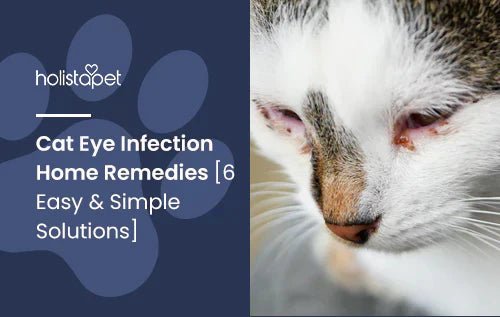
Have you ever noticed your cat’s eyes looking red, swollen, or watery? If so, you might be wondering, “Do cats get pink eye?” Just like humans, cats can develop eye infections that cause discomfort and irritation.
If you care about your furry friend’s health, it’s important to understand what pink eye is, how to spot it, and what you can do to help your cat feel better fast. Keep reading to discover everything you need to know to protect your cat’s precious eyes.
What Is Pink Eye In Cats
Cats can suffer from various eye conditions, just like humans. One common issue is pink eye, also known as conjunctivitis. This condition involves inflammation of the conjunctiva, the pink membrane covering the white part of the eye. It can cause discomfort and irritation for your feline friend. Understanding pink eye in cats can help in providing timely care and comfort.
What Causes Pink Eye In Cats?
Pink eye in cats can result from several factors. Bacterial infections are a leading cause. Viral infections, particularly those linked to feline herpesvirus, also play a significant role. Allergens like pollen or dust can trigger irritation. Exposure to irritants, such as smoke or chemicals, may also lead to pink eye.
Symptoms Of Pink Eye In Cats
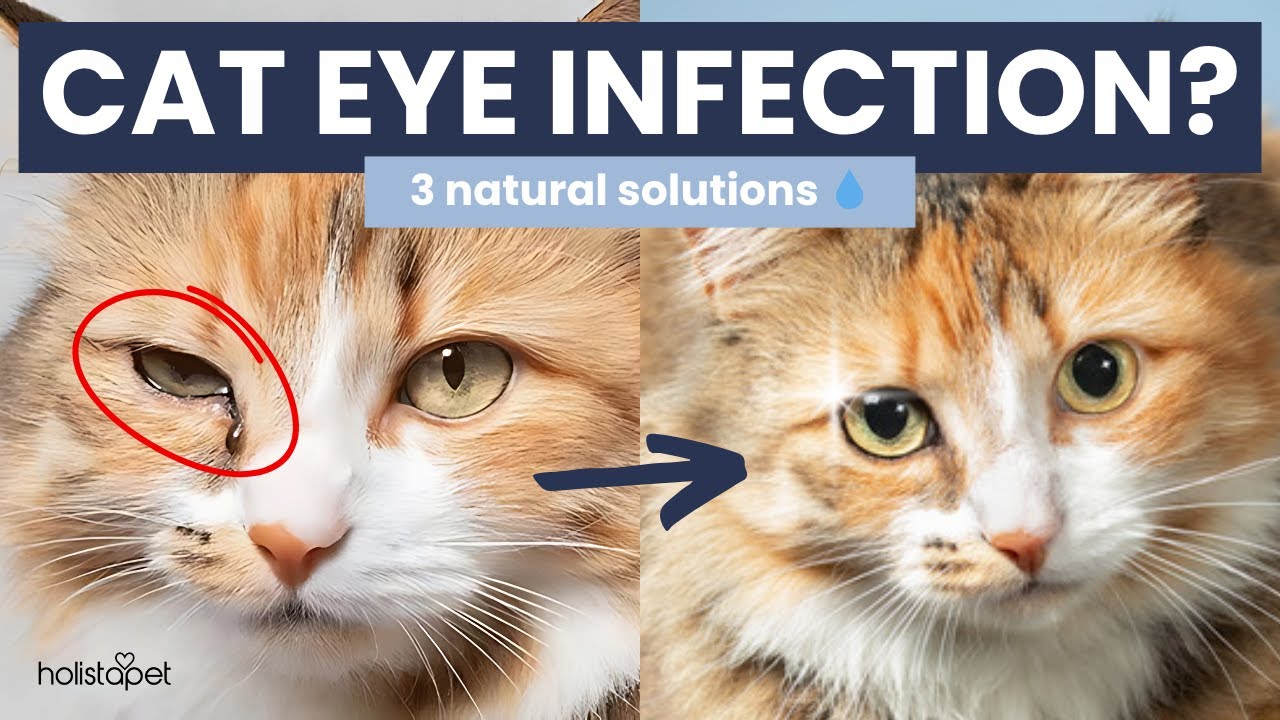
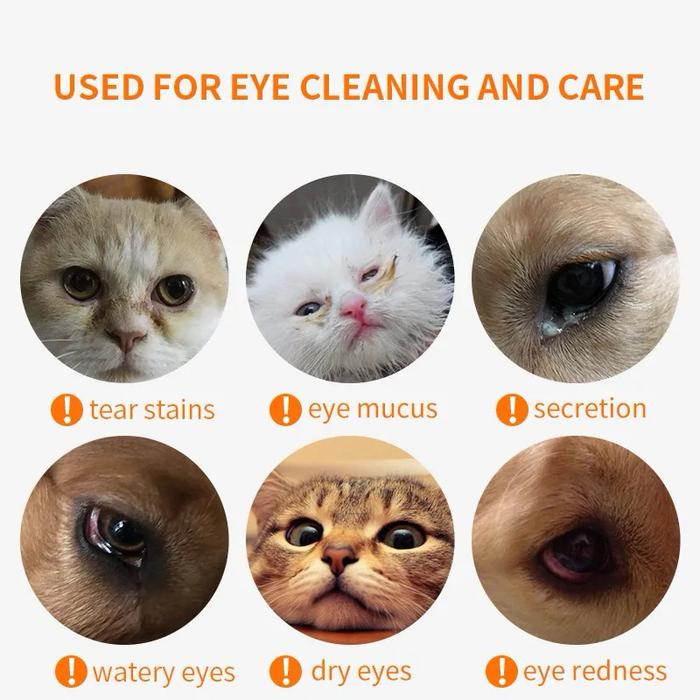
Identifying the symptoms early can help in managing the condition. Common signs include redness and swelling around the eyes. You may notice excessive tearing or discharge, which can be clear or pus-like. Cats with pink eye often squint or keep their eyes closed. They may rub their eyes frequently, indicating discomfort.
Is Pink Eye In Cats Contagious?
Pink eye can spread from one cat to another. Viral and bacterial forms are highly contagious. In multi-cat households, isolation of the affected cat is crucial. This minimizes the risk of transmission. Maintaining proper hygiene can further help prevent the spread.
Treatment Options For Pink Eye In Cats
Consulting a veterinarian is essential for proper diagnosis. Treatment often involves topical antibiotics for bacterial infections. Antiviral medications may be prescribed for viral causes. Keeping the eyes clean is vital for recovery. Use a damp cloth to gently wipe away discharge. Always follow the vet’s instructions for medication and care.
Maintaining a clean environment reduces the risk of pink eye. Regular vet check-ups are important for early detection of potential issues. Ensure your cat is up-to-date with vaccinations. A balanced diet supports a healthy immune system. This can help in preventing infections. Avoid exposing your cat to known irritants and allergens.
Credit: www.holistapet.com
Common Symptoms To Watch For
Noticing changes in your cat’s eyes can be unsettling. Pink eye, or conjunctivitis, is common in cats and catching it early can make a big difference. Here are the common symptoms to watch for, so you can act quickly and keep your feline friend comfortable.
Eye Redness And Swelling
One of the first signs of pink eye is noticeable redness in your cat’s eyes. The delicate tissue around the eye may become swollen, making the eye look puffy or irritated. If you see this, pay close attention—redness and swelling often signal infection or inflammation that needs attention.
Discharge And Tear Staining
Does your cat’s eye produce unusual discharge? It might be watery, yellow, green, or even thick and sticky. This discharge can cause staining around the eyes, especially if your cat has light-colored fur. Don’t ignore these signs, as the type and color of discharge can help determine the cause and urgency of treatment.
Squinting And Pawing At Eyes
If your cat is squinting or keeping one eye partially closed, it’s a clear sign of discomfort. You might also notice your cat pawing or rubbing at their eyes frequently. This behavior indicates irritation or pain, and it’s your cue to get them checked by a vet before the condition worsens.
Main Causes Of Pink Eye In Cats
Pink eye in cats, also known as conjunctivitis, can be caused by various factors. Identifying the root cause is crucial to provide the right treatment and relief for your feline friend. Let’s look at the main causes that you should be aware of.
Bacterial Infections
Bacterial infections are a common cause of pink eye in cats. These infections usually happen when harmful bacteria enter the eye through scratches or other injuries. If your cat’s eyes are red, swollen, and producing yellow or green discharge, it might be a bacterial infection.
Have you noticed your cat rubbing its eyes more than usual? This can be a sign that bacteria are causing discomfort. Prompt treatment with antibiotics prescribed by your vet can clear up the infection quickly.
Viral Infections
Viruses like feline herpesvirus are another frequent cause of pink eye in cats. Viral conjunctivitis often comes with other symptoms such as sneezing and nasal discharge. Unlike bacterial infections, viral infections may require supportive care and sometimes antiviral medications.
Understanding the difference between viral and bacterial causes helps you avoid unnecessary antibiotics and focus on proper care. Does your cat have a history of respiratory issues? That could increase the chance of viral pink eye.
Allergies And Irritants
Just like people, cats can develop allergies that cause their eyes to become red and irritated. Common allergens include pollen, dust, smoke, and certain cleaning products. Exposure to these irritants can trigger inflammation in the eyes.
Have you recently changed your cat’s environment or cleaning routine? This might be causing their pink eye symptoms. Reducing exposure and using hypoallergenic products can make a big difference.
Foreign Objects And Trauma
Sometimes, pink eye results from a foreign object like a piece of dirt or a small hair getting trapped in the eye. Trauma from scratches, fights with other animals, or accidents can also lead to conjunctivitis. These injuries cause discomfort and redness.
Does your cat spend a lot of time outdoors or around other animals? Their risk of eye trauma increases in these situations. Carefully examining the eye and seeking veterinary care can prevent complications.
How Pink Eye Spreads Among Cats
Pink eye, or conjunctivitis, spreads quickly among cats. It is highly contagious. Understanding how it spreads helps prevent outbreaks.
Direct Contact Between Cats
Pink eye spreads through direct contact. Cats touching faces or grooming each other can transfer the infection. Close play or cuddling also spreads the bacteria or virus.
Shared Bedding And Toys
Infected cats leave germs on bedding and toys. Healthy cats get exposed by using the same items. These surfaces become a source of infection.
Airborne Droplets
Coughing or sneezing cats release tiny droplets. These droplets carry the infection. Other cats inhale them and catch pink eye.
Contaminated Hands And Fur
People or other animals can carry germs on hands or fur. Touching a sick cat then a healthy one spreads the infection. Clean hands reduce this risk.
Effective Diagnosis Methods
Detecting pink eye in cats needs careful and effective diagnosis methods. Early diagnosis helps prevent serious eye problems. Understanding the right steps makes treatment faster and safer for your cat. Here are key ways vets diagnose this eye condition.
Veterinary Eye Examination
A vet starts by closely examining the cat’s eyes. They look for redness, swelling, and discharge. Using special tools, vets check the eyelids and eye surface. This exam shows signs of irritation or infection. Vets also test the cat’s vision and eye movement. The exam helps rule out other eye issues. It guides vets on the best treatment approach.
Laboratory Tests
Lab tests confirm the exact cause of pink eye in cats. Vets may take eye swabs or fluid samples. These samples go to a lab for analysis. Tests identify bacteria, viruses, or allergens causing the infection. Results help vets choose the right medication. Sometimes, blood tests check the cat’s overall health. Lab tests provide clear answers for effective care.
Treatment Options For Pink Eye
Dealing with pink eye in your cat can be stressful, but knowing the right treatment options can make a big difference. Pink eye, or conjunctivitis, often requires targeted care to ease discomfort and clear the infection quickly. Here’s what you need to know about treating your feline friend’s eye condition effectively.
Antibiotic Eye Drops And Ointments
Most pink eye cases in cats involve bacterial infections, so veterinarians often prescribe antibiotic eye drops or ointments. These medications help fight the infection directly and reduce redness and discharge.
Applying eye drops can be tricky at first—try to keep your cat calm and gently hold their head while administering the medication. Have you noticed how some cats become more cooperative when you talk softly or offer a treat afterward?
Anti-inflammatory Medications
Inflammation can cause your cat’s eyes to swell and feel irritated. Veterinarians may recommend anti-inflammatory eye drops or oral medications to reduce this swelling and soothe discomfort.
These meds help your cat heal faster and prevent complications, but always follow your vet’s instructions carefully. Overuse or incorrect use can cause more harm than good.
Home Care Tips
- Keep your cat’s eyes clean by gently wiping away discharge with a warm, damp cloth.
- Make sure your cat rests in a calm, dust-free environment to avoid further irritation.
- Wash your hands before and after touching your cat’s eyes to prevent spreading the infection.
Have you tried using a separate cloth for each eye to avoid cross-contamination? Small steps like this can protect your cat and your household.
Preventing Pink Eye In Cats
Preventing pink eye in cats is important to keep their eyes healthy and clear. Pink eye, also called conjunctivitis, can cause discomfort and lead to serious eye problems. Simple steps can reduce the risk of infection and keep your cat happy.
Hygiene Practices
Clean your cat’s eyes gently with a soft, damp cloth. Use a different cloth for each eye to avoid spreading germs. Wash your hands before and after touching your cat’s face. Keep their bedding and toys clean to stop bacteria build-up. Avoid letting your cat share bowls or litter boxes with other pets.
Regular Vet Checkups
Take your cat to the vet for regular health exams. Early checks help catch eye infections before they get worse. The vet can recommend vaccines or treatments to prevent pink eye. Schedule visits at least once a year or as the vet suggests.
Managing Environment
Keep your cat’s living space clean and dust-free. Avoid exposing your cat to smoke or strong chemicals. Provide good ventilation but protect your cat from cold drafts. Limit your cat’s contact with other animals that may carry infections. A safe, clean environment supports your cat’s overall eye health.

Credit: www.reddit.com
When To Seek Veterinary Help
Knowing when to seek veterinary help is vital for your cat’s eye health. Pink eye, or conjunctivitis, can look mild but may hide serious issues. Early care can prevent pain and long-term damage. Watch your cat closely for signs that need expert attention.
Signs Of Severe Discomfort Or Pain
Your cat may squint, paw at the eye, or keep it closed. Swelling around the eye or constant tearing also shows pain. These signs call for a vet’s examination right away.
Persistent Or Worsening Symptoms
If redness, discharge, or swelling does not improve in a few days, contact a vet. Symptoms that get worse need professional diagnosis and treatment.
Changes In Vision Or Behavior
Notice if your cat bumps into things or acts confused. These could mean vision loss or more serious eye problems. Immediate veterinary help is necessary.
Presence Of Blood Or Thick Discharge
Blood or thick, yellow-green discharge signals infection or injury. This requires prompt vet care to avoid complications.
Both Eyes Are Affected
Pink eye usually starts in one eye. If it spreads to both eyes, a vet should check your cat soon.
Credit: www.ruimtevoorautisme.nl
Frequently Asked Questions
Can Cats Get Pink Eye From Humans?
Yes, cats can catch pink eye from humans. Pink eye is contagious and caused by bacteria or viruses. Close contact increases the risk of transmission. Always practice good hygiene to protect your cat’s eye health.
What Are Common Pink Eye Symptoms In Cats?
Common symptoms include redness, swelling, discharge, and excessive blinking. Cats may also paw at their eyes or squint. Early detection helps prevent complications and ensures prompt treatment.
How Is Feline Pink Eye Treated?
Treatment usually involves antibiotic eye drops or ointments prescribed by a vet. Cleaning the eyes gently helps remove discharge. Follow the vet’s instructions carefully for a full recovery.
Can Pink Eye In Cats Resolve Without Treatment?
Mild cases might improve on their own, but treatment is recommended. Untreated pink eye can worsen or cause infections. Always consult a vet to ensure proper care.
Conclusion
Cats can get pink eye, and it needs quick care. Watch for redness, tearing, or squinting in your cat’s eyes. Early treatment helps stop the problem from getting worse. Keep your cat’s eyes clean and avoid letting them rub their eyes.
Visit a vet if symptoms stay or get worse. Healthy eyes mean a happy cat. Taking action fast helps your pet feel better soon. Don’t ignore signs of pink eye in cats. Your care makes a big difference.
