


You love your cat, but that unmistakable cat smell in your home? Not so much.
If you’ve ever walked into a room and caught that lingering odor, you know how frustrating it can be. You want your space to feel fresh and inviting, not like a litter box. The good news is, getting rid of cat smell is easier than you think.
You’ll discover simple, effective ways to banish those odors for good. Keep reading, and say goodbye to cat smell once and for all.
Sources Of Cat Odor
Cat odor often comes from litter boxes, fur, and accidents around the house. Poor cleaning or damp areas can make the smell stronger and harder to remove.
Cats bring joy and companionship, but they can also bring a distinctive odor. Understanding the sources of cat odor is the first step in addressing the issue. From litter boxes to fur and dander, recognizing where these smells originate is key to keeping your home fresh.Litter Box Smells
The litter box is often the most potent source of cat odor in your home. Ensuring it’s cleaned regularly can prevent unpleasant smells from taking over. Scoop the litter box daily and replace the litter at least once a week to keep the area smelling fresh. Consider using a high-quality, clumping litter that traps odors effectively. Using a litter box with a lid can help contain smells, but make sure it’s well-ventilated to prevent trapping odors inside.Pet Accidents
Even the best-trained cats can have accidents. Urine and feces can penetrate carpets, upholstery, and floors, creating persistent odors. To tackle this, clean accidents immediately with enzymatic cleaners designed to break down the odor-causing compounds in cat urine. Don’t forget to check less obvious places like behind furniture or in closets, where accidents might go unnoticed. Addressing these promptly will prevent the smell from setting in.Fur And Dander
Cats shed fur and dander continuously, which can contribute to a musty smell in your home. Regular grooming of your pet can significantly reduce the amount of fur and dander they shed. Vacuum your home frequently, paying special attention to areas where your cat likes to lounge. Consider using a vacuum with a HEPA filter to capture dander effectively.Scratching And Marking
Cats mark their territory by scratching and sometimes by spraying. Scratching posts can help direct this behavior away from your furniture and walls. If your cat is spraying, it might be a sign of stress or a medical issue, so consulting with your vet is advisable. You can also use products like pheromone diffusers to help reduce marking behavior. Have you noticed any specific areas where your cat’s odor is stronger? Identifying these spots can help you target your cleaning efforts more effectively. Addressing the sources of cat odor will not only make your home smell better but will also create a more comfortable environment for both you and your feline friend.
Credit: purrifiedair.com
Immediate Odor Removal Tips
Cat odors can become strong quickly. Immediate action stops smells from settling in. Use quick, effective steps to clear the air fast. These tips help keep your home fresh and clean.
Cleaning Soiled Areas
Start by locating the source of the smell. Use paper towels or cloth to blot urine or mess. Avoid rubbing, as it spreads the stain. Clean the area with warm water and mild soap. Rinse well and dry with a clean cloth. This removes surface dirt and reduces odor.
Using Enzyme Cleaners
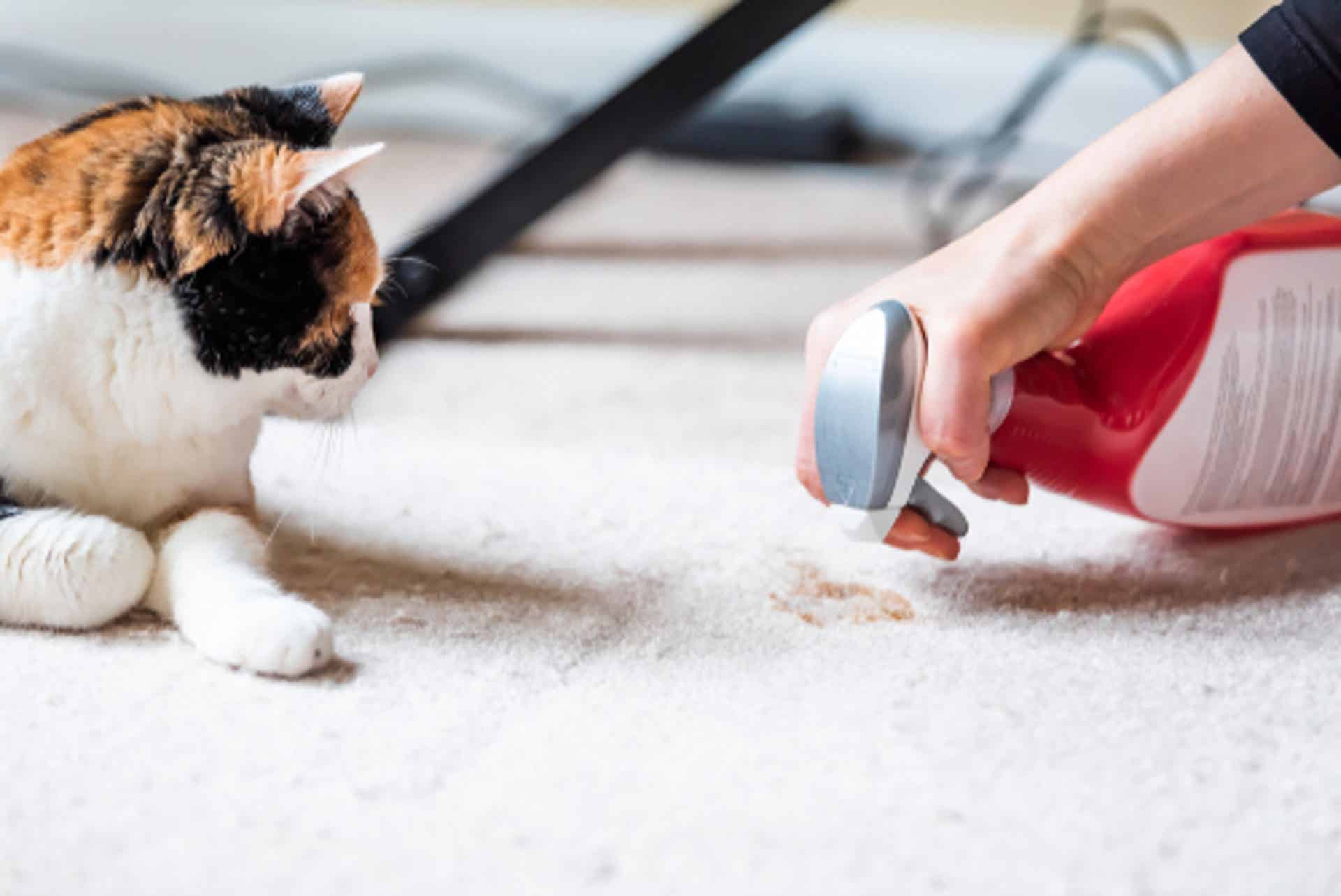
Enzyme cleaners break down proteins in cat urine and feces. They eliminate odors instead of masking them. Spray the cleaner generously on the affected area. Let it sit for 10 to 15 minutes or as directed. Blot the area to absorb moisture. Repeat if the smell persists. Enzyme cleaners work best on carpets and upholstery.
Ventilating The Space
Open windows to bring fresh air inside. Use fans to increase airflow and speed drying. Ventilation helps remove airborne odors quickly. Keep the room ventilated for several hours after cleaning. This prevents the smell from lingering and improves indoor air quality.
Deep Cleaning Techniques
Getting rid of cat smell requires more than just surface cleaning. Deep cleaning techniques target the sources where odors hide and build up over time. These methods help you refresh your living space and bring lasting freshness back to your home.
Washing Fabrics And Upholstery
Fabrics and upholstery absorb cat odors quickly. Start by washing all removable covers like cushion cases, curtains, and blankets in hot water with a pet-safe detergent. For items that can’t be machine washed, use a fabric refresher or a mixture of vinegar and water to neutralize smells.
Don’t forget to check the care labels on upholstery before applying any cleaning solution. Spot clean stains promptly to prevent odors from setting in. Have you noticed how a clean sofa suddenly makes the whole room feel fresher?
Shampooing Carpets And Rugs
Carpets and rugs trap odors deep within their fibers. Renting or buying a carpet cleaner can make a huge difference. Use a pet-specific carpet shampoo that breaks down urine crystals and eliminates smell instead of just masking it.
After shampooing, allow carpets to dry completely. This prevents mold growth, which can add unwanted odors. Regular deep cleaning keeps your carpets smelling clean and your home healthier.
Cleaning Hard Floors
Hard floors may seem easier to clean, but cat odors can linger in grout and cracks. Use a mixture of warm water and a mild detergent to mop floors thoroughly. For stubborn smells, add a few drops of essential oil or white vinegar to the cleaning solution.
Don’t overlook baseboards and corners where fur and dander collect. A deep clean here can make a surprising difference. How often do you focus on these hidden spots when cleaning your floors?
Litter Box Maintenance
Maintaining your cat’s litter box is key to controlling and eliminating that stubborn cat smell. A well-kept litter box not only keeps your home fresh but also encourages your cat to use it consistently. Paying attention to the details of litter box maintenance can make a big difference in your living environment.
Choosing The Right Litter
Not all cat litters are created equal when it comes to odor control. Clumping litters trap moisture and odors better, which helps reduce smell significantly. Consider litters with activated charcoal or baking soda added for extra deodorizing power.
Think about your cat’s preferences too. Some cats dislike scented litters, which can cause accidents outside the box. Try a few types to find the right balance between odor control and your cat’s comfort.
Regular Scooping And Changing
How often do you scoop your cat’s litter box? Scooping at least once a day removes waste before it has a chance to smell. This simple habit can dramatically cut down on odors.
Changing the litter entirely every one to two weeks prevents buildup of lingering smells and bacteria. Washing the box with mild soap during changes also keeps things fresh. Ignoring this step can let smells seep into the plastic and become harder to remove.
Using Deodorizers
Deodorizers can add an extra layer of freshness but should be used carefully. Sprinkle baking soda at the bottom of the box before adding litter to absorb odors naturally. Avoid strong chemical sprays, which might bother your cat.
There are also natural deodorizing products designed for cat litter boxes that can help keep smells in check without harsh ingredients. Have you tried any deodorizers that worked well for you? Sometimes, a small addition can make your space much more pleasant.
Preventing Future Odors
Preventing future cat odors is essential to keeping your home fresh and inviting. Addressing the root causes can save you from constant cleaning and unpleasant smells. Simple daily habits and smart tools can make a big difference in controlling odors before they start.
Proper Grooming
Regular grooming is one of the best ways to reduce odors. Bathing your cat occasionally helps remove dirt and oils that cause smells. Brushing your cat daily not only cuts down shedding but also keeps their fur clean and less smelly.
If your cat is reluctant to bathe, use pet-friendly wipes or grooming sprays. Pay special attention to areas like paws and ears, where dirt and bacteria often collect. Clean fur means less odor lingering in your home.
Training And Behavior Tips
Have you noticed your cat urinating outside the litter box? This is a common source of bad smells. Training your cat to use the litter box consistently can prevent these unwanted odors.
Try placing multiple litter boxes in quiet, accessible spots. Clean them daily and use clumping litter to trap moisture and smells better. Reward your cat with treats when they use the box correctly to reinforce good behavior.
Also, observe if stress or changes in routine trigger accidents. Cats often mark territory or react to stress by urinating inappropriately. Addressing these behavioral issues can stop odors before they start.
Using Air Purifiers
Air purifiers can be a game-changer in controlling pet odors. They remove airborne particles, including dander and odor-causing bacteria. Choose a purifier with a HEPA filter and activated carbon for best results.
Place the purifier in rooms where your cat spends the most time. This helps reduce lingering smells and improves overall air quality. Have you noticed how cleaner air makes your living space more comfortable?
Combine air purifiers with regular cleaning and grooming to keep your home smelling fresh every day.
Credit: www.servpro.com
Natural Remedies For Cat Smell
Dealing with cat smell in your home can be frustrating, but natural remedies offer a safe and effective way to freshen up your space. These solutions often use ingredients you already have, making them budget-friendly and non-toxic for your furry friends. Let’s look at some practical options you can try today.
Baking Soda Applications
Baking soda is a powerful odor absorber. Sprinkle it generously on carpets, upholstery, or inside your cat’s litter box area. Let it sit for at least 15 minutes, or overnight for stronger odors, then vacuum it up thoroughly.
You can also mix baking soda with a few drops of your cat-safe essential oil to add a fresh scent. Have you noticed how baking soda can instantly neutralize smells without masking them? It’s a simple trick that works wonders in maintaining a clean-smelling home.
Vinegar Solutions
White vinegar is excellent at breaking down the compounds that cause cat odors. Create a solution of equal parts water and white vinegar in a spray bottle, then lightly mist the affected areas. Avoid soaking fabrics to prevent damage.
Vinegar’s sharp smell fades quickly, leaving your space smelling fresher. Try wiping down hard surfaces and washing litter boxes with this solution regularly. Have you ever thought about using vinegar to refresh your vacuum cleaner after cleaning pet areas?
Essential Oils Safe For Cats
Not all essential oils are safe for cats, but some can help neutralize odors without harming your pet. Lavender, chamomile, and frankincense are generally considered safe in low concentrations. Always dilute oils with water before use and avoid direct application on your cat.
You can add a few drops of these oils to baking soda or a spray bottle of water to freshen the air naturally. Have you tried using essential oils around your home to keep it smelling pleasant without chemicals? Just remember, when it comes to your cat’s health, less is more.

Credit: www.walmart.com
Frequently Asked Questions
How Can I Quickly Remove Cat Urine Smell?
To quickly remove cat urine smell, use an enzymatic cleaner. These cleaners break down odor-causing proteins. Avoid ammonia-based products, as they may worsen the smell. Blot the area first, then apply the cleaner and let it sit for at least 10 minutes.
What Household Items Neutralize Cat Odors Effectively?
Baking soda and white vinegar are great for neutralizing cat odors. Sprinkle baking soda on the affected area, let it sit, then vacuum. For fabrics, mix vinegar with water and spray lightly to neutralize smells without damaging materials.
How Do I Prevent Cat Smell In My Home?
Regularly clean litter boxes and change the litter frequently. Wash your cat’s bedding weekly. Use air purifiers and ventilate rooms often. Also, groom your cat regularly to reduce odors from fur and skin.
Can Professional Cleaning Remove Persistent Cat Smells?
Yes, professional cleaning services use specialized equipment and cleaners. They can deep clean carpets, upholstery, and hard floors. This effectively eliminates stubborn cat odors that home methods can’t fully remove.
Conclusion
Getting rid of cat smell takes time and effort. Clean all areas your cat uses often. Use baking soda or vinegar to neutralize odors. Wash fabrics and cushions regularly. Keep your home well-ventilated to freshen the air. Use pet-safe cleaners for best results.
Stay patient and consistent with cleaning routines. Enjoy a fresh, odor-free home soon.
