

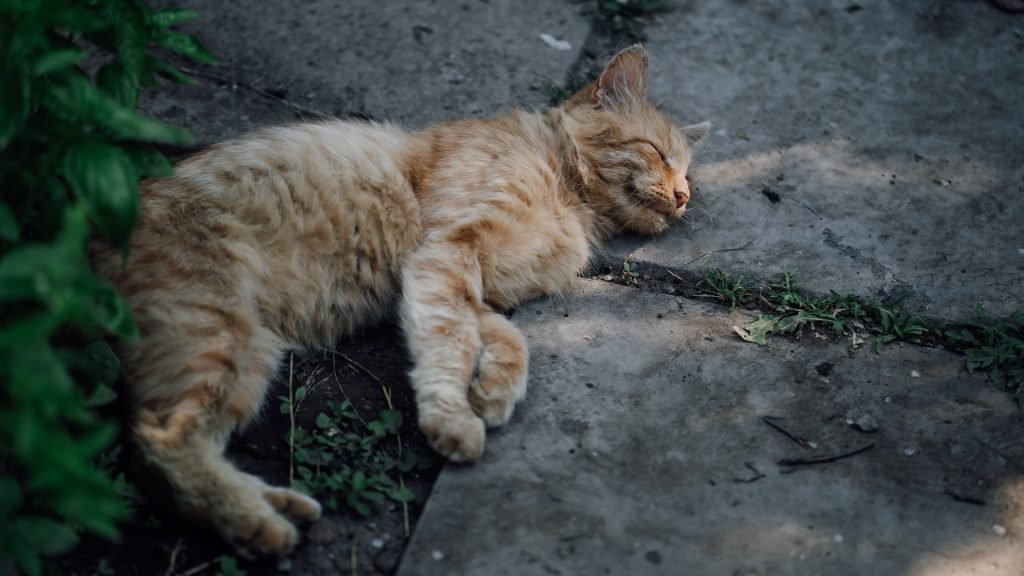
Have you ever watched your cat carefully bury its poop and wondered why it does that? It might seem like a simple habit, but there’s more to it than just keeping things tidy.
Understanding why your cat covers its waste can give you surprising insights into their behavior and instincts. Keep reading, and you’ll discover the fascinating reasons behind this common feline habit—and what it means for your relationship with your furry friend.
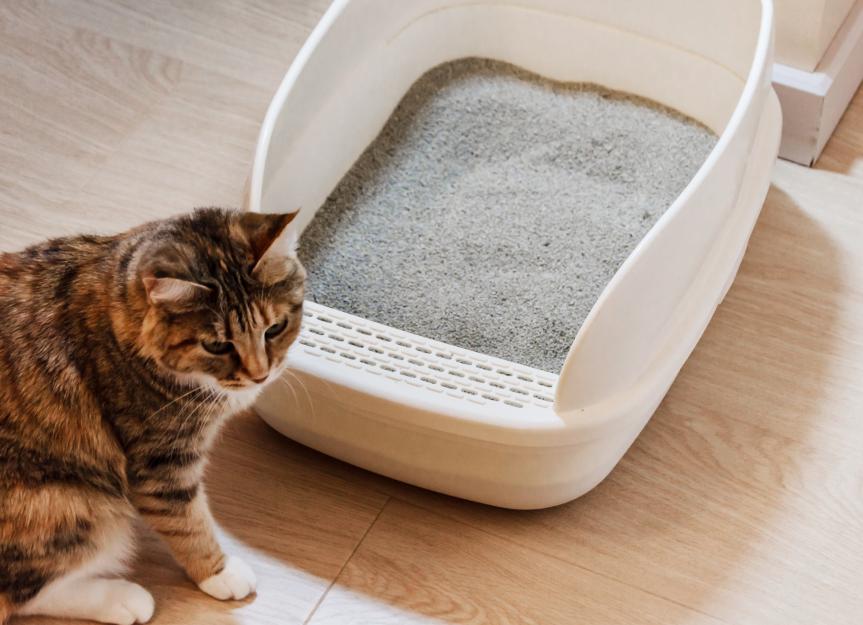
Credit: www.petmd.com
Cat Behavior Basics
Cats are fascinating creatures, often leaving us puzzled by their unique behaviors. One such behavior is their ritualistic act of covering their poop. Understanding the basics of cat behavior can shed light on this seemingly odd habit. By observing your cat’s actions, you can gain insights into their instincts and needs.
Natural Instincts
Cats have deep-rooted instincts inherited from their wild ancestors. Covering their poop is a survival tactic, designed to hide their presence from predators. Even though your indoor cat doesn’t face the same threats, this instinct remains embedded in their behavior.
Have you noticed how a cat meticulously covers its waste after using the litter box? This behavior is not just about cleanliness. It’s a way to keep themselves safe and secure, echoing the practices of wild cats that sought to remain undetected in the wild.
Territorial Marking
While covering poop can be a sign of submission, some cats leave their waste uncovered to assert dominance. It’s an interesting facet of their territorial nature. In multi-cat households, this behavior might differ, with some cats choosing to cover and others not.
Understanding these behaviors can help you manage your cat’s environment better. For instance, if a cat leaves its poop uncovered, it might be feeling confident or trying to establish dominance. Observing these patterns can guide you in providing a more harmonious setting for your feline friend.
Have you ever considered how these behaviors reflect your cat’s personality? By delving into the nuances of their actions, you can build a deeper bond and ensure their comfort and happiness.
Reasons For Covering Poop
Cats have a natural habit of covering their poop. This behavior is rooted in their instincts and survival needs. Understanding why cats do this helps us appreciate their nature and care for them better.
Hiding Scent From Predators
Cats cover their poop to hide their scent. This helps protect them from wild animals. By masking their presence, cats reduce the risk of being found and attacked. It is a key survival tactic passed down from their ancestors.
Avoiding Conflict With Other Cats
Covering poop also prevents fights with other cats. Strong smells can attract rival cats and cause disputes. By burying their waste, cats avoid confrontations and keep peace in their territory. It shows respect for other cats nearby.
Maintaining Cleanliness
Cats are very clean animals. Covering poop keeps their living area tidy and odor-free. This habit helps prevent illness and discomfort. Cleanliness is important for their health and comfort, especially for indoor cats.
Differences In Cat Types
Understanding why cats cover their poop requires looking at the differences in their behavior across various types. Not all cats behave the same way, and their instincts vary depending on whether they are domestic companions or wild animals. These differences reveal fascinating insights into their survival strategies and social habits.
Domestic Cats
Domestic cats usually cover their waste quickly and thoroughly. This behavior stems from their need to keep their living space clean and avoid attracting predators or rivals—even if you don’t have any in your home. Have you noticed how your cat often digs a hole and carefully buries its poop? This instinctive action helps control odors and maintain hygiene in their territory.
Interestingly, some domestic cats might skip covering their waste, especially if they feel confident or want to mark their territory. This shows how their behavior can be flexible, depending on their comfort level and environment. Next time you watch your cat at the litter box, consider whether it’s trying to hide signs of its presence or assert itself.
Wild Cats
Wild cats, including species like bobcats and lynxes, use covering differently. Many wild cats will cover their poop to hide their location from predators or competitors. This behavior is crucial for survival, as leaving waste exposed can reveal their territory or presence.
However, some wild cats purposely leave their feces uncovered in specific spots to communicate. These scent marks serve as territorial warnings or signals to mates. This shows a strategic use of covering or not covering waste based on the cat’s social needs and survival tactics.
Have you thought about how your house cat’s behavior might be a muted version of these wild instincts? The way your pet covers or reveals its waste tells a story about its comfort, confidence, and connection to its environment.

Credit: wamiz.co.uk
What It Means When Cats Don’t Cover
Cats usually cover their poop to hide their scent. It is a natural behavior. When a cat does not cover its waste, it can mean different things. Understanding this can help you know more about your cat’s health and mood.
Signs Of Stress Or Illness
A cat that stops covering poop might feel stressed or sick. Stress can come from changes in the home or loud noises. Illness can make a cat weak or uncomfortable. Watch for other signs like:
- Loss of appetite
- Unusual hiding
- Changes in litter box habits
- Lethargy or weakness
If you see these signs, check with a vet. Covering poop less often might signal a health problem.
Marking Territory Intentionally
Sometimes cats do not cover their poop to mark their space. This is common with unneutered males. They want other cats to know this area is theirs. It is a way to show dominance or warn rivals. This behavior can also happen if a cat feels threatened.
In multi-cat homes, a cat may leave poop uncovered to communicate. It helps them claim their spot or send messages to other cats.
How Cat Owners Can Respond
Understanding why your cat covers its poop can help you respond in ways that improve your cat’s comfort and your home’s cleanliness. Your cat’s behavior is a form of communication, and paying attention to it can reveal their health and mood. Here’s how you can respond effectively to this natural habit.
Litter Box Maintenance Tips
Keeping the litter box clean is essential for encouraging your cat to cover its waste properly. Scoop the litter box at least once a day to remove waste and prevent odors.
Change the litter completely once a week to keep it fresh and inviting. Cats are sensitive to dirty litter boxes and may stop covering their poop if the box smells bad or feels unpleasant.
Try using unscented, clumping litter as many cats prefer it. You can also experiment with different litter types to find what your cat likes best.
- Place the litter box in a quiet, low-traffic area to reduce stress.
- Ensure the box is large enough for your cat to turn around comfortably.
- Have one more litter box than the number of cats in your home to prevent territorial issues.
Recognizing Behavioral Changes
If your cat suddenly stops covering its poop, it might be signaling a health problem or stress. Watch for other signs like changes in appetite, grooming habits, or litter box use.
Notice if your cat is spending more time in the litter box or avoiding it altogether. These behaviors could indicate urinary tract infections or digestive issues.
Stress can also affect litter box habits. Changes like moving to a new home, new pets, or loud noises might upset your cat.
Ask yourself: Is there anything new in your cat’s environment that could be causing anxiety? Your response can include creating calm spaces or consulting a vet if you suspect illness.
:strip_icc()/a0145-000022-56a111c63df78cafdaa9170e.jpg)
Credit: www.thesprucepets.com
Frequently Asked Questions
Why Do Cats Instinctively Cover Their Poop?
Cats cover their poop to hide their scent from predators and rivals. This instinct protects them in the wild and helps maintain hygiene in their territory.
How Does Covering Poop Benefit A Cat’s Health?
Covering poop reduces the risk of attracting parasites and harmful bacteria. It keeps their environment cleaner and lowers chances of disease transmission.
Do All Cats Cover Their Poop?
Most domestic cats and wild cats cover their poop. However, some cats may not due to illness, stress, or behavioral issues.
Can A Cat’s Poop-covering Habits Indicate Health Problems?
Yes, changes in covering behavior may signal stress, illness, or discomfort. If a cat stops covering poop, a vet checkup is advised.
Conclusion
Cats cover their poop to stay safe and keep clean. This behavior comes from their wild instincts. It helps hide their scent from predators and other animals. Also, it keeps their living space neat. Understanding this helps you care for your cat better.
Next time you see your cat burying waste, remember it is natural. It shows they feel secure in their home. Watching this habit can teach you more about your cat’s nature and needs.
