

Have you ever wondered if possums are a real threat to your cat? If you’ve caught your pet acting nervous outside or noticed strange scratches, it’s natural to worry.
You want to keep your furry friend safe, but the idea of possums attacking cats can be confusing and scary. This article will clear up the facts and help you understand what really happens when possums and cats cross paths.
By the end, you’ll know how to protect your cat and feel confident about their safety around these curious creatures. Keep reading to find out the truth!
Credit: insideoutpestservices.com
Possum Behavior And Habits
Understanding possum behavior and habits gives you a clearer picture of how they interact with their surroundings—and with other animals like cats. Possums are often misunderstood creatures, and knowing their natural lifestyle helps you see why conflicts with pets are rare. Let’s break down what makes possums tick, from when they’re active to what they eat and how they mark their space.
Nocturnal Lifestyle
Possums are primarily nocturnal, meaning they are active at night and rest during the day. You’re unlikely to see them wandering around your yard while the sun is up. This night activity reduces chances of direct encounters with cats, who often have different peak activity times.
Because of their nighttime habits, possums tend to avoid busy daytime animals and humans. Have you noticed how quiet your backyard becomes after dark? That’s when possums really come alive, searching for food under the cover of darkness.
Diet And Feeding Patterns
Possums are opportunistic feeders with a varied diet. They eat fruits, insects, small animals, and even carrion. Their flexible eating habits allow them to adapt to different environments easily.
While possums might nibble on birdseed or fallen fruit in your yard, they are not known to hunt healthy adult cats. Their diet focuses more on scavenging than hunting. If you’ve ever seen a possum rummaging through trash, you understand how resourceful they are in finding food.
Territorial Nature
Possums do have territories but they are not aggressively territorial like some other animals. They usually keep to themselves and avoid fights unless cornered or threatened. This means they rarely seek out conflicts with cats or other pets.
If a possum does feel threatened by your cat, it might hiss or show its teeth to warn off the intruder. However, it’s uncommon for them to attack. Understanding this can help you manage your pets’ interactions with local wildlife more calmly.
Common Myths About Possums And Cats
When it comes to the relationship between possums and cats, there are plenty of myths floating around. Many people believe that possums pose a significant threat to cats, but is this really true? Understanding the nature of both animals is crucial in dispelling these myths. Let’s take a closer look at some common misconceptions.
Aggression Levels
One common myth is that possums are highly aggressive animals. This simply isn’t true. Possums are generally shy and more likely to flee than fight when faced with danger.
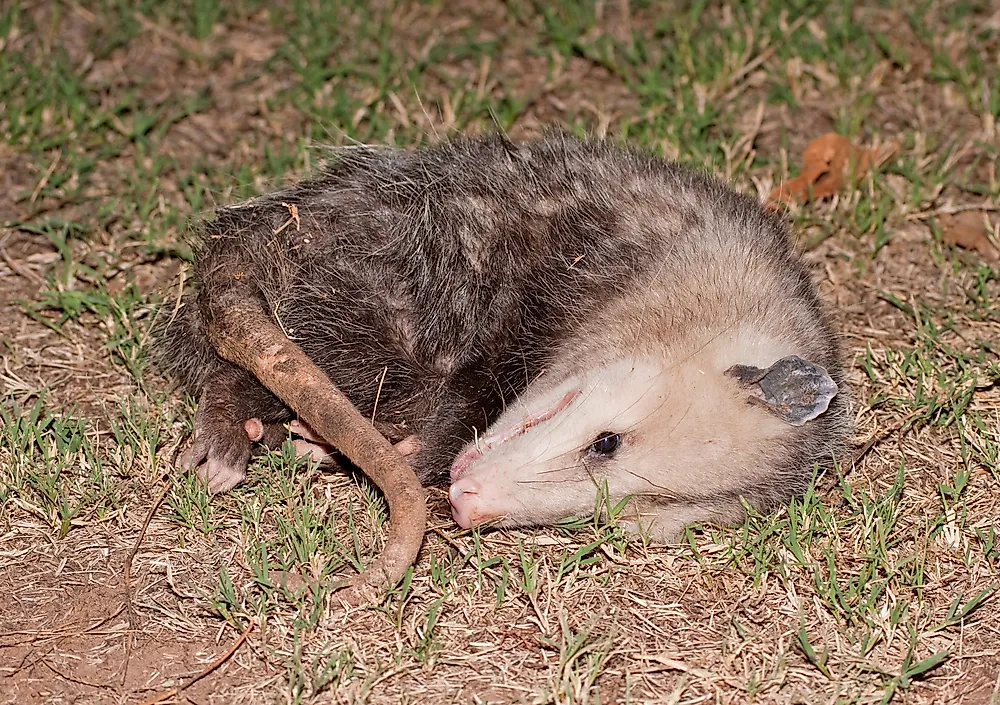
In fact, their primary defense mechanism is to play dead, not attack. If you’ve ever seen a possum in your backyard, you may have noticed it trying to avoid confrontation rather than instigate it.
Possum Attacks On Pets
Another myth is that possums frequently attack household pets like cats. While possums are scavengers, they are not hunters. They prefer fruits, insects, and garbage over a tussle with a pet.
There are very few documented cases of possums attacking cats. Even in these rare scenarios, it’s usually because the possum was cornered or felt threatened.
Misinterpreted Encounters
Encounters between possums and cats are often misinterpreted. A curious cat may approach a possum, but this doesn’t mean a fight will ensue. Most of the time, both animals will simply go their separate ways.
It’s easy to assume the worst when you see a possum near your pet. However, understanding their behavior can help ease your concerns.
Have you ever witnessed an encounter between a possum and a cat? What was your initial reaction? Share your thoughts and let’s debunk these myths together.
Can Possums Harm Or Kill Cats?
Many pet owners worry about possums and their potential threat to cats. The question arises: can possums harm or kill cats? Understanding the physical abilities of possums, their usual behavior around cats, and real-life encounters helps clarify this concern.
Physical Capabilities
Possums are mostly small to medium-sized marsupials. They have sharp teeth and claws but lack strong muscles for fighting large animals. Their strength mainly helps them climb trees and defend themselves from small predators.
Possums are not built to attack or kill animals bigger than them. They rely on their ability to play dead or escape danger rather than fight aggressively.
Typical Interactions With Cats
In most cases, possums avoid cats completely. They are nocturnal and shy creatures, moving away when they sense danger. Cats usually show curiosity or caution around possums.
When possums and cats meet, the interaction is often brief and non-violent. Possums may hiss or growl to scare cats, but they rarely chase or attack.
Instances Of Conflict
Conflicts between possums and cats are rare. When they happen, it usually involves a cat being curious or aggressive. Possums might scratch or bite in self-defense.
There are very few reports of possums seriously injuring or killing cats. Most injuries occur during fights initiated by cats rather than possums.
Protecting Your Cat From Wildlife
Keeping your cat safe from wildlife means understanding the risks and taking active steps to minimize them. Possums rarely attack cats, but encounters can still lead to scratches or stress for your pet. Protecting your cat starts with smart choices about where and when they roam outdoors.
Safe Outdoor Practices
Let your cat outside during daylight hours when wildlife activity is lower. Nighttime is when possums are most active, so keeping your cat indoors after dusk reduces the chance of an unwanted meeting.
Create a secure outdoor space like a catio or fenced area to give your cat fresh air without the risks. You can also remove dense bushes or woodpiles where possums might hide near your yard.
Deterring Possums
Simple changes can discourage possums from visiting your property. Install motion-activated lights or sprinklers that activate when animals approach. These devices startle possums without causing harm.
Secure your trash bins with tight lids and avoid leaving pet food outside. Possums are attracted to easy meals, so removing these temptations helps keep them away.
Monitoring Cat Behavior
Watch how your cat behaves after outdoor time. Signs of stress or injury, such as limping or excessive grooming, might indicate a wildlife encounter. Early detection helps you address any issues quickly.
Consider using a GPS tracker or a pet camera to keep an eye on your cat’s movements. Knowing where your cat goes can help you identify potential wildlife hotspots to avoid.
When To Seek Veterinary Help
Knowing when to seek veterinary help after a possum encounter can make a huge difference in your cat’s recovery. Even if your cat seems fine initially, some injuries or infections might not show immediate signs. Acting quickly and recognizing warning signals can save your pet from serious complications.
Signs Of Injury From Wildlife
Look closely for any cuts, scratches, or bite marks on your cat’s body. Swelling, limping, or unusual behavior like hiding or excessive grooming can indicate pain or injury.
Watch for signs of infection such as redness, pus, or a foul smell around wounds. Fever, loss of appetite, or lethargy are also red flags that mean your cat needs a vet’s attention.
Preventive Health Measures
Keep your cat’s vaccinations up to date, especially rabies and tetanus, which are crucial after wildlife encounters. Regular flea and tick prevention also helps reduce the risk of disease transmission.
Consider microchipping your cat; it’s a simple way to increase their safety outdoors. You can also create a safe outdoor space that limits contact with possums and other wildlife.
Emergency Care Tips
If your cat is injured, gently clean wounds with warm water and a mild antiseptic. Avoid using human medicines unless directed by a vet, as some can be toxic to cats.
Keep your cat calm and confined in a quiet area while you prepare to visit the vet. Time is critical, so don’t wait if you notice severe bleeding, difficulty breathing, or unconsciousness.

Credit: www.reddit.com
Credit: www.worldatlas.com
Frequently Asked Questions
Do Possums Attack Or Kill Cats?
Possums rarely attack or kill cats. They are generally shy and avoid confrontations. Most possum encounters with cats are harmless or defensive.
Can Possums Harm Cats During Fights?
Possums can scratch or bite if threatened. However, serious harm or death to cats by possums is extremely rare. They prefer to escape.
Why Do Possums And Cats Sometimes Fight?
Fights happen over territory or food competition. Both animals usually try to avoid conflict. Aggressive interactions are uncommon and brief.
Are Possums A Danger To Outdoor Cats?
Possums pose little danger to outdoor cats. They mostly scavenge and do not hunt. Cats should be more cautious of other predators.
Conclusion
Possums rarely attack cats. They usually avoid fights and run away. Most possums only defend themselves if threatened. Cats and possums can live near each other safely. Keep your pets indoors at night for extra safety. Understanding possum behavior helps reduce worry and fear.
Protect your cat with simple steps, like secure feeding areas. Peaceful coexistence is possible between possums and cats. Stay calm and observe your pets closely. Safety comes from knowledge and care, not fear.
