

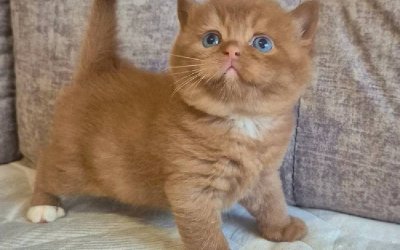
Are you thinking about adding a furry friend to your home? British Shorthair cats might be the perfect match for you.
These charming cats are known for their calm nature and plush, round faces that melt hearts instantly. If you want a pet that’s both affectionate and low-maintenance, British Shorthairs could be exactly what your family needs. Keep reading to discover why adopting a British Shorthair can change your life—and how to find the ideal companion waiting just for you.
Why Choose British Shorthairs
Considering a new feline friend? British Shorthairs stand out for many reasons that could make them the perfect addition to your home. Their balanced mix of charm, appearance, and health benefits often wins the hearts of cat lovers worldwide.
Personality Traits
British Shorthairs are known for their calm and easygoing nature. They aren’t overly demanding but enjoy being near you, offering companionship without overwhelming your space.
These cats adapt well to different environments, whether a busy family home or a quiet apartment. Their gentle demeanor makes them great with children and other pets, which means less stress for you and more harmony at home.
Physical Characteristics
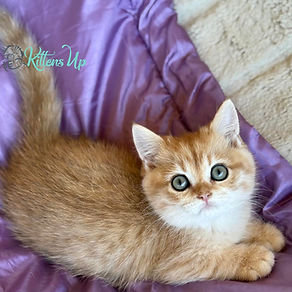
Their round faces and plush, dense coats give British Shorthairs a unique, teddy bear-like appearance. This distinctive look is not just adorable but also easy to recognize in a crowd.
They have sturdy, muscular bodies and large, expressive eyes that come in various colors. Their short fur requires minimal grooming, saving you time while keeping them looking neat and healthy.
Health And Longevity
British Shorthairs are generally robust and enjoy a long lifespan, often reaching 12 to 20 years with proper care. Their genetic makeup tends to avoid many common feline health problems, which means fewer vet visits for you.
Regular check-ups and a balanced diet help maintain their well-being. How much peace of mind is worth when choosing a pet that stays healthy and active through the years?
Credit: www.kittensup4sale.com
Where To Find British Shorthairs
Finding a British Shorthair cat to welcome into your home can be a rewarding journey. Knowing where to look ensures you meet healthy, well-socialized cats and support ethical practices. Whether you prefer adopting or buying, several avenues offer great opportunities to find your perfect feline friend.
Adoption Centers And Shelters
Local animal shelters and adoption centers sometimes have British Shorthairs or similar breeds waiting for a loving home. Checking these places can lead to a wonderful surprise, as some cats might be overlooked due to their breed or appearance. Visiting in person allows you to interact and see the cat’s personality firsthand.
Many shelters partner with breed-specific rescues focusing on British Shorthairs. These groups are great resources because they specialize in the breed’s needs and behavior. Have you ever considered that adopting might save a cat’s life and give you a loyal companion?
Reputable Breeders
When you choose a breeder, look for those who prioritize the health and temperament of their cats. Responsible breeders provide health clearances, socialization, and a transparent history of their cats. Visiting the breeder’s facility helps you gauge the conditions and meet the kittens’ parents.
Ask about genetic testing and vaccination status to ensure you get a healthy British Shorthair. A good breeder will welcome your questions and may even offer ongoing support after adoption. How important is the breeder’s reputation to you when choosing a pet?
Online Platforms
Online platforms connect you with both breeders and adoption groups, expanding your options beyond local areas. Websites like Petfinder and Adopt-a-Pet list British Shorthairs available for adoption nationwide. Social media groups dedicated to British Shorthair lovers often share adoption opportunities and advice.
Exercise caution with online sellers to avoid scams or unethical breeders. Verify credentials and ask for detailed photos and videos before making decisions. Could online research and community feedback give you confidence in your choice?
Adoption Process Tips
Adopting a British Shorthair cat can bring joy and companionship. Knowing the adoption process helps make it smooth. Preparation and the right questions ensure a good match. Understanding what happens during adoption eases the transition for both you and the cat.
Preparing Your Home
Clear a quiet space for your new cat. Remove hazards like loose wires and toxic plants. Buy essentials: a litter box, food bowls, and a cozy bed. Set up scratching posts and toys to keep your cat happy. Keep the area calm to help your cat feel safe.
Questions To Ask
- What is the cat’s health history?
- Has the cat been spayed or neutered?
- Is the cat used to other pets or children?
- What kind of food does the cat eat?
- Does the cat have any special needs or habits?
These questions help you learn about your future pet’s needs.
What To Expect During Adoption
You will meet the cat and spend time together. The shelter may ask about your home and lifestyle. Paperwork will include adoption fees and agreements. You might receive care instructions and vaccination records. The first days are for adjustment and bonding. Patience is key as your cat settles in.
Credit: www.petfinder.com
Caring For Your British Shorthair
Caring for your British Shorthair cat is simple and rewarding. These cats are calm, loving, and easy to maintain. Meeting their basic needs helps them stay healthy and happy.
Understanding their diet, grooming, and exercise needs is key. Each area supports their well-being and strengthens your bond.
Diet And Nutrition
British Shorthairs need a balanced diet for their strong build. Choose high-quality cat food with protein as the main ingredient. Avoid too many treats to prevent weight gain. Fresh water should always be available. Feeding smaller, frequent meals helps digestion. Monitor their weight and adjust food portions as needed.
Grooming Needs
Their dense coat requires regular brushing to remove loose fur. Brush two to three times a week to reduce shedding and hairballs. Use a soft-bristle brush or grooming glove. Check their ears and eyes for dirt or signs of infection. Trim their nails every few weeks. Regular grooming keeps them comfortable and clean.
Exercise And Play
British Shorthairs enjoy moderate activity to stay fit. Provide toys like balls, feather wands, and puzzle feeders. Create safe spaces for climbing and exploring. Short play sessions several times a day keep them engaged. Interactive play helps prevent boredom and obesity. Let them rest after activity to avoid stress.
Common Health Concerns
British Shorthair cats are charming companions, but like all breeds, they have specific health concerns you should watch for. Understanding these common issues helps you provide the best care and catch problems early. Staying informed protects your cat’s well-being and ensures a long, happy life together.
Preventive Care
Preventive care is your first line of defense against health problems in British Shorthairs. Regular vaccinations, balanced nutrition, and routine grooming keep your cat strong and comfortable. Dental care is often overlooked but essential—plaque buildup can lead to serious infections.
Scheduling yearly check-ups lets your vet monitor your cat’s health and catch issues before they escalate. You can also ask your vet about specific screenings for hereditary conditions common in this breed, such as hypertrophic cardiomyopathy (HCM).
Recognizing Symptoms
You know your cat best, so trust your instincts if something feels off. Watch for changes in appetite, weight, energy, or behavior—they often signal underlying health issues. British Shorthairs may hide pain well, so subtle signs like excessive grooming or hiding deserve attention.
- Difficulty breathing or coughing could indicate heart problems.
- Stiffness or limping might point to joint issues like arthritis.
- Increased thirst or urination can signal kidney concerns.
Noticing symptoms early improves treatment success and reduces stress for your feline friend. What small changes have you noticed that led to important health discoveries in your pet?
Veterinary Support
Your veterinarian is a crucial partner in managing your British Shorthair’s health. Don’t hesitate to ask questions or request detailed explanations about any diagnosis or treatment plan. A good vet will help you understand the why behind every recommendation.
Emergency preparedness is also key—know your vet’s after-hours contact info and have a pet first aid kit ready. British Shorthairs can develop sudden issues like urinary blockages that require immediate care. Being prepared can save your cat’s life.
Building a strong relationship with your vet creates a support system that benefits your cat’s health throughout their life. How often do you discuss preventive strategies versus reactive treatments with your vet?

Credit: www.adoptapet.com
Building A Strong Bond
Building a strong bond with a British Shorthair cat creates a happy home for both. These cats enjoy quiet companionship and gentle affection. Spending time together helps your cat feel safe and loved. Trust grows with patience and care, making your relationship deeper.
Socializing Your Cat
Introduce your British Shorthair to new people and pets slowly. Let your cat explore at its own pace. Use soft voices and calm movements to avoid stress. Playtime is a great way to connect and build trust. Regular gentle handling helps your cat feel comfortable around humans.
Training Tips
British Shorthairs learn best with short, fun sessions. Use treats and praise to encourage good behavior. Teach simple commands like “sit” or “come” to strengthen your bond. Avoid punishment; it may cause fear or anxiety. Consistency is key to helping your cat understand rules.
Creating A Comfortable Environment
Provide a cozy space with soft bedding and quiet corners. Cats love vertical spaces like shelves or cat trees to climb. Keep food, water, and litter box in calm, easy-to-access spots. Use toys to keep your British Shorthair active and happy. A peaceful home helps your cat relax and trust you more.
Frequently Asked Questions
What Are British Shorthair Cats Known For?
British Shorthair cats are known for their round faces, dense fur, and calm temperament. They make great indoor pets. Their easygoing nature suits families and singles alike, making them a popular choice for adoption.
How Much Do British Shorthair Cats Cost?
British Shorthair cats typically cost between $800 and $2,000. Price varies by breeder, location, and pedigree. Adoption fees may be lower and help provide a loving home to a cat in need.
Are British Shorthair Cats Good For Families?
Yes, British Shorthair cats are excellent for families. They are gentle, patient, and good with children. Their low-maintenance personality makes them ideal for busy households.
What Health Issues Affect British Shorthair Cats?
British Shorthairs can face heart disease, obesity, and dental problems. Regular vet check-ups and a balanced diet help maintain their health. Early detection ensures a longer, happier life.
Conclusion
Adopting a British Shorthair cat brings joy to your home. These cats are friendly and easygoing. Perfect companions for families and individuals alike. Their plush coat and charming nature win hearts easily. Consider adopting from a local shelter or rescue group.
You give a loving cat a forever home. Adopting saves lives and brings happiness to both you and the cat. Explore your options and find the perfect furry friend. A British Shorthair could be your new best friend. Enjoy the comfort and love they offer every day.
