


Have you ever noticed tiny fur balls on your clothes or furniture and wondered, “Do all cats shed?” If you’re a cat owner or thinking about becoming one, understanding shedding is key to keeping your home clean and your furry friend healthy. Shedding isn’t just a mess; it’s a natural process that varies from cat to cat.
You’ll discover why cats shed, which breeds shed the most, and simple tips to manage shedding effectively. Stick around—your cat (and your vacuum) will thank you!

Credit: felinefancy.co.uk
Cat Shedding Basics
Cats are known for their beautiful coats. But, with beauty comes shedding. Understanding cat shedding helps manage it better. Not all cats shed the same way. Let’s explore the basics.
Why Cats Shed
Shedding is natural for cats. It helps remove dead fur. This process keeps their coat healthy. Cats shed to regulate body temperature. In warmer months, they shed more. This prevents overheating. Some shedding is due to stress or illness. Regular grooming can reduce shedding.
Shedding Patterns
Not all cats follow the same shedding pattern. Long-haired cats may shed more. Short-haired cats shed less fur. Seasonal changes affect shedding. Cats often shed more in spring and fall. Indoor cats shed consistently year-round. Diet can influence shedding patterns. A healthy diet reduces excessive shedding.
Factors Affecting Shedding
Shedding is a natural process for all cats, but the amount and frequency vary widely. Several factors influence how much a cat sheds. Understanding these can help pet owners manage shedding better and keep their homes cleaner.
Breed Differences
Different cat breeds shed differently. Long-haired breeds like Persians shed more than short-haired breeds such as Siamese. Some breeds, like the Sphynx, shed very little because they have minimal hair. Genetics play a big role in shedding patterns.
Seasonal Changes
Shedding often increases during seasonal changes. Cats lose their winter coat in spring and grow a thicker coat in fall. This cycle helps them adapt to temperature changes. Indoor cats may shed less due to stable indoor temperatures.
Diet And Health
A cat’s diet affects its coat health and shedding. Poor nutrition can cause excessive shedding or dry, brittle fur. Health issues like allergies or skin infections also increase shedding. Regular vet checkups and balanced food keep shedding normal.
Common Shedding Myths
Shedding is often misunderstood, leading to many myths that confuse cat owners. These myths can make you worry unnecessarily or overlook important facts about your cat’s health. Let’s clear up some common misconceptions so you can better understand your feline friend’s shedding habits.
Hairless Cats And Shedding
You might think hairless cats don’t shed at all. While it’s true they lack a traditional fur coat, some hairless breeds, like the Sphynx, still shed tiny amounts of skin cells and fine downy fur.
This minimal shedding is often unnoticed but can still cause allergies for sensitive individuals. Have you ever wondered why your supposedly hairless cat still leaves behind some fluff on your clothes?
Shedding And Allergies
Many believe shedding directly causes allergies. Actually, allergens mostly come from cat saliva and skin oils, not just shed fur. Shedding can spread these allergens around your home, but it’s not the root cause.
If you struggle with allergies, focusing only on shedding won’t solve the issue. Regular cleaning and grooming can reduce allergens more effectively than trying to stop shedding altogether.
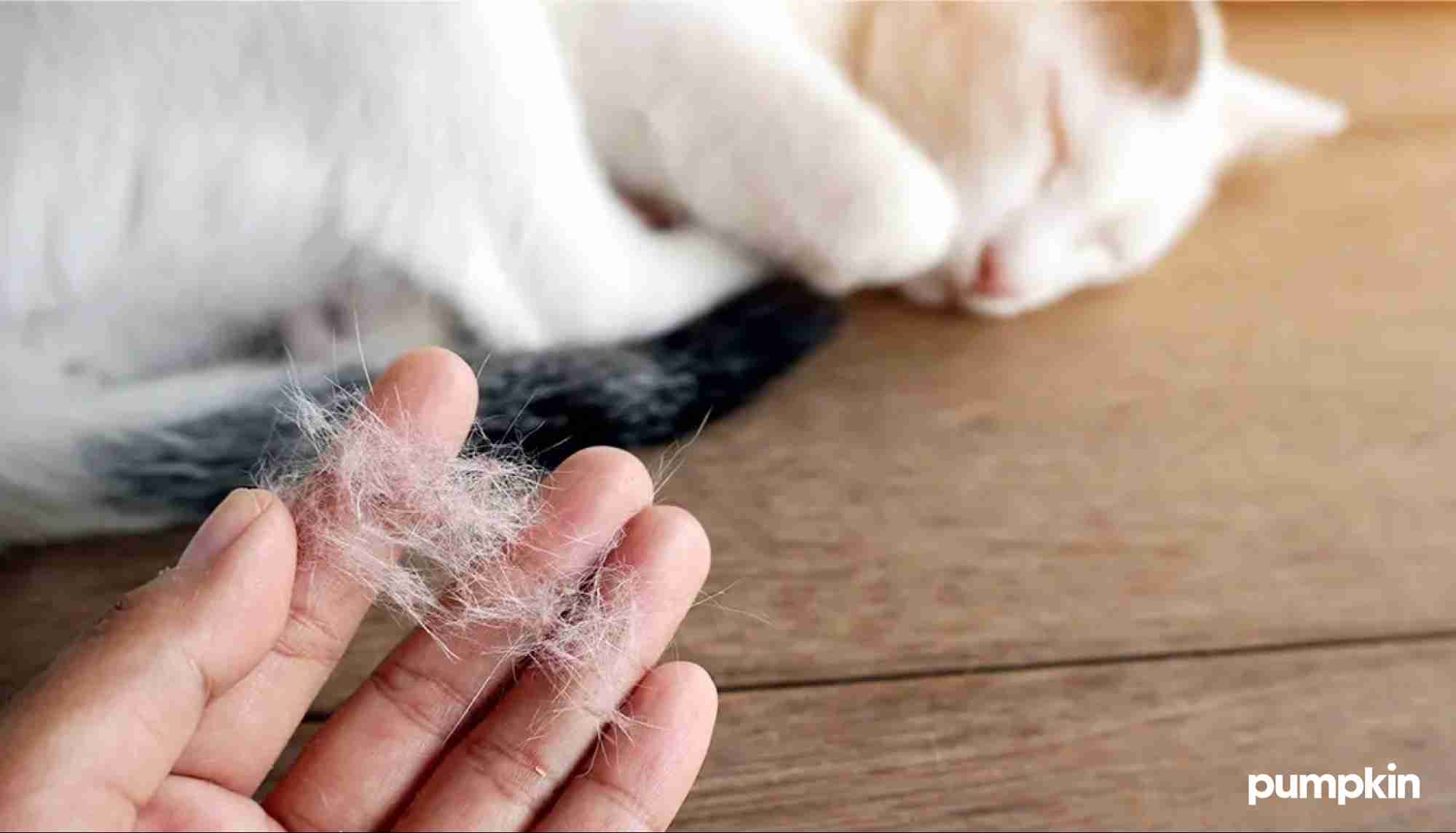
Credit: www.pumpkin.care
Managing Cat Shedding
Managing cat shedding can sometimes feel like a full-time job, especially if you have a furry friend who leaves a trail of hair everywhere. But with the right approach, you can keep your home cleaner and your cat more comfortable. Let’s look at practical ways to handle shedding without stress.
Grooming Tips
Regular grooming is one of the best ways to control shedding. Brushing your cat daily removes loose fur before it ends up on your furniture and clothes.
- Use a brush suited to your cat’s fur type—slicker brushes work well for long-haired cats, while rubber brushes are great for short-haired breeds.
- Be gentle to avoid irritating your cat’s skin, and make grooming a calm, bonding time.
- Bathing your cat occasionally with a cat-safe shampoo can also help reduce shedding, but don’t overdo it as it can dry out their skin.
Have you noticed your cat’s fur getting thicker or thinner during certain seasons? Adjust your grooming routine accordingly to keep shedding under control year-round.
Home Cleaning Strategies
Keeping your home clean when you have a shedding cat requires some smart habits. It’s not just about vacuuming often, but also about targeting the right areas and tools.
- Use a vacuum cleaner designed for pet hair with strong suction and specialized attachments.
- Keep lint rollers handy for quick fur removal from clothes and upholstery.
- Consider washable slipcovers or blankets on furniture to catch loose hair and make cleaning easier.
Do you find pet hair in unexpected places like your car or car seats? Carry a small brush or roller with you for quick touch-ups on the go.
When Shedding Signals A Problem
Shedding is normal for all cats, but sometimes it signals a problem. Watching your cat’s fur closely helps spot health issues early. Excessive or unusual shedding can mean your cat needs care. Understanding these signs keeps your pet happy and healthy.
Excessive Shedding Causes
Excessive shedding happens beyond normal seasonal changes. Stress can trigger heavy fur loss. Poor diet weakens the coat and skin. Allergies to food or environment cause itching and shedding. Parasites like fleas irritate the skin and increase hair loss. Sudden changes in weather or environment also affect shedding levels.
Skin And Health Issues
Skin infections cause redness, sores, and fur falling out. Ringworm, a fungal infection, leads to patchy bald spots. Hormonal imbalances like thyroid problems increase shedding. Cats with flea infestations scratch and lose fur. Allergic reactions create inflammation and hair loss. Noticing these symptoms early helps in quick treatment. Regular vet visits ensure your cat’s skin and coat stay healthy.

Credit: www.youtube.com
Frequently Asked Questions
Do All Cat Breeds Shed Fur?
Yes, all cat breeds shed fur, but the amount varies. Some breeds shed less due to their coat type or genetics.
Why Do Cats Shed More In Certain Seasons?
Cats shed more in spring and fall to adjust their fur thickness. This natural process helps regulate body temperature.
Can Indoor Cats Shed Less Than Outdoor Cats?
Indoor cats often shed less because they face fewer environmental changes. Controlled climate reduces their need to adapt fur density.
How Can I Reduce Cat Shedding At Home?
Regular brushing removes loose fur and reduces shedding. A healthy diet and hydration also improve coat condition and minimize shedding.
Conclusion
All cats shed to some degree, but amounts vary by breed and health. Regular grooming helps reduce loose fur and keeps cats comfortable. Understanding shedding patterns can make pet care easier. Shedding is normal and shows your cat’s body works well.
Keep your home clean and enjoy time with your furry friend. Shedding won’t stop, but managing it is simple with care. Every cat has its own shedding story.
