

Are you wondering if your indoor cat really needs vaccines? You might think that keeping your furry friend inside protects them from all risks.
But the truth is, even indoor cats face health threats that vaccines can help prevent. Knowing which vaccines are essential can keep your cat safe and save you from unexpected vet bills. Keep reading to discover why vaccines matter for your indoor cat and how to make the best choices for their health.

Credit: millsanimalhospital.com
Why Vaccines Matter For Indoor Cats
Many cat owners believe indoor cats don’t need vaccines. This misconception can put cats at risk. Vaccines play a crucial role in maintaining indoor cats’ health. They protect against diseases that cats might encounter. Vaccines also prevent the spread of diseases to humans.
Common Diseases In Indoor Cats
Indoor cats can still contract diseases. Some of these diseases can be severe. Cats can get feline leukemia, which weakens their immune system. Feline immunodeficiency virus is another risk. It causes similar issues as feline leukemia. Rabies is also a concern, even for indoor cats. Though rare, it is deadly and can spread to humans.
Risks Without Vaccination
Unvaccinated cats face higher health risks. They are more vulnerable to infections. These infections can lead to serious health problems. Cats can catch diseases from other animals. Even brief outdoor exposure can pose a threat. Visitors can unknowingly carry pathogens indoors. This increases the risk for unvaccinated cats. Vaccination reduces these risks significantly.
Core Vaccines For Indoor Cats
Even if your cat spends most of its time indoors, vaccines remain a crucial part of keeping it healthy. Core vaccines protect against highly contagious and potentially deadly diseases that can still affect indoor cats. Understanding these vaccines helps you make informed decisions about your pet’s health care.
Feline Panleukopenia
Feline Panleukopenia, also known as feline distemper, is a severe viral disease that can be fatal. This virus can survive in the environment for long periods, so your indoor cat can be at risk if the virus is brought inside on your shoes or clothes. Vaccinating your cat against panleukopenia creates strong immunity and is essential, even if your cat never leaves the house.
Feline Herpesvirus
Feline Herpesvirus causes respiratory infections and eye problems in cats. Even indoor cats can catch it through direct contact with other cats or contaminated surfaces. The vaccine helps reduce the severity of symptoms and lowers the risk of your cat developing chronic health issues related to this virus.
Feline Calicivirus
This virus is another common cause of respiratory illness in cats. It spreads easily through sneezes, shared food bowls, or contaminated hands. Vaccination protects your cat from severe infections that could lead to mouth ulcers or long-term breathing problems.
Rabies
Rabies is a deadly disease that affects all mammals, including cats and humans. Many places legally require rabies vaccination, regardless of whether your cat is indoor-only. Since bats and other wild animals can sometimes enter homes, this vaccine is vital for your cat’s safety and your peace of mind.
Optional Vaccines To Consider
Even if your cat stays mostly indoors, there are optional vaccines worth considering to keep them safe. These vaccines protect against diseases that indoor cats can still catch through brief outdoor exposure, contact with other pets, or contaminated items. Deciding which optional vaccines your cat might need depends on their lifestyle and potential risks.
Feline Leukemia Virus
Feline Leukemia Virus (FeLV) is a serious disease that affects a cat’s immune system. Although it spreads mainly through close contact with infected cats, even indoor cats can be at risk if they encounter a stray or new pet. Vaccinating against FeLV is a smart choice if your cat visits groomers, boarding facilities, or if you introduce new cats to your home.
Chlamydia
Chlamydia is a bacterial infection that causes eye and respiratory issues in cats. It’s not very common, but it can spread easily in multi-cat households or shelters. If your indoor cat interacts regularly with other cats or attends cat shows, the Chlamydia vaccine might be worth considering to prevent uncomfortable eye infections.
Bordetella
Bordetella is known for causing respiratory problems, often called kennel cough in dogs, but cats can catch it too. It spreads quickly in places where cats are close together, like boarding centers or shelters. If you plan to board your indoor cat or take them to places with many other cats, the Bordetella vaccine can help reduce the risk of respiratory infections.
Credit: medium.com
Vaccination Schedule And Timing
Vaccination timing is crucial for keeping indoor cats safe from common diseases. A clear schedule helps protect cats during their most vulnerable stages. Following the right timing ensures vaccines work effectively and provide long-term protection. Understanding the vaccination timeline and booster shots is key for every cat owner.
Kitten Vaccination Timeline
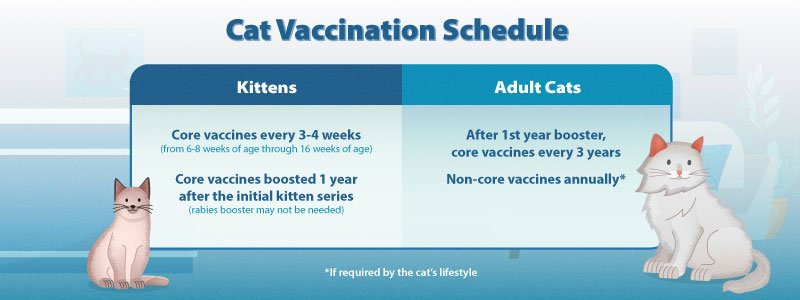
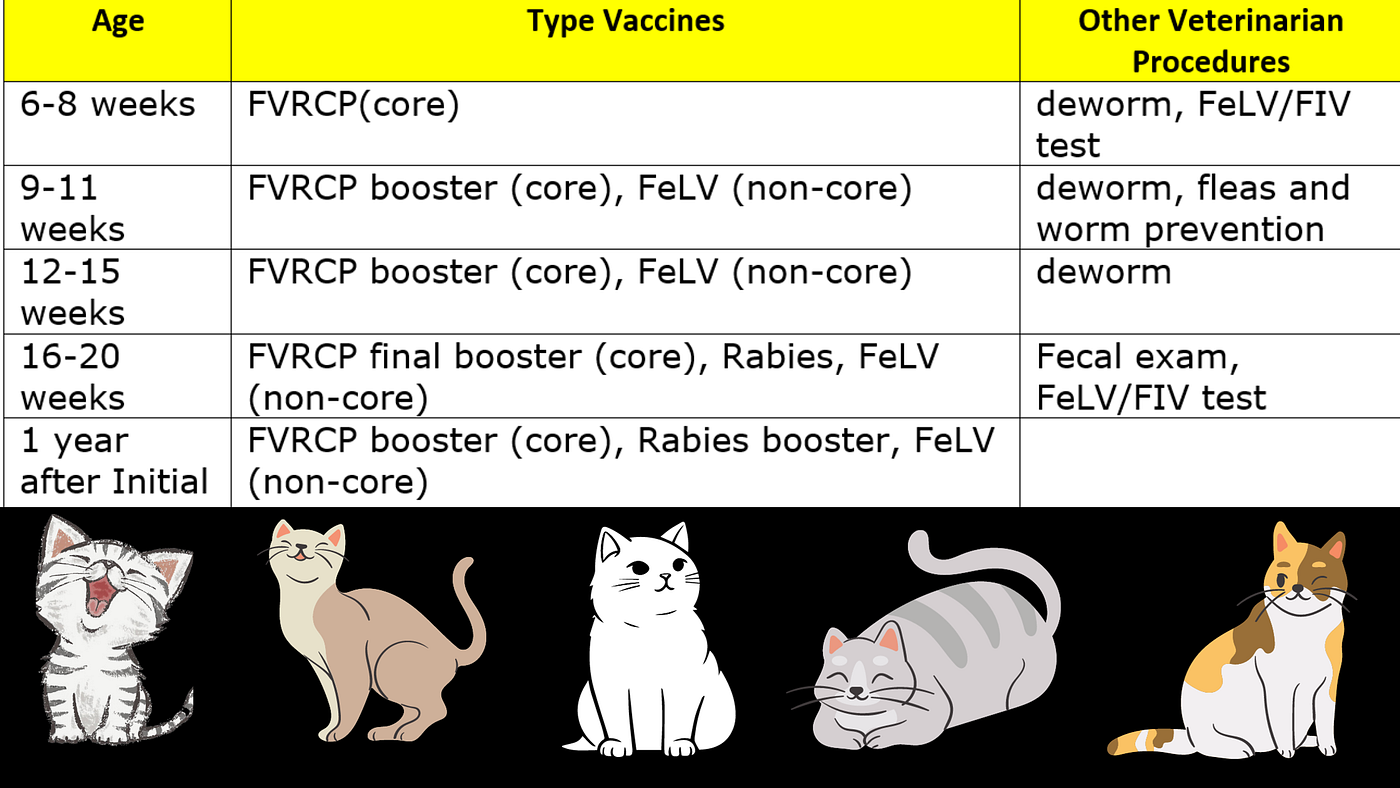
Kittens need a series of vaccines starting at a young age. The first vaccine typically happens at 6 to 8 weeks old. Vaccines repeat every 3 to 4 weeks until the kitten is about 16 weeks old. This series builds strong immunity in a young cat’s body.
- 6-8 weeks: First vaccine dose
- 10-12 weeks: Second vaccine dose
- 14-16 weeks: Final vaccine dose
Core vaccines include those for feline distemper, calicivirus, and rhinotracheitis. Your vet may add others based on risk factors.
Adult Cat Booster Shots
Adult cats need booster shots to keep their immunity strong. These boosters typically happen yearly or every three years. Your vet will recommend the best schedule based on your cat’s health and lifestyle.
- Booster vaccines maintain protection
- Schedule depends on vaccine type
- Annual wellness checks help adjust timing
Even indoor cats benefit from boosters due to possible exposure to other pets. Staying on schedule helps prevent serious illnesses throughout your cat’s life.
Safety And Side Effects
Vaccinating your indoor cat is important, but understanding the safety and side effects can help you feel more confident about the process. While vaccines protect against serious diseases, they can sometimes cause mild reactions. Knowing what to expect and when to seek help keeps your cat safe and comfortable.
Common Reactions
Most cats handle vaccines well, experiencing only minor side effects that go away quickly. You might notice slight swelling or tenderness at the injection site. Some cats become a bit sleepy or lose their appetite for a day or two after the shot.
Occasionally, mild sneezing or a low-grade fever can occur. These signs usually fade within 48 hours. Keep an eye on your cat’s behavior during this time to make sure they’re recovering smoothly.
When To Contact A Vet
Not all reactions are normal. If your cat shows difficulty breathing, persistent vomiting, or swelling beyond the injection area, call your vet immediately. These could be signs of an allergic reaction requiring urgent care.
Also, if your cat remains lethargic or refuses to eat for more than two days, don’t hesitate to seek veterinary advice. Your vet can provide treatments or adjustments to future vaccinations to keep your cat safe.
Veterinary Guidance And Personalized Plans
Veterinarians play a key role in deciding the right vaccines for indoor cats. Each cat’s health needs differ based on many factors. A personalized vaccination plan keeps cats safe without extra shots. Your vet evaluates risks and benefits carefully. They tailor vaccine schedules to suit your cat’s lifestyle and health status.
Assessing Your Cat’s Lifestyle
Understanding your cat’s daily routine helps guide vaccine choices. Some indoor cats rarely leave the house. Others may have supervised outdoor time or contact with other animals. Vets consider factors such as:
- Exposure to other pets or wildlife
- Frequency of vet visits and boarding
- Local disease risks in your area
- Health history and age of your cat
This assessment helps vets decide which vaccines are essential and which may be skipped.
Adjusting Vaccines Based On Risk
Vaccines are not one-size-fits-all. Vets adjust vaccine types and schedules based on risk levels. For example, an indoor cat with no outdoor access might need fewer vaccines. Cats that visit daycare or groomers might require more protection. Vets balance protection against possible side effects. Regular check-ups allow vets to update vaccine plans as risks change.
Myths About Indoor Cat Vaccination
Many pet owners believe indoor cats do not need vaccines. This idea spreads from common myths and misunderstandings. Vaccination protects cats from serious diseases, even if they stay indoors. Knowing the facts helps keep your cat safe and healthy.
Indoor Cats Don’t Need Shots
Some think indoor cats face no risk of illness. They believe staying inside blocks all germs and viruses. The truth: viruses can enter through open doors, windows, or on your clothes. Cats can catch diseases from other pets or visitors. Vaccines help build strong defenses against these risks.
Vaccines Cause Illness
Many worry vaccines might harm their cats. They fear side effects or sickness after shots. Most cats only experience mild reactions like soreness or tiredness. Serious problems are very rare. Vaccines are tested and approved to be safe. Protecting your cat’s health outweighs the small risks of vaccination.
Credit: triangleanimalclinic.com
Frequently Asked Questions
Do Indoor Cats Need Vaccines?
Yes, indoor cats need vaccines to protect against common diseases. Vaccination prevents illnesses like rabies and feline distemper. Even indoor cats can be exposed through visitors or accidental outdoor access. Regular vaccinations keep your cat healthy and safe.
Which Vaccines Are Essential For Indoor Cats?
Core vaccines for indoor cats include rabies, feline distemper, and calicivirus. These vaccines protect against highly contagious and serious diseases. Your vet may recommend additional vaccines based on risk factors. Always consult your vet for a tailored vaccination plan.
How Often Should Indoor Cats Get Vaccinated?
Indoor cats typically require vaccinations every 1 to 3 years. The schedule depends on the vaccine type and your cat’s health. Follow your veterinarian’s advice to maintain effective immunity. Regular booster shots ensure ongoing protection against diseases.
Can Vaccines Harm Indoor Cats?
Vaccines are generally safe with minimal side effects. Mild reactions like soreness or mild fever may occur but are temporary. Serious adverse reactions are rare. The benefits of vaccination far outweigh the risks. Always discuss concerns with your veterinarian.
Conclusion
Vaccines keep indoor cats safe from hidden illnesses. Cats can catch diseases even inside your home. Vaccinating helps protect their health and your peace of mind. Talk to your vet about the right shots and schedule. Keeping vaccines up to date means fewer health risks later.
A healthy cat means more happy years together. Don’t skip vaccines just because your cat stays indoors. Safety starts with prevention. Simple steps can save your cat from serious illness.
