

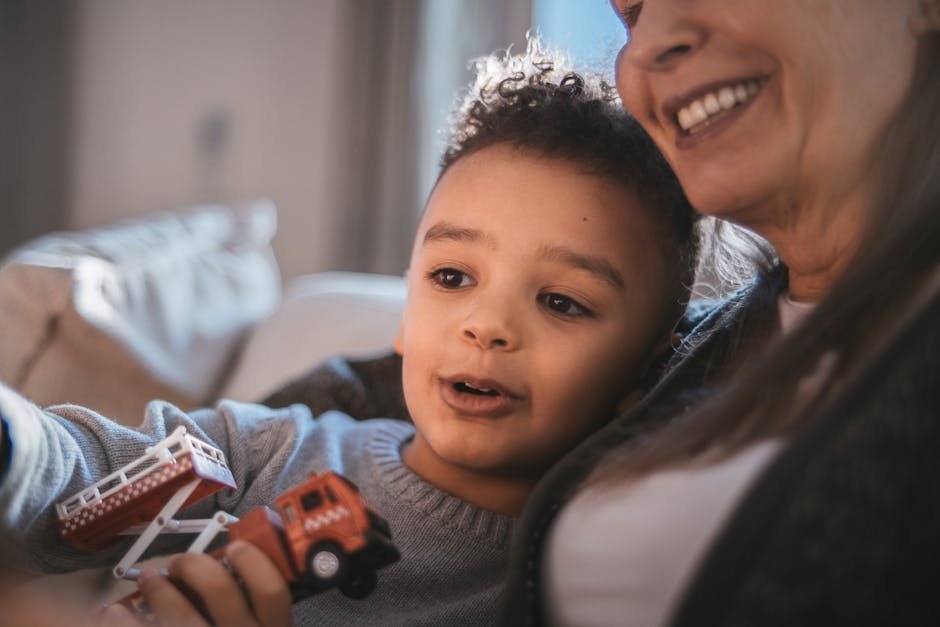
Thinking about adding a furry friend to your home? Have you ever considered adopting a senior cat?
These gentle companions have so much love to give, and choosing an older cat can bring a unique joy that younger pets sometimes can’t match. You might wonder if a senior cat is the right fit for you. This article will show you why adopting a senior cat could be one of the most rewarding decisions you ever make—and how it can change your life in ways you never expected.
Keep reading to discover the heartwarming benefits and simple tips to welcome a senior cat into your family.
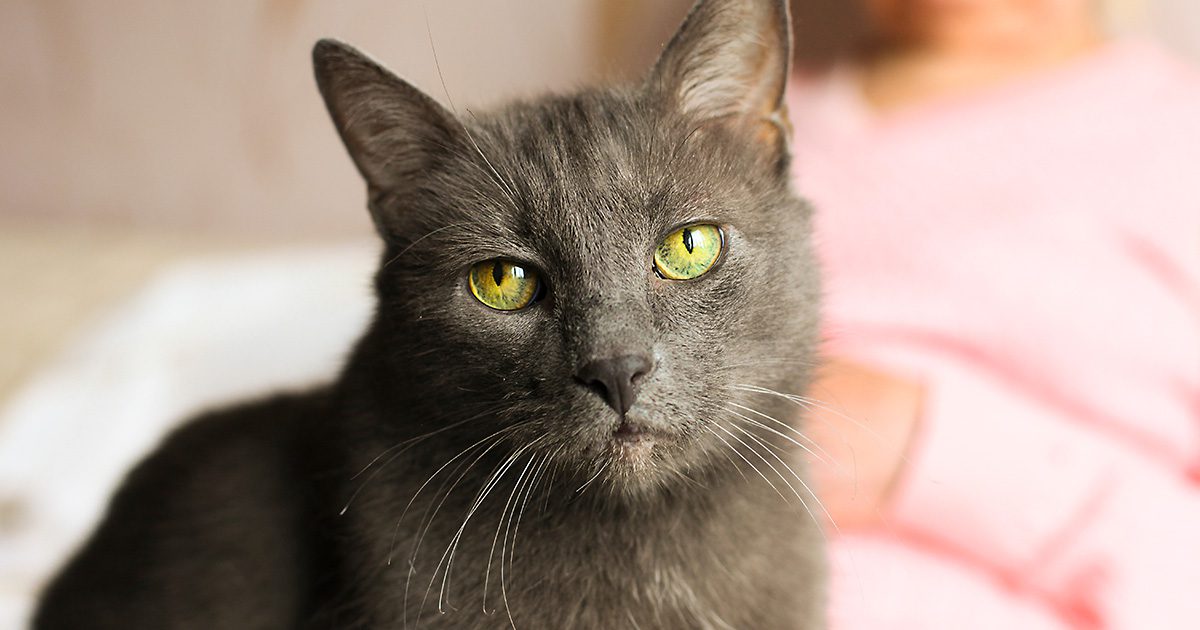
Credit: www.diamondpet.com
Benefits Of Senior Cats
Choosing to adopt a senior cat comes with unique and rewarding benefits that often go unnoticed. These cats bring a sense of peace and stability to your home, making them wonderful companions for many lifestyles. Understanding what makes senior cats special can help you decide if one might be the perfect addition to your family.
Calm And Gentle Companions
Senior cats tend to have calmer and gentler temperaments. They usually enjoy quiet moments and are less likely to engage in hyperactive behavior. If you’re looking for a pet that fits easily into a peaceful home, a senior cat might be just what you need.
Many adopters find comfort in their senior cat’s steady presence. One adopter shared how their older cat’s calm nature helped reduce their own stress after a long day. Could a calm companion be what your home is missing?
Established Personalities
Unlike kittens, senior cats come with fully developed personalities. You can often tell right away if their temperament matches your lifestyle. This clarity helps avoid surprises and ensures a better fit between you and your new friend.
Think about what qualities matter most to you in a pet. Do you want a cuddly lap cat or a more independent one? With seniors, you’ll know before you adopt, making it easier to build a strong bond from day one.
Lower Energy Needs
Senior cats generally require less playtime and exercise compared to younger cats. They’re happy with gentle interaction and shorter bursts of activity. This makes them ideal for people who prefer a relaxed pet experience.
If you have a busy schedule or limited mobility, a senior cat’s lower energy needs can be a perfect match. Their contentment with lounging around means you can enjoy companionship without the demands of constant play.
Choosing The Right Senior Cat
Choosing the right senior cat means more than just picking the cutest one. It’s about finding a companion whose health, temperament, and personality fit your lifestyle. This choice affects both your happiness and the well-being of the cat you bring home.
Assessing Health And Temperament
Start by asking about the cat’s medical history. Senior cats may have conditions like arthritis or kidney disease that require special care. Knowing these details helps you prepare for any extra attention or vet visits.
Temperament matters just as much as health. Some senior cats prefer quiet homes, while others enjoy playful interaction. Spend time with the cat to see how it reacts to you and its surroundings. Does it seem calm or anxious? This can predict how well it will adjust to your home.
Matching Lifestyle And Personality
Think about your daily routine and living situation. If you work long hours, a low-energy senior cat that enjoys naps might be a better match. On the other hand, if you want a companion for gentle play, choose a cat with a lively spirit.
Consider other pets and family members too. Some senior cats thrive around children or other animals, while others prefer solitude. Matching personalities reduces stress and builds a stronger bond.
Visiting Shelters And Rescues
Spend time visiting different shelters and rescue groups. Talking to staff can give you insights about each cat’s behavior and needs. Many shelters allow multiple visits so you can get to know the cat better before deciding.
Look beyond initial appearances. A shy senior cat might just need a little extra patience to reveal its sweet nature. Are you ready to offer that patience and a loving home?
Preparing Your Home
Preparing your home for a senior cat takes more than just setting out food and water. It means creating an environment that meets their unique needs and helps them feel safe and loved. Small adjustments can make a big difference in how comfortable and happy your senior cat will be.
Safe And Comfortable Spaces
Senior cats often seek quiet spots where they can rest without being disturbed. Designate a cozy corner with a soft bed or blanket, away from loud noises and heavy foot traffic.
Make sure the bedding is easy to get in and out of, especially if your cat has arthritis or mobility issues. You might notice your cat prefers a heated pad or a sunny spot; these simple comforts can ease their aging joints.
Easy Access To Essentials
Think about your cat’s limited mobility when placing food, water, and litter boxes. Keep these essentials on the same floor level to avoid unnecessary jumping or climbing.
- Use shallow dishes to make eating and drinking easier.
- Place litter boxes in quiet, accessible areas with low entry points.
- Consider adding ramps or steps if your cat likes to perch or sleep on furniture.
Have you checked if your cat struggles to reach their favorite spots? Adjusting their environment can save them discomfort and frustration every day.
Minimizing Stress Triggers
Senior cats can be more sensitive to changes and loud noises. Try to keep a calm atmosphere at home, especially during their adjustment period.
Limit exposure to unfamiliar pets or sudden visitors. If you have other animals, supervise their interactions and provide your senior cat with a safe retreat.
Have you noticed what unsettles your cat? Identifying and removing stress triggers can improve their health and mood dramatically.
Feeding And Nutrition Tips
Feeding a senior cat means paying close attention to their changing nutritional needs. Older cats often require different nutrients to support their aging bodies, and their appetites may shift as well. Understanding how to adjust their diet can help keep them healthy and comfortable.
Special Diets For Older Cats
Senior cats benefit from diets tailored to their age, focusing on lower calories and higher protein to maintain muscle mass. Look for cat foods labeled specifically for seniors—they usually contain joint-supporting ingredients like glucosamine. If your cat has health issues like kidney disease or diabetes, consult your vet about prescription diets designed to manage these conditions.
Have you noticed your cat losing interest in food? Changing textures or warming the food slightly can sometimes encourage eating.
Hydration Importance
Older cats often drink less water, which can lead to dehydration and urinary problems. Wet food can provide extra moisture and help keep your cat hydrated. Placing multiple water bowls around your home or using a cat water fountain can encourage them to drink more.
Does your cat seem hesitant to drink? Experimenting with different water sources or adding a splash of tuna juice might pique their interest.
Treats And Supplements
Treats should be given sparingly but can be useful for training or bonding. Choose low-calorie treats to avoid weight gain. Supplements like omega-3 fatty acids can support coat health and reduce inflammation, but always check with your vet before adding anything new.
Have you tried offering your senior cat soft treats? Sometimes they are easier on aging teeth and gums.
Healthcare And Vet Visits
Senior cats need special healthcare and regular vet visits to stay healthy. As cats age, their bodies change and new health issues can appear. Keeping up with vet appointments helps catch problems early. Proper care can improve a senior cat’s quality of life and comfort. Let’s explore important health topics for older cats.
Routine Checkups
Regular vet visits are vital for senior cats. These checkups monitor your cat’s overall health. The vet will check weight, coat, eyes, ears, and teeth. Blood tests help detect hidden issues like kidney or liver problems. Schedule visits at least twice a year. More frequent visits may be needed based on health status.
Managing Chronic Conditions
Many senior cats develop chronic conditions like arthritis or diabetes. Managing these requires ongoing care and medication. Your vet can create a treatment plan tailored to your cat’s needs. Watch for signs like changes in appetite, behavior, or mobility. Early detection helps slow disease progress and eases discomfort.
Dental Care Essentials
Dental health is often overlooked but important for older cats. Poor dental care can cause pain and infections. Regular teeth cleaning at the vet prevents tartar buildup and gum disease. At home, brushing your cat’s teeth gently helps maintain oral hygiene. Use cat-safe toothpaste and tools designed for pets.
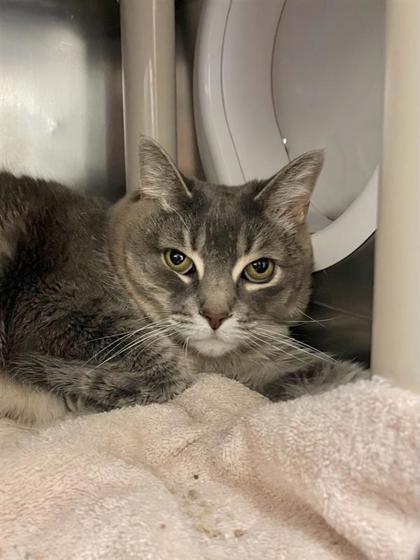
Credit: www.spca.com
Building Trust And Bonding
Building trust with a senior cat takes time and care. These cats may have had tough experiences. They need a calm, steady approach to feel safe. Bonding grows stronger through gentle actions and respect. Each moment shared helps deepen your connection.
Patience And Gentle Interaction
Senior cats often move slower and may be shy. Approach them softly and speak in quiet tones. Let the cat come to you first. Avoid sudden movements that startle or scare them. Use slow blinks to show you mean no harm. Give them space to explore your presence at their own pace.
Play And Enrichment
Play is a great way to build a bond. Choose gentle toys like feather wands or soft balls. Short play sessions keep the cat interested without causing stress. Enrichment can include puzzle feeders or cozy resting spots near you. These activities keep their mind active and body relaxed. Play time creates happy memories together.
Recognizing And Respecting Boundaries
Every senior cat has limits. Watch for signs like tail flicks or ears turning back. These signals mean they want space. Respect their wishes without forcing contact. Let them decide when to be petted or held. Honoring boundaries builds trust and comfort. A calm, respectful home helps your cat feel secure.
Managing Behavior Changes
Managing behavior changes in senior cats is a crucial part of giving them a comfortable and happy home. As cats age, their behaviors can shift in subtle or noticeable ways. Understanding these changes helps you respond with patience and care, making their golden years truly golden.
Common Senior Cat Behaviors
Senior cats often become less active and may sleep more throughout the day. You might notice your cat becoming more vocal or, conversely, more withdrawn. Some cats develop changes in litter box habits or show signs of confusion in familiar surroundings.
It’s not unusual for a senior cat to seek more attention or, on the flip side, to prefer solitude. These shifts can reflect physical discomfort or cognitive changes. Have you seen your cat suddenly start meowing late at night or hiding in new places?
Adapting To New Needs
Adapting to these behaviors means adjusting your routine and environment. Adding soft bedding in quiet spots can encourage restful sleep. You might also need to place food, water, and litter boxes in easier-to-reach locations.
Consider gentle playtime that suits their energy levels, like short interactive sessions with a feather toy. Regular grooming helps, too, especially if your cat struggles to clean themselves. Small changes in your daily care routine can make a big difference in how your senior cat feels.
When To Seek Professional Help
Some behavior changes require a vet’s attention. If your cat shows sudden aggression, extreme confusion, or drastic changes in eating or elimination habits, it’s time to consult a professional. These could signal health issues like arthritis, dental problems, or cognitive dysfunction.
Don’t hesitate to ask your vet about behavior-specific treatments or therapies. Sometimes, medication or specialized diets can ease discomfort and improve quality of life. What changes in your cat’s behavior have you found most challenging to manage?

Credit: www.oakvillenews.org
Creating A Joyful Environment
Creating a joyful environment for a senior cat is essential for their happiness and well-being. Older cats need comfort, gentle stimulation, and loving company. A calm and inviting space helps them feel safe and relaxed. Tailoring their surroundings to their needs can boost their mood and health.
Cozy Resting Spots
Senior cats love warm, soft places to rest. Provide cushioned beds with gentle support for their joints. Place beds near sunny windows or quiet corners. Keep their resting spots clean and free from drafts. Soft blankets or heated pads can add extra comfort.
Engaging Toys And Activities
Gentle play keeps senior cats active and sharp. Choose lightweight toys that are easy to bat and chase. Simple puzzles or treat-dispensing toys work well for mental stimulation. Short, frequent play sessions prevent tiredness. Avoid loud or fast-moving toys that may scare them.
Social Interaction And Companionship
Senior cats enjoy quiet, calm interaction with their humans. Spend time petting and speaking softly to build trust. Respect their need for space and rest. Some cats appreciate having a feline friend for company. Observe their reactions to ensure comfort with social time.
Frequently Asked Questions
What Are The Benefits Of Adopting A Senior Cat?
Adopting a senior cat offers companionship and gratitude. They are usually calmer and well-socialized. Senior cats often require less training and adapt well to quiet homes. This choice saves a life and provides a loving pet with a second chance.
How To Care For A Senior Cat’s Health?
Regular vet visits are essential for senior cats. Monitor their diet, weight, and hydration closely. Provide a comfortable, quiet space and gentle exercise. Watch for signs of illness or discomfort. Proper dental care and supplements may improve their quality of life.
Do Senior Cats Get Along With Other Pets?
Many senior cats can coexist well with other pets. Proper introductions and gradual interactions help ease transitions. Senior cats tend to be less territorial and more tolerant. Supervise initial meetings and provide separate resources to reduce stress.
What Special Diet Do Senior Cats Need?
Senior cats benefit from diets rich in protein and low in calories. Special formulas support kidney health and joint function. Consult your vet for tailored dietary recommendations. Proper nutrition helps maintain energy and manage age-related health issues.
Conclusion
Adopting a senior cat offers endless joy and companionship. These cats often have calm natures and are less demanding. They usually adapt quickly to new homes. Senior cats bring warmth and love, enriching your life. They can teach patience and empathy.
Older cats also need love and care, just like any pet. Consider opening your heart to a senior cat. You won’t regret the decision. They may be older but still have much to give. Their affection is genuine, making each day brighter.
Adopt a senior cat and make a difference.
