

Are you wondering if your indoor cat really needs shots? It’s a question many pet owners ask.
After all, your furry friend stays inside most of the time, away from other animals and outdoor dangers. But is that enough to keep them safe? The truth might surprise you. Knowing which vaccines your cat needs can protect them from serious diseases and save you from costly vet visits later.
Keep reading to discover exactly why vaccinations matter for indoor cats—and how you can keep your beloved pet healthy and happy.
Why Vaccines Matter For Indoor Cats
Indoor cats can still catch diseases from germs brought inside. Vaccines protect them from serious illnesses even without outdoor exposure. Keeping shots up to date helps ensure your cat stays healthy and safe.
Indoor cats often seem immune to the dangers of the outside world. They lounge on comfy cushions, chase laser pointers, and enjoy the warmth of the indoors. However, this perceived safety can lead to misconceptions about their health needs, particularly vaccinations. You might wonder if these shots are really necessary for a cat that rarely, if ever, steps outside. Let’s explore why vaccines are vital for your indoor feline friend’s well-being.Risks Facing Indoor Cats
You might think your indoor cat is safe from diseases, but risks can lurk closer than you imagine. Pathogens can hitch a ride indoors via your shoes, clothes, or even through an open window. If you’ve ever visited a friend with pets or taken a stroll in a park, you could unintentionally bring back unwanted germs. Moreover, indoor cats might escape or accidentally find themselves outside, even if for a short time. During these brief adventures, they can encounter other animals or contaminated surfaces. The risk is real, and it’s not worth leaving to chance.How Vaccines Protect Cats
Vaccines act like a shield, preparing your cat’s immune system to fend off diseases. When vaccinated, your cat’s body learns to recognize and combat specific pathogens. This means if they ever come into contact with these germs, their body is ready to fight back effectively. Consider the example of the rabies vaccine. Even if your cat stays indoors, rabies can be transmitted through bites from bats or other wildlife that might sneak inside. Vaccination ensures your cat is protected against such unexpected encounters. Protecting your cat isn’t just about their health—it’s also about peace of mind. Knowing you’ve taken steps to safeguard your cat from potential illnesses lets you enjoy their company without constant worry. Isn’t that reassurance worth it? Vaccinating your indoor cat is a simple yet effective way to ensure their long-term health and happiness. It’s about being proactive and prepared, so your feline companion can continue to thrive in their safe, cozy indoor environment.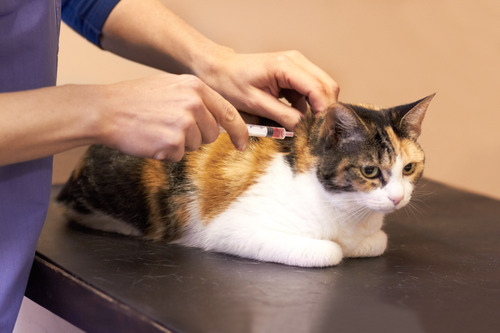
Credit: triangleanimalclinic.com
Core Vaccines For Indoor Cats
Core vaccines protect indoor cats from serious diseases. Even cats that stay inside need these shots. Germs can enter homes on clothes, shoes, or other pets. Vaccines help build strong defenses against common feline illnesses.
Feline Herpesvirus And Calicivirus
These two viruses cause upper respiratory infections in cats. Symptoms include sneezing, runny eyes, and mouth ulcers. Vaccination reduces the risk of severe illness and spreads. Indoor cats can still catch these viruses from outside sources.
Feline Panleukopenia
This disease is highly contagious and often fatal. It affects the cat’s blood cells and immune system. Vaccines provide effective protection against panleukopenia. Even indoor cats need this shot because the virus can survive in the environment.
Rabies Vaccine
Rabies is a deadly virus that affects the brain. Laws require rabies shots for cats in many areas. The vaccine protects your cat and your family. Indoor cats can contract rabies from bats or other wild animals that enter the home.
Non-core Vaccines To Consider
Not all vaccines are essential for every indoor cat, but some non-core vaccines might still be worth considering depending on your cat’s lifestyle and environment. These vaccines protect against diseases that indoor cats can encounter under specific circumstances. Knowing which ones apply to your cat can keep them safer without overloading their immune system.
Feline Leukemia Virus
Feline Leukemia Virus (FeLV) is often linked to outdoor cats, but indoor cats aren’t completely safe. If your cat has any contact with other cats—through boarding, grooming, or vet visits—this vaccine could be crucial. Think about your cat’s social interactions carefully before deciding.
Chlamydia And Bordetella
These vaccines protect against respiratory infections that can spread quickly in multi-cat households or shelters. Even indoor cats can catch these if they’re exposed to new cats or environments like a boarding facility. If your cat shows signs of sneezing or eye discharge, these vaccines might help prevent future illness.
Other Regional Vaccines
Some diseases are more common in certain areas, and your vet can advise you on vaccines based on where you live. For example, if you live in a region where certain parasites or infections are prevalent, your cat might benefit from additional protection. Are you aware of local health risks your cat could face?
Credit: www.catcarehospital.com
Vaccination Schedule And Timing
Vaccination timing is crucial to protect indoor cats from common diseases. A clear schedule helps ensure kittens and adult cats build strong immunity. Vaccines work best when given at the right age and intervals. Regular boosters keep immunity active over time. Following a vaccination plan reduces the risk of illness and keeps your cat healthy.
Kitten Vaccination Timeline
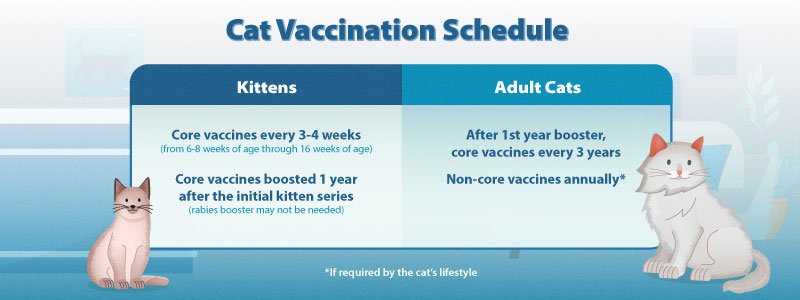
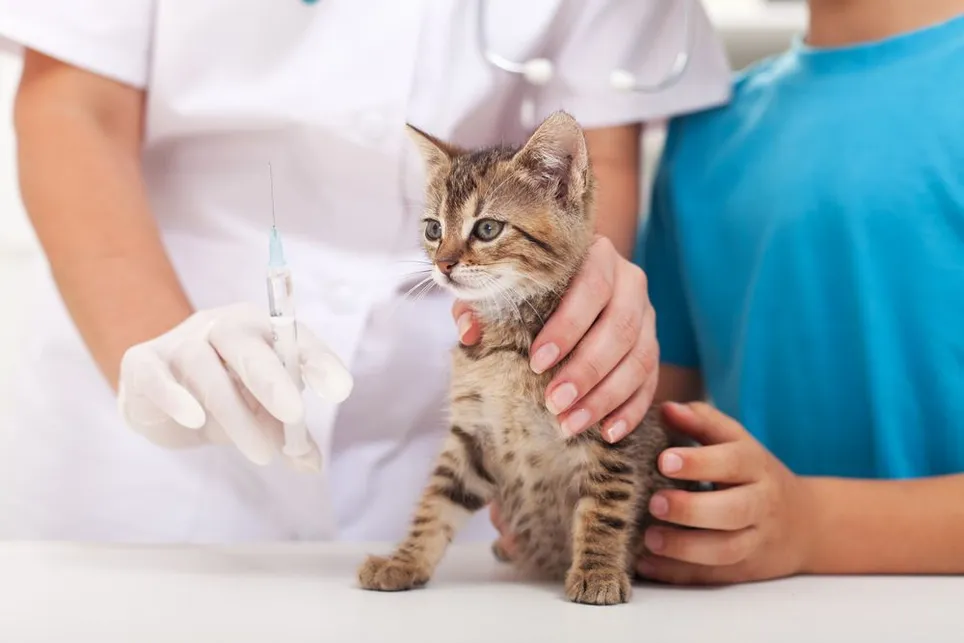
Kittens need multiple vaccines to build early protection. The first vaccine usually starts at 6 to 8 weeks old. Then, shots repeat every 3 to 4 weeks until the kitten is about 16 weeks old. Core vaccines often include:
- Feline distemper (panleukopenia)
- Feline calicivirus
- Feline herpesvirus (rhinotracheitis)
- Rabies (depending on local laws)
Vaccinating kittens early helps protect them when their immune system is still developing. This schedule reduces risk from common infectious diseases.
Adult Cat Booster Shots
Adult cats need booster shots to maintain immunity. Usually, boosters come one year after the kitten series. Then, boosters occur every 1 to 3 years, depending on the vaccine type and vet advice. Core vaccines remain important even for indoor cats. Rabies boosters follow local regulations.
Regular boosters ensure lasting protection. Skipping them can leave cats vulnerable to diseases. Talk to your vet about the right booster schedule for your cat’s lifestyle.
Common Vaccine Side Effects
Vaccines protect indoor cats from many dangerous diseases. Like any medicine, vaccines can cause side effects. Most side effects are mild and short-lived. Knowing what to expect helps you care for your cat better after vaccination.
Mild Reactions To Expect
Most cats show only mild reactions after shots. These include:
- Soreness or swelling at the injection site
- Minor fever or tiredness
- Loss of appetite for a day or two
- Sneezing or mild cough (for nasal vaccines)
These symptoms usually go away on their own within 24 to 48 hours. Your cat may rest more than usual but should still act normal overall.
When To Contact A Vet
Some signs need quick vet attention. Watch for:
- Swelling that gets larger or lasts more than 3 days
- Hives or itching all over the body
- Difficulty breathing or wheezing
- Severe vomiting or diarrhea
- Weakness or collapse
These signs may mean an allergic reaction or infection. Contact your vet immediately if you notice any of these problems.
Factors Influencing Vaccine Needs
Vaccination needs vary for indoor cats based on several key factors. These factors help determine which vaccines are necessary to keep cats safe and healthy. Understanding these elements ensures your cat gets proper protection without unnecessary shots.
Cat’s Lifestyle And Environment
Indoor cats that never leave the house face fewer risks than outdoor cats. However, some indoor cats may have contact with other animals or visitors. Cats in multi-pet homes or those who visit grooming salons may need more vaccines. The environment, such as urban or rural settings, also influences exposure to certain diseases.
Health Status And Age
Young kittens need a series of vaccines to build immunity. Older cats might require boosters to maintain protection. Cats with weak immune systems or chronic illnesses may need special vaccine plans. Health status helps vets decide which vaccines are safe and necessary.
Local Disease Risks
Different regions have different disease threats for cats. Some areas have higher risks of feline leukemia or rabies. Vaccines are tailored to protect cats against local dangers. Checking with a vet about local outbreaks can guide vaccine choices.
Working With Your Veterinarian
Working closely with your veterinarian ensures your indoor cat gets the right vaccinations. Each cat has unique health needs based on age, lifestyle, and medical history. A vet helps tailor a vaccination schedule that fits your cat’s specific situation.
Regular communication with your vet builds trust and makes it easier to address any health concerns. Your veterinarian can explain the benefits and risks of each vaccine clearly. This partnership keeps your cat safe and healthy.
Creating A Vaccination Plan
Start by discussing your cat’s daily environment and habits with the vet. This information helps decide which vaccines are necessary. Indoor cats usually need fewer vaccines than outdoor cats, but some shots remain important.
- Core vaccines protect against serious diseases.
- Non-core vaccines depend on exposure risk.
- Age and health status influence timing.
A vaccination plan outlines when each shot should be given. The vet schedules booster shots to maintain immunity over time. This plan adapts as your cat grows or their lifestyle changes.
Keeping Records Updated
Accurate vaccine records are crucial for your cat’s health. Your vet keeps official documentation of all shots and dates. Keep a copy at home for easy reference.
Updated records help avoid missed vaccines or unnecessary repeats. They also come in handy during emergencies or travel. Digital records or apps can simplify tracking and reminders.
Always inform your vet about any reactions or health changes after vaccinations. This feedback helps adjust future care and protects your cat better.

Credit: millsanimalhospital.com
Frequently Asked Questions
Do Indoor Cats Need Vaccinations?
Yes, indoor cats need vaccinations to protect against common diseases. Vaccines help prevent illnesses like rabies and feline distemper, even if cats stay inside.
Which Shots Are Essential For Indoor Cats?
Core vaccines for indoor cats include rabies, feline distemper, and calicivirus. These protect cats from serious infections and keep them healthy.
How Often Should Indoor Cats Get Vaccinated?
Indoor cats typically need vaccines every 1 to 3 years. Your vet will recommend a schedule based on your cat’s age and health.
Can Unvaccinated Indoor Cats Get Sick?
Yes, unvaccinated indoor cats can still get sick. Viruses can enter through humans, other pets, or objects brought into the home.
Conclusion
Indoor cats still need shots to stay healthy. Vaccines protect them from serious diseases. Even if they don’t go outside, risks exist. Viruses can enter through windows or visitors. Regular vet visits keep vaccinations up to date. Shots help avoid costly treatments later.
Protect your cat’s health with timely vaccines. Peace of mind for you and safety for your pet. Simple steps make a big difference in your cat’s life.
