


Have you ever wondered if your male cat goes into heat like female cats do? It’s a common question for cat owners who want to understand their pet’s behavior better.
Knowing when and why your male cat acts restless or sprays around the house can help you care for him in the best way. Keep reading to discover the truth about male cats and heat cycles—and learn what you need to watch for to keep your furry friend happy and healthy.
Male Cat Reproductive Cycle
The male cat reproductive cycle is often misunderstood. Unlike females, male cats do not have a heat cycle. Instead, they are ready to mate when they reach sexual maturity. Understanding their cycle is crucial for responsible pet care. It helps prevent unwanted behaviors and supports healthy breeding practices.
Age Of Sexual Maturity
Male cats usually reach sexual maturity between six and twelve months. This age can vary based on breed and individual growth. Smaller breeds often mature faster than larger ones. Once mature, males can mate at any time. They do not have specific mating seasons like females.
Signs Of Readiness
Recognizing signs of readiness in male cats is important. You may notice increased roaming and vocalization. They might spray urine to mark territory. These behaviors signal their readiness to mate. Neutering can help manage these behaviors effectively.
Credit: www.diamondpet.com
Behavioral Changes In Male Cats
Male cats show clear behavioral changes when they enter their mating phase. These shifts can catch you off guard if you don’t know what to expect. Understanding these signs helps you manage your cat’s needs better and maintain harmony at home.
Increased Roaming
Male cats often start wandering further from home during their heat cycle. This instinct drives them to seek out females nearby. You might notice your cat slipping out more often or returning with scratches and dirt from outdoor adventures.
Have you ever lost your cat for hours only to find him acting restless? That’s usually a sign he’s roaming in search of a mate. Keeping your cat indoors or providing a secure outdoor space can reduce this behavior.
Vocalization Patterns
Expect louder and more frequent meowing or yowling during this time. This vocalization serves as a call to females and a warning to rival males. It can be surprising how persistent and intense these sounds become, especially at night.
Think about how your cat’s usual quiet purrs shift to constant yells. These noises reflect his heightened hormonal state. Providing distractions like interactive toys or extra attention might help ease his vocal demands.
Marking Territory
Marking territory is a classic behavior in heat-driven male cats. They spray strong-smelling urine on walls, furniture, and even people to signal dominance and attract females. This can be frustrating and smelly, affecting your living space.
Notice if your cat suddenly starts scratching or rubbing against corners and objects more often. These are also ways to leave scent marks. Neutering often reduces this behavior, but cleaning marked areas promptly with enzyme cleaners is essential to prevent repeat marking.
Physical Signs Of Heat In Male Cats
Male cats do not go into heat like females. Instead, their behavior changes during mating seasons. These changes help them attract female cats. Observing physical signs in male cats can help you understand their mating instincts. These signs are subtle but clear.
Changes In Appearance
Male cats may look different when they are ready to mate. Their muscles can become more defined and toned. The face might seem broader and more mature. Some male cats develop a thicker neck. Their fur can appear shinier and well-groomed. These changes show the cat is healthy and ready to compete for mates.
Scent Marking
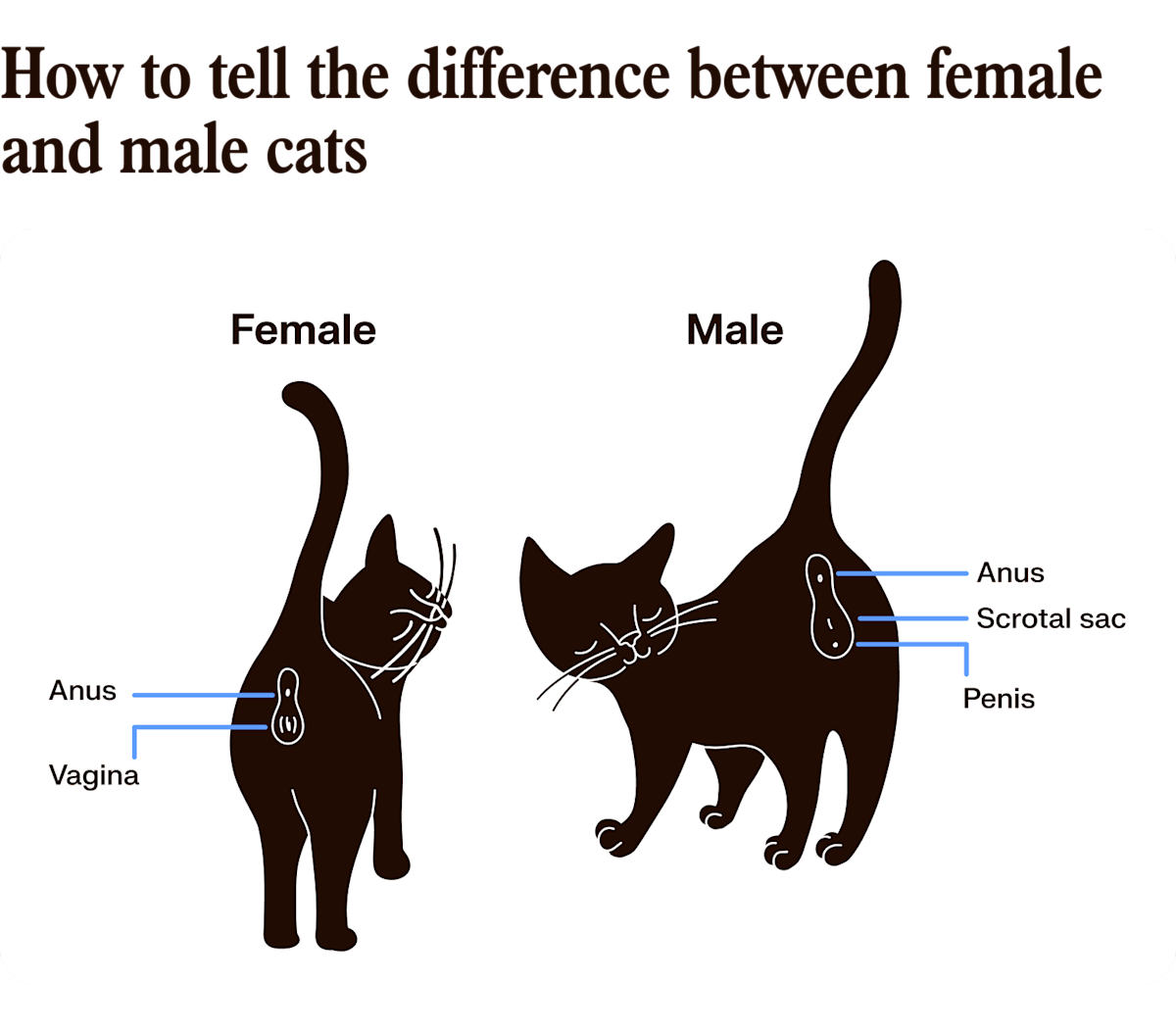
Scent marking is a strong sign of a male cat’s mating drive. Male cats spray urine to mark their territory. The scent contains chemicals that signal their presence to females. They often spray on walls, furniture, and doors. This behavior increases during mating season. You might also notice them rubbing their cheeks on objects. This leaves scent from glands on their face. Scent marking helps male cats claim their area and attract females nearby.
Credit: www.kinship.com
Differences Between Male And Female Heat
Male and female cats experience heat differently. Female cats have clear heat cycles with visible signs. Male cats do not go into heat in the same way. Understanding these differences helps cat owners manage behavior and care better.
Heat Cycles Explained
Female cats go through estrus, or heat, regularly. It usually starts at six months old. Their heat cycle repeats every few weeks until they mate or season changes. Signs include loud meowing, restlessness, and rolling on the floor.
Male cats do not have a heat cycle. Instead, they become sexually mature and ready to mate anytime. Their behavior changes based on female cats in heat nearby. They may roam more, mark territory, or fight other males.
Hormonal Influences
Female cats produce hormones that trigger heat cycles. Estrogen rises and falls, causing heat behavior. These hormones prepare the body for pregnancy.
Male cats have different hormones like testosterone. This hormone makes them more territorial and aggressive. It drives their urge to find females and compete with other males. Testosterone levels stay high once they reach maturity.
Impact Of Neutering On Male Cat Behavior
Neutering has a significant impact on male cat behavior, especially regarding their heat cycles and mating instincts. It often brings noticeable changes that can improve both your cat’s well-being and your household environment. Understanding these changes helps you decide the best time to neuter your pet and what benefits to expect.
Timing For Neutering
Most veterinarians recommend neutering male cats between 5 to 6 months of age, before they reach sexual maturity. Neutering at this stage can prevent unwanted behaviors linked to mating instincts.
Neutering too late can mean your cat has already started to mark territory or become aggressive. Early neutering helps avoid these behaviors before they develop.
Behavioral Benefits
Neutering reduces the urge to roam in search of mates. This means your cat is less likely to get lost or injured outdoors.
It also decreases spraying and marking behaviors, which many owners find frustrating. Neutered cats tend to be calmer and less aggressive, making them easier to live with.
Have you noticed changes in your cat’s behavior after neutering? Many owners report a more affectionate and relaxed pet, which improves the bond between cat and owner.
Managing Male Cats During Mating Season
Managing male cats during mating season can be challenging, especially as their behavior changes dramatically. You might notice increased restlessness, loud vocalizations, or attempts to escape outdoors. Understanding how to handle these behaviors can keep your cat safe and reduce household tension.
Keeping Cats Indoors
Keeping your male cat indoors during mating season is crucial to prevent unwanted fights and roaming. Outdoor access increases the risk of injury and spreading diseases. Secure windows and doors, and consider using a cat harness for supervised outdoor time.
I once had a male cat who tried to bolt every mating season. Bringing him inside and creating a stimulating indoor environment helped him stay calm and safe. You can add new toys, climbing trees, or puzzle feeders to keep his mind busy.
Reducing Stress
Stress can make your male cat’s mating behaviors worse. Provide a quiet, comfortable space where he feels safe. Regular play sessions can help release pent-up energy and reduce anxiety.
Have you noticed how a tired cat is a calmer cat? Engaging your cat with interactive toys or short bursts of play can lower his stress levels. You might also try pheromone diffusers, which some cats find soothing during this time.
When To Consult A Veterinarian
Knowing when to consult a veterinarian is important for your male cat’s health. Some signs mean a vet visit is needed. Early care can prevent bigger problems. Watch your cat closely for any changes in behavior or health. Acting fast helps keep your cat happy and safe.
Unusual Behavior
Unusual behavior in male cats may indicate health issues. Examples include:
- Sudden aggression or irritability
- Excessive vocalizing without clear reason
- Marking territory indoors more than usual
- Restlessness or pacing for long periods
- Loss of appetite or hiding more than normal
These behaviors can suggest stress, pain, or illness. A veterinarian can find the cause and offer solutions.
Health Concerns
Health concerns need prompt attention. Signs include:
- Difficulty urinating or blood in urine
- Swelling or lumps near genital area
- Weight loss or sudden changes in body condition
- Excessive scratching or grooming of private parts
- Lethargy or weakness that lasts more than a day
Ignoring these signs may worsen your cat’s condition. A vet can provide proper diagnosis and treatment.
Credit: animals.howstuffworks.com
Frequently Asked Questions
When Do Male Cats Reach Sexual Maturity?
Male cats typically reach sexual maturity between 5 to 12 months of age. This varies by breed and environment. They become capable of mating once mature, regardless of visible signs like heat cycles seen in females.
Do Male Cats Experience Heat Cycles Like Females?
No, male cats do not experience heat cycles. Unlike females, males don’t go into heat. Instead, they may become more territorial and vocal when ready to mate.
How Can You Tell If A Male Cat Is Ready To Mate?
Signs include increased roaming, spraying urine to mark territory, and vocalizing loudly. Aggressiveness or restlessness can also indicate sexual maturity and readiness to mate.
Can Neutering Affect A Male Cat’s Mating Behavior?
Yes, neutering reduces sexual behaviors such as spraying, roaming, and aggression. It also prevents unwanted litters and can improve overall health and behavior.
Conclusion
Male cats do not go into heat like females do. Instead, they become sexually mature around six months old. At this age, males may show behaviors like spraying or roaming. These signs mean they are ready to mate. Neutering can help reduce these behaviors and keep your cat calm.
Understanding male cat behavior helps in caring for them better. Watch for changes and provide love and attention. This keeps your cat happy and healthy.
