

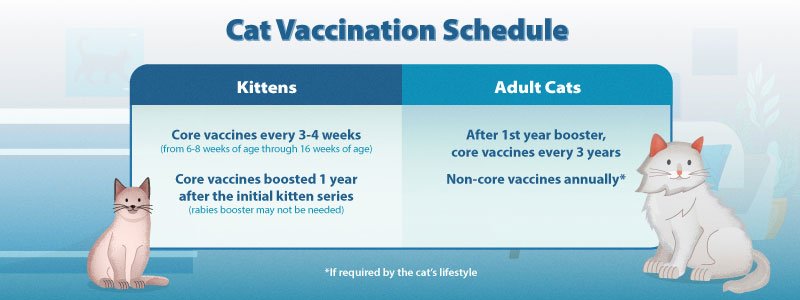
If you have a cat, you probably want to keep them safe and healthy. One important way to do that is by making sure your cat gets their rabies shots on time.
But how often do cats really need these vaccines? Knowing the right schedule can protect your furry friend from a dangerous disease and keep your home safe too. You’ll discover exactly when and why your cat needs rabies shots, so you never miss an important vaccination.
Keep reading to learn how to protect your cat the right way.
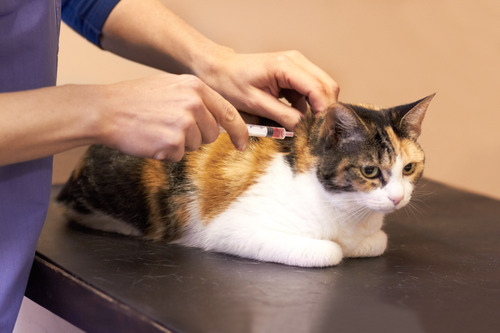
Credit: triangleanimalclinic.com
Rabies And Cats
Cats can be charming companions. But they are also at risk for rabies. Rabies is a deadly virus that affects the brain and nervous system. Protecting your cat from rabies is crucial for their health and safety.
Why Rabies Vaccination Matters
Rabies is fatal once symptoms appear. Vaccination is the only effective protection. It prevents the disease and keeps your cat safe. Vaccinated cats also help reduce the spread of rabies in the community. Many places require rabies shots by law. This ensures public health and safety. Regular vaccinations are a must for responsible cat owners.
How Rabies Spreads
Rabies spreads through saliva. It often transfers through bites from infected animals. Wild animals like bats, raccoons, and foxes are common carriers. Cats that roam outside are at higher risk. They might encounter an infected animal. An unvaccinated cat can become a threat to other animals and humans. Prevention is better than cure. Vaccinate your cat to stop the spread of rabies.
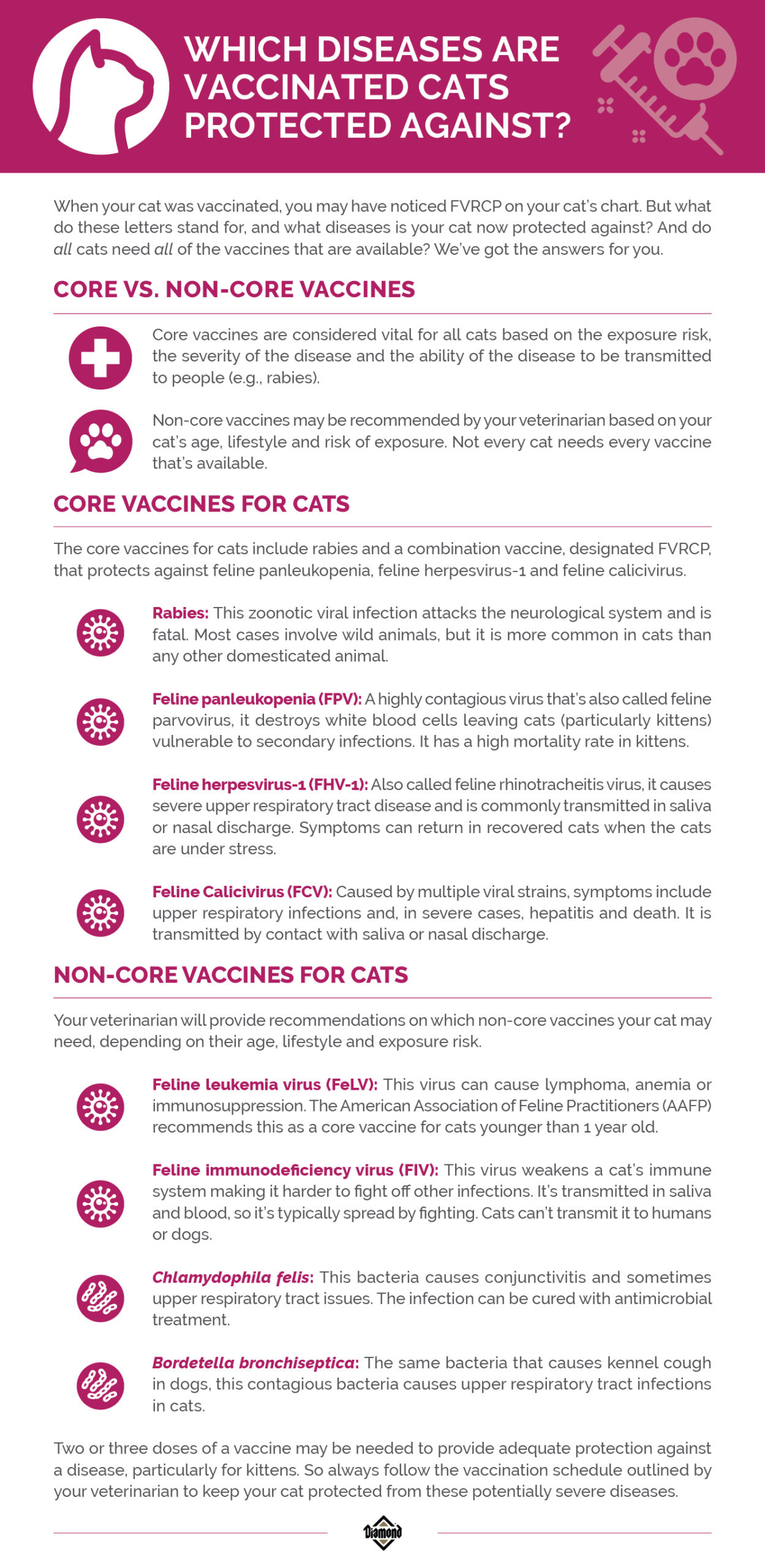
Credit: www.diamondpet.com
Vaccination Schedule
Keeping your cat protected from rabies means sticking to a clear vaccination schedule. This schedule ensures your feline friend stays safe and healthy while meeting local legal requirements. Understanding when to start and how often to boost these shots helps you avoid missed doses and unnecessary risks.
Initial Rabies Shot Timing
Kittens typically receive their first rabies vaccine between 12 and 16 weeks of age. This timing is crucial because the vaccine won’t be effective if given too early, due to maternal antibodies still in their system. If you’ve adopted an older cat without a vaccination history, consult your vet immediately to start the process.
Did you know some states require proof of this initial shot before your cat can go outside or visit the vet? It’s not just about protection; it’s about compliance with local laws. Missing this first step can complicate your cat’s access to many activities and services.
Booster Shot Frequency
After the initial vaccine, rabies boosters are essential to maintain immunity. Most vets recommend a booster one year after the first shot, then every one to three years, depending on the vaccine type and local regulations.
You might wonder why the gap varies. Some vaccines provide longer protection, while others require more frequent boosters. Your vet can guide you based on your cat’s lifestyle and the vaccine available.
- Indoor cats:Annual or triennial boosters may be advised depending on risk factors.
- Outdoor cats:More frequent boosters might be necessary due to higher exposure risks.
Keeping a vaccination record and setting reminders can help you stay on top of this schedule. Have you ever missed a booster and worried about your cat’s protection? Staying proactive avoids this stress.
Factors Affecting Vaccination Frequency
Several factors influence how often cats need rabies shots. Understanding these factors helps pet owners keep their cats safe and follow the right vaccination schedule. The frequency of rabies vaccinations depends on legal rules and the cat’s daily activities. Each cat’s situation is unique, so vaccination needs can vary.
Local Laws And Regulations
Local laws often set the minimum vaccination requirements for cats. Some areas require yearly rabies shots. Others allow three-year vaccinations after the initial series. These rules aim to protect public health by controlling rabies risks. It is important to check your local regulations regularly. They may change based on disease outbreaks or new health guidelines.
Cat’s Lifestyle And Risk Level
The cat’s lifestyle plays a big role in vaccination frequency. Indoor cats have a lower risk of catching rabies. Outdoor cats face more risks from wild animals and stray pets. Cats that travel or visit kennels may need more frequent boosters. Discuss your cat’s habits with your veterinarian. They can recommend the best vaccination plan based on your cat’s risk.
Types Of Rabies Vaccines
Rabies vaccines for cats come in different types based on how long they protect. Knowing these types helps pet owners follow the right vaccination schedule. The main categories are one-year vaccines and three-year vaccines. Each type offers effective protection but varies in how often boosters are needed.
One-year Vaccines
One-year rabies vaccines protect cats for 12 months. Vets often use these for younger cats or those with unknown vaccination history. The short protection period ensures close monitoring of the cat’s health. Annual booster shots are necessary to keep the immunity strong. These vaccines are usually the first shot given to kittens.
Three-year Vaccines
Three-year rabies vaccines last longer, protecting cats up to 36 months. They reduce the frequency of booster shots, easing the vaccination process. Cats must receive an initial one-year vaccine before switching to three-year vaccines. Most adult cats can benefit from this longer-lasting option. Regular vet visits remain important to check the cat’s overall health.
Side Effects And Safety
Understanding the side effects and safety of rabies shots is crucial for every cat owner. While vaccines protect your feline friend from deadly diseases, you might worry about possible reactions. Knowing what to expect can help you stay calm and act swiftly if needed.
Common Reactions
Most cats handle rabies vaccines well, with only mild side effects. You might notice slight swelling or tenderness at the injection site. This usually goes away within a day or two.
Some cats may experience mild fever, reduced appetite, or a bit of lethargy for 24 to 48 hours. These signs are often subtle and short-lived. Remember, these mild reactions show your cat’s immune system is responding to the vaccine.
Severe reactions are rare but possible. Watch for symptoms like vomiting, diarrhea, difficulty breathing, or swelling beyond the injection spot. If your cat suddenly acts very weak or unusually restless, keep a close eye.
When To Contact A Vet
If your cat’s mild symptoms last more than a couple of days, or if you see any severe reactions, don’t hesitate to call your vet. Quick action can prevent complications and give your cat the care it needs.
Ask yourself: Is your cat eating, drinking, and behaving normally? If not, that’s a clear sign to reach out. Your vet can advise you on whether a visit is necessary or if home care will suffice.
Remember, your vet is your partner in keeping your cat safe. Reporting any unusual reactions helps improve vaccination safety for all pets. Don’t wait for symptoms to worsen—early communication is key.
Maintaining Vaccination Records
Keeping track of your cat’s rabies vaccinations is more than just a formality—it’s a key part of protecting their health and ensuring compliance with local laws. Without proper records, you might miss important booster shots or face difficulties if proof of vaccination is required. Staying organized with these documents can save you stress and keep your furry friend safe.
Importance Of Documentation
Vaccination records serve as official proof that your cat is protected against rabies. They are often required by veterinarians, animal shelters, and even some housing authorities. Missing or incomplete records can delay treatment or cause legal issues if your cat is exposed to rabies or involved in an incident.
Think about a time when you had to rush your cat to the vet. Having the vaccination card on hand sped up the process and gave the vet confidence in your cat’s health history. Without it, you might face extra tests or quarantines.
Tips For Keeping Records
- Create a dedicated folder:Use a physical folder or a digital file to store all vaccination papers and receipts.
- Use apps:Pet health apps can remind you of upcoming shots and store digital copies of records for easy access.
- Update immediately:After each vet visit, add new vaccination details right away to avoid losing any information.
- Keep multiple copies:Store one copy at home, one with your vet, and consider a digital backup to prevent loss.
- Label clearly:Write your cat’s name and date of birth on all documents to avoid confusion, especially if you have multiple pets.
How do you currently manage your pet’s health records? Taking a few extra minutes now can prevent headaches later and keep your cat protected against rabies without interruption.
Travel And Rabies Shots
Traveling with your cat involves more than packing a bag. Rabies shots play a key role in safe travel. Many places require proof of vaccination to protect pets and people. Knowing these rules helps avoid travel problems and keeps your cat healthy.
Vaccination Requirements For Travel
Different states and countries set their own rules about rabies shots. Most require cats to have a current rabies vaccine before entry. Some places ask for a certificate signed by a vet. Others may require a waiting period after vaccination.
Check travel destinations for specific rabies shot rules. Airlines also have their own pet vaccine policies. Planning ahead avoids last-minute surprises at airports or borders.
Preparing Your Cat For Trips
Visit the vet well before travel to update rabies shots. Bring vaccination records on your trip. Keep your cat’s health stable with regular check-ups.
Use a secure carrier to keep your cat safe during travel. Help your cat feel calm with familiar toys or blankets. Avoid feeding your cat just before the trip to prevent nausea.

Credit: millsanimalhospital.com
Frequently Asked Questions
How Often Should Cats Get Rabies Shots?
Cats typically need rabies shots every one to three years. The exact schedule depends on the vaccine type and local laws. Annual boosters are common, but some vaccines last three years. Always consult your vet for the best timing.
Why Are Rabies Shots Important For Cats?
Rabies shots protect cats from a deadly virus that affects the brain. Vaccination also prevents transmission to humans and other animals. It is a legal requirement in many areas. Keeping cats vaccinated ensures community health and safety.
Can Indoor Cats Skip Rabies Vaccinations?
Indoor cats still need rabies vaccines. They can accidentally escape or encounter infected animals. Rabies vaccination laws usually apply regardless of a cat’s lifestyle. Protect your indoor cat by maintaining their vaccination schedule.
What Happens If My Cat Misses A Rabies Shot?
If your cat misses a rabies shot, contact your vet immediately. They may recommend a booster or restart the vaccine series. Delayed vaccination can increase the risk of infection. Timely vaccination is crucial to keep your cat safe.
Conclusion
Cats need rabies shots regularly to stay protected. Most vets recommend a booster every one to three years. Keeping vaccinations up to date helps prevent serious diseases. It also keeps your cat safe and healthy. Check with your vet for the best schedule.
Staying on track means fewer health risks for your pet. Regular shots support a long, happy life for your cat. Don’t forget—vaccines matter for your cat’s well-being. Simple steps like these keep pets and people safe.
