

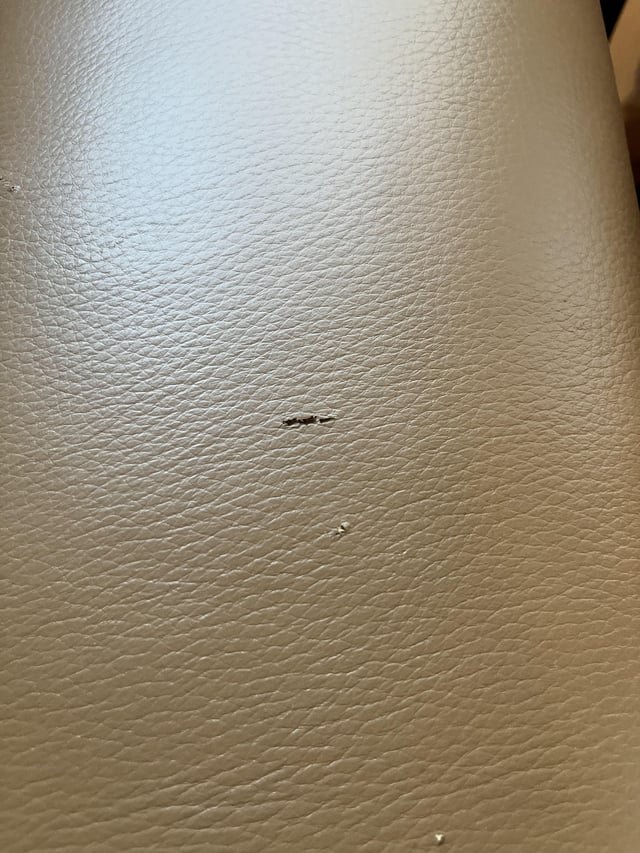
Have you ever caught your cat mid-scratch and wondered, “Is my leather couch in danger?” If you love your furry friend but also want to protect your stylish leather furniture, this question is probably on your mind a lot. Cats have sharp claws and natural scratching habits, but how much damage can they really do to leather?
You’ll discover why cats scratch leather, what makes leather vulnerable, and the simple steps you can take to keep both your pet and your furniture happy. Keep reading to protect your home without sacrificing your cat’s comfort.

Credit: www.reddit.com
Why Cats Scratch
Cats scratch to mark territory, sharpen claws, and stretch muscles. Leather can attract cats because its texture feels satisfying to scratch. This behavior is natural but can damage leather furniture or items.
Cats love to scratch. It’s a natural habit ingrained in their behavior. Understanding why they scratch helps in addressing any furniture damage.Instinctive Behavior
Scratching is a cat’s instinctive behavior. They have an innate urge to scratch surfaces. This action helps them stay agile and alert. It’s a part of their survival instincts.Marking Territory
Cats scratch to mark their territory. Their paws have scent glands. When scratching, they leave a scent behind. This scent marks their space and communicates with other cats.Nail Maintenance
Scratching helps maintain healthy nails. It removes dead nail layers. This keeps their claws sharp and ready. Regular scratching supports their overall paw health.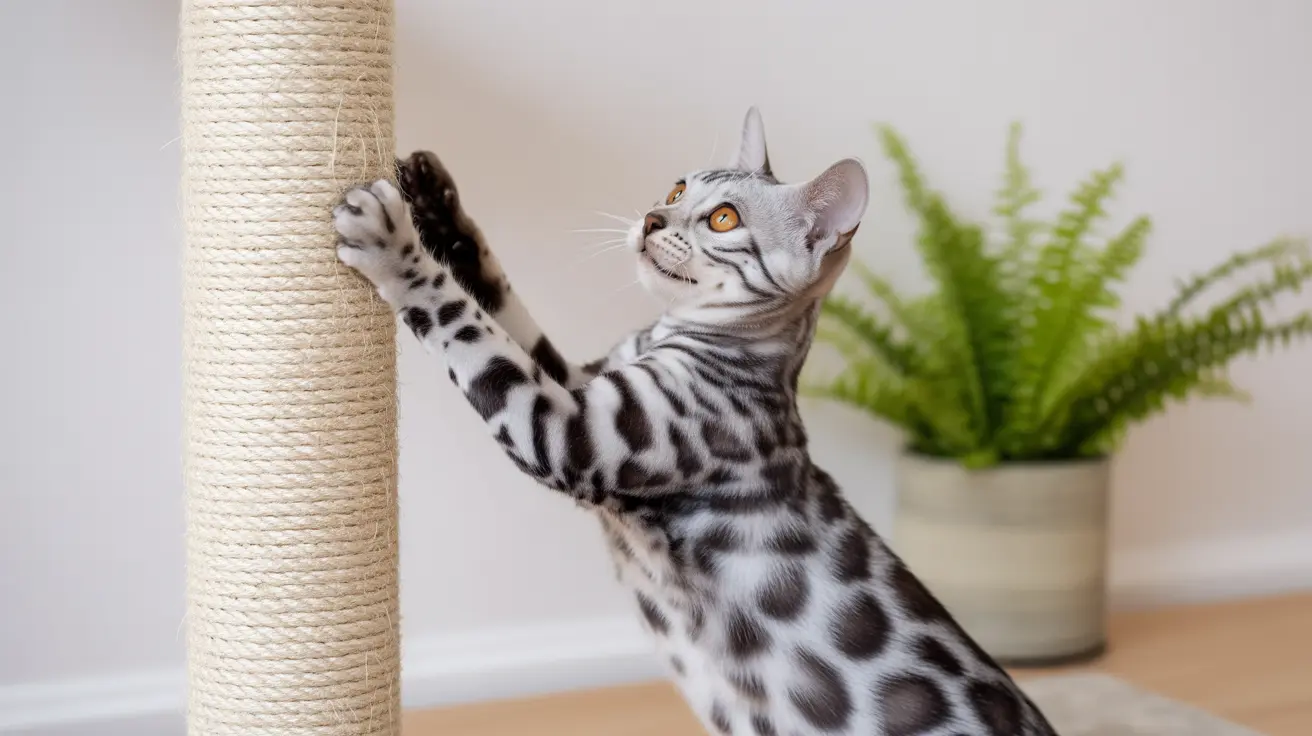
Credit: www.petscare.com
Leather As A Scratching Surface
Leather furniture often catches the eye for its sleek and stylish look. But if you have a cat, you might wonder how leather holds up against their natural scratching instincts. Understanding leather as a scratching surface can help you protect your belongings while keeping your feline friend happy.
Leather Texture And Appeal
Leather has a smooth and sometimes slightly textured surface that cats find intriguing. Its natural grain can offer just enough resistance to feel satisfying for a cat’s claws. You might notice your cat being drawn to leather chairs or sofas because the texture feels good under their paws.
However, not all leather is the same. Some types, like full-grain leather, have a tougher surface, while softer leathers may wear more quickly. Have you ever seen your cat kneading on a leather cushion? That behavior shows how appealing the texture can be, even if it risks some wear.
Durability Against Scratches
Leather is more durable than many expect, but it isn’t immune to scratching. Your cat’s sharp claws can leave marks, especially if they scratch frequently or with force. Over time, these scratches can accumulate, affecting the appearance of your leather furniture.
Still, some types of leather resist scratches better than others. Corrected grain leather, for instance, has been treated to hide imperfections and can handle light scratching better. You might find that placing a scratching post nearby reduces damage by giving your cat an alternative surface.
- Regularly trimming your cat’s nails can minimize deep scratches.
- Using leather conditioners helps maintain the material’s flexibility and resilience.
- Covering leather pieces with throws or slipcovers offers extra protection without hiding your style.
Have you tried any of these strategies with your leather furniture? How has your cat’s scratching behavior influenced your choice of materials at home?
Signs Your Cat Is Scratching Leather
Noticing that your leather furniture or accessories are showing unusual marks can be frustrating. Cats have sharp claws, and they often use scratching to stretch, mark territory, or simply play. Recognizing the signs that your cat is scratching leather can help you protect your belongings and understand your pet’s behavior better.
Visible Damage Patterns
Scratches on leather usually appear as thin, irregular lines. These marks can be clustered in certain spots, especially on armrests, chair backs, or edges of leather items. You might also see small tears or peeling where the surface has been repeatedly scratched.
Look for areas where the leather’s texture changes — it may feel rougher or look lighter due to the surface being scraped off. Do you notice these patterns near places your cat likes to jump or climb? That’s a strong clue your feline friend is the culprit.
Behavioral Clues
Observe your cat’s habits closely. Do they knead or scratch near leather furniture? You might catch them in the act, especially if they have a favorite spot. Cats often scratch to mark their territory with scent glands in their paws.
Pay attention to any increased restlessness or frequent visits to leather-covered areas. Your cat might be seeking attention or trying to relieve stress through scratching. Noticing these behaviors early can help you redirect their scratching to appropriate items, like scratching posts.

Credit: couch.co
Preventing Leather Damage
Leather furniture and accessories add a touch of elegance to your home, but they can become a target for your cat’s scratching habits. Preventing leather damage means understanding your cat’s natural behavior and guiding it in a way that protects your belongings. You don’t have to give up your beautiful leather items to keep your cat happy and safe.
Providing Alternatives
Cats need to scratch to keep their claws healthy and mark their territory. Offering appealing alternatives can save your leather from harm. Set up scratching posts or pads close to your leather items to redirect your cat’s attention.
Try different materials like sisal, cardboard, or carpet to see what your cat prefers. Place some catnip or toys on the alternatives to make them more attractive. You might be surprised how quickly your cat takes to a well-positioned scratching post.
Using Deterrents
Sometimes, your cat needs a clear message that leather is off-limits. Using safe deterrents can discourage scratching without causing distress. Spray a pet-safe repellent on leather surfaces to make them less appealing.
Double-sided tape can also work well—cats dislike the sticky texture on their paws. If you notice your cat approaching the leather, gently redirect them to a scratching post. Consistency is key to making deterrents effective.
Nail Care Tips
Keeping your cat’s nails trimmed reduces the damage caused by scratching. Regular nail trims prevent sharp edges that can easily scratch leather. If you’re nervous about trimming nails, ask a vet or groomer for a demonstration.
Soft nail caps are another option to protect your furniture. These small, colorful caps cover your cat’s claws and are painless to apply. Have you tried nail caps before? Many cat owners find them a game-changer for preserving their leather items.
Repairing Scratched Leather
Scratched leather can lose its charm and look worn out quickly. Fixing these scratches helps restore the leather’s beauty and extends its life. Some repairs you can try yourself, while others need expert care. Knowing the right approach saves time and money.
Diy Fixes
Minor scratches on leather often heal with simple home treatments. First, clean the area with a soft cloth and mild soap. Dry it gently. Use a leather conditioner to soften the surface and reduce scratch visibility. For deeper scratches, a leather repair kit can help. These kits include fillers and colorants to match your leather.
- Clean the leather surface carefully.
- Apply conditioner to moisturize and soften.
- Use repair kit fillers for deeper scratches.
- Match the color with provided dyes or markers.
- Let the leather dry naturally before use.
Patience is key. Repeat treatments may be needed for best results. Avoid harsh chemicals or rough scrubbing, as they worsen damage.
Professional Restoration
Severe scratches or worn leather calls for professional help. Experts use special tools and materials to restore leather’s smoothness and color. They can also repair cracks or tears beyond simple scratches. Professionals analyze the leather type and damage before choosing the right method.
- Deep cleaning and surface preparation.
- Color matching and dye application.
- Filling cracks or holes with advanced compounds.
- Sealing and finishing for protection.
Professional restoration offers long-lasting results. It preserves leather’s texture and appearance better than DIY fixes. This service is ideal for valuable or large leather items.
Choosing Cat-friendly Furniture
Choosing furniture that suits both your style and your cat’s habits is key. Cats love to scratch. This behavior helps them stretch and mark territory. Picking the right furniture can protect your home and keep your cat happy.
Cat-friendly furniture means materials and designs that resist damage. It also includes spaces where cats can play and scratch safely. This balance makes living with cats easier.
Scratch-resistant Materials
Leather can look nice but scratches easily. Choose materials that hide or resist claw marks. Look for these options:
- Microfiber: Soft, durable, and hides scratches well.
- Canvas: Strong fabric that can handle rough use.
- Denim: Thick and tough, less likely to tear.
- Wood: Solid wood with smooth finish resists claw damage.
- Metal: Good for frames or legs, hard to scratch.
These materials last longer and keep furniture looking good. Avoid delicate fabrics like silk or velvet.
Design Tips For Cat Owners
Choose furniture with cat needs in mind. Create spots for scratching and resting. Try these ideas:
- Include built-in scratching posts or pads.
- Use furniture with removable, washable covers.
- Pick pieces with sturdy legs and frames.
- Place cat trees or shelves nearby for climbing.
- Choose colors and patterns that hide fur and scratches.
Smart design keeps cats entertained and furniture safe. It reduces stress for you and your pet.
Frequently Asked Questions
Do Cats Naturally Scratch Leather Furniture?
Yes, cats scratch leather due to their instinct to mark territory and sharpen claws. Leather is attractive because it’s soft yet resistant, providing satisfying texture for scratching.
How Can I Protect Leather From Cat Scratches?
Use deterrent sprays, double-sided tape, or furniture covers. Provide scratching posts nearby to redirect your cat’s behavior and preserve your leather furniture.
Why Do Cats Prefer Scratching Certain Materials?
Cats choose materials that offer resistance and texture. Leather feels similar to tree bark, giving cats a satisfying scratch and claw sharpening experience.
Can Scratched Leather Be Repaired Easily?
Minor scratches on leather can be repaired with leather conditioners or kits. Deep scratches might require professional restoration for best results.
Conclusion
Cats do scratch leather, but they do not mean harm. They use scratching to keep their claws healthy. Protect your leather furniture with covers or sprays. Provide cats with scratching posts to save your items. Understanding cat behavior helps keep your home safe.
Patience and care can reduce damage over time. Keep your leather looking good while keeping cats happy. Simple steps make a big difference in your home.
