

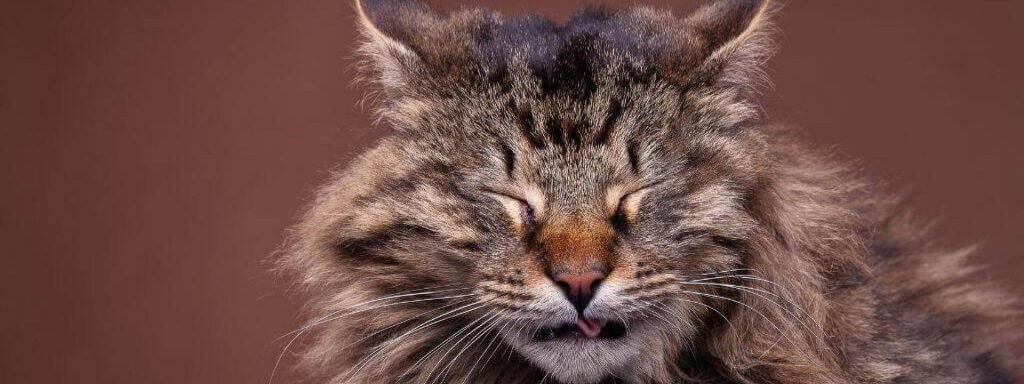
Have you ever noticed your cat suddenly sneeze and wondered why it happens? Sneezing in cats might seem cute or odd, but it can tell you a lot about your furry friend’s health.
If you want to understand what causes your cat to sneeze and when you should be concerned, you’re in the right place. Keep reading to discover the surprising reasons behind your cat’s sneezes and what you can do to keep them happy and healthy.
Credit: saratogavethosp.com
Common Causes Of Cat Sneezing
Cats sneeze due to allergies, dust, or strong smells irritating their nose. Infections and respiratory issues also cause sneezing in cats.
Cats sneeze for a variety of reasons, just like humans do. It’s important to understand the common causes of sneezing in cats to keep them healthy and comfortable. Whether it’s a simple reaction to dust or a sign of something more serious, recognizing the reasons behind your cat’s sneezes can guide you in taking the right action.Allergies And Irritants
Cats, much like people, can have allergies. Common allergens include pollen, mold, and dust. If your cat sneezes often, it might be reacting to something in the environment. Pay attention to your cat’s surroundings. Is there a new cleaning product or a strong scent in the air? Even scented candles and air fresheners can trigger sneezing in sensitive felines. A friend of mine realized her cat was sneezing every time she lit her favorite lavender candle. Eliminating the candle stopped the sneezing. Could your home be harboring an irritant?Infections And Viruses
Upper respiratory infections are another frequent cause of sneezing in cats. These infections can be viral or bacterial. Common viruses like feline herpesvirus or feline calicivirus are culprits. They spread easily, especially in multi-cat households. If your cat’s sneezing is accompanied by other symptoms like discharge from the eyes or nose, lethargy, or loss of appetite, it might be dealing with an infection. Consult your vet promptly.Foreign Objects In The Nose
Sometimes, a curious cat might inhale a tiny foreign object. This could be anything from a blade of grass to a small piece of litter. If your cat suddenly starts sneezing without any apparent reason, check if something might be lodged in its nasal passage. I once witnessed a cat that couldn’t stop sneezing because it had a small piece of feather stuck in its nose. A quick visit to the vet resolved the issue immediately. Could a similar situation be affecting your furry friend? Understanding these common causes can ensure your feline companion stays healthy and happy. Observing your cat’s behavior and environment is key to determining the cause of its sneezing. What steps can you take today to make your home a sneeze-free zone for your cat?Unusual Reasons Behind Sneezing
Sneezing in cats might seem straightforward, but sometimes it points to unusual causes you wouldn’t expect. Understanding these lesser-known reasons can help you spot problems early and seek the right care. Let’s dive into some surprising triggers behind your cat’s sneezing fits.
Dental Issues
Did you know dental problems can cause your cat to sneeze? Infections in the teeth or gums can spread to the nasal passages, leading to irritation and sneezing. If your cat has bad breath, swollen gums, or difficulty eating, it might be time for a dental checkup.
Ignoring dental health could allow the infection to worsen, making sneezing more frequent or severe. Have you noticed your cat pawing at their mouth or drooling more than usual? These signs often go hand-in-hand with sneezing caused by dental issues.
Nasal Tumors
Although rare, nasal tumors can cause sneezing in cats. These growths can block nasal passages or cause inflammation, leading to persistent sneezing and sometimes nasal discharge. If your cat’s sneezing doesn’t improve with typical treatments, a vet visit is essential to rule out this serious condition.
Persistent sneezing combined with nosebleeds or facial swelling could be warning signs. How long has your cat been sneezing nonstop? Tracking these details will help your vet diagnose the issue faster.
Environmental Factors
Environmental triggers often fly under the radar but play a big role in cat sneezing. Dust, pollen, strong perfumes, or cigarette smoke can irritate your cat’s sensitive nose. Even a new type of cat litter or cleaning product might cause sneezing spells.
Try observing when your cat sneezes the most. Is it after you clean the house or bring in fresh flowers? Making simple changes like improving ventilation or switching to unscented products can reduce sneezing dramatically.
When Sneezing Signals A Problem
Sneezing is common in cats and usually not serious. It helps clear the nose from dust or small irritants. But sometimes, sneezing means your cat may have a health problem. Knowing when sneezing signals a problem is important for your cat’s well-being.
Persistent Or Severe Sneezing
Frequent sneezing lasting more than a few days can be a sign of illness. Sneezing that is very strong or happens in bursts needs attention. It may show an infection, allergy, or foreign object in the nose.
Accompanying Symptoms To Watch For
- Clear or colored nasal discharge
- Coughing or wheezing sounds
- Swelling around the nose or eyes
- Eye redness or discharge
- Difficulty breathing
These signs together with sneezing suggest your cat needs a vet checkup. Ignoring them can lead to serious health issues.
Changes In Behavior Or Appetite
Look for signs like tiredness, hiding, or less playfulness. Loss of appetite or drinking less water also shows something is wrong. Sick cats may avoid their usual activities and sleep more than normal.
Changes in mood or habits combined with sneezing call for prompt veterinary advice.
Credit: www.perfect-fit.co.uk
Home Care And Remedies
Caring for a sneezing cat at home involves more than just offering comfort. It requires attention to the environment and simple remedies that can reduce irritation and promote healing. Understanding how to manage your cat’s surroundings can make a big difference in their sneezing episodes.
Cleaning And Air Quality Tips
Dust and strong odors often trigger sneezing in cats. Regularly vacuum your home using a vacuum with a HEPA filter to trap tiny particles.
Wash your cat’s bedding frequently to remove dust mites and dander.
Try opening windows for fresh air, but only if outdoor allergens like pollen are low.
Have you noticed your cat sneezing more on certain days? It might be linked to poor air quality in your home.
Safe Use Of Humidifiers
Dry air can irritate your cat’s nose and throat, making sneezing worse. A humidifier adds moisture to the air, soothing your cat’s nasal passages.
Choose a cool-mist humidifier to avoid burns and keep it clean to prevent mold growth.
Place the humidifier away from your cat’s food and water bowls to avoid spills and contamination.
Have you checked the humidity level in your home? Aim for around 40-50% for your cat’s comfort.
Avoiding Common Allergens
Cats can react to many allergens in the home, such as cigarette smoke, strong perfumes, and certain cleaning products.
Use pet-safe, fragrance-free cleaners to reduce the risk of irritation.
Keep your cat away from areas where you use sprays or aerosols.
Think about any recent changes in your home that might have introduced new allergens affecting your cat’s sneezing.
When To See A Vet
Not every cat sneeze is a reason to panic, but knowing when to see a vet can make a big difference in your feline’s health. Sneezing might be a simple irritation or a sign of a more serious issue. If you notice your cat’s sneezing is frequent, accompanied by other symptoms, or just unusual for them, it’s time to consider professional advice.
Diagnostic Tests And Treatments
When you bring your cat to the vet for persistent sneezing, they’ll likely start with a physical exam. The vet may check your cat’s nose, throat, and eyes for infections or foreign objects.
Diagnostic tests might include:
- Nasal swabs to identify infections
- X-rays to look for blockages or tumors
- Blood tests to detect underlying conditions
Treatments depend on the cause. Your cat could need antibiotics for bacterial infections, antihistamines for allergies, or even surgery if there’s a blockage. Timely diagnosis can prevent complications and get your cat feeling better fast.
Managing Chronic Conditions
If your cat sneezes regularly due to allergies or chronic infections, managing the condition is key. Your vet may suggest lifestyle changes like air purifiers or hypoallergenic diets to reduce triggers.
Regular medications or nasal sprays could become part of your cat’s routine. It’s important to keep track of symptoms and communicate with your vet to adjust treatments as needed.
Have you noticed certain environments or seasons make your cat sneeze more? Sharing these details with your vet can help tailor a better care plan.
Emergency Situations
Some sneezing episodes need urgent vet attention. If your cat’s sneezing is sudden and severe, especially with bleeding, difficulty breathing, or swelling, don’t wait.
These signs could indicate serious problems like nasal trauma or severe infections. Acting quickly can save your cat from worsening conditions.
Remember, your instinct as a cat parent is important. If something feels off, trust it and seek veterinary care immediately.

Credit: www.purina.com
Frequently Asked Questions
Why Do Cats Sneeze Frequently?
Cats sneeze frequently due to irritants like dust, pollen, or strong smells. Sneezing helps clear their nasal passages. It can also signal infections or allergies, so monitor your cat’s health and consult a vet if sneezing persists or worsens.
Can Cat Sneezing Indicate Illness?
Yes, sneezing in cats can indicate respiratory infections, allergies, or dental issues. Persistent sneezing might mean your cat needs veterinary care. Early diagnosis helps prevent complications and promotes faster recovery.
How To Treat A Sneezing Cat At Home?
Keep your cat’s environment clean and free from irritants. Use a humidifier to soothe nasal passages. Ensure your cat stays hydrated and comfortable. If sneezing continues for more than a few days, seek veterinary advice.
When Should I Worry About My Cat’s Sneezing?
Worry if sneezing is frequent, accompanied by discharge, coughing, or lethargy. These signs may indicate infections or allergies needing medical attention. Immediate vet consultation is important to diagnose and treat underlying issues.
Conclusion
Cats do sneeze just like people do. It can happen from dust, allergies, or a cold. Most sneezes are not serious and stop quickly. Watch your cat if sneezing lasts long or gets worse. A vet can help if your cat feels sick or shows other signs.
Keep your cat’s nose clean and environment fresh. Understanding why cats sneeze helps you care for them better. Keep an eye on your furry friend and stay calm. Sneezing is normal, but your cat’s health always matters.
