

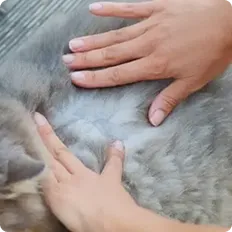
Have you noticed your cat scratching more than usual or shaking its fur? It might not just be an itch—your furry friend could have fleas.
These tiny pests cause discomfort and can lead to bigger health problems if left unchecked. But how do you know for sure if your cat has fleas? You’ll learn the simple signs to watch for and easy ways to check your pet.
Keep reading to protect your cat and bring back its happy, itch-free days.
Common Flea Symptoms
Cats with fleas often scratch or bite their skin more than usual. You might notice small red bumps, hair loss, or tiny black specks on their fur. Restlessness and constant grooming can also signal a flea problem.
Cats can be mysterious creatures. But when they have fleas, they often show clear signs. Understanding these symptoms can help you take action quickly. Let’s explore some common symptoms indicating a flea problem.Excessive Scratching
Cats scratch to relieve itchiness. But constant scratching is a red flag. Fleas bite, causing irritation. Your cat may scratch more than usual. This can lead to skin damage.Red Or Irritated Skin
Flea bites can make a cat’s skin red. Look for patches of irritated skin. These areas may feel warm to the touch. Irritated skin can lead to infections if untreated.Hair Loss Patches
Fleas can cause hair loss in cats. You might notice bald spots. These patches often appear around the neck or tail. Hair loss happens due to intense scratching and biting.Flea Dirt Appearance
Flea dirt looks like black specks. Check your cat’s fur for these tiny dots. Flea dirt is actually flea feces. It can be seen on your cat’s skin or bedding. Recognizing these symptoms helps in early flea detection. This ensures your cat remains healthy and happy. Always consult a vet for proper treatment if needed.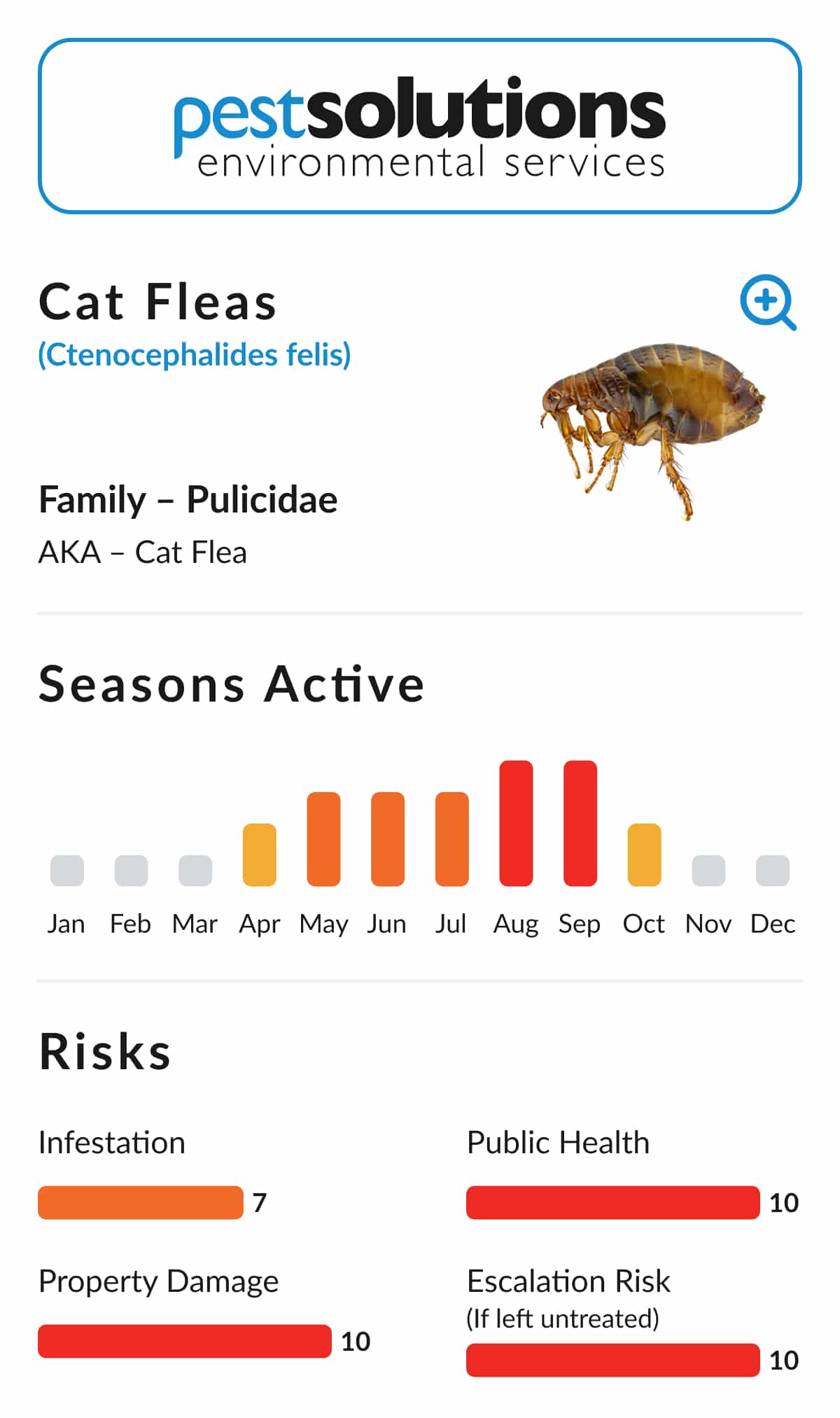
Credit: www.pestsolutions.co.uk
Checking Your Cat’s Fur
Checking your cat’s fur is one of the simplest and most effective ways to spot fleas early. Cats often hide their discomfort well, so a close look at their coat can reveal clues you might miss otherwise. Regularly inspecting your cat’s fur can save you from a bigger flea problem down the road.
Using A Flea Comb
A flea comb is a handy tool designed with very fine teeth to catch fleas and their eggs. Gently comb through your cat’s fur, especially around the neck and tail where fleas love to hide. You might be surprised how many tiny pests a quick combing session can uncover.
After combing, tap the comb on a white paper towel to check for any fleas or debris. This simple step helps you see what you’ve caught clearly. Have you ever tried this and felt relief spotting just a few fleas before they multiplied?
Spotting Flea Dirt
Flea dirt looks like tiny black specks scattered in your cat’s fur. It’s actually flea feces, made up of digested blood. To test if it’s flea dirt, place some specks on a damp paper towel—if it turns reddish-brown, you’ve found flea dirt.
Keep an eye on areas with less fur, like the belly or behind the ears, where flea dirt often collects. This dirt is a strong sign of an active flea infestation even if you don’t see the fleas themselves. Would you expect such tiny clues to reveal so much?
Identifying Adult Fleas
Adult fleas are small but visible if you look carefully. They move quickly, are brownish, and about the size of a sesame seed. Part your cat’s fur and watch closely—sometimes a quick flick of the tail can help flush them out.
Don’t be discouraged if you don’t see adult fleas immediately. They’re masters at hiding in thick or long fur. How often do you think your cat’s fur needs checking to catch these tiny invaders in time?
Behavioral Changes
Cats with fleas often show clear changes in behavior. These shifts can help spot the problem early. Watch your cat closely for signs that something is wrong. Small changes in how your cat acts might mean fleas are present.
Restlessness And Agitation
A cat with fleas may become restless. It may pace or move around more than usual. Agitation happens because fleas cause itching and discomfort. The cat may seem unable to settle down or relax. Watch for sudden bursts of energy or unusual movements.
Frequent Grooming
Cats usually groom themselves often. Fleas cause extra itching, so grooming increases. The cat may lick or scratch specific areas more. Pay attention to spots like the neck, tail base, and belly. Excessive grooming can lead to hair loss or skin redness.
Biting Or Licking
Fleas make cats bite or lick their fur intensely. This behavior tries to remove the pests or soothe the skin. Biting may cause small wounds or scabs. Notice if your cat bites or licks the same place repeatedly. This could indicate flea irritation or a flea allergy.
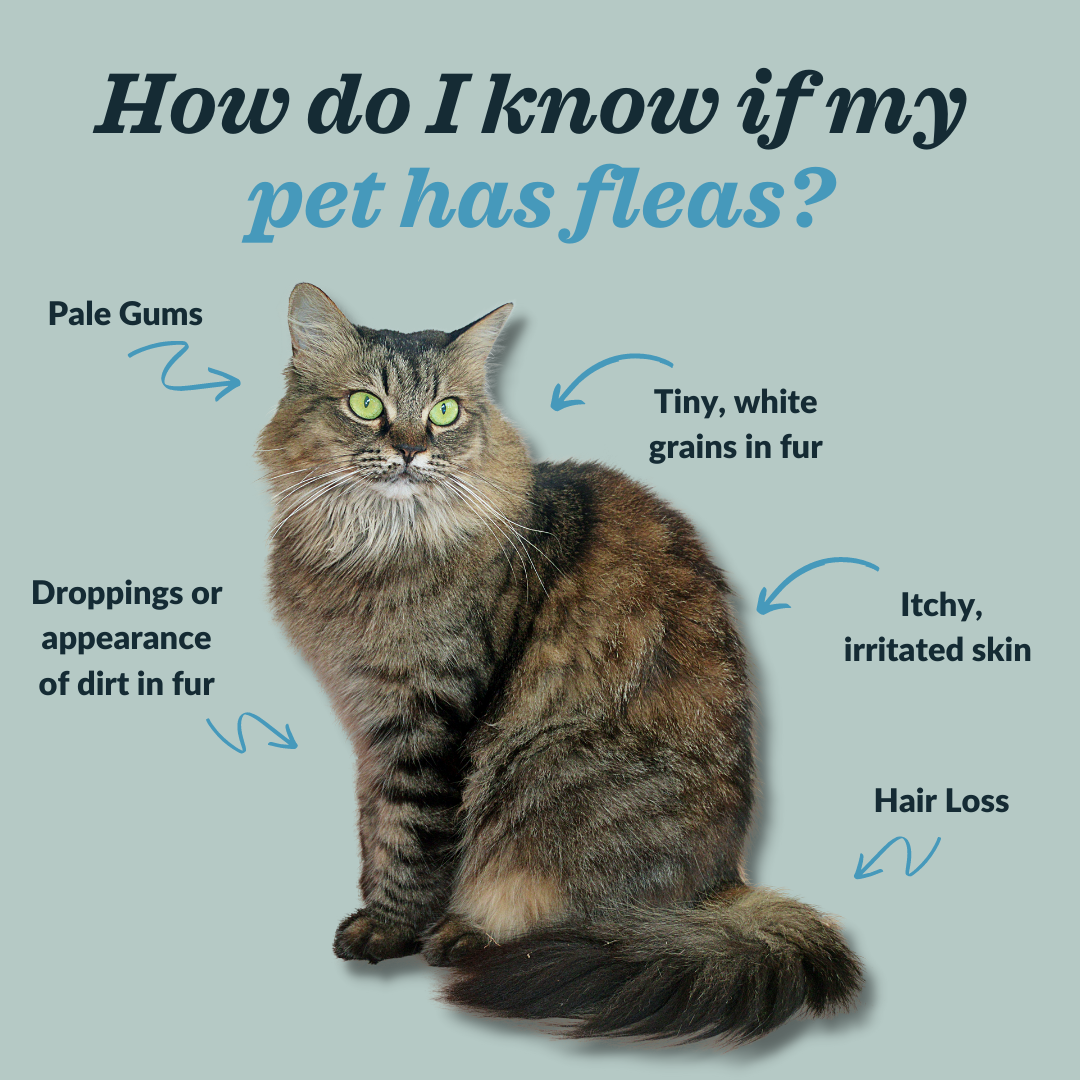
Credit: feederspetsupply.com
Inspecting Your Cat’s Environment
Inspecting your cat’s environment is a crucial step in identifying if fleas have made themselves at home. Fleas don’t just live on your cat; they can hide in the places where your cat spends most of its time. By checking these areas carefully, you can catch an infestation early and stop it from spreading.
Cleaning Bedding And Areas
Your cat’s bedding is one of the most common flea hideouts. Wash all blankets, pillows, and cushions in hot water to kill fleas and their eggs. Vacuum the surrounding floor and furniture thoroughly, then dispose of the vacuum bag or empty the canister outside to prevent fleas from returning.
Have you noticed your cat scratching more in its favorite resting spots? This could be a sign that fleas are lurking there. Regular cleaning of these areas can make a big difference.
Looking For Flea Eggs And Larvae
Flea eggs are tiny, white, and almost invisible to the naked eye. You can find them sprinkled in your cat’s bedding, carpets, and cracks in the floor. Use a flashlight and a magnifying glass to inspect these areas closely.
Larvae look like small, white worms and tend to hide deep in fabric folds or carpet fibers. Spotting these early stages means you can act before adult fleas multiply, saving your cat from discomfort and your home from infestation.
Preventing Infestation
Prevention is easier than treatment. Regularly clean your cat’s environment and maintain a flea control routine with vet-recommended treatments. Don’t forget to inspect your home often, especially after your cat has been outside or in contact with other animals.
Could a simple habit, like vacuuming twice a week or washing bedding more often, protect your pet? Small changes in your cleaning routine can keep your cat flea-free and happy.
When To Visit The Vet
Knowing when to take your cat to the vet for flea issues can save your furry friend from unnecessary pain and complications. Fleas are more than just a nuisance; they can cause serious health problems if left untreated. Recognizing the signs that require professional care helps you act quickly and effectively.
Severe Skin Issues
If your cat’s skin looks raw, swollen, or has open sores, it’s time to visit the vet. Persistent scratching can lead to infections that need medical treatment. You might notice scabs, hair loss, or redness—these are not normal signs and should not be ignored.
Allergic Reactions
Some cats develop flea allergy dermatitis, a painful reaction to flea bites. Does your cat seem extra itchy or restless, even after you’ve tried removing fleas? If you see swelling, intense redness, or patches of missing fur, your cat may be allergic and require vet-prescribed medication.
Persistent Flea Problems
Have you tried flea treatments but fleas keep coming back? This could mean the fleas are resistant, or your cat needs a stronger treatment plan. A vet can offer solutions that are safe and more effective, preventing the cycle from continuing endlessly.

Credit: www.furrytail.com
Frequently Asked Questions
How Can I Tell If My Cat Has Fleas?
Look for excessive scratching, red bumps, or hair loss. Check for tiny black specks (flea dirt) on fur. Fleas cause restlessness and skin irritation in cats.
What Are Common Flea Symptoms On Cats?
Cats with fleas often show itching, redness, and scabs. You may see flea dirt or live fleas. Hair thinning and skin infections can also appear.
Can Flea Dirt Confirm If My Cat Has Fleas?
Yes, flea dirt looks like tiny black specks on your cat’s skin. It’s flea feces made of digested blood. Wet the specks; if they turn reddish, it’s flea dirt.
How Soon Do Fleas Show On A Cat?
Fleas can be noticed within days after infestation. Cats start itching and grooming excessively. Visible fleas or flea dirt appear quickly with a heavy infestation.
Conclusion
Cats with fleas often scratch and bite their fur. Small dark spots or flea dirt may appear on their skin. Checking your cat regularly helps catch fleas early. Treating fleas quickly keeps your cat happy and healthy. Clean your cat’s bedding and home to stop fleas.
Remember, a little care goes a long way. Protect your cat from discomfort and skin problems. Stay alert and act fast to keep fleas away.
