

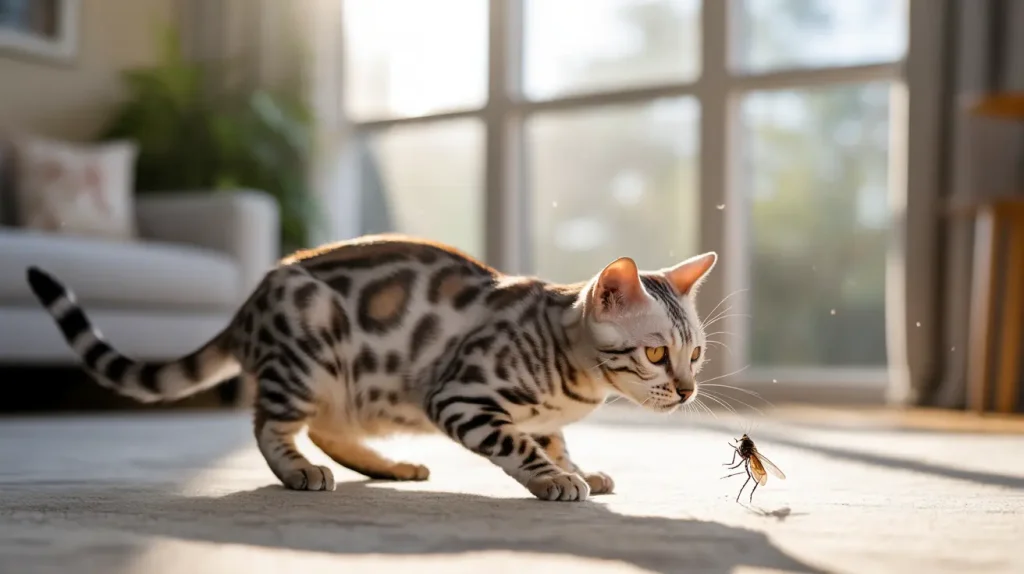
Have you ever caught your cat pouncing on a buzzing fly and wondered, “Do cats really eat flies?” It’s a curious sight that many cat owners have seen but don’t fully understand. You might be asking yourself if this behavior is normal, safe, or even healthy for your furry friend.
If you want to know why your cat chases those tiny insects and what happens when they catch them, you’re in the right place. Keep reading to discover the surprising truth behind your cat’s fly-catching habits and how it affects their health and happiness.
Credit: www.petscare.com
Cats And Their Hunting Instincts
Cats often chase and eat flies due to their natural hunting instincts. Small, moving insects like flies attract their attention and satisfy their need to hunt. This behavior is common and helps keep cats mentally and physically active.
Cats and Their Hunting Instincts Cats are natural-born hunters. Even if your feline friend spends their days lounging on the couch, their predatory instincts are always on alert. This innate behavior is why you might often find them stalking shadows or pouncing on seemingly invisible targets.Natural Predators At Home
Your home is more than just a cozy spot for your cat; it’s their hunting ground. Cats see each room as a potential territory filled with prey. Whether it’s a small insect or a toy on the floor, they’re ready to chase and catch. This behavior can be fascinating to watch. Have you ever noticed your cat suddenly dart across the room to catch a fly? It’s their instincts kicking in, transforming them from a lazy pet to a fierce hunter.Why Flies Attract Cats
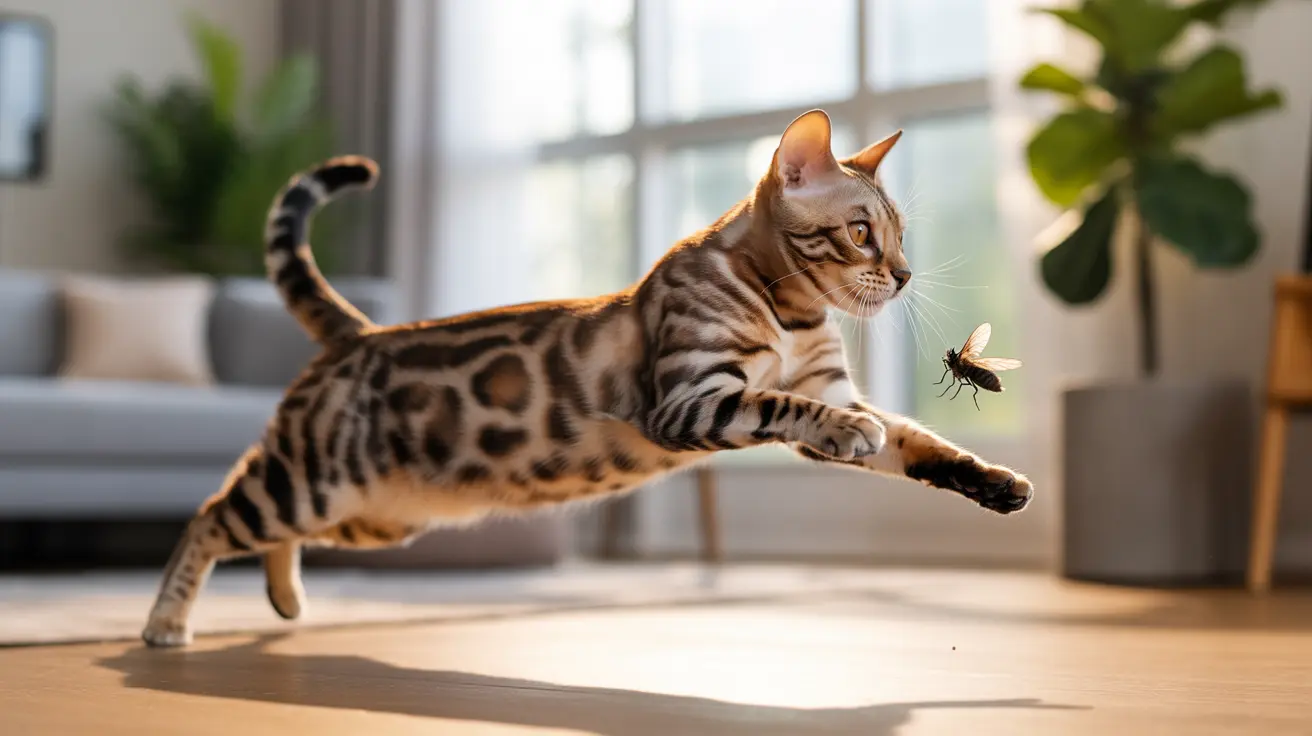
Flies are a common target for cats because they are small, fast, and unpredictable. These traits make flies an exciting challenge for cats’ quick reflexes. The buzzing sound of a fly can be particularly enticing. It stimulates their curiosity and urges them to investigate and, ultimately, to hunt. Watching your cat chase a fly can remind you of their wild ancestors. This behavior is a small glimpse into their history as agile predators. Have you ever wondered if your cat’s fly-catching skills are a reflection of their past?
Credit: www.reddit.com
Do Cats Actually Eat Flies?
Cats are known for their curious nature and quick reflexes. One common question is whether cats actually eat flies. Many cat owners have seen their pets chase flies around the room. But do these playful chases end with a snack? Understanding this behavior helps pet owners know more about their cats’ habits and health.
Common Cat Behavior
Cats often chase small moving objects. Flies attract their attention due to quick movements. This chase is part of their natural hunting instinct. Cats use this play to practice skills needed in the wild. Many cats will catch flies but not always eat them. Sometimes, they just enjoy the fun of the hunt.
Occasional Vs. Regular Eating
Some cats may eat flies occasionally. This usually happens when the fly is caught easily. Eating a fly now and then is not harmful. It can provide a small source of protein. However, regular eating of flies is rare. Most cats do not rely on flies for food. Frequent fly eating might indicate boredom or lack of proper diet.
Health Implications Of Eating Flies
Cats often catch and eat flies out of curiosity or hunting instinct. This behavior may affect their health in different ways. Understanding the health implications helps cat owners stay aware and cautious.
Potential Risks
Eating flies can expose cats to harmful bacteria and parasites. Flies may carry germs picked up from trash or dirty surfaces. These germs can cause stomach upset or infections in cats. Some flies might have been in contact with pesticides, which are toxic if ingested. Small flies could cause choking or digestive blockage in rare cases. Watch for symptoms like vomiting, diarrhea, or lethargy after your cat eats flies.
Benefits Of Natural Pest Control
Flies are annoying pests in many homes. Cats eating flies can help reduce their numbers naturally. This behavior lowers the need for chemical sprays or traps. It also satisfies a cat’s hunting instincts, keeping them active and engaged. Natural pest control by cats is safe and eco-friendly. It creates a cleaner environment without toxic substances.
How To Manage Fly Encounters Safely
Managing your cat’s encounters with flies is important for both their safety and your peace of mind. While cats often enjoy the chase, flies can carry germs or even sting. You want to keep your pet entertained without risking their health.
Keeping Your Home Fly-free
Start by reducing the number of flies in your living space. Clean up food crumbs and spills promptly, as these attract flies. Use screens on windows and doors to prevent them from coming inside.
Consider natural fly repellents like basil or lavender plants near entry points. These herbs don’t harm your cat and help keep flies away. Have you noticed how some scents your cat loves can also keep pests at bay?
Safe Alternatives To Hunting
If your cat loves to chase flies, provide safer options to satisfy this urge. Use interactive toys like feather wands or laser pointers. These mimic the movement of insects without the risks.
Another idea is puzzle feeders that engage their hunting instincts while rewarding them with treats. This keeps your cat busy and reduces their interest in real flies. Have you tried swapping out real prey for a toy and seen your cat’s reaction?
When To Worry About Your Cat’s Diet
Noticing your cat eating flies might seem harmless or even amusing at first. However, it’s important to pay attention to their overall diet and health. Sometimes, unusual eating habits can signal underlying problems that need your attention.
Signs Of Digestive Issues
Watch for changes in your cat’s bathroom habits. Diarrhea, vomiting, or constipation can indicate digestive trouble.
Loss of appetite or sudden weight loss are red flags you shouldn’t ignore. Your cat might also seem lethargic or uncomfortable after eating.
Sometimes, cats may cough or gag if they’ve swallowed something unusual, like a fly, that irritates their throat or stomach. Have you noticed your cat acting restless or licking their lips excessively? These subtle signs can reveal discomfort.
Consulting A Veterinarian
Don’t hesitate to reach out to your vet if you spot any worrying signs. A professional can run tests to check for parasites, allergies, or infections that might be causing dietary issues.
Be ready to describe your cat’s eating habits in detail, including the fly-eating. Vets appreciate clear information to provide the best care.
Regular check-ups can prevent minor issues from becoming serious. If your cat’s diet seems off, asking a vet could save you stress and your pet from discomfort.

Credit: www.reddit.com
Frequently Asked Questions
Do Cats Naturally Eat Flies?
Yes, cats often chase and eat flies as part of their natural hunting instinct. It provides mental stimulation and exercise.
Are Flies Safe For Cats To Eat?
Generally, flies are safe for cats in small amounts. However, flies can carry bacteria or pesticides, so moderation is important.
Why Do Cats Like Chasing Flies?
Cats enjoy chasing flies because it mimics hunting behavior. The quick, erratic movements of flies trigger their predatory instincts.
Can Eating Flies Harm My Cat?
Eating a few flies rarely harms cats. But consuming too many or contaminated flies may cause digestive upset or illness.
Conclusion
Cats often chase and eat flies out of curiosity and fun. This behavior helps keep your home free of small pests. Eating a few flies usually does not harm cats. Still, watch for signs if your cat seems sick afterward.
Understanding this habit can help you care better for your pet. Cats are natural hunters, and flies are just part of their play. Enjoy their playful moments but keep an eye on their health. Simple care keeps your cat happy and safe.
