

If you have a cat, you want to keep it healthy and happy. One of the best ways to do that is by making sure your furry friend gets the right vaccines at the right time.
But how often do cats really need vaccines? It’s a question every cat owner should know the answer to. Getting this wrong could put your pet at risk or lead to unnecessary visits to the vet. You’ll discover exactly when and why your cat needs vaccines, helping you protect your beloved companion with confidence.
Keep reading to learn the simple steps that can keep your cat safe for years to come.
Cat Vaccination Basics
Understanding how often your cat needs vaccines can seem overwhelming, but it’s essential for keeping your feline friend healthy. Vaccinations play a critical role in preventing serious diseases. Knowing the basics of cat vaccination can help you make informed decisions about your pet’s health care.
Core Vaccines For Cats
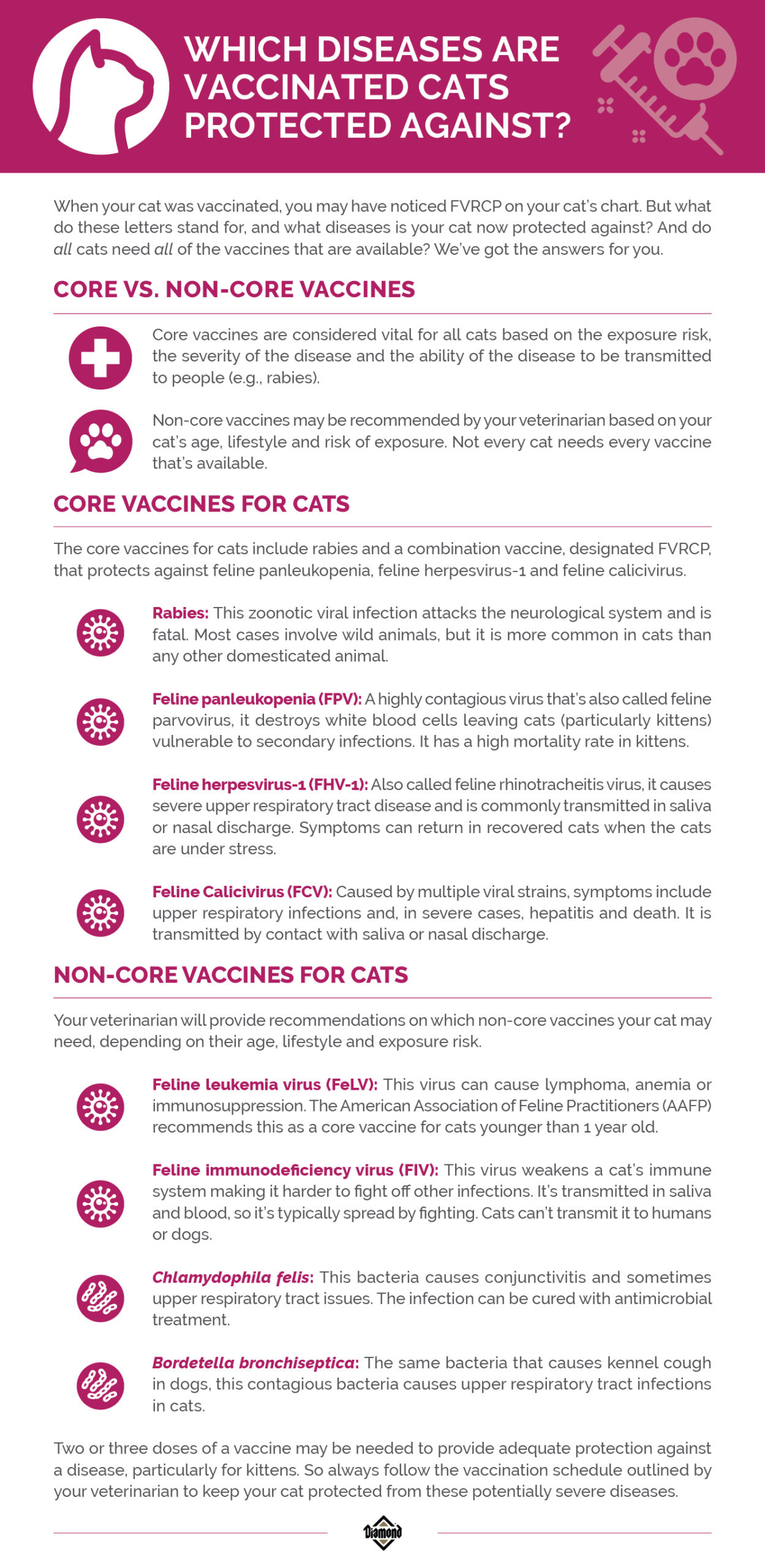
Core vaccines are essential for all cats, regardless of their lifestyle. These vaccines protect against diseases that are widespread and potentially fatal. The most common core vaccines include:
- Feline Panleukopenia (FPV):This highly contagious virus affects a cat’s immune system. Vaccination is crucial as it can be deadly.
- Feline Herpesvirus (FHV-1) and Calicivirus (FCV):These viruses cause upper respiratory infections. Even indoor cats are at risk, making vaccination important.
- Rabies:A fatal disease that affects the nervous system. Some regions require rabies vaccination by law, even for indoor cats.
These vaccines are typically administered in a combination shot known as FVRCP, which includes protection against Feline Viral Rhinotracheitis (FVR), Calicivirus (C), and Panleukopenia (P).
Non-core Vaccines Explained
Non-core vaccines are optional and depend on your cat’s lifestyle and exposure risk. They are recommended based on specific health needs and geographical factors. Discuss with your vet whether these vaccines are necessary for your cat:
- Feline Leukemia Virus (FeLV):This is highly recommended for cats that go outdoors or live with other cats. It’s a leading cause of illness and death in cats.
- Bordetella:This vaccine is typically recommended for cats that are boarded or live in multi-cat environments.
- Chlamydophila felis:Causes conjunctivitis and respiratory issues. This vaccine is often advised for cats in shelters or breeding colonies.
To determine the best vaccination schedule, consider your cat’s age, health, and lifestyle. Your veterinarian can provide personalized advice to ensure your cat stays protected. When did you last review your cat’s vaccination schedule? It’s a good time to check!

Credit: millsanimalhospital.com
Vaccination Schedule For Kittens
Setting up a proper vaccination schedule for kittens is crucial to protect them from various infectious diseases. Kittens have developing immune systems, so timing their vaccines correctly helps build strong defenses early on. Understanding when and why these shots happen can make a big difference in your kitten’s health journey.
Initial Shots Timeline
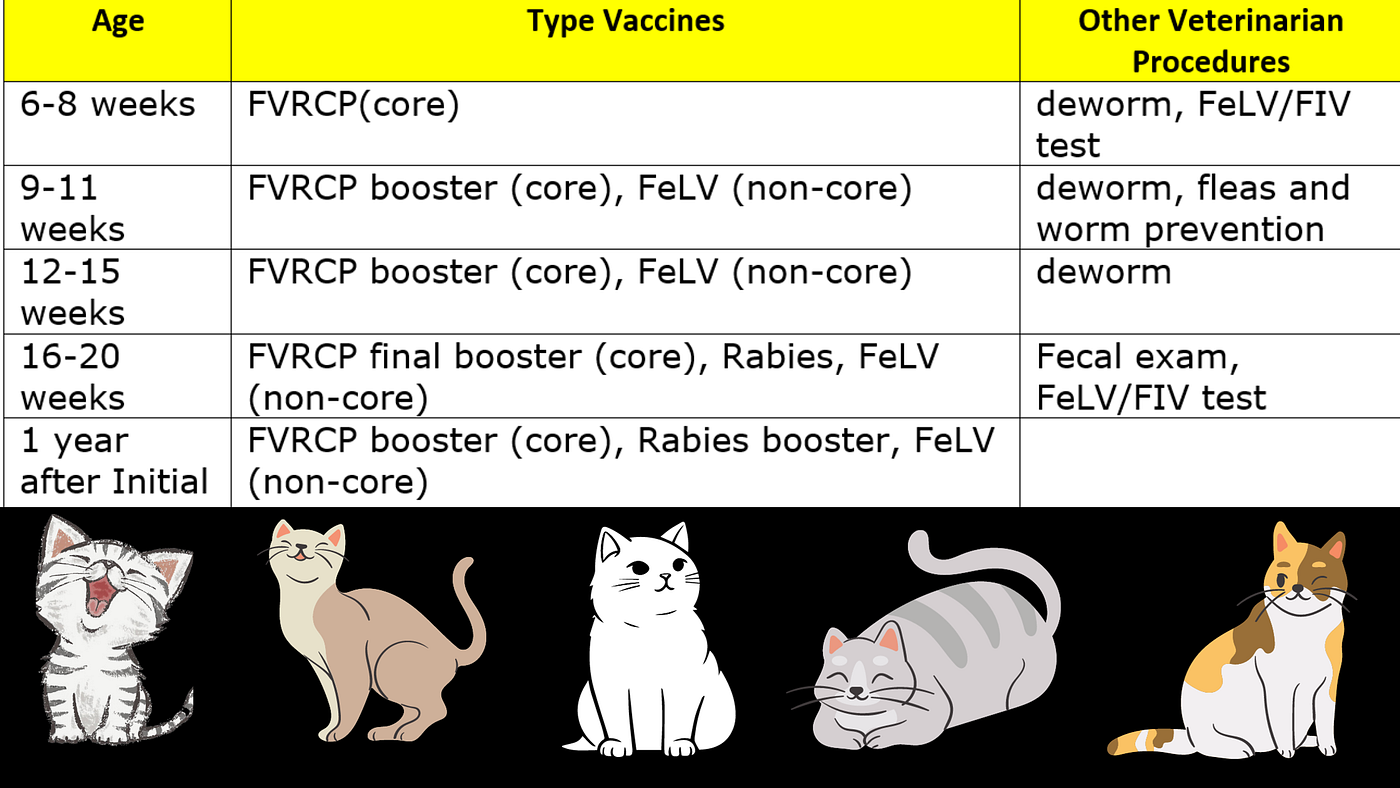
Kittens usually start their vaccinations at around 6 to 8 weeks old. These first shots often include vaccines against feline distemper, calicivirus, and rhinotracheitis, which are common and potentially serious illnesses.
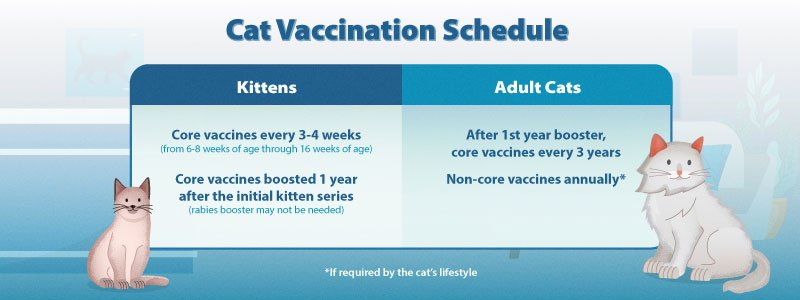
After the initial vaccine, your kitten will need additional shots every 3 to 4 weeks until they reach about 16 weeks of age. This series of vaccinations ensures their immune system gets the boost it needs to develop lasting protection.
Missing or delaying these initial shots can leave your kitten vulnerable during a critical growth phase. Have you scheduled your kitten’s first vet visit yet? It’s the perfect time to ask about the exact timing for these vaccines based on your kitten’s health.
Booster Shots Importance
After the initial series, booster shots are essential to keep your kitten protected as they grow into adulthood. These boosters help maintain immunity against diseases your kitten has already been vaccinated for.
Typically, boosters are given one year after the initial series, then every 1 to 3 years depending on the vaccine and your vet’s advice. Skipping boosters can reduce vaccine effectiveness, which might increase the risk of illness.
Think of boosters as a reminder for your kitten’s immune system to stay alert. How often does your vet recommend boosters? Keeping this schedule can save you from unexpected vet visits and keep your cat happy and healthy.
Adult Cat Vaccination Frequency
Adult cat vaccination frequency varies based on health, lifestyle, and vaccine type. Vaccines protect cats from serious diseases. Keeping up with vaccines helps maintain your cat’s health. Understanding how often adult cats need vaccines avoids under or over-vaccination.
Yearly Vs. Triennial Vaccines
Some vaccines require yearly boosters. Others last three years or more. Core vaccines often have longer protection. Non-core vaccines might need yearly updates.
- Yearly vaccines protect against diseases with high risk.
- Triennial vaccines provide long-term immunity for core diseases.
- Your vet decides the best schedule based on your cat’s needs.
Factors Affecting Vaccination Needs
Several factors influence how often your cat needs vaccines.
- Age:Older cats may need fewer vaccines.
- Health status:Sick or immunocompromised cats require special plans.
- Indoor vs. outdoor:Outdoor cats face higher risks.
- Exposure:Cats living with others may need more protection.
- Vet recommendations:Personalized advice ensures proper care.
Special Cases For Vaccination
Vaccination schedules for cats aren’t one-size-fits-all. Different lifestyles and ages mean your feline friend might need a tailored approach. Understanding these special cases can help you protect your cat better and avoid unnecessary shots.
Outdoor Cats
Cats that spend time outside face higher risks of catching contagious diseases. They encounter other animals, insects, and environments that may carry viruses or bacteria. Because of this, outdoor cats often need more frequent boosters for vaccines like rabies, feline leukemia, and respiratory infections.
If your cat prowls the neighborhood or enjoys outdoor adventures, talk to your vet about a strict vaccination plan. It’s better to be safe than sorry when exposure is unpredictable. Have you noticed any new friends or foes your outdoor cat meets? That can affect vaccine choices.
Indoor Cats
Indoor cats usually have lower exposure to infectious agents. Many owners assume these cats don’t need as many vaccines, but some core vaccines remain essential. Vaccines against diseases like panleukopenia, calicivirus, and rhinotracheitis are still recommended, though boosters may be spaced out more.
Still, no home is completely sealed off from germs. Visitors, other pets, or even your shoes can bring in risks. Consider your cat’s specific environment and habits before cutting back on vaccines.
Senior Cats
Older cats may have different vaccination needs due to changes in their immune system. Some vaccines might be less effective or riskier for senior cats with health issues. Your vet can assess your cat’s health and decide which vaccines are necessary and when.
Keeping a senior cat’s vaccinations up to date can improve their quality of life, but it’s also important not to overdo it. Have you checked if your older cat has any conditions that require special vaccine considerations? These details make a big difference in care.
Vaccine Safety And Side Effects
Vaccines play a crucial role in protecting your cat from serious diseases. Understanding vaccine safety and potential side effects can help you feel more confident about the vaccination process. While vaccines are generally safe, being aware of what to expect after your cat receives one allows you to watch closely and act quickly if needed.
Common Reactions
Most cats tolerate vaccines well, but mild side effects can happen. These may include:
- Swelling or tenderness at the injection site
- Temporary tiredness or sleepiness
- Slight fever or reduced appetite for a day or two
These reactions usually disappear quickly without any treatment. I once noticed my cat was a bit quiet and cuddly after her shot, but she bounced back by the next day. Small changes in behavior or mild discomfort are normal and rarely cause concern.
When To Contact A Vet
Some vaccine reactions require immediate attention. You should contact your vet if your cat shows:
- Difficulty breathing or wheezing
- Swelling around the face, mouth, or throat
- Persistent vomiting or diarrhea
- Severe lethargy lasting more than 24 hours
- Hives or itching all over the body
These symptoms might indicate an allergic reaction, which can be serious. Have you ever wondered how quickly you should act if your cat seems unwell after vaccination? Knowing when to seek help can make a big difference in your cat’s recovery.
Credit: medium.com
Benefits Of Regular Vaccination
Keeping your cat’s vaccines up to date does more than just protect them from illness. Regular vaccination builds a strong defense that helps your feline friend live a healthier, longer life. It also plays a crucial role in safeguarding other pets and even people around you.
Disease Prevention
Vaccines shield your cat from serious diseases like feline leukemia, rabies, and distemper. These illnesses can be life-threatening and expensive to treat. By vaccinating, you reduce the risk of your cat falling ill and needing emergency care.
Think about a time when a neighbor’s unvaccinated cat brought home a contagious virus. It quickly spread to others in the area, causing stress and vet visits. Avoiding such scenarios is possible with regular vaccinations.
Community Health Impact
Your cat’s vaccinations help protect the whole community. When most cats are vaccinated, the spread of contagious diseases slows down or stops entirely. This concept, known as herd immunity, keeps vulnerable animals and humans safer.
Imagine a community where everyone vaccinates their pets. Disease outbreaks become rare, and even unvaccinated animals have a better chance of staying healthy. Isn’t that a reason to keep your cat’s vaccines current?
- Protects other pets from catching diseases
- Reduces the risk of zoonotic diseases passing to humans
- Contributes to public health and safety
Consulting Your Veterinarian
Consulting your veterinarian is essential for your cat’s health. They know the best vaccine schedule for your pet. Every cat has different needs based on age, lifestyle, and health. A vet’s advice helps keep your cat safe from diseases without over-vaccinating.
Personalized Vaccine Plans
Your veterinarian creates a vaccine plan just for your cat. They consider factors like outdoor access and exposure to other animals. Cats that stay indoors may need fewer vaccines than outdoor cats. The vet also checks your cat’s health before each shot. This ensures the vaccine is safe and effective.
Keeping Vaccination Records
Keep a detailed record of your cat’s vaccines. Your vet provides a vaccination card or booklet. This record shows which vaccines your cat has had and when. It helps track booster shots and avoid missing important vaccines. Always bring this record to vet visits for quick reference.
Credit: www.diamondpet.com
Frequently Asked Questions
How Often Should Adult Cats Get Vaccines?
Adult cats typically need vaccines every 1 to 3 years. The exact schedule depends on the vaccine type and the cat’s lifestyle. Consult your vet for a personalized vaccination plan to keep your cat healthy and protected from diseases.
Why Are Booster Vaccines Important For Cats?
Booster vaccines maintain immunity against diseases. Initial shots may not provide long-lasting protection. Regular boosters ensure your cat stays protected from common infections and illnesses. Missing boosters can leave cats vulnerable to serious health risks.
When Should Kittens Receive Their First Vaccines?
Kittens usually get their first vaccines at 6 to 8 weeks old. Early vaccinations help build immunity when they are most vulnerable. Follow-up shots are given every 3 to 4 weeks until 16 weeks old for full protection.
Can Indoor Cats Skip Vaccinations?
Indoor cats still need vaccines because some diseases can enter the home. Vaccination protects against airborne and contact infections. Your vet can recommend a suitable schedule based on your indoor cat’s risk factors.
Conclusion
Vaccines keep cats safe from many serious diseases. Kittens need more shots at first. Adult cats require yearly or every few years’ boosters. Talk to your vet about the best schedule. Staying on track with vaccines helps your cat live longer.
Protect your furry friend with regular check-ups and shots. Healthy cats are happy cats. Don’t skip vaccinations—they are key to your cat’s well-being. Simple steps can make a big difference. Keep your cat’s health strong with timely vaccines.
