

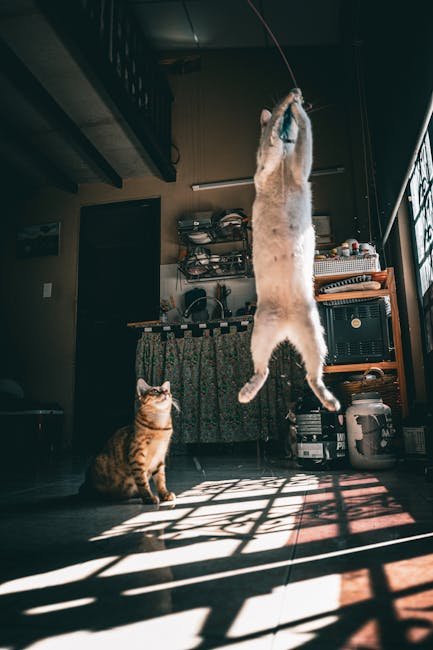
Have you ever watched your cat suddenly spin around, chasing its own tail like it’s the most exciting thing in the world? It’s a funny and curious sight that makes you wonder—why do cats chase their tails?
If you’ve caught yourself asking this question, you’re not alone. Understanding this quirky behavior can reveal a lot about your cat’s health, mood, and personality. Keep reading, and you’ll discover the surprising reasons behind this playful act—and what it means for your furry friend.
Credit: www.petscare.com
Tail Chasing As Play
Cats chasing their tails might seem amusing. This behavior is more than just a playful action. It holds important roles in their physical and mental well-being.
Instinctive Play Behavior
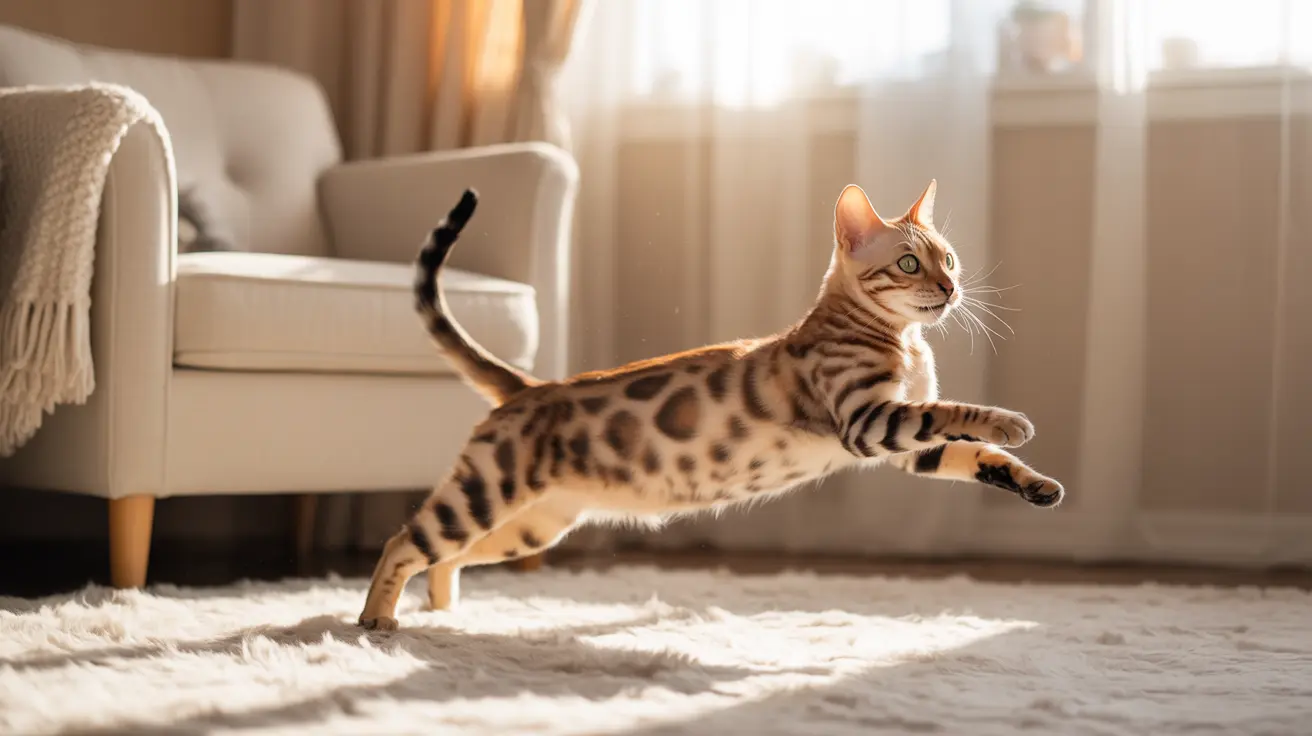
Cats are natural hunters. Even domesticated cats retain their wild instincts. Chasing their tails mimics hunting and pouncing. This behavior is part of their survival instincts. It helps them practice and hone their skills.
Energy Release
Cats have bursts of energy. Tail chasing helps them burn off this excess energy. It serves as a fun way to exercise. Without this, they might become bored or restless. This activity provides a healthy outlet.
Mental Stimulation
Engaging in tail chasing keeps cats mentally active. It challenges their focus and reflexes. This playful act stimulates their brain. It prevents boredom and keeps their minds sharp. Mental stimulation is crucial for their overall health.
Hunting Instincts
Cats have strong hunting instincts passed down from wild ancestors. These instincts drive many playful behaviors. Tail chasing is one way cats express these natural urges. It helps them stay alert and ready to catch prey.
Simulating Prey
Chasing their tails mimics hunting small animals. The tail moves like a quick, tricky target. Cats focus and pounce just like they would on real prey. This play keeps their reflexes sharp and their minds active. It also satisfies their need to chase and capture.
Practice For Hunting Skills
Young cats use tail chasing to practice key hunting skills. They learn to track moving objects and time their attacks. This practice improves coordination and agility. Even adult cats benefit by keeping their skills fresh. Tail chasing is a simple way to train for the hunt.
Attention Seeking
Cats often chase their tails not just out of boredom or instinct but because they want your attention. This behavior can be a clever way for your furry friend to make you look their way and engage with them. Understanding this motive helps you respond better and strengthen your bond.
Interaction With Owners
When your cat spins in circles trying to catch its tail, it’s often a call for interaction. Cats quickly learn that unusual or playful behavior grabs your eye. If you respond by talking to them, petting, or playing, they feel rewarded and may repeat the action.
Have you noticed how your cat pauses tail-chasing when you start paying attention? That pause is their subtle way of checking if their efforts worked. This back-and-forth shapes how your cat communicates their needs and desires.
Gaining Responses
Cats are smart and realize tail chasing triggers a reaction from you. Whether it’s laughter, a gentle scolding, or an invitation to play, any response tells your cat they’re successfully getting noticed. This makes tail chasing an effective attention-getting tool.
Think about times your cat chased its tail right before you were busy or distracted. Was it a way to pull you back into their world? Next time you see this behavior, try offering a toy or some affection. You might discover your cat’s tail-chasing is a secret request for connection.
Stress And Anxiety
Cats often chase their tails as a reaction to stress and anxiety. This behavior can help them release nervous energy and feel calmer. Understanding why cats act this way helps owners support their pets better. Stressful situations can trigger this tail-chasing habit, showing a cat’s need to cope with discomfort.
Nervous Energy Outlet
Tail chasing can serve as a way for cats to burn off nervous energy. When a cat feels uneasy, it may not have other ways to express its feelings. Chasing its tail becomes a simple activity that distracts the cat. This repetitive motion can help reduce feelings of tension and restlessness. It’s a natural way for cats to manage their emotions without hurting themselves.
Signs Of Anxiety
Recognizing anxiety in cats is important to help reduce tail chasing. Common signs include:
- Excessive grooming or licking
- Hiding or avoiding people
- Changes in appetite or sleep
- Restlessness or pacing
- Sudden bouts of tail chasing
Noticing these behaviors early lets owners provide comfort and create a calm space. Reducing stress can lower the need for tail chasing as an outlet.
Medical Causes
When your cat suddenly starts chasing its tail obsessively, it’s natural to wonder if something more serious is at play. Medical issues can often be behind this behavior. Understanding these causes helps you provide the right care and prevents potential harm to your furry friend.
Skin Irritations And Allergies
Skin irritations can cause intense itching that leads cats to chase and bite their tails. Allergies to food, flea bites, or environmental factors often trigger this reaction. If you notice redness, hair loss, or scabs around your cat’s tail, it’s a sign to check for underlying skin problems.
One pet owner found that after switching to a hypoallergenic diet, her cat stopped tail-chasing completely. This shows how identifying and removing allergens can make a huge difference. Have you ever considered if your cat’s environment might be causing discomfort?
Neurological Issues
Neurological problems can also cause unusual tail-chasing behavior. Conditions like seizures, nerve damage, or brain disorders may make your cat act compulsively. These behaviors often come with other signs, such as uncoordinated movements or sudden changes in personality.
Recognizing these symptoms early can lead to quicker diagnosis and treatment. If your cat’s tail chasing seems compulsive or accompanied by other odd behaviors, consulting a vet is crucial. Could your cat be trying to tell you something through this repetitive action?

Credit: www.wiredwhisker.com
Behavioral Disorders
Behavioral disorders in cats can sometimes explain why your feline friend relentlessly chases their tail. While tail chasing might seem like harmless fun, it can indicate deeper issues affecting your cat’s well-being. Understanding these disorders is key to ensuring your cat stays happy and healthy.
Compulsive Tail Chasing
Compulsive tail chasing is more than just play—it’s a repetitive behavior that your cat can’t easily control. This can develop from stress, anxiety, or boredom, especially in indoor cats with limited stimulation. You might notice your cat fixating on their tail for extended periods, often ignoring everything else around them.
Think about how you feel when you’re anxious or restless—sometimes, you might pace or fidget without realizing it. Cats experience similar urges, and tail chasing can be their way of coping. If your cat suddenly starts this behavior or it gets worse over time, it could be a sign of a compulsive disorder.
When To Consult A Vet
Not all tail chasing requires a vet visit, but if the behavior disrupts your cat’s daily life, it’s time to seek professional advice. Look out for signs like excessive chasing, self-injury from biting their tail, or a sudden increase in stress behaviors. Your vet can rule out medical causes and suggest behavioral treatments or environmental changes.
Don’t wait for the problem to worsen. Early intervention can make a big difference in managing compulsive behaviors. Have you noticed any triggers or changes in your cat’s environment that might be causing stress? Sharing these details with your vet will help tailor the best care plan.
How To Manage Tail Chasing
Managing tail chasing in cats helps keep them happy and healthy. It reduces stress and prevents injury. Understanding how to redirect this behavior is key. Owners can use simple techniques to make their cats feel engaged and calm.
Providing Alternatives
Offer toys that mimic prey, like feather wands or laser pointers. These toys give cats a healthy way to chase and pounce. Rotate toys often to keep interest high. Use play sessions to tire them out and reduce tail chasing.
Environmental Enrichment
Make the home interesting with climbing shelves and scratching posts. Create cozy spots for resting and watching outside. Use puzzle feeders to stimulate their minds. A rich environment lowers boredom and anxious behavior.
Professional Help
Consult a veterinarian if tail chasing worsens or causes harm. A vet can check for medical issues or anxiety disorders. Behaviorists offer advice on training and calming techniques. Early help prevents long-term problems.
Credit: pethelpful.com
Frequently Asked Questions
Why Do Cats Chase Their Tails Suddenly?
Cats chase tails out of curiosity, playfulness, or to relieve boredom. It mimics hunting behavior and stimulates their mind and body.
Is Tail Chasing Normal Behavior In Cats?
Yes, tail chasing is normal, especially in kittens. It helps develop coordination and provides entertainment but should not be obsessive.
Can Tail Chasing Indicate A Health Problem?
Sometimes, excessive tail chasing may signal allergies, fleas, or neurological issues. Consult a vet if behavior is frequent or intense.
How Can I Stop My Cat From Tail Chasing?
Provide toys, playtime, and mental stimulation to reduce tail chasing. Avoid punishment; instead, redirect their focus to healthy activities.
Conclusion
Cats chase their tails for fun and to use up energy. Sometimes, it helps them learn about their bodies. It can also show when they feel bored or curious. Tail chasing is a normal and playful behavior in cats. Watching this can make you smile and understand your pet better.
Remember to give your cat toys and attention to keep them happy. This way, tail chasing stays fun and safe for your furry friend.
