

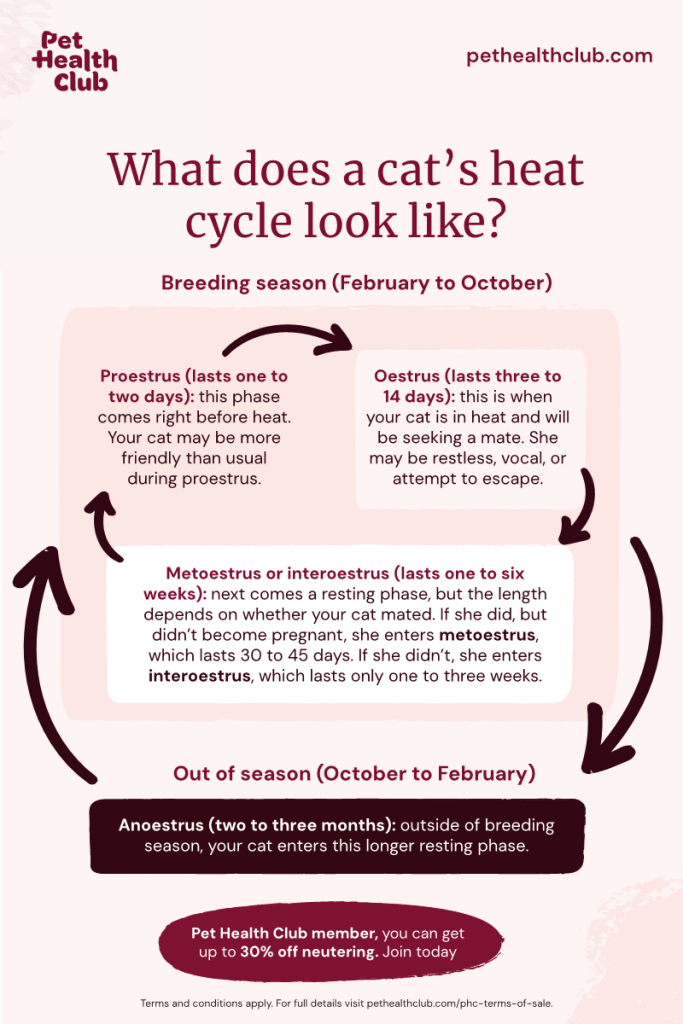
Is your cat acting restless, vocal, or rubbing against everything? She might be in heat.
This can be confusing and even stressful if you don’t know what to expect or how to help her. But don’t worry—you’re not alone. Understanding what to do when your cat is in heat can make this time easier for both of you.
Keep reading to discover simple, effective ways to comfort your furry friend and manage her behavior until the cycle passes.
Signs Your Cat Is In Heat
A cat in heat may become restless, vocal, and affectionate. She might also spray or try to escape outdoors. Providing comfort and keeping her indoors helps manage this phase safely.
Signs Your Cat is in Heat Cats in heat show clear signs. Recognizing these signs helps manage their behavior. Understanding these can ease your stress during this phase.Behavioral Changes
Your cat may become more vocal. She may meow loudly and frequently. This is to attract a mate. Increased affection is common. Your cat might rub against you or objects more often. Restlessness is noticeable. She may pace around frequently. This behavior is typical during heat.Physical Symptoms
Watch for changes in posture. Cats in heat often crouch with raised hindquarters. Tail positioning changes too. She might hold her tail to one side. This is called lordosis. Swelling of the vulva can occur. It’s a physical sign of being in heat. Your cat might lick this area more than usual. This is due to increased sensitivity.Creating A Comfortable Space
Creating a comfortable space for your cat during her heat cycle can make a big difference in how she feels and behaves. Cats in heat often seek extra comfort and calm, so providing a spot that meets her needs can help ease her stress and restlessness. Think about what your cat loves and try to make her environment as soothing as possible.
Quiet And Warm Area
Your cat will appreciate a quiet corner where she can retreat from household noise and activity. Choose a spot away from loud appliances, busy rooms, or high-traffic areas. A warm place near a sunny window or a gentle heater can help her feel cozy and relaxed.
Have you noticed your cat curling up in a particular spot during cold days? That’s a good hint about where she feels safest. Let her have that space during her heat cycle to reduce anxiety and agitation.
Soft Bedding
Soft bedding is essential to provide your cat with a plush, inviting surface to rest on. Use materials like fleece blankets or cushioned pet beds that offer both comfort and warmth. Replace or wash the bedding regularly to keep it fresh, since your cat may spend more time there than usual.
Adding a few familiar-smelling items, like an old t-shirt or a favorite toy, can make the bedding even more appealing. Have you tried observing where your cat chooses to nap? Mimicking those textures or scents can create a soothing environment tailored just for her.
Managing Vocalization
Managing your cat’s vocalization during her heat cycle can be challenging. The loud, persistent yowling can disrupt your peace and signal her discomfort. Understanding how to soothe her voice helps both of you stay calm and connected.
Calming Techniques
Try gentle petting to comfort your cat when she starts vocalizing. Soft, rhythmic strokes along her back can reduce stress and lower the volume of her calls.
Playing calming music or white noise in the background often helps mask the sounds and creates a peaceful atmosphere. I once noticed my cat quiet down within minutes of soft classical music playing—it’s worth testing different sounds to see what works for your feline.
Use interactive toys to distract her. Engaging her mind and body can reduce the urge to vocalize. Small feather wands or laser pointers can redirect her energy effectively.
Environmental Adjustments
Create a cozy, safe space where your cat feels secure. A quiet corner with a soft bed and dim lighting can calm her nerves and lessen vocal outbursts.
Close windows and curtains to block outdoor noises that may trigger or worsen her vocalizations. Reducing external stimuli helps her focus on relaxing instead of calling out.
Consider pheromone diffusers designed to mimic calming cat scents. These can subtly influence her mood and decrease vocal activity. Many cat owners report noticeable improvements after introducing these diffusers.

Credit: www.youtube.com
Preventing Unwanted Pregnancy
Preventing unwanted pregnancy in cats is important during their heat cycle. Unplanned litters can cause stress for both cats and owners. Taking careful steps protects your cat’s health and future. It also helps control the stray cat population. Understanding how to manage your cat’s time outdoors and indoors keeps her safe and avoids pregnancy risks.
Supervised Outdoor Time
Allow your cat outside only under close watch. Stay near her to stop any contact with male cats. Use a leash or a secure harness to control her movements. This reduces chances of escape or mating. Choose quiet times of day when fewer cats roam outside. Supervised outdoor time keeps your cat active without pregnancy risks.
Keeping Cats Indoors
Keeping your cat indoors is the safest way to prevent pregnancy. Close windows and doors to block male cats’ access. Provide toys and climbing areas to keep her busy. Indoor cats avoid dangers like traffic, fights, and diseases. A comfortable indoor space helps reduce her stress during heat. This method greatly lowers chances of unwanted litters.
Providing Extra Attention
Providing extra attention to your cat during her heat cycle can help ease her discomfort and reduce her anxiety. Cats in heat often seek more affection and interaction, so being there for her can make a significant difference. This time calls for gentle care and thoughtful engagement to keep her calm and connected.
Playtime And Interaction
Engaging your cat in play distracts her from restlessness. Use interactive toys like feather wands or laser pointers to capture her attention. These activities not only burn energy but also create positive bonding moments between you and your cat.
Notice how your cat responds—some may prefer quieter play, like chasing a soft ball, while others enjoy more active games. Adjust your approach based on her mood to keep her comfortable and happy.
Gentle Petting
During heat, your cat may crave touch but can be sensitive in certain areas. Focus on gentle strokes along her back or under the chin, avoiding her belly or tail base if she shows discomfort.
Pay attention to her body language; if she leans into your hand, it’s a sign she welcomes more affection. This simple act of petting can soothe her and strengthen your relationship during a challenging time.

Credit: www.youtube.com
When To Consult A Vet
Knowing when to consult a vet during your cat’s heat cycle can make a big difference in her comfort and health. Some signs might look normal but actually need professional attention. Paying close attention to your cat’s behavior helps you decide the best time to get expert advice.
Signs Of Discomfort
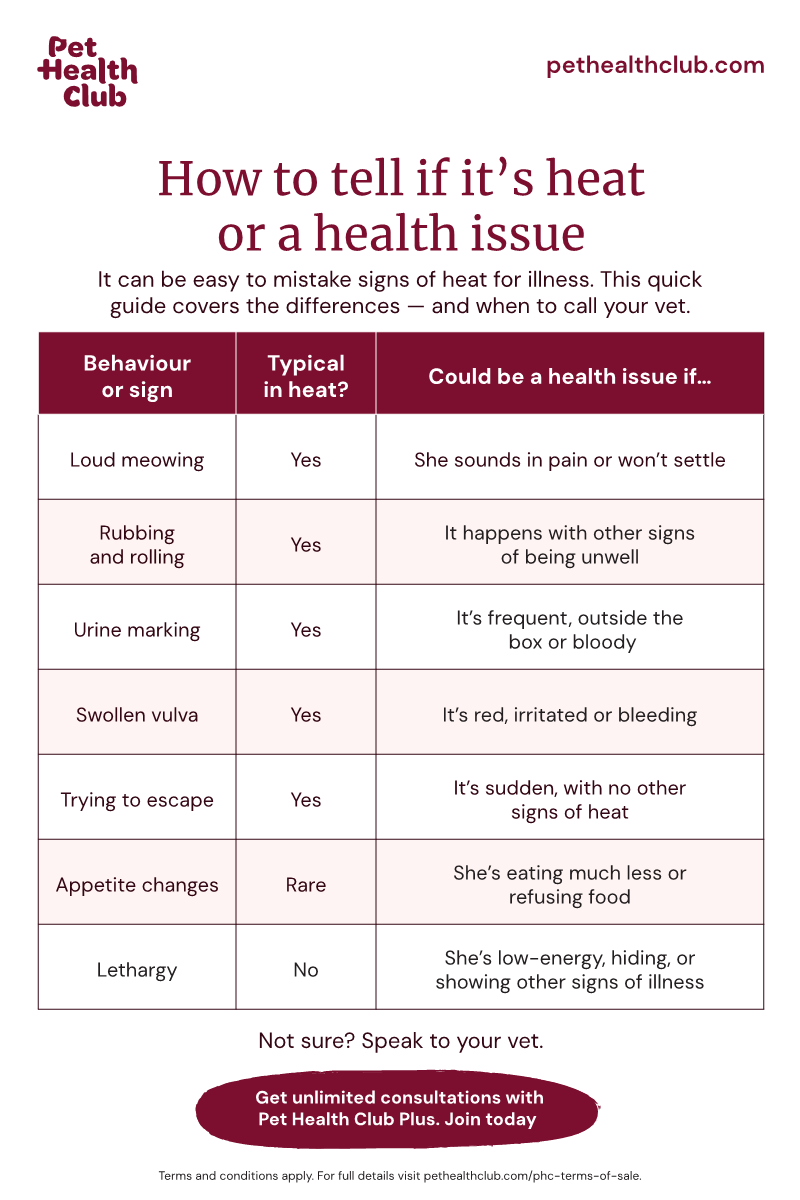
While many cats show typical heat behaviors like vocalizing and restlessness, watch for signs of real distress. If your cat is excessively pacing, losing appetite, or showing unusual aggression, these could be red flags.
Also, if you notice any swelling, bleeding beyond normal spotting, or signs of pain when touched, it’s time to call your vet. These symptoms could indicate infection or other health issues that need immediate care.
Spaying Options
Spaying is a permanent way to prevent heat cycles and reduce health risks like uterine infections and certain cancers. Your vet can guide you on the best timing and method for spaying based on your cat’s age and health.
Some owners hesitate due to myths about spaying, but vets often share stories of calmer, healthier cats post-surgery. Have you thought about how spaying might improve your cat’s quality of life and your peace of mind?
Credit: www.pethealthclub.com
Frequently Asked Questions
How Long Does A Cat Stay In Heat?
A cat typically stays in heat for 7 to 10 days. If not bred, the cycle repeats every 2 to 3 weeks until she is pregnant or spayed.
What Are Common Signs My Cat Is In Heat?
Signs include loud vocalizing, restlessness, rubbing against objects, raised hindquarters, and frequent urination. These behaviors indicate she is ready to mate.
How Can I Comfort My Cat During Heat?
Provide extra attention, playtime, and a quiet, cozy space. Avoid letting her outside to prevent unwanted mating during this time.
Is Spaying The Best Solution For A Cat In Heat?
Yes, spaying stops heat cycles, prevents unwanted litters, and reduces health risks like infections and cancers. Consult your vet for timing.
Conclusion
Caring for a cat in heat needs patience and calm. Provide comfort and keep her indoors to stay safe. Play with her to help reduce stress. Consider spaying to avoid future heat cycles. Watch her closely and consult a vet if needed.
Small steps can make this time easier for both. Your love and care matter most during this phase.
