

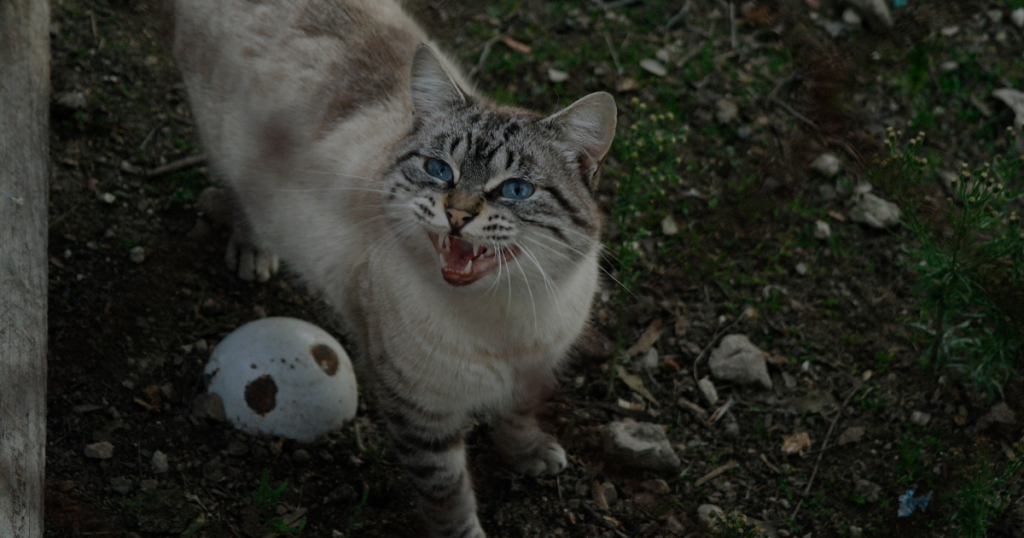
Have you noticed your cat suddenly scratching or biting you more than usual? If your furry friend is in heat, this behavior might feel confusing and even frustrating.
Understanding why your cat acts this way during her heat cycle can help you stay calm and keep your bond strong. You’ll discover the reasons behind these surprising actions and learn how to handle them with ease. Keep reading to find out what’s really going on with your cat and how you can make this time easier for both of you.
Credit: animals.howstuffworks.com
Cats In Heat Behavior
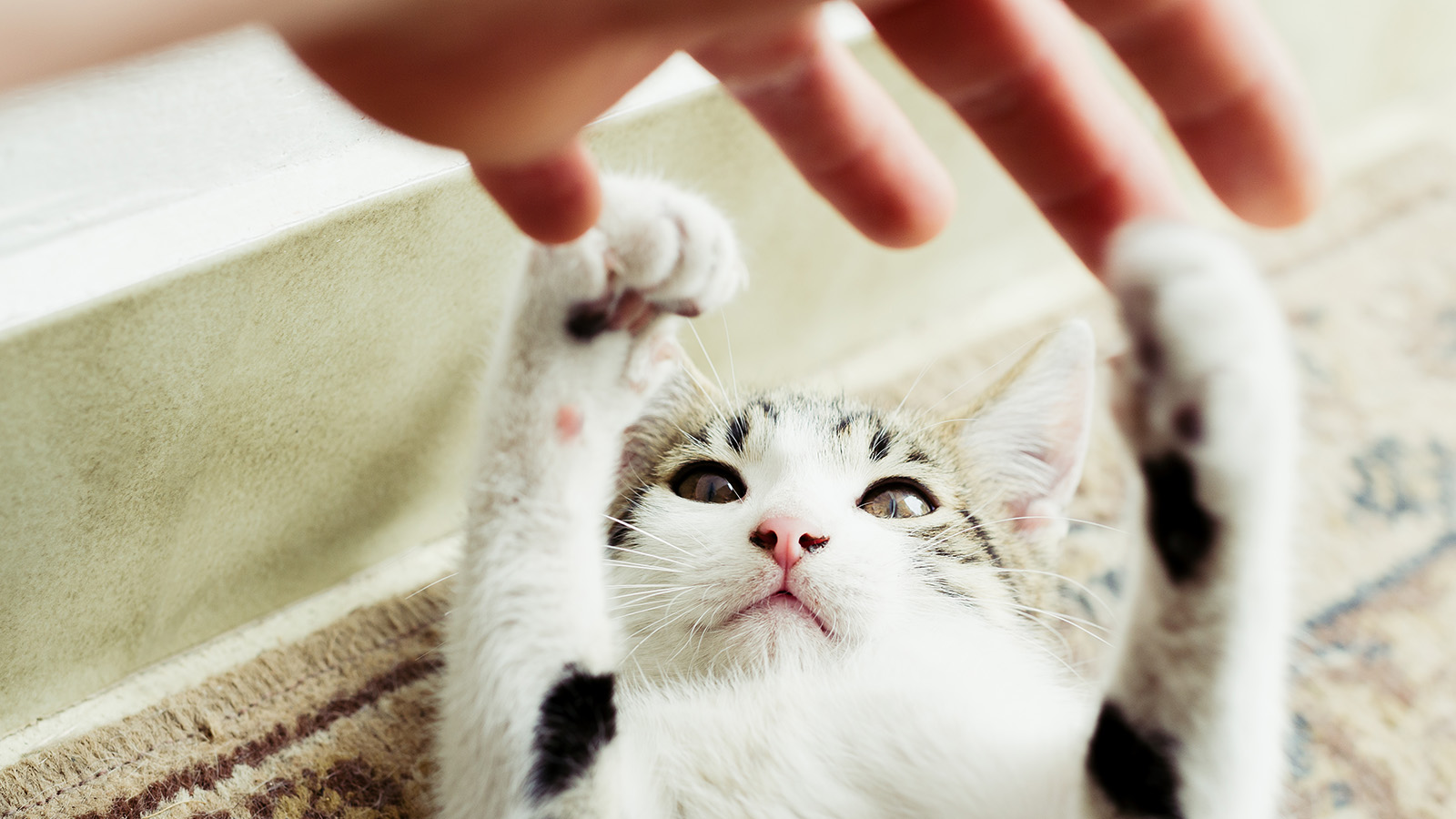
Cats in heat may scratch or bite more due to restlessness and stress. This behavior helps them express discomfort or seek attention. Understanding these signs can improve your bond and care for your cat.
Cats in heat exhibit a range of behaviors that can leave even the most experienced cat owners puzzled. These behaviors can change a cat’s demeanor and impact your daily interactions with them. Understanding these changes is key to managing and comforting your feline friend during this phase.Typical Signs Of Heat
When a cat enters the heat cycle, you might notice an increase in vocalizations. They often meow more frequently and louder than usual, almost as if they’re trying to communicate with you or someone outside. Increased affection is another common sign; they may rub against you more often or demand more attention. Physical signs are also noticeable. Your cat might start to exhibit a distinct posture, with their back end raised and tail to the side. This behavior is instinctual and part of their natural mating signals.Changes In Temperament
Cats in heat can become more restless, moving around the house in search of something they can’t quite find. You might notice your usually calm cat pacing or appearing anxious. This restlessness can lead to behaviors like scratching or biting, which can be alarming. In my experience, my cat became unexpectedly aggressive when in heat. She would swipe at my hand when I reached to pet her. Recognizing these changes as part of her heat cycle helped me approach her with more patience and understanding. Have you noticed your cat exhibiting these behaviors? How do you manage the changes in their temperament during this time?Scratching And Biting Explained
Scratching and biting are common behaviors in cats, especially during their heat cycle. These actions can confuse cat owners. Understanding why cats scratch and bite helps manage their behavior better. It also keeps your bond strong and stress-free.
Why Cats Scratch
Scratching is a natural way for cats to mark territory. They have scent glands in their paws. When they scratch, they leave both a visual mark and a scent. This tells other cats that this area belongs to them.
During heat, cats feel more restless and anxious. Scratching helps them release extra energy. It also soothes their nerves. Sometimes, they scratch furniture or even people by mistake. They don’t mean to harm. It is just a way to cope with their feelings.
Reasons Behind Biting
Biting is another way cats express themselves. In heat, cats can become more sensitive and irritable. They bite to show discomfort or frustration. It is their way of saying, “Give me space.”
Playful biting is common too. Cats may nip to get your attention or invite play. However, biting can also mean stress. If your cat feels scared or overwhelmed, biting can be a defense.
Understanding these reasons helps you respond calmly. You can give your cat comfort and avoid bites and scratches.
Heat Cycle And Aggression
The heat cycle in cats is a powerful biological process that can sometimes lead to unexpected behavior changes, including scratching and biting. Understanding how aggression ties into this cycle helps you respond better to your cat’s needs and manage their mood swings effectively. Let’s look at the key factors behind this behavior.
Hormonal Influences
During a cat’s heat cycle, hormones like estrogen and progesterone surge dramatically. These shifts can make your cat more irritable and reactive than usual. The sudden hormone changes affect brain chemistry, which sometimes results in aggressive behaviors like scratching or biting.
You might notice your cat suddenly becoming more restless or defensive around you or other pets. This is not about disliking you—it’s a biological reaction. Have you ever experienced a similar mood shift yourself when under stress? Your cat’s aggression is somewhat similar, driven by internal hormonal signals.
Triggers For Aggressive Acts
Aggression during heat can be triggered by several everyday situations:
- Unwanted petting or touching, especially around sensitive areas
- Other animals invading their space or causing stress
- Loud noises or sudden movements that startle your cat
Recognizing these triggers can help you avoid conflict. If your cat starts to scratch or bite, try to calmly remove yourself and give them space. Have you tried observing what happens right before your cat’s aggressive episodes? This can reveal patterns and help you prevent future incidents.
Credit: petsbynumbers.com
How To Manage Aggression
Managing aggression in cats during their heat cycle is important for a peaceful home. Cats may scratch or bite due to discomfort or stress. Understanding ways to calm them helps reduce these behaviors. Gentle care and attention support their well-being.
Calming Techniques
Provide a quiet, safe space for your cat to relax. Soft bedding and dim lighting create a soothing environment. Use gentle petting to comfort your cat, avoiding sensitive areas. Speak in a soft, calm voice to reduce stress. Try pheromone sprays or diffusers designed for cats. These can help calm anxious or agitated cats naturally.
Safe Play And Handling
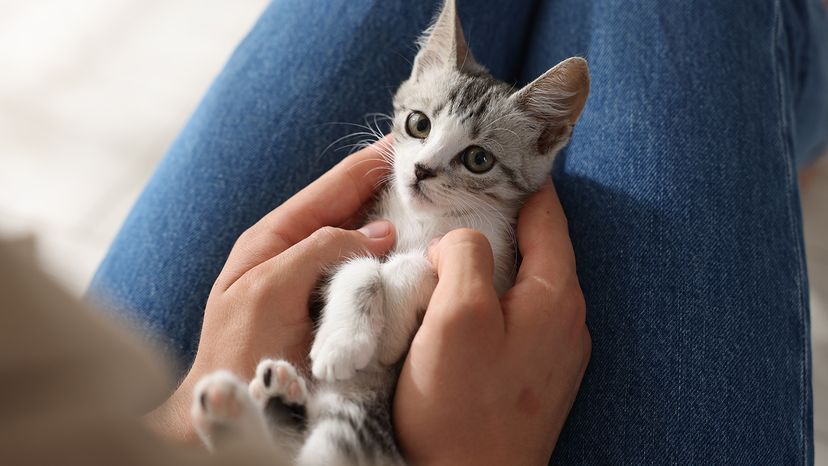
Use toys to distract your cat from biting or scratching. Wand toys keep your hands away from their claws and teeth. Avoid rough play that may encourage aggressive behavior. Always handle your cat gently and respect their signals. Stop play if your cat shows signs of irritation or stress. Regular play sessions help release energy and reduce aggression.
When To Seek Veterinary Help
Knowing when to seek veterinary help is crucial if your cat in heat starts scratching or biting excessively. These behaviors can sometimes signal more than just hormonal discomfort. Understanding the warning signs and available medical options can protect both you and your cat from unnecessary stress and injury.
Signs Of Excessive Aggression
It’s normal for cats in heat to show some irritability, but watch closely for aggressive behaviors that go beyond typical mood swings. If your cat bites hard enough to break skin or scratches deeply, it’s time to take note.
Other signs include:
- Continuous hissing or growling without provocation
- Refusal to eat or hiding for long periods
- Destructive behavior around the home
- Sudden changes in litter box habits
Have you noticed your cat’s aggression escalating despite your calm approach? These are clear signals your cat might be struggling more than just emotionally.
Medical Interventions
Veterinarians can offer solutions that ease your cat’s discomfort and reduce aggressive behavior. Hormonal treatments, like spaying, are often recommended to prevent heat cycles altogether.
Other options include:
- Medications to calm anxiety and irritability
- Behavioral consultations to address aggression
- Routine health checks to rule out pain or illness causing irritability
Don’t wait until scratches or bites become severe. Early intervention can improve your cat’s quality of life and make living together safer and more enjoyable. Have you discussed these options with your vet yet?
Preventing Heat-related Issues
Dealing with a cat in heat can be challenging, especially when scratching and biting become part of their behavior. Preventing heat-related issues is essential not only for your peace of mind but also for your cat’s well-being. Understanding how to manage and reduce these behaviors can make your relationship with your feline friend much smoother.
Spaying Benefits
Spaying your cat is the most effective way to prevent heat-related behaviors like scratching and biting. It stops the hormonal cycle that triggers these actions, making your cat calmer and less prone to aggression.
Besides reducing unwanted behaviors, spaying also lowers the risk of certain health problems, including uterine infections and some cancers. If you’ve ever watched a cat in heat pacing and yowling, you know how stressful it can be for both of you. Spaying offers a permanent solution to this stress.
Behavioral Training Tips
Training your cat to respond calmly during heat cycles requires patience and consistency. You can start by redirecting their energy to toys or interactive play to reduce frustration.
Try gentle but firm handling when your cat begins to scratch or bite, and reward calm behavior with treats or affection. Have you noticed certain times or triggers that make your cat more aggressive? Identifying these can help you intervene early.
- Provide a quiet, comfortable space for your cat to relax.
- Use calming pheromone sprays or diffusers designed for cats.
- Engage in short, frequent play sessions to tire your cat out.
Implementing these tips can reduce your cat’s stress and make heat periods more manageable. Have you tried any of these techniques with your cat? What worked best for you?
Credit: animals.howstuffworks.com
Frequently Asked Questions
Do Cats In Heat Scratch Their Owners More Often?
Cats in heat may scratch more due to heightened irritability. Hormonal changes cause restlessness, making them more prone to scratching as a way to express discomfort or seek attention.
Why Do Cats In Heat Sometimes Bite Their Owners?
Biting during heat cycles happens because cats feel agitated and overstimulated. This behavior is a natural response to hormonal fluctuations and can be a way to communicate frustration or demand affection.
How Can I Stop My Cat From Scratching In Heat?
Provide distractions like toys and playtime to reduce scratching. Use gentle redirection and avoid harsh punishment, as it increases stress and worsens the behavior during heat cycles.
Is Scratching A Normal Behavior For Cats In Heat?
Yes, scratching is normal as cats express discomfort and seek relief. It helps them cope with the physical and emotional changes during their heat period.
Conclusion
Cats in heat may scratch or bite more than usual. This behavior shows their discomfort and restlessness. Understanding these signs helps you stay calm and patient. Giving your cat space can reduce stress and aggression. Remember, this phase does not last forever.
Gentle care and attention make a big difference. You can keep your cat happy and safe during this time. Watch closely and respond with kindness. This way, both you and your pet feel better.
