

If you have a cat, you’ve probably noticed her acting differently at times—more vocal, restless, or affectionate. These changes often mean your cat is in heat.
But how long does this phase really last? Understanding the length of your cat’s heat cycle can help you manage her behavior and keep her comfortable. You’ll discover exactly what to expect, how to recognize the signs, and what you can do to support your furry friend during this time.
Keep reading to learn everything you need to know about how long cats last in heat.
Cat Heat Cycle Basics
The cat heat cycle is a natural process. It involves several stages. Understanding these stages helps cat owners manage their pet’s needs. Each phase has distinct behaviors and signs. This guide explores the basics of a cat’s heat cycle.
What Is Heat In Cats
Heat in cats is also known as estrus. It is a period of fertility. During this time, cats are ready to mate. This cycle can occur multiple times a year. It depends on the environment and breed. Female cats become more vocal and affectionate during heat. They may also exhibit restless behavior.
Age When Cats Go Into Heat
Cats can go into heat as early as six months old. Some breeds may start even earlier. Heat cycles can occur throughout the year. Cats are induced ovulators. This means they ovulate when they mate. Without mating, the heat cycle may repeat every few weeks.
Signs Your Cat Is In Heat
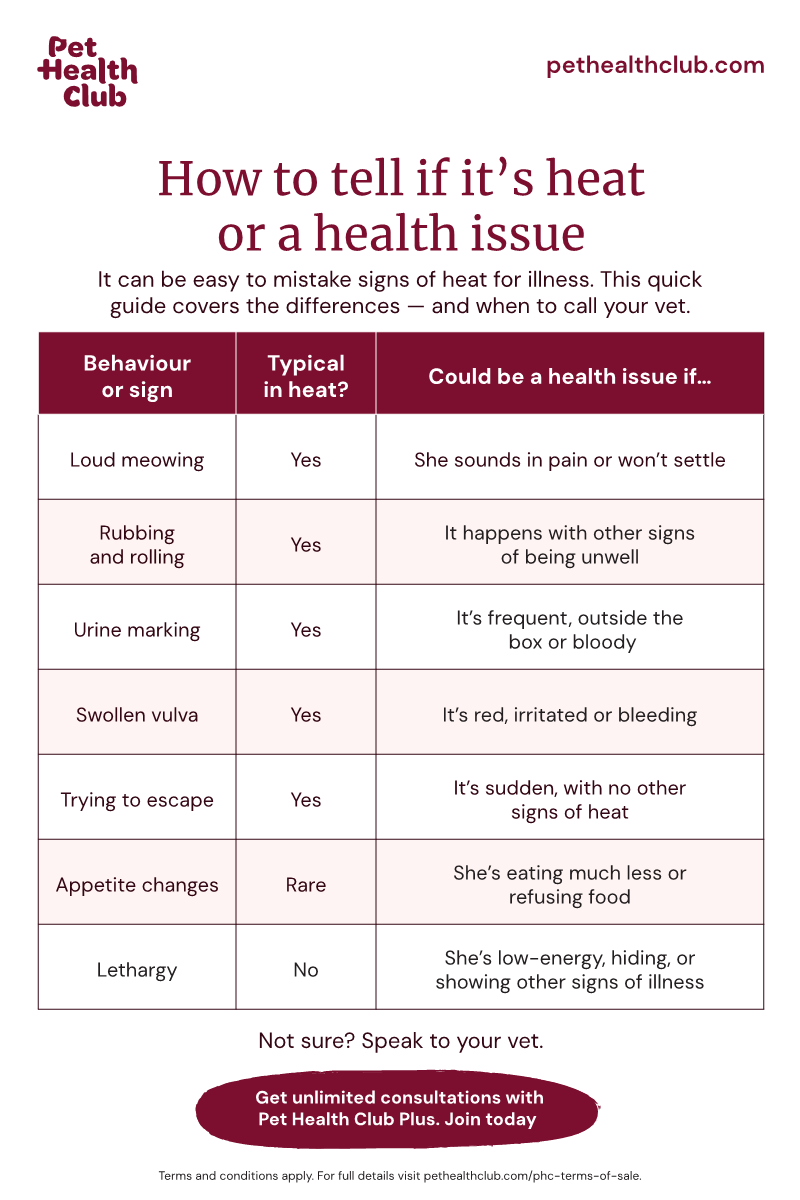
There are clear signs when a cat is in heat. Increased vocalization is common. Cats may yowl loudly to attract males. They often become more affectionate. Rubbing against furniture or people is typical. Cats may also raise their rear end. This is a mating position. They might also show a reduced appetite. Restlessness and constant pacing are also observed. Knowing these signs helps manage the cycle effectively.
Duration Of Heat Cycles
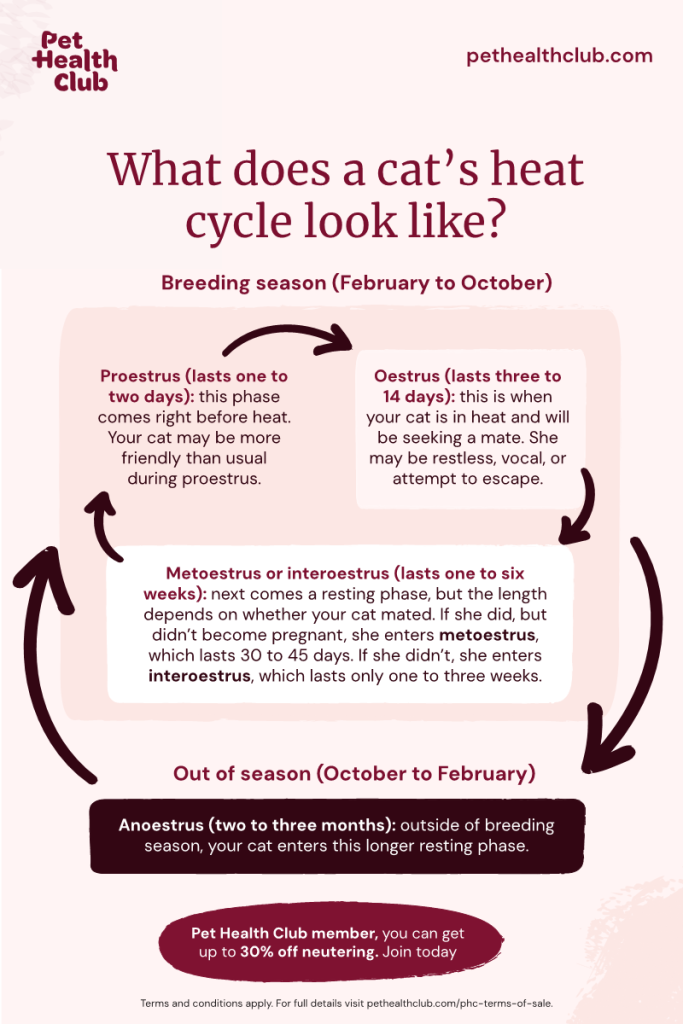
The duration of a cat’s heat cycle can vary based on several factors. Understanding this cycle helps cat owners manage their pets better. Heat cycles are natural and repeat regularly in unspayed female cats.
Typical Length Of A Heat Cycle
A single heat cycle usually lasts between 4 and 7 days. Some cats may show signs for as short as 3 days. Others might stay in heat for up to 10 days. During this period, cats often become more vocal and affectionate.
Frequency Of Heat Cycles
Heat cycles can happen every 2 to 3 weeks. The cycles continue throughout the breeding season. This season generally spans from spring to fall. Without pregnancy, cats may go into heat repeatedly during this time.
Factors Affecting Heat Duration
- Age: Younger cats may have shorter or irregular cycles.
- Breed: Some breeds experience longer or more frequent heats.
- Health: Illness can affect the length and intensity of heat.
- Environment: Light exposure influences cycle timing and length.
- Stress: Stress may shorten or delay heat cycles.
Behavior Changes During Heat
Cats experience noticeable behavior changes during their heat cycle. These changes help them attract mates and signal their readiness to breed. Owners often find these behaviors surprising or confusing. Understanding these changes can ease care and improve the cat’s comfort.
Common Behavioral Signs
- Increased affection, such as rubbing against objects or people
- Restlessness or pacing around the home
- Rolling on the floor or twisting their body frequently
- Frequent grooming and licking of the genital area
- Attempting to escape outside to find a mate
Vocalization Patterns
Cats in heat often become very vocal. They produce loud, persistent meows or yowls. These sounds can last for minutes or even hours. Vocalizations serve to attract male cats nearby. They are usually louder and more intense at night.
Physical Symptoms
- Swollen and reddened genital area
- Raised hindquarters when petted or touched
- Frequent urination and scent marking with urine
- Increased body temperature slightly
- Restlessness and inability to settle down

Credit: felinefancy.co.uk
Managing Cats In Heat
Managing cats in heat can be challenging, but with the right approach, you can make this period easier for both you and your feline friend. Understanding how to keep your cat comfortable, prevent unwanted pregnancies, and recognize when veterinary care is needed will help you handle this natural phase effectively.
Keeping Your Cat Comfortable
During heat, cats often become restless and vocal. Creating a calm environment with cozy spots can help soothe your cat’s anxiety.
Try playing soft music or using pheromone diffusers to reduce stress. Providing extra attention and gentle petting can also comfort your cat without overstimulating her.
Preventing Unwanted Pregnancies
If you don’t want kittens, keeping your cat indoors is crucial. Make sure all windows and doors are securely closed to prevent escapes during her heat cycle.
Consider scheduling a spay surgery, which is the only permanent way to stop heat cycles. Meanwhile, keep her away from male cats to avoid accidental mating.
When To Seek Veterinary Help
Not all heat cycles are the same. If your cat shows signs of extreme distress, lethargy, or abnormal discharge, it’s time to consult your vet.
Some cats have irregular or prolonged heat cycles that may indicate health problems. Your vet can offer advice or treatment options to keep your cat healthy and happy.
Heat Cycle And Spaying
The heat cycle in cats, also known as estrus, can be challenging for both pets and their owners. This period involves noticeable behavioral changes and can last several days to weeks if the cat is not spayed. Understanding how spaying affects this cycle can help you make informed decisions about your cat’s health and comfort.
Benefits Of Spaying
Spaying your cat brings many health benefits. It prevents unwanted litters, reducing the risk of overpopulation and helping shelters. Additionally, spaying lowers the chance of certain cancers, like uterine and ovarian cancer, and can reduce aggressive behaviors linked to heat cycles.
From my experience, after spaying my cat, the frequent restless nights stopped. She became calmer and more affectionate, which improved our bond. Have you noticed similar changes in your pet’s behavior after spaying?
Best Time To Spay
The ideal time to spay your cat is before her first heat cycle, typically around 5 to 6 months of age. Spaying early can prevent the start of heat cycles entirely. However, cats can be spayed at any age, though your vet will consider her health and stage of heat.
Waiting too long might mean dealing with several heat cycles. Each cycle can be stressful for your cat and your household. Would you prefer to avoid the noise and discomfort by scheduling spaying earlier?
Effects Of Spaying On Heat Cycles
Spaying stops the heat cycle by removing the ovaries and uterus, which produce the hormones that trigger heat behaviors. Once spayed, your cat will no longer go into heat or attract male cats. This can also reduce the risk of certain infections and diseases.
Keep in mind that some cats may show signs similar to heat shortly after surgery due to residual hormones, but this usually fades quickly. If your cat continues to show heat signs months after spaying, consult your vet as it could indicate a rare condition. How would you feel seeing your cat’s behavior change so dramatically after spaying?
Credit: www.pethealthclub.com
Myths About Cats In Heat
Cats in heat often spark many myths and false beliefs. These myths create confusion about their behavior and care. Understanding the truth helps cat owners manage this phase better.
Common Misconceptions
- Cats in heat always want to escape outside. Not true; many stay indoors.
- Spaying is painful and harmful for cats. Modern procedures are safe and quick.
- Cats in heat are aggressive and dangerous. They may be vocal but not violent.
- Only female cats show heat signs. Male cats also react to females in heat.
- Heat cycles last for weeks without breaks. They usually last a few days to two weeks.
Separating Fact From Fiction
Cats in heat show clear signs like loud meowing and restlessness. These behaviors mean they want to mate.
Unlike dogs, cats do not bleed during heat. This is a common confusion.
Heat cycles repeat every two to three weeks unless the cat gets pregnant or spayed.
Spaying stops heat cycles and prevents unwanted kittens. It also reduces health risks.
Understanding these facts helps owners care for their cats calmly and wisely.
Credit: www.diamondpet.com
Frequently Asked Questions
How Long Does A Cat Stay In Heat?
A cat typically stays in heat for 5 to 10 days. If not mated, the cycle repeats every 2 to 3 weeks during breeding season.
What Signs Show A Cat Is In Heat?
Signs include loud vocalizing, restlessness, rubbing against objects, and raised hindquarters. Cats also display increased affection and may spray urine.
How Often Do Cats Go Into Heat?
Unspayed female cats can go into heat every 2 to 3 weeks during spring and summer. This cycle continues until pregnancy or spaying.
Can Heat Cycles Affect A Cat’s Behavior?
Yes, cats in heat often act more vocal, restless, and affectionate. These behavioral changes help attract male cats for mating.
Conclusion
Cats in heat usually last about a week, but it can vary. Some cats may stay in heat for a few days, others for up to two weeks. Knowing these signs helps you care for your cat better. Remember, heat cycles happen several times a year.
Spaying your cat can stop these cycles and prevent unwanted litters. Watching your cat closely lets you keep her comfortable during this time. Understanding heat helps you be a responsible pet owner.
