


Have you ever wondered how to discipline your cat without causing stress or fear? If your furry friend is scratching furniture, jumping on counters, or ignoring your rules, you’re not alone.
Cats have their own way of thinking, and understanding how to guide their behavior can feel tricky. But what if you could teach your cat to behave better, using simple and kind methods that actually work? You’ll discover practical tips to help your cat learn boundaries while keeping your bond strong.
Keep reading to find out how to discipline your cat effectively and gently.
Common Cat Behavior Issues
Cats can be mysterious creatures. Their behavior sometimes baffles their owners. Understanding common cat behavior issues is crucial. It helps in maintaining a peaceful home. Let’s explore some typical challenges cat owners face.
Scratching Furniture
Cats love to scratch. It’s a natural behavior. It helps them mark territory. It also sharpens their claws. Scratching furniture can be frustrating. Provide scratching posts. Place them near favorite scratching spots. Reward your cat for using them.
Aggression And Biting
Aggression in cats can be alarming. It might stem from fear. It could also be due to overstimulation. Recognize signs of agitation. Tail flicking or ears back are clues. Give your cat space. Use toys to redirect their energy. Avoid using hands for play.
Litter Box Problems
Litter box issues are common. Cats may refuse to use it. This could be due to stress. It might also be a health issue. Ensure the litter box is clean. Try different types of litter. Place the box in a quiet area. Consult a vet if problems persist.
Excessive Meowing
Some cats meow excessively. They might be hungry. Or seeking attention. It’s crucial to identify the cause. Ensure they have food and water. Spend quality time with them. Ignore attention-seeking meows. Reinforce quiet behavior with treats.
Principles Of Positive Discipline
Positive discipline builds a strong bond between you and your cat. It encourages good behavior without fear or stress. This approach focuses on kindness, clear communication, and respect. Cats learn best through gentle guidance and rewards. Following these principles helps create a happy and well-behaved pet.
Reward-based Training
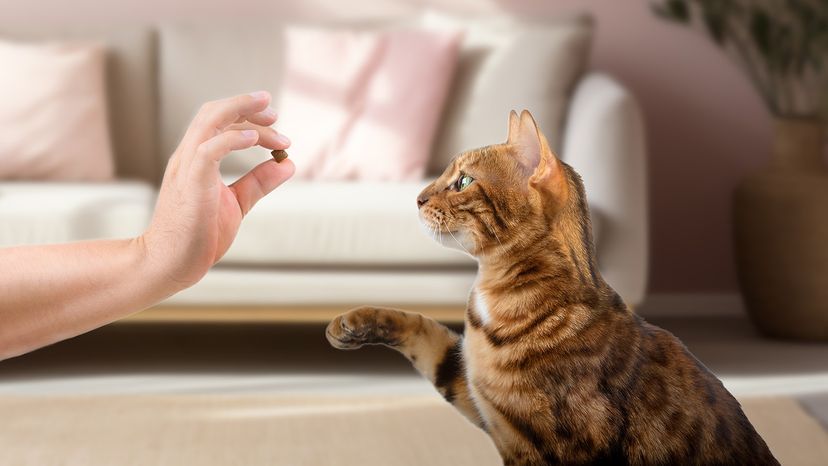
Reward-based training uses treats, praise, or play to encourage good behavior. Cats respond well to positive feedback. Giving a treat after a desired action helps them understand what you want. This method makes learning fun and motivates your cat to repeat good habits.
Avoiding Punishment
Punishing a cat can cause fear and confusion. Cats do not connect punishment with their actions. It may make them hide or act out more. Avoid yelling, hitting, or spraying water. Instead, redirect their attention to a better behavior calmly and kindly.
Consistency And Patience
Consistency helps cats learn faster. Use the same commands and rewards every time. Mixed messages can confuse them. Patience is key. Cats may take time to change habits. Keep training sessions short and gentle. Celebrate small successes along the way.
Techniques To Redirect Behavior
Redirecting a cat’s behavior helps guide them away from unwanted actions. It focuses their energy on positive activities. This approach builds trust and reduces stress for both pet and owner. Using consistent techniques shapes better habits over time. Here are some effective ways to redirect your cat’s behavior.
Using Toys And Playtime
Interactive toys keep cats engaged and distracted from bad habits. Moving toys mimic prey, triggering their natural hunting skills. Short, frequent play sessions release excess energy. This reduces boredom, which often leads to misbehavior. Rotate toys regularly to maintain interest.
- Use wand toys for active play.
- Introduce puzzle feeders for mental stimulation.
- Schedule playtime before meals to tire your cat.
Providing Scratching Posts
Scratching is a natural need for cats. Providing scratching posts protects furniture and walls. Choose posts with different textures to find your cat’s favorite. Place them in areas your cat already scratches. Reward your cat when they use the post to reinforce good behavior.
- Try sisal or cardboard scratching posts.
- Keep posts stable and tall enough for full stretch.
- Use catnip to attract your cat to the post.
Creating A Stimulating Environment
A rich environment keeps your cat’s mind busy and reduces stress. Offer climbing shelves or cat trees to explore. Provide cozy hiding spots for comfort and security. Change toys and play areas regularly to avoid monotony. Sounds and smells can also engage their senses.
- Set up window perches for outdoor watching.
- Use interactive feeders to slow eating and entertain.
- Introduce safe plants like cat grass for chewing.

Credit: www.youtube.com
Training Tools And Aids
Training tools and aids help guide your cat’s behavior gently and clearly. They make learning easier for your pet. Using the right tools builds trust and helps avoid confusion. These aids support positive habits without causing fear or stress.
Clicker Training
Clicker training uses a small device that makes a clicking sound. The sound tells your cat it did something right. This method helps your cat learn commands quickly. Repeat the click with a treat to reinforce good actions. Clicker training is simple and effective for many cats.
Treats And Incentives
Treats motivate cats to follow your instructions. Use small, tasty snacks that your cat loves. Give treats immediately after good behavior to make the connection clear. Avoid overfeeding by using tiny portions. Treats create a positive experience during training sessions.
Safe Deterrents
Safe deterrents help stop unwanted behaviors without harm. Common options include citrus sprays, double-sided tape, or motion-activated alarms. These tools discourage scratching or jumping on furniture. Always choose deterrents that cause no pain or fear. Use deterrents combined with praise for good behavior.
Building A Strong Cat-human Bond
Building a strong bond with your cat is key to gentle and effective discipline. Trust and understanding form the base of this connection. A cat that feels safe and loved listens better and behaves well. This bond grows through daily care, patience, and attention. It changes how your cat reacts to rules and guidance.
Understanding Cat Communication
Cats use body language and sounds to share feelings. A twitching tail, slow blink, or soft purr says a lot. Learning these signs helps you know when your cat is happy or upset. Recognizing moods prevents misunderstandings and unwanted behavior. It lets you respond kindly and clearly.
Regular Interaction And Socialization
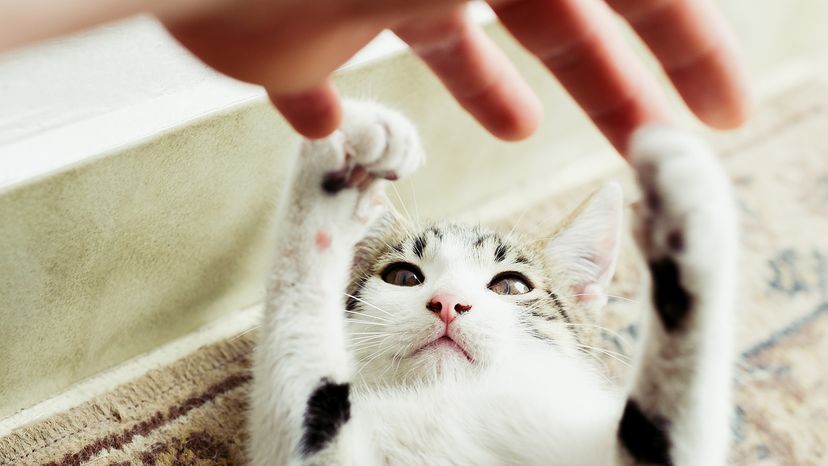
Spending time with your cat every day builds closeness. Play sessions, gentle petting, and talking softly all help. Socializing your cat reduces fear and stress. It makes your cat more open to training and discipline. Consistent interaction also strengthens your cat’s confidence and comfort around you.
Respecting Cat’s Boundaries
Every cat has limits on touch and space. Respecting these boundaries shows care and earns trust. Avoid forcing affection or holding your cat too long. Watch for signs of discomfort and stop before stress builds. Giving your cat control over interactions creates a peaceful bond. This respect supports positive behavior and cooperation.
Credit: animals.howstuffworks.com
Credit: animals.howstuffworks.com
Frequently Asked Questions
How Do You Effectively Discipline A Cat At Home?
Effective cat discipline involves positive reinforcement and gentle redirection. Avoid punishment; instead, use treats and praise to encourage good behavior. Consistency and patience are key to teaching your cat acceptable actions without causing fear or stress.
Can You Use Time-outs To Discipline A Cat?
Time-outs can work if used correctly. Place your cat in a quiet, safe room for a few minutes after bad behavior. This helps them associate the time-out with their actions without causing harm or anxiety.
What Are Safe Ways To Stop A Cat From Scratching Furniture?
Use deterrents like double-sided tape or citrus sprays on furniture. Provide scratching posts nearby to redirect behavior. Reward your cat when they use posts to reinforce positive scratching habits effectively and safely.
Is It Harmful To Yell At A Cat For Bad Behavior?
Yelling can stress and confuse cats, worsening behavior. Cats respond better to calm, consistent training methods. Use positive reinforcement and gentle correction to guide your cat’s actions without fear.
Conclusion
Disciplining a cat takes patience and kindness. Use gentle, clear signals to guide behavior. Reward good actions to encourage repeats. Avoid yelling or punishment that scares your cat. Consistency helps your cat learn better habits. Remember, cats respond best to calm training.
This builds trust and a happy home. Keep trying, and your cat will understand. Small steps make a big difference over time. Enjoy the process of growing closer together.
