

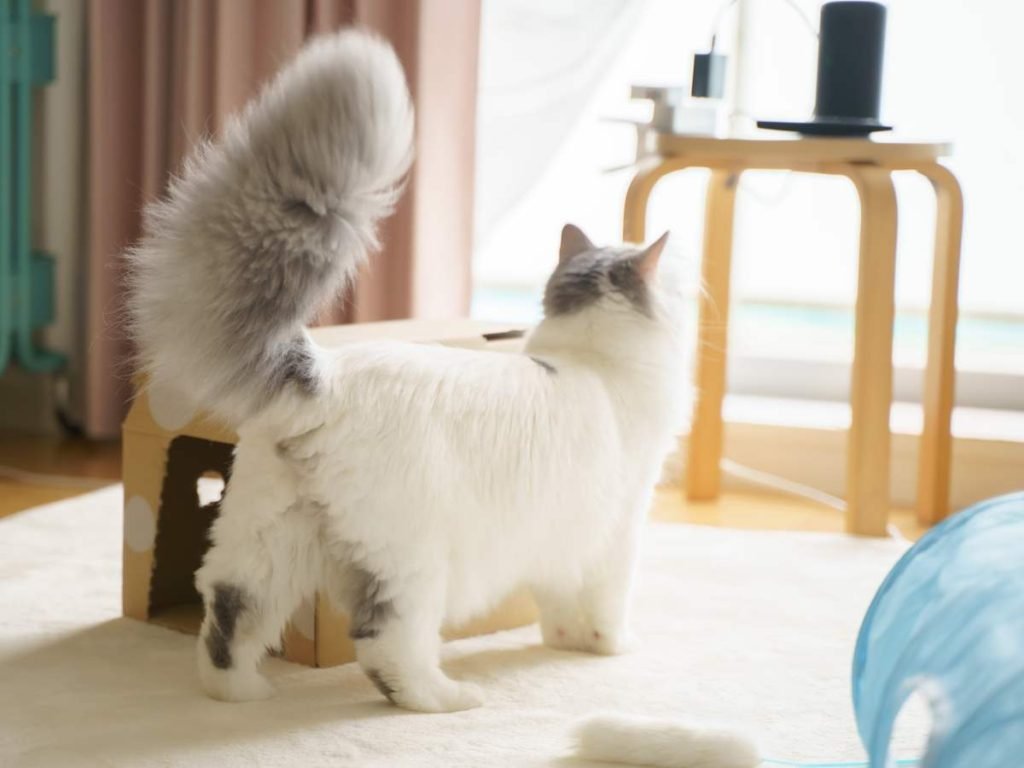
Have you ever noticed your cat shaking its tail and wondered what it really means? Tail movements are a secret language your feline friend uses to share how they feel.
Understanding why cats shake their tails can help you connect with your pet on a deeper level. Keep reading, and you’ll discover surprising reasons behind this curious behavior that might change how you see your cat forever.
Tail Movements And Cat Communication
Cats are fascinating creatures, and their tails play a significant role in how they communicate with the world around them. Observing a cat’s tail can offer insights into their mood and intentions. Understanding these tail movements can help you build a stronger bond with your feline friend and ensure their well-being.
Tail Language Basics
Cats have a rich vocabulary when it comes to their tails. A high, upright tail usually signals a happy and confident cat. On the other hand, a tail tucked between the legs might indicate fear or submission.
It’s worth noting that a gently swaying tail can suggest a relaxed and curious cat. This is often seen when they are exploring their environment or observing something interesting. Do you notice your cat’s tail puffing up? This might mean they are startled or feeling threatened.
What Tail Shaking Signals
Tail shaking can be a more complex signal. A quick, twitching movement might suggest excitement or anticipation, such as when your cat is about to pounce on a toy or is waiting for a treat. Does your cat shake their tail rapidly while looking at you? This can be a friendly greeting, much like a wagging tail in dogs.
However, if the tail shaking is accompanied by other signs of distress, like hissing or flattened ears, it could indicate that your cat is agitated or annoyed. In such cases, giving them space and observing their behavior can help prevent any unwanted scratches or bites.
By paying attention to these subtle cues, you can better understand what your cat is trying to tell you. Have you ever noticed how your cat’s tail movements change throughout the day? Observing these changes can provide a window into their ever-shifting moods and desires.

Credit: petcube.com
Excitement And Play
Cats use their tails to show feelings, especially during play and excitement. A shaking tail often means your cat is focused and ready to engage. Watching this behavior helps understand your cat’s mood and intentions.
Tail Shaking During Playtime
When cats play, their tails often shake or twitch. This movement shows they are alert and excited. It helps them focus on toys or other animals. Tail shaking can be quick or slow, depending on the cat’s mood.
This tail action often appears before pouncing. It signals your cat is ready to jump or chase. The shaking tail makes play more lively and fun for your pet.
Hunting Instincts And Tail Flicks
Cats have strong hunting instincts. Their tail movements reflect these instincts, even during play. A flicking tail shows concentration on a target. It may also mean the cat feels a little frustrated or eager.
This behavior mimics wild cats stalking prey. Tail flicks help cats control balance and direction. Watching this helps owners understand their cat’s natural hunting drives.
Irritation And Annoyance
When a cat shakes its tail due to irritation or annoyance, it’s trying to send you a clear message. This behavior often signals that your furry friend is feeling bothered or disturbed by something in their environment. Recognizing these signs can help you respond appropriately and maintain a peaceful bond with your cat.
Signs Of Agitation
Tail shaking is just one clue that your cat is upset. Watch for other signs like:
- Ears pinned back against the head
- Hissing or growling sounds
- Rapid blinking or dilated pupils
- Swishing or flicking tail movements
- Body tenseness or crouching posture
Have you noticed your cat’s tail twitching after you try to pet them? That quick flick could mean they’re close to their limit. Paying attention to these subtle signals can prevent unwanted scratches or bites.
When To Give Space
If your cat’s tail is shaking along with the other signs of irritation, it’s time to step back. Respect their need for distance to avoid escalating their stress. Give them a quiet spot where they can calm down without interruption.
Try not to force interaction when you see your cat’s tail flicking sharply. Instead, let them approach you when they’re ready. Have you ever experienced a moment when your cat clearly said “enough” with just a tail shake? Trusting their communication will strengthen your relationship.

Credit: www.aol.com
Concentration And Focus
Concentration and focus are key reasons why cats shake their tails. When your feline friend locks eyes on something, their tail movement can reveal a lot about their mental state. It’s a subtle sign showing that they are processing information intensely, even if they appear calm on the surface.
Tail Shaking While Watching
Have you noticed your cat’s tail twitching when it watches birds or toys? This small, quick shaking often happens during moments of intense focus. It’s like their tail is helping them stay alert and ready to react.
This behavior is common during hunting practice or play. The tail shake is usually brief and controlled, signaling excitement and mental engagement rather than agitation.
How Cats Process Stimuli
Cats use their tails as part of how they interpret the world. The tail movements help balance their emotions and physical readiness. When your cat shakes its tail, it is often processing multiple signals at once.
For example, your cat might be deciding whether to pounce or retreat. The subtle tail shaking shows their brain working through these options.
Have you ever paused to watch your cat closely during these moments? Paying attention to tail movement can give you deeper insight into what your cat is thinking and feeling.
Health And Physical Causes
Understanding why your cat shakes its tail can sometimes lead you to important health clues. Tail movements aren’t always about mood—they can signal underlying physical issues. Paying attention to these signs can help you catch problems early and keep your cat comfortable.
Tail Twitching Due To Pain
Have you noticed your cat twitching its tail when it moves or is touched? This could be a sign of pain. Cats often hide discomfort, but tail twitching can be a subtle way they express it.
Injuries like sprains, cuts, or even arthritis can cause this behavior. A sudden, sharp twitch might mean your cat is reacting to something painful near the tail or spine. Watch for other signs like limping or reluctance to jump.
If you see your cat shaking its tail along with vocalizing or avoiding touch, it’s time to check with your vet. Ignoring this might let a small problem become a bigger one.
Nervous System Issues
Sometimes, tail shaking isn’t about pain but nerve problems. Conditions affecting the nervous system can cause involuntary tail movements.
For example, neuropathy or spinal cord injuries might make your cat’s tail twitch uncontrollably. You may notice the tail moving even when your cat is resting.
Does your cat seem uncoordinated or have difficulty walking alongside tail twitching? These could be signs of a deeper neurological issue. Early diagnosis helps manage these conditions better, so don’t hesitate to seek veterinary advice.
Breed And Individual Differences
Cats shake their tails for many reasons, but breed and individual traits play a big role. Different breeds show unique tail movements based on their genetics. Each cat also has its own way of expressing feelings through tail shakes.
Understanding these differences helps pet owners better read their cats’ moods. Some cats are more lively with their tails, while others may be subtle. Personality shapes how often and how intensely a cat shakes its tail.
Variations In Tail Behavior
Tail shaking varies widely between cat breeds. Some breeds have naturally long, fluffy tails that move more noticeably. Others have shorter tails that shake less but still send signals.
- Siberian cats often show slow, gentle tail swings.
- Bengal cats may flick their tails quickly when alert or excited.
- Manx cats, with shorter tails, use body language more than tail movement.
Individual cats within the same breed can also differ. A calm cat might shake its tail rarely. A playful cat could use tail shakes to invite interaction.
Personality Impact
Each cat’s personality affects its tail behavior. Confident cats often use tail shakes to show dominance or interest. Shy cats might flick their tails nervously or keep them still.
Playful cats use tail shakes to express excitement and curiosity. Calm cats may have subtle tail movements that signal contentment. Tail shaking reflects a cat’s mood and character.
Tips To Read Your Cat’s Tail
Reading your cat’s tail helps understand its feelings better. Tail movements express emotions clearly. Observing these signs can improve your bond with your cat. Learn to spot what different tail actions mean.
Context Matters
Tail shaking means different things in different situations. A quick flick might show excitement during play. Slow swaying could mean your cat feels annoyed. A tail twitch at the tip often signals curiosity. Notice what happens around your cat when it shakes its tail.
Environment and activity change tail signals. A cat in a new place might twitch its tail nervously. A cat resting might gently move its tail while thinking. Watch the setting to read the tail message right.
Combining Tail Signals With Body Language
Tail signals alone do not tell the full story. Look at ears, eyes, and posture too. A tail shaking with relaxed ears means your cat feels playful. If the tail shakes but ears flatten, your cat might be upset.
Body tension and tail movement together show mood clearly. A stiff body and a twitching tail often mean alertness. A relaxed body with a softly moving tail shows calmness. Use all body signals to understand your cat’s true feelings.

Credit: bowwowinsurance.com.au
Frequently Asked Questions
Why Do Cats Shake Their Tails Rapidly?
Cats shake their tails rapidly to show irritation or excitement. It signals their mood and warns others to stay away. This behavior helps cats communicate non-verbally, especially when they feel threatened or overstimulated.
What Does A Slow Tail Shake Mean In Cats?
A slow tail shake in cats often indicates curiosity or mild annoyance. It shows they are alert but not aggressive. This subtle movement helps cats express cautious interest or slight displeasure without escalating tension.
Can Tail Shaking Indicate A Cat’s Health Problem?
Tail shaking can sometimes signal a health issue if it’s frequent or intense. It may indicate pain, neurological problems, or discomfort. If your cat’s tail shaking is unusual, consult a vet to rule out medical concerns.
Do Cats Shake Tails When Hunting?
Yes, cats often shake their tails when hunting. The tail movement helps them focus and gauge prey reactions. It reflects their excitement and concentration during stalking or pouncing on prey.
Conclusion
Cats shake their tails to show feelings and thoughts. It can mean they are happy, curious, or even annoyed. Watching tail movements helps understand your cat better. Each flick or shake tells a different story. Pay attention to these signals to connect with your pet.
Tail shaking is a simple way cats communicate without words. It makes their behavior more interesting and easier to read. Next time your cat shakes its tail, remember what it might mean. This small action reveals a lot about their mood and needs.
